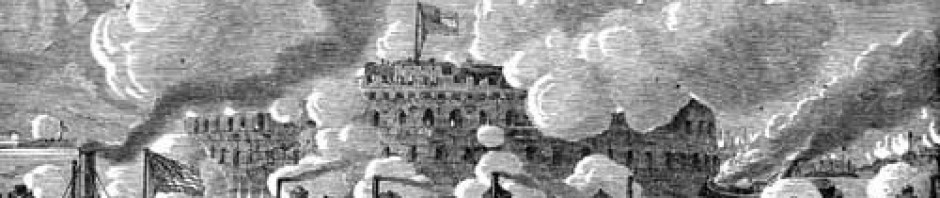
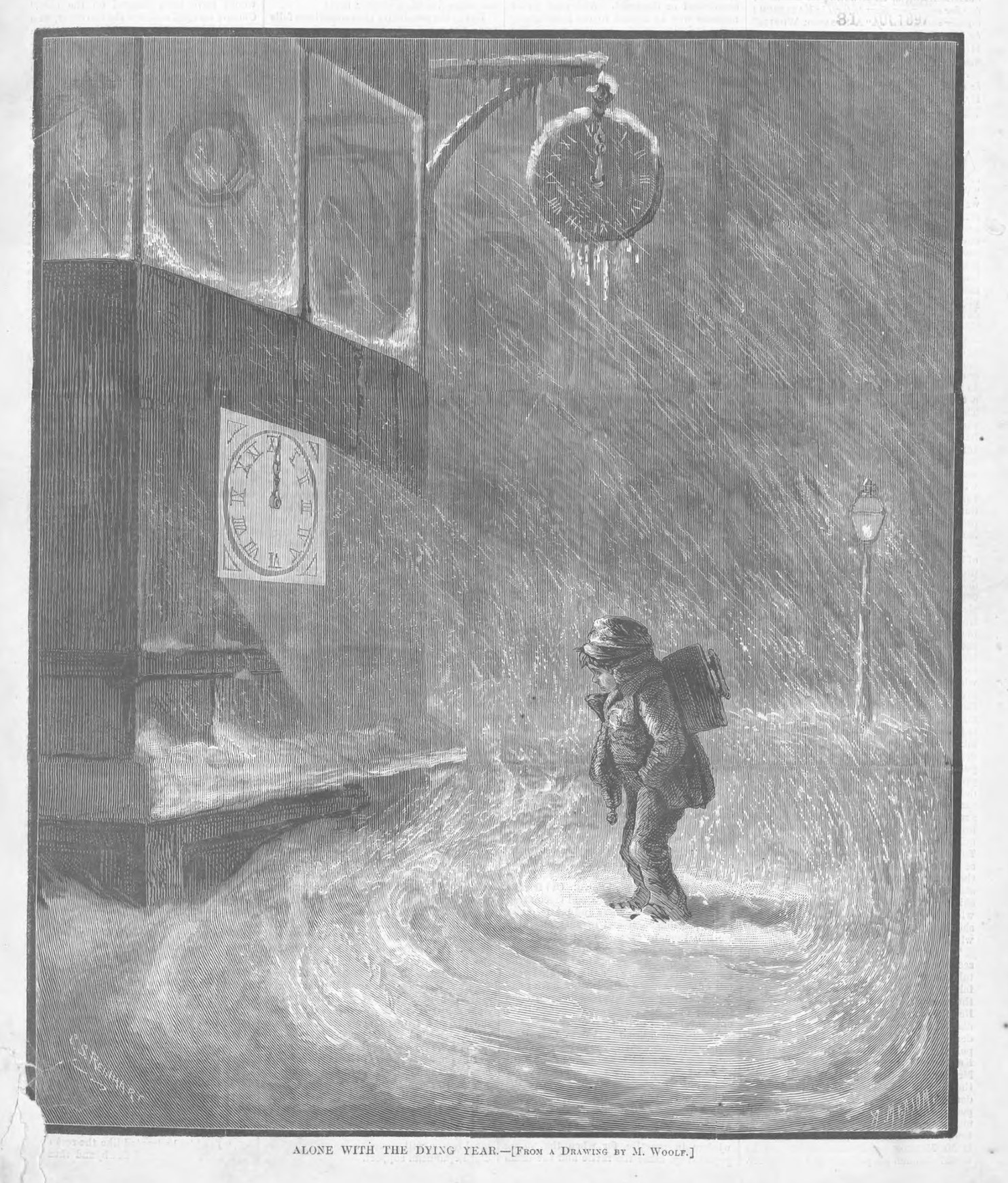
Harper’s Weekly January 2, 1875

Harper’s Weekly January 9, 1875
________________________________________________________
Henry Wadsworth Longfellow wrote a poem that seems pertinent.
MIDNIGHT MASS FOR THE DYING YEAR
Yes, the Year is growing old,
And his eye is pale and bleared!
Death, with frosty hand and cold,
Plucks the old man by the beard,
Sorely, sorely!
The leaves are falling, falling,
Solemnly and slow;
Caw! caw! the rooks are calling,
It is a sound of woe,
A sound of woe!
Through woods and mountain passes
The winds, like anthems, roll;
They are chanting solemn masses,
Singing, “Pray for this poor soul,
Pray, pray!”
And the hooded clouds, like friars,
Tell their beads in drops of rain,
And patter their doleful prayers;
But their prayers are all in vain,
All in vain!
There he stands in the foul weather,
The foolish, fond Old Year,
Crowned with wild flowers and with heather,
Like weak, despised Lear,
A king, a king!
Then comes the summer-like day,
Bids the old man rejoice!
His joy! his last! O, the man gray
Loveth that ever-soft voice,
Gentle and low.
To the crimson woods he saith,
To the voice gentle and low
Of the soft air, like a daughter’s breath,
“Pray do not mock me so!
Do not laugh at me!”
And now the sweet day is dead;
Cold in his arms it lies;
No stain from its breath is spread
Over the glassy skies,
No mist or stain!
Then, too, the Old Year dieth,
And the forests utter a moan,
Like the voice of one who crieth
In the wilderness alone,
“Vex not his ghost!”
Then comes, with an awful roar,
Gathering and sounding on,
The storm-wind from Labrador,
The wind Euroclydon,
The storm-wind!
Howl! howl! and from the forest
Sweep the red leaves away!
Would, the sins that thou abhorrest,
O Soul! could thus decay,
And be swept away!
For there shall come a mightier blast,
There shall be a darker day;
And the stars, from heaven down-cast
Like red leaves be swept away!
Kyrie, eleyson!
Christe, eleyson!
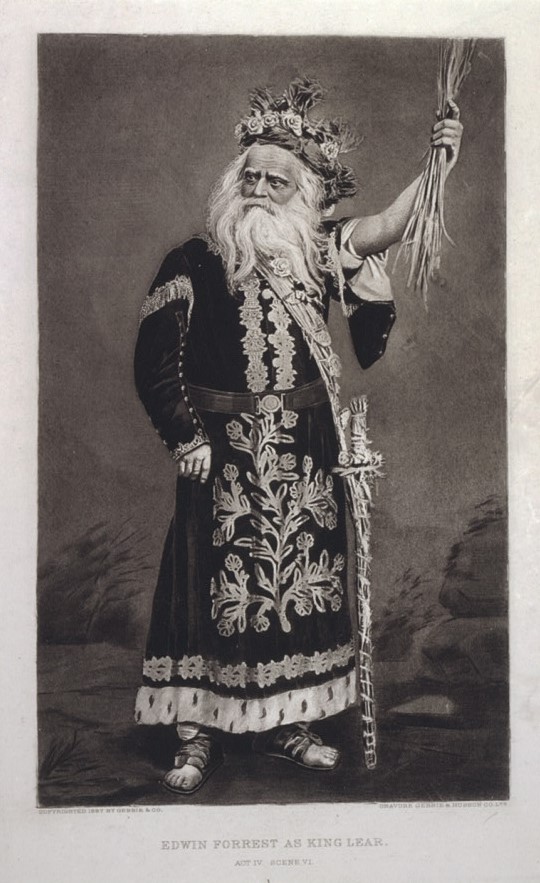
King Lear
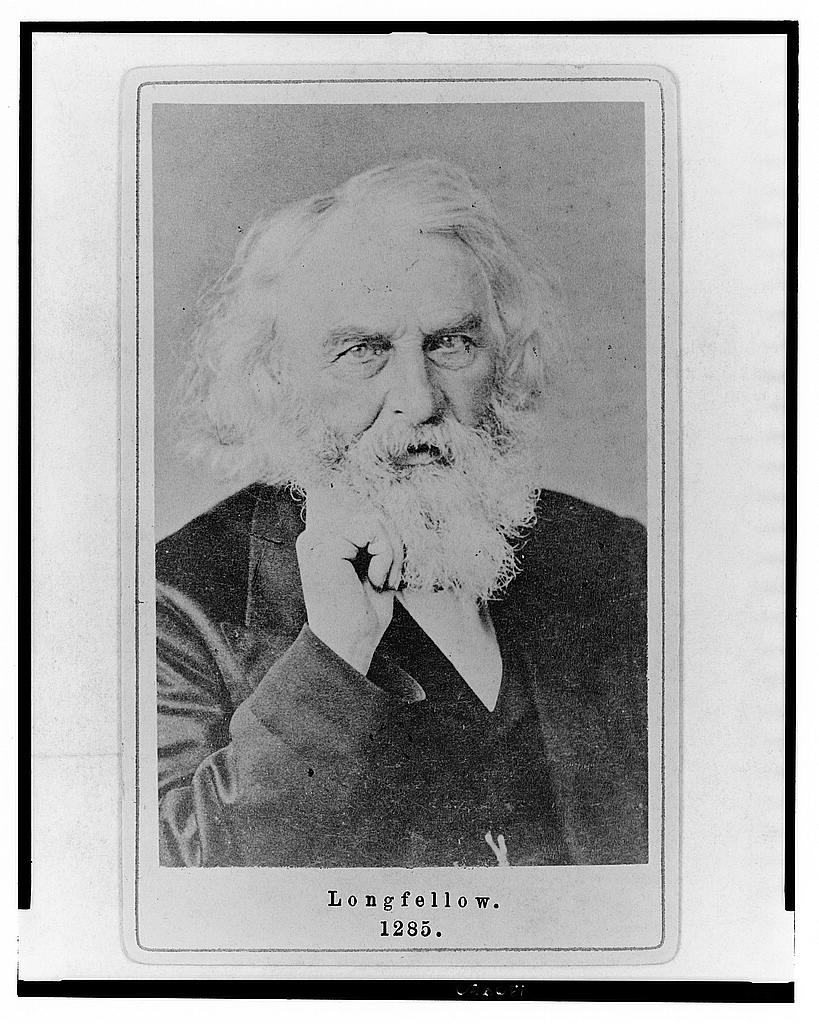
H. W. Longfellow
repeat
I got Longfellow’s poem from The Complete Poetical Works of Henry Wadsworth Longfellow at Project Gutenberg. According to the Maine Historical Society’s Henry Wadsworth Longfellow website, the poem was published in 1839’s Voices of the Night. We can search for it. “Midnight Mass for the Dying Year” was a bit over my head and I’m no expert, but I’d have to say this poem isn’t quite as optimistic as “Christmas Bells”, which the National Park Service says was probably written in 1864 and first published in 1865. Longfellow was “preoccupied with his son’s convalescence and other demands of business” in December 1863. The son was severely wounded in November 1863 fighting for the Union during the Mine Run campaign.
One of the reasons I’m looking forward to 2025 is because it should be a good chance to look back into the past – way, way back, even more than 150 years. The original Erie Canal was completed in 1825. The bicentennial should be pretty interesting.
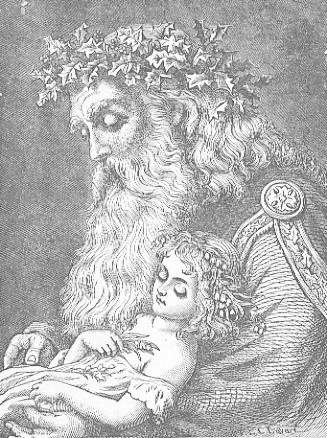
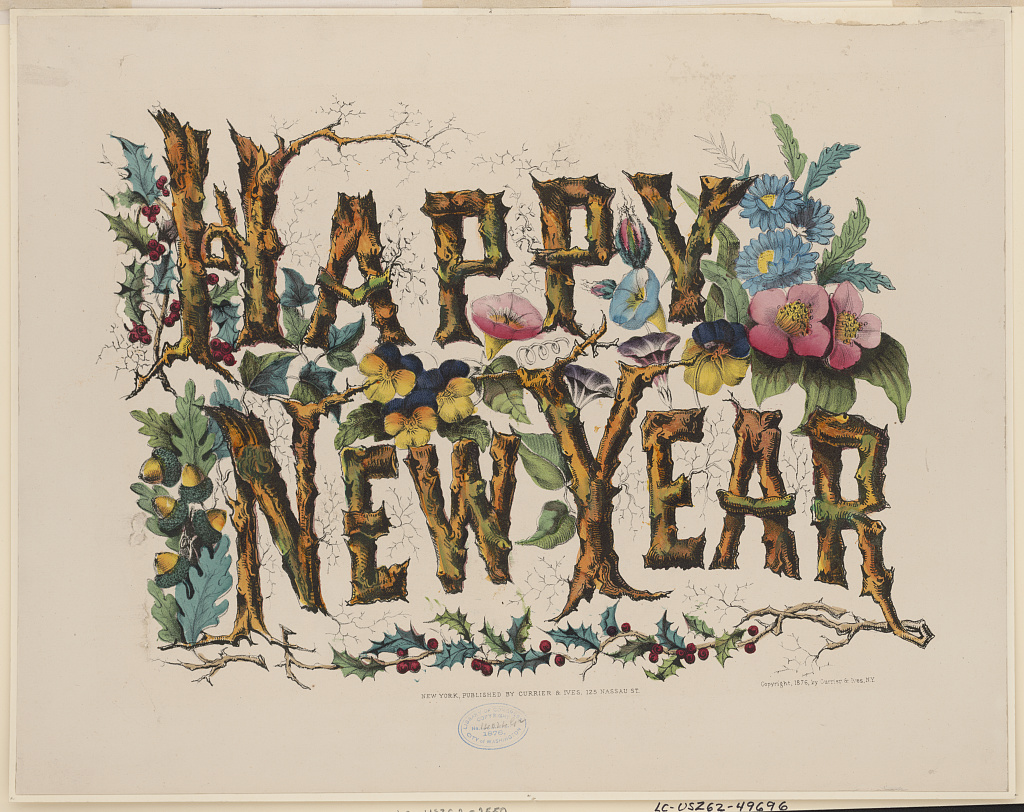
Harper’s Weekly 1875 is available at HathiTrust. The images above are on pages 1 and 32. From the Library of Congress: Edwin Forrest as King Lear, c1897; Longfellow, ca.1880; Currier & Ives c1876 greeting. The 1897 image of Father Time and baby New year is available at Wikimedia Commons
Happy 2025!

