Back at it

And now a corps commander

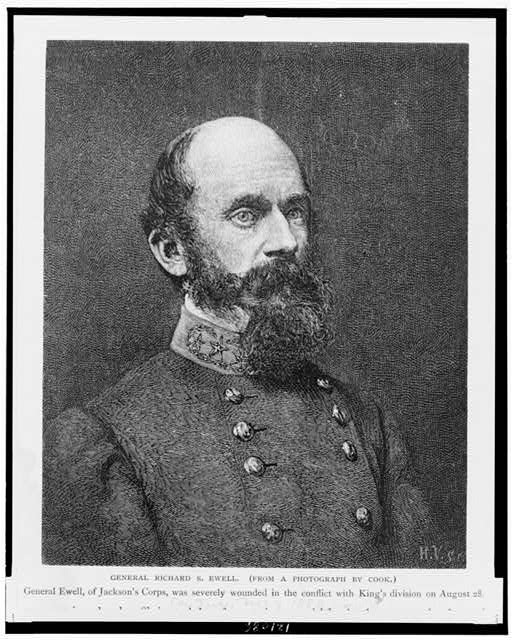
General Richard S. Ewell--General Ewell, of Jackson's Corps, was severely wounded in the conflict with King's division on August 28 (llus. from Century Magazine, 1886; LOC:  LC-USZ62-121086)

Stonewall’s “proper successor”

On August 28, 1862, during the Second Battle of Bull Run, Confederate General Richard Ewell’s left leg was “shattered by a Minie ball”. The leg had to be amputated. He convalesced until May 1863 when he assumed command of one of the three corps in the Army of Northern Virginia. Ewell, a trusted and effective lieutenant of the late, revered Stonewall Jackson, was warmly greeted by the troops that he would be commanding.

From the Richmond Daily Dispatch June 1, 1863:

Gen. Jackson’s successor.

The following letter from a member of Hays’s Louisiana brigade, gives some idea of the satisfaction in the army at the appointment of Gen. Ewell to the command of Gen. Jackson’s old corps:

Camp near Hamilton’s Crossing,
May 29th, 1863.

For some time past considerable interest was manifested throughout the corps as to who would succeed the late and lamented General Jackson in command of the same. There were, of course, many surmises and much speculation on the subject. Early’s division, firmly attached to their former commander, knowing and appreciating his valor and soldier-like qualities, espoused the cause of their favorite chieftain, Gen. R. S. Ewell, and, encouraged by the fact that Gen. Jackson, the sagacious and valiant leader, had in his last moments designated him as a proper successor, felt sanguine as to the result. Nor were they doomed to disappointment. On yesterday reliable information reached camp of his promotion; to-day he arrived, and, as might have been supposed, was received more warmly and cordially. Lieut. Gen. Hill, Gen. Early, and the many officers of the army to whom he has during his military career endeared himself, were present to greet the hero once more returned to the service of his country. Gen. Hays’s Louisiana brigade was present in martial review to receive him, and claimed the honor of escorting their former and favorite commander to his temporary abode. Amidst deafening cheers and the rolling sounds of martial music he was once more ushered into active service. May an all-wise Providence shield him, and give victory to the cause of which he is so glorious a champion.

Louisiana.

Harry Thompson Hays brigade was also known as the “Louisiana Tigers”.

Posted in 150 Years Ago This Week, Confederate States of America, Military Matters | Tagged , , , | Leave a comment

Heading North … and Back South

More Two-Year Men Come Home; Captain Ashcroft Heads back South

From a Seneca County, New York newspaper in May 1863:

The return of the 19th Regiment.

This Regiment returned to Auburn on Tuesday [May 23] last, having served out its term of enlistment. The Regiment left Newbern, N.C. on the 20th inst., and arrived in New York on Saturday of last week. A very large assemblage of people were at the depot in Auburn to greet these brave and hardy warriors. The Nineteenth was made up mostly of volunteers from Cayuga county, and left for the seat of war under Col. JOHN S. CLARK. It served under PATTERSON in Virginia, in the early part of the campaign, but soon after the first Bull Run battle was changed into an artillery regiment, and sent to North Carolina. The regiment returned some 520 strong, under the command of Col. C.H. STEWART. Capt. ASHCROFT’s company from this place belonged to this Regiment, and about one-quarter of Capt. AMMON’s company were also Seneca falls boys.

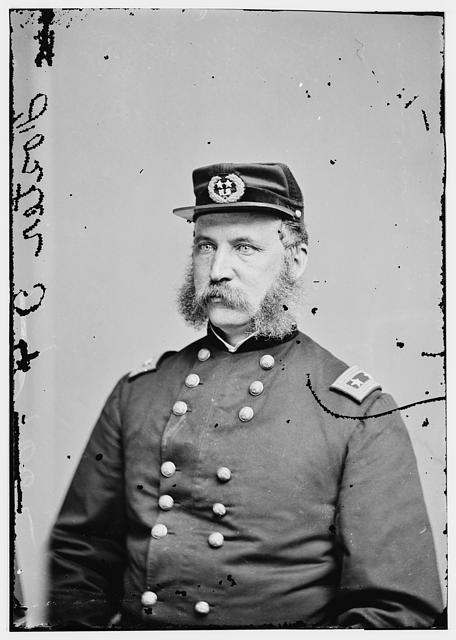
Gen. J.G. Foster (between 1855 and 1865; LOC: LC-DIG-cwpbh-00905 )

General Foster: remember the ‘left behind’

Here’s a summary of the last days of the two-year recruits in the 19th Infantry/3rd Artillery[1]

In his parting order General John G. Foster, through his Assistant Adjutant general, urged the soldiers to return:

… The commanding General hopes that, after a brief enjoyment of home, the memory of the brave deeds in which they have participated in this Department, and the memory of their friends left behind, will induce many or all of them, officers and men, to return again to the Department of North Carolina. …

The regiment reached Auburn, New York on May 26th, but apparently the train from New York City made great time:

Plans were laid for a grand reception; but the battalion arrived before it was expected, and there was only time to marshal Capts. White’s, Swift’s, Rhodes’s and Barber’s military companies under Col. J.B. Richardson, Nos. 1, 3 and 4, fire companies and hook and ladder company to greet the returned heroes at the New York Central depot and escort them to the Exchange Hotel on Genesee street, where J.N. Knapp, the Provost Marshal, made them an address, and a collation was provided for them. The city was hung with flags in their honor and the populace, proud of them beyond expression, thronged the streets. Two or three days afterwards, the battalion had a dress parade in front of the Court House and was addressed by Secretary Seward. The men were formally mustered out on June 2d. They were paid off on the 6th.

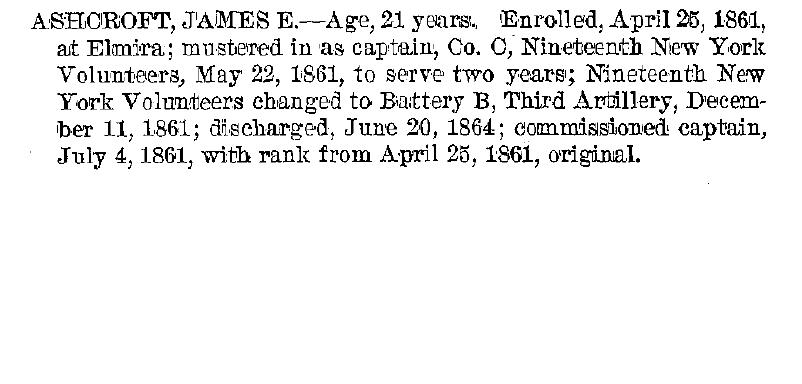
When I started reading through the newspaper clippings in the Seneca Falls, New York public library from 1860 and early 1861, I realized that Zouave organizations were in the area before the Civil War. James Ashcroft’s name was prominent as a Zouave leader. He formed a non-Zouave company for the 19th Infantry right after the loss of Fort Sumter. While stationed at Fort Hatteras he organized some unionist North Carolinians.

From a Seneca County, New York newspaper in May 1863:

Capt. J.E. Ashcroft

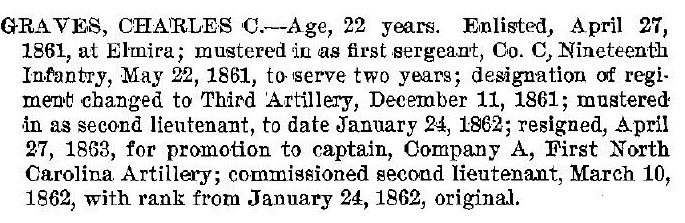
Arrived home from Fort Hatteras, N.C., on Friday evening of last week, having been absent something over two years. Capt. ASHCROFT recruited a company in this village at the commencement of hostilities, which was attached to the old Nineteenth Regiment, afterwards the 3d N.Y. Artillery. He has been in command at Fort Hatteras for nearly a year past, while his old company has been under the charge of Lieut. RANDOLPH. During his command at Fort Hatteras he has raised a company of North Carolinians, which has been placed under Capt. CHARLES GRAVES, who went out with Capt. ASHCROFT as his Orderly Sergeant. Capt. A. has been assigned to the command of Battery B, 3d Artillery, now at Hilton Head, S.C. He will return in the course of a few days.

Captain Ashcroft would spend another year with the 3d Artillery.

James E. Ashcroft

troop organizer – back South for a year

\

Charles C. Graves

Captain Graves led North Carolinians

There is evidencethat Charles Graves was promoted to major of the 1st North Carolina.

  1. [1]Hall, Henry and James Hall. Cayuga in the Field. 1873.Aurora, New York: Talbothays Books. Print. pages 166-67.
Posted in 150 Years Ago This Month, 150 Years Ago This Week, Military Matters | Tagged , , , , | Leave a comment

Up to the army

Private David M. Thatcher of Company B, Berkeley Troop, 1st Virginia Cavalry Regiment, in uniform and Virginia sword belt plate with Adams revolver and cavalry sword (between 1861 and 1865; LOC:  LC-DIG-ppmsca-32680)

Private Thatcher of the 1st Virginia Cavalry – vote counts

Up in New York State plans were in the works to pass legislation and/or amend the state constitution to allow New York soldiers to vote in the 1864 elections. Virginia already allowed soldiers to vote in the field, and a Richmond newspaper determined that the troop tally would be decisive in the 1863 gubernatorial race.

From the Richmond Daily Dispatch May 30, 1863:

The elections.

The State elections will probably, many of them, remain in doubt for some time. The choice of Governor, from the returns received, lies between Messrs. Smith and Flournoy. The result must be settled by the army vote, and it will be some time before it can be received. So is it with reference to the Lieutenant Governor, for which Messrs. Price and Imboden are the leading candidates Several of the Congressional Districts are left in the same situation. The army has the casting vote.

For Congress, Messrs. Wickham, in the Richmond District, and Collier, in the Petersburg District, have such majorities as to settle the question and fix them as the representatives elect. Mr. Bocock had no opposition in the Buckingham District, and Mr. Rives none in the Albemarle District. In the Augusta District the contest between General Baldwin and Governor Letcher has been very animated perhaps the most excited in the election. This may be kept in doubt, also, by the army vote. In the Montgomery District the contest is also likely to be close. Mr. Edmondson, for so many years the representative in the Federal Congress, opposes Mr. Staples, member of the last Confederate Congress. Walter Preston, member from the Abingdon District, is opposed by the famous Fayette McMullan, who has been canvassing industriously for the position. In the district composed of Caroline, &c., which now includes Culpeper, Messrs. James Barbour, jr., and Dejarnette are the candidates. The other districts are entirely in the hands of refugees and soldiers in the army. In the Winchester District, Mr. Boteler, the present representative, was opposed by Col. Holliday. Shenandoah and Hardy counties are the only counties in the district in which polls could be held.

The leaders in the governor’s contest, William Smith and Thomas Stanhope Flournoy, were both Confederate soldiers. On May 29, 1863 the Dispatch published some early returns. Flournoy won pretty decisively in the three Richmond wards that had reported.

According to William Smith’s memoirs (page 50) there was not “conclusive evidence” that he was elected governor until after Gettysburg when he was stationed at Hagerstown. However, he was the presumptive victor before the invasion of Pennsylvania and “Great solicitude was then manifested that Gen. Smith
should retire from the army, and thus escape the casualties
of the field”.

Larry Tagg’s The Generals of Gettysburg: The Leaders of America’s Greatest Battle points to some evidence that Smith won the soldiers’ vote because the soldiers wanted to get him off the field:

At Gettysburg, there was the prospect that Smith soon might resign to become Governor of Virginia, an office for which he was an active and favored candidate. One soldier expressed the opinion that “Extra Billy” got a heavy vote in the Army because the Virginia soldiers wished to get rid of him as a commander–by the time of the Gettysburg campaign, it was becoming apparent that Smith’s generalship was deficient. No one questioned Smith’s courage, but Early judged it advisable at times to keep Smith’s brigade in close proximity to Brig. Gen. John Gordon’s so that Gordon could exercise what amounted to a joint command. Early’s concern was personal, because Smith’s brigade had once been his own, and he didn’t want to see its splendid record ruined by the incompetence of its commander. In fact, Smith’s skills in the field seemed to be deteriorating–he was the oldest man on the field, showing the wear and tear of the army’s campaigns.

Posted in 150 Years Ago This Week, Confederate States of America, Southern Society | Tagged , , , | Leave a comment

not going “show the white feather”

Catching up a bit with the NY 126th Infantry from Seneca County, New York newspapers in 1863.

The 126th Regiment is still at Centreville, Va., doing picket duty. The boys were not in the fight at Fredericksburg.

From a Seneca County, New York newspaper in May 1863:

Promoted.

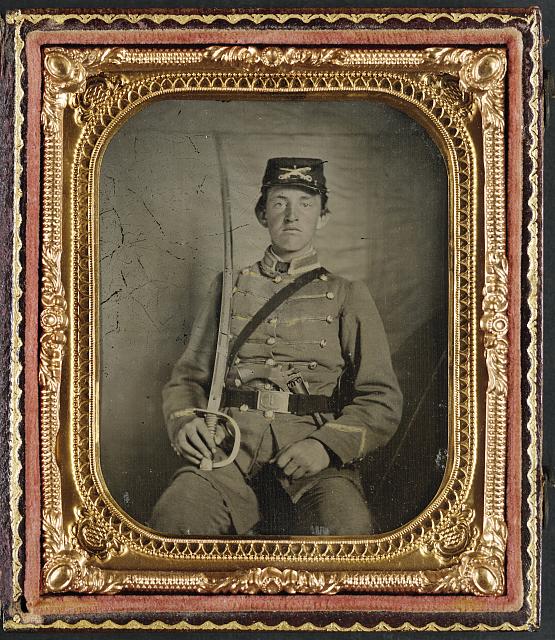
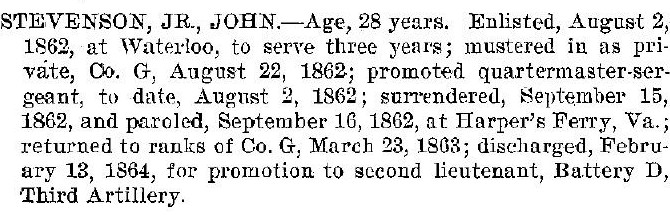
We are pleased to learn that Quartermaster Sergeant JOHN STEVENSON, of the 126th Regiment, has been promoted to the Second Lieutenancy in Co. I, vice Chas. C. Babbitt resined [sic]. Everybody in this county knows JOHN, and, as a matter of course, all will be gratefied [sic] to hear of his good fortune. He will never show the white feather, we venture to assert.

John Stevenson, Jr.

not totally in synch with story

Posted in 150 Years Ago This Month, Military Matters | Tagged , | Leave a comment

Enthusiasm helps make the difference

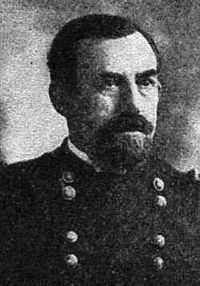
Hartwell Compson, Civil War Medal of Honor

zealot

From a Seneca County, New York newspaper in May 1863:

Promoted.

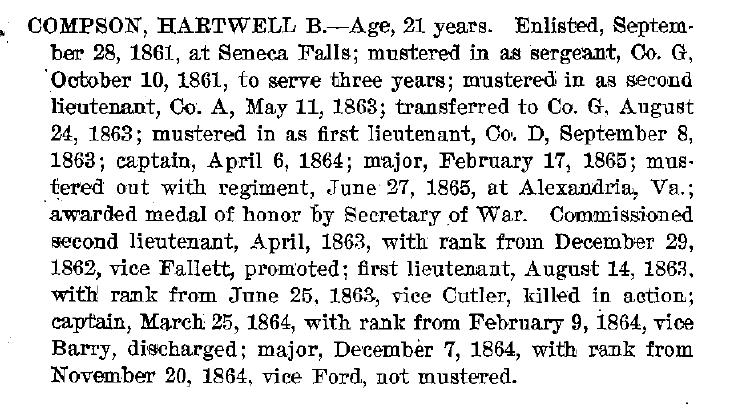
We are glad to learn that H.B. COMPSON, son of Mr. Jonas Compson, of Tyre, has been promoted to a 2d Lieutenancy in the 8th N.Y. Cavalry. Young COMPSON enlisted as a private in the late Capt. Sisson’s company, and by his faithfulness, zeal and proficiency in the particular branch of the service to which he belongs, he won for himself an important position. His many friends will be pleased to hear of his promotion. His commision [sic] is dated back to the 29th of last December.

Hartwell Thomas Benton Compson continued to be promoted throughout the war. He received the Medal of Honor for his heroic conduct during the March 2, 1865 Battle of Waynesboro, Virginia. “During fierce hand-to-hand combat, Major Compson personally captured the headquarters flag of Confederate general Jubal Early. For this action he would receive the Medal of Honor.”

After the war Compson eventually followed the “Go West, Young Veteran” mantra and settled in Portland. Oregon. His grave (until recently unmarked) is located in the Grand Army of the Republic Cemetery.

Hartwell B. Compson

“faithfulness, zeal and proficiency”

Posted in 150 Years Ago This Month, Military Matters | Tagged , , | Leave a comment

Memorialized

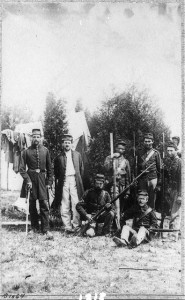
33rd New York Infantry (between 1861 and 1865; LOC: LC-USZ61-2121)

members of the 33rd during its two years South

On Tuesday, May 12, 1863, only about a week after its costliest engagements (during the Chancellorsville campaign), the 33rd New York Infantry Regiment received the word that it was officially being sent home [1]. It left the front on Friday, May 15, 1863 and reached Elmira, New York on Sunday, the 17th. On the 23rd of May the regiment took a boat up Seneca Lake to Geneva, where they were warmly greeted and feted:

…As the little steamer conveying the men hove into sight, they were greeted with the thunder of artillery, mingled with the chimes of the various church bells, and, on disembarking at the wharf, were met by the village authorities and a large deputation of citizens. After a few moments spent in congratulation, the Regiment formed in procession, and marched through the principal streets to the park …

Speeches and a huge meal at the barracks followed. On the next morning the regiment took the train to Canandaigua and was again treated to congratulatory speeches and a “sumptuous banquet”. Colonel Robert F. Taylor returned a flag the ladies of Canandaigua had presented the 33rd two years before. The colonel noted the extraordinary measure his men took to keep the ladies’ flag aloft, except once “when the color-bearer sank from sheer exhaustion on the field.”
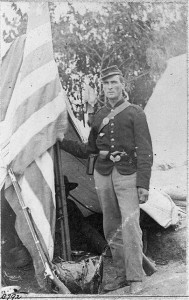
33d New York Infantry (between 1861 and 1863; LOC: LC-USZ62-70353)

fighting for the flag(s)

On June 2, 1863 “Captain Beirn, of the regular service, assembled the Regiment on the green in front of the [Geneva] barracks, mustered it out of the service by Companies, and the Thirty-third passed into history.”

As can be seen from the following, the companies from Seneca Falls didn’t wait the week to leave Elmira and get home.

From a Seneca County, New York newspaper in May 1863:

Arrival of the Thirty-Third Regiment.

The gallant and glorious old Thirty-Third Regiment arrived at Elmira on Sunday last, after an absence of two years in the service of their country. The two companies from this place, Capts. Tyler and McGraw, are now at home enjoying themselves with all the freedom of times gone by. The boys look remarkably well, and their friends all seem pleased to see them once more. The Regiment will be mustered out in a very few days, their time being up to-day. We shall speak more at length of the Regiment in our next issue. In the meantime we publish the following complimentary orders, issued from the Army of the Potomac, upon their departure from home:

Gen. Martin T. McMahon, U.S.A. (between 1860 and 1865]; LOC: LC-DIG-cwpbh-03178)

Martin T. McMahon congratulates the 33rd for General Sedgwick

HEADQUARTERS 6th ARMY CORPS,
May 13, 1863.

Special Order No. 120.

The term of service of the 33d New York Vols. having expired, they will proceed at once to Elmira, N.Y., the place of enrollment, where they will be mustered out of the service. Upon their arrival there, their arms, equipments and public property will be turned in to the proper officers. The Quartermaster’s Department will furnish transportation from Falmouth.

The General commanding the corps congratulates the officers and men of the 33d New York Vols. upon their honorable return to civil life. They have enjoyed the respect and confidence of their companions and commanders; they have illustrated their term of service by galant deeds, and have won for themselves a reputation not surpassed in the Army of the Potomac, and have nobly earned the garatitude of the Republic.

By command of Maj. Gen. SEDGWICK,

M.T. MCMAHON,

Ass’t Adj’t. Gen’l.

         ___________
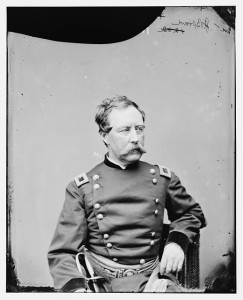
Gen. Albion Howe, U.S.A. (between 1860 and 1865; LOC: LC-DIG-cwpbh-03169)

And Howe’s parting words: Come Back!

HEADQUARTERS 2d DIVISION, 6th CORPS,
May 14, 1863,

General Orders, No. 26.

By the rules of enlistment, the term of service of the 33d Regiment N.Y. Vols. expires to-day, and they are entitled to an honorable discharge from the service of the United States. Yet the General commanding the Division cannot let this regiment depart without expressing his regret at their leaving, and hopes that they will speedily reorganize and join this command, to serve their country once more and to the end of this war, with the same spirit as they have served for the last two years. To say that this regiment, in camp, on the march, and in all the many hard battles in which they were engaged, have done their duty and behaved gallantly, is but a weak expression of the acknowledgement of their good service. They have earned for themselves the approbation and confidence of their commanders, and fully deserve the gratitude of their country.

By order of Brig. Gen. Howe.

CHAS. MUNDER, Major and A.A.G.

         ___________
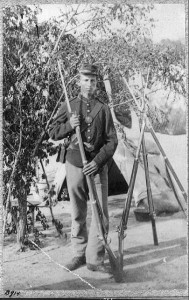
33d New York Infantry (between 1861 and 1865; LOC: LC-USZ62-99872)

” fought nobly for our country and suffered bravely for the cause.”

HEADQUARTERS 3d BRIGADE 2d DIVISION,
6th ARMY CORPS, May 14th, 1863.

CIRCULAR.

The Brigadier-General Commandind [sic] the Third Brigade, cannot part with the 33d New York Volunteers, without expressing to the officers and men of that gallant Regiment, who have fought under his eye and command with so much honor and distinction, his regret at our separation, his well wishes for your future.

No words can express what you must feel – the sense of having fought nobly for our country and suffered bravely for the cause. The memory of those who have fallen is tenderly cherished, and your Brigade Commander bids you “God Speed” in anything you may undertake in the future.

Sincerely,

THOMAS H. NEILL,

Brig. Gen. Com’g 3d Brigade
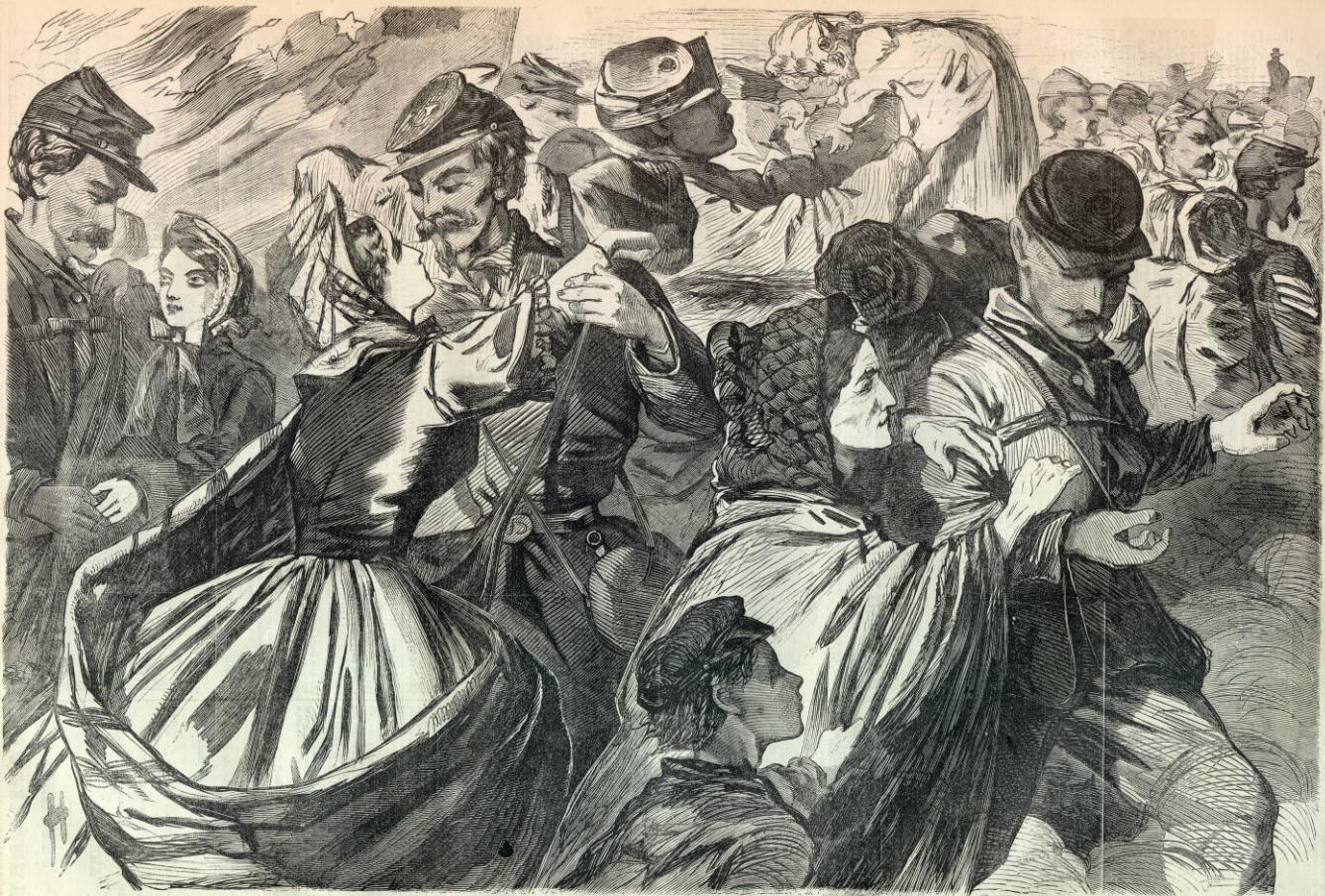
Home from the War (Harper's Weekly, 6-13-1863)

Home from the War (Harper’s Weekly, 6-13-1863)

The image of the soldiers at home was published in the June 13, 1863 issue of Harper’s Weekly and can be seen at Son of the South.

General Sedgwick’s Assistant Adjutant General was Martin Thomas McMahon, who in 1891 was awarded the medal of honor for his heroism at the Battle of White Oak Swamp.

The mortality rate of the 33rd: “The total enrollment of the regiment was 1,220 members, of whom 47 were killed or died of wounds during the term of service and 105 died from accident, imprisonment or disease.” About 12.5%.
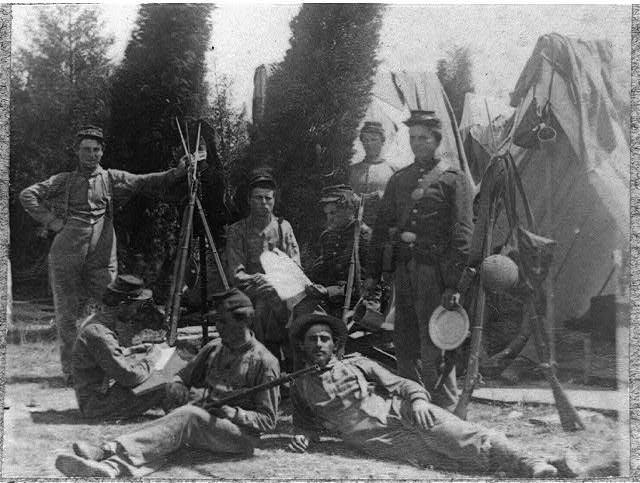
33rd New York Infantry (between 1861 and 1865; LOC:  LC-USZ61-2124)

before “the Thirty-third passed into history.”
  1. [1]This summary is taken from Judd, David Wright The story of the Thirty-third N.Y.S. Vols, or, Two years campaigning in Virginia and Maryland . Rochester: Benton & Andrews, 1864. Print. pages 322-349.
Posted in 150 Years Ago This Month, Military Matters | Tagged , , , , , , , , | Leave a comment

Banished

Hon. Clement Laird Vallandigham [?] of Ohio (between 1855 and 1865; LOC: LC-DIG-cwpbh-01194)

letting him”prate his seditious trash” – in rebeldom

From a Seneca County, New York newspaper in May 1863:

The Hon. CLEMENT L. VALLANDIGHAM reached Murfresboro [sic], Tenn., on the 24th inst., and was escorted to the rebel lines. – the rebel pickets at first refused to receive him, but finally the colonel commanding the pickets assented to his reception, when Mr. VALLANDIGHAM thus addressed the guards, at the same time asking the federal officers who had him in charge to pay attention to his words: “I am a citizen of Ohio, of the United States of America, sent within your lines against my will, and hope you will receive me as your prisoner.” – the rebel commander then promised that he would send Mr. Vallandigham to the rebel authorities at Shelbyville at his earliest convenience.

According to the 1872 biography (pages 297-300) by Clement Vallandigham’s brother James, Clement arrived in Murfreesboro in the evening of the 24th and had a mostly (after initial verbal hostilities) pleasant conversation with General Rosecrans. On the morning of the 25th he was escorted to the rebel pickets and made his declaration mentioned above. In the afternoon he was taken by ambulance to Shelbyville, where he was received by General Bragg.

The May 30, 1863 issue of Harper’s Weekly (at Son of the South) criticized the Lincoln administration’s handling of dissent as being a symptom of not trusting the Northern people:

… But the question is not whether Vallandigham be a traitor, or whether war involve a suspension of individual rights: it is—shall we better ourselves and help the country by locking this man up in a fortress, instead of letting him prate his seditious trash to every one who will listen? To that question the reply must be in the negative.

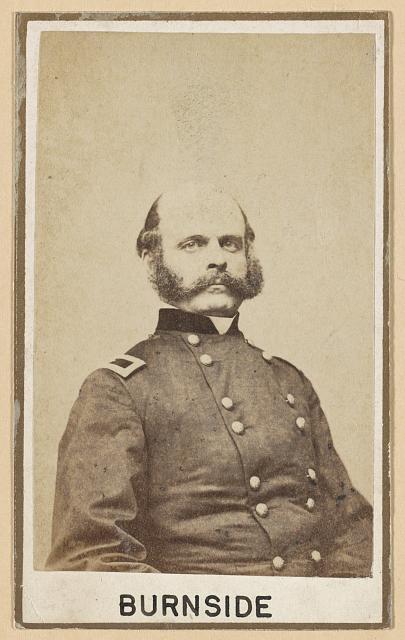
The mistake which has all along been made in this war by the Government and many of its agents has been not trusting the people sufficiently. Arresting seditious talkers implies a fear that the people have not sense or strength of mind enough to resist the appeals of sedition; just as the suppression or retention for a time of intelligence of a defeat implies a doubt whether the people have courage enough to bear bad news. Let us assure Mr. Lincoln, and all in authority under him, that the people of the United States have quite courage enough to bear any amount of misfortunes, and quite sense enough to withstand any amount of seditious nonsense, be it uttered ever so glibly. The only effect thus far produced by such talkers as Vallandigham has been to kill off the Copperhead sentiment in the Northwest, to reduce Fernando Wood’s party to a mere corporal’s guard, and to render the names of the Copperhead leaders a by-word and a reproach among honest men. Vallandigham was fast talking himself into the deepest political grave ever dug when Burnside resurrected him. ….

Brig. Gen. Ambrose E. Burnside, head-and-shoulders portrait, head three-quarters to the right, facing front, wearing military uniform (between 1861 and 1865; LOC: LC-DIG-ppmsca-35464)

resurrected Vallandigham

The June 13th issue of Harper’s maintained that Vallandigham represented a class of would-be martyr’s who tried to exploit their punishment for political gain. It wouldn’t work:

As to the smart talkers and writers who are aiming at the Capitol or the White House by way of Fort Lafayette, we fear their ambition will be disappointed. The price of provisions is advancing daily, and the Government is already at expense enough for the support of troops, without undertaking to fatten traitors likewise. It would be no small gain to many of these New York and New Jersey patriots, who declaim against the destruction of our liberties, to get their board gratis this summer. But Mr. Lincoln can not afford such luxuries. The peace orators had far better give up the idea of getting free board and lodging, with eventual contingencies in the shape of a martyr’s reputation, and betake themselves to some honest trade.

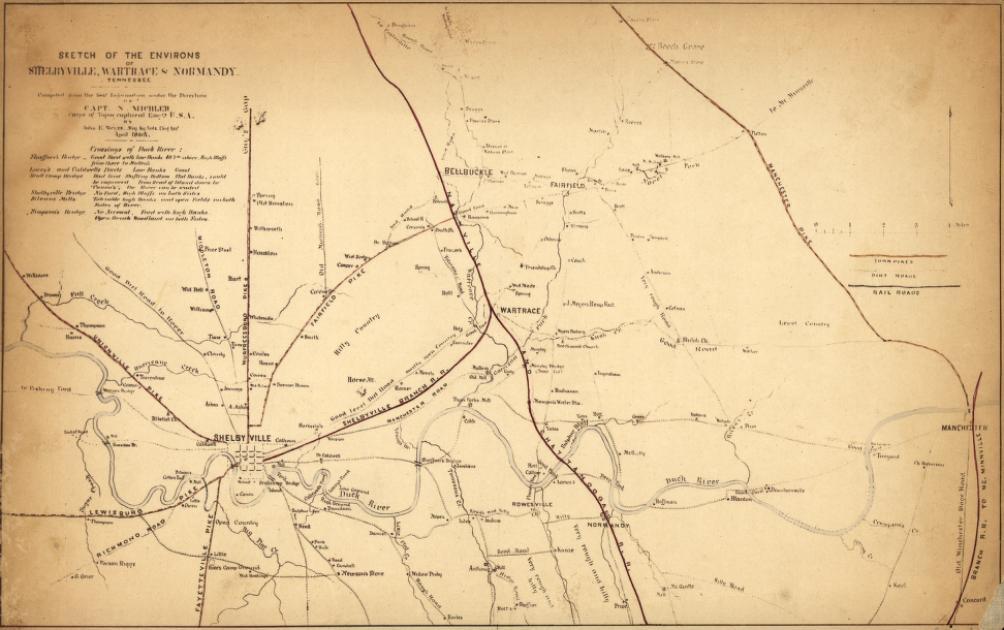
Sketch of the environs of Shelbyville, Wartrace & Normandy, Tennessee Compiled from the best information under the direction of Capt. N. Michler, Corps of Topographical Engrs. U.S.A., by John E. Weyss, Maj. Ky. Vols., Chief Asst. Drawn by C. S. Mergell. Photographed by M. Carpente

Vallandigham rode the ambulance to Bragg’s headquarters in Shelbyville

Posted in 150 Years Ago This Week, Lincoln Administration, Northern Politics During War, Northern Society | Tagged , , , , | Leave a comment

Road Trip

Gen. Rush C. Hawkins (between 1860 and 1870; LOC: LC-DIG-cwpb-05085)

Rush Hawkins – ready to fight Copperheads

Guns Along the Mohawk?

150 years ago this week lots of two year volunteers were returning North after their term of service had expired. In this article veterans in New York City are wasting no time planning a trip to Utica for a mass meeting of the loyal. They were hoping to be allowed to carry their arms on the trek.

From The New-York Times May 24, 1863:

LOYAL UNION LEAGUE MASS MEETING AT UTICA.; The Officers and Volunteers of Eight NewYork Regiments to Leave on Tuesday for the Meeting.PATRIOTIC ADDRESSES OF COL. BENDIX, HON. MR.WHITE, COL. HAWKINS AND COL. M’GREGOR. The New-York Loyal League and the Utica Convention. …

Pursuant to arrangement which was unanimously agreed upon, a large and enthusiastic assemblage of officers, volunteers and civilians, was held last night at the State Arsenal, corner of Thirty-fifth-street and Seventh-avenue. The object of the meeting was to explain in detail the arrangements which had been made by the Committee of the Loyal Union League, which had given the brave officers and soldiers an invitation to accompany them to Utica, and to be present at the great demonstration, to be held there on the 27th inst. …

Mr. WHITE made a very appropriate and businesslike address, during which he took occasion to give a full and satisfactory explanation of all the arrangements which had been entered into, to give ample and sufficient accommodation to the volunteers on leaving this city and on their arrival in Utica. He stated also that a telegraph had been sent to Albany to the Adjutant General asking permission for the volunteers to carry their arms on that day, but whether or not, they would go without their arms.

Col. HAWKINS came forward and was received with cheers. He said they had not long returned from the field from fighting rebels, and now, as they were at home once more, it would be no harm to fight the Copperheads. [Applause.] This great meeting was got up by loyal men, who are strongly in favor of the Union and Constitution, and would do all in their power to put down this wicked rebellion. [Loud cheers.]

Hon. James Brooks (between 1855 and 1865; LOC: LC-DIG-cwpbh-01779)

were James Brooks’ ears ringing?

SPEECH OF COL. M’GREGOR.

Col. MCGREGOR then presented himself, and was received with much applause. When it had subsided he spoke as follows: I am glad that we have met again here this evening according to arrangement; and as we have determined to go to Utica, we will be under the command of Col. HAWKINS, who is well qualified for that important duty. (Loud cheers.) It is quite evident now to all parties that there has been evinced by the military a warm and patriotic disposition to support the great movement at Utica, and in giving us an invitation to go there the Loyal League Committee is paying us a compliment. The military are not proceeding there to hold a mass meeting of their own, or to hold a political meeting, or anything of that kind. It was a meeting to support the Government; and in every movement which had this object in view, the loyal volunteers, when called upon, were ready to give their hearty cooperation. [Applause.] It was right, then, for them to go to Utica, and to Utica they would go. [Cries of “Go on, brave MCGREGOR.”] This they had now determined upon; and if there were any volunteer or man in this room who said to the contrary, let him do so now, [Loud cheers, and “No, no.”] The officers and volunteers who went there would be furnished with all the necessary supplies by the Committee of the Loyal League, and would be at no expense whatever. [Applause, and “That’s good.”] By these supplies he did not mean three or four days’ rations, for they would find the excursion a different thing from marching to the battle-field. [Cheers and laughter.] Since the proceedings of our last meeting appeared, and which appeared correctly in the NEW-YORK TIMES, I have also read in another paper, known as the New-York Express, a very different version, and a construction has been put on the few words which I then spoke which is anything but true. (A voice — “What about that lying journal?”) This same Express is worse than any rebel paper printed in Richmond, with the difference that it bears no comparison in the ability with which the Richmond Whig is conducted. It is very likely that this same Express has put me down as one of the “hogs;” but I do not know which of the BROOKS’ wrote the precious piece of composition I refer to — whether it was JAMES BROOKS or Booby BROOKS — [laughter, hisses and groans] — but the piece is so well written, and the composition so exceedingly elegant, that I cannot refrain from reading it to you. [Col. MCGREGOR then read the entire piece from the Express, commenting as he went along, which elicited roars of laughter, interspersed with repeated hisses and groans.] I am sure, continued he, that the men who are ready to put down this wicked rebellion, and who have already fought gallantly in the field of battle, are not the men to be influenced by Mr. WHITE, Col. BENDIX, or others, against their convictions, but they will go to Utica to show their patriotism, and their love and attachment to the Union. [Loud applause.] Nor will they be influenced either by JAMES or Booby BROOKS, the owners of this rebel journal, called the Express. [Reiterated cheers.] It is a pity to witness so rebellious a paper in the City of New-York. If our brave volunteers cannot go to Utica without the consent of the Express, then there is an end to a free press, freedom of action and free speech. I shall go myself, and if these Brookses have any doubt of the number of volunteers who shall go from New-York, we will pay their office a visit and let them review us in person. [Great applause.] …

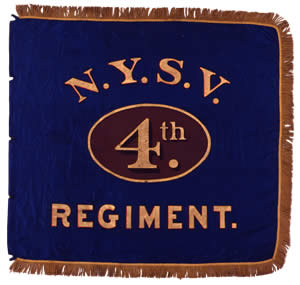
4th Regiment NY Volunteer Infantry Flank Markers Civil War

just back from Chancellorsville

Having earlier in the month fought at the Battle of Chancellorsville, Captain John D. McGregor of the 4th New York Infantry Regiment wasn’t in any mood to put up with what he considered the disloyal comments of James Brooks and his New York Daily Express. As an example, it had recently been reported that Mr. Brooks stated, “In my judgment and belief it is not so much the intention of the Administration to subjugate the South as it is to subjugate the North!”

Rush Hawkins was mustered out on May 20, 1863.

Posted in 150 Years Ago This Week, Military Matters, Northern Politics During War, Northern Society | Tagged , , , , , | Leave a comment

Stars and Stripes Over Vicksburg?

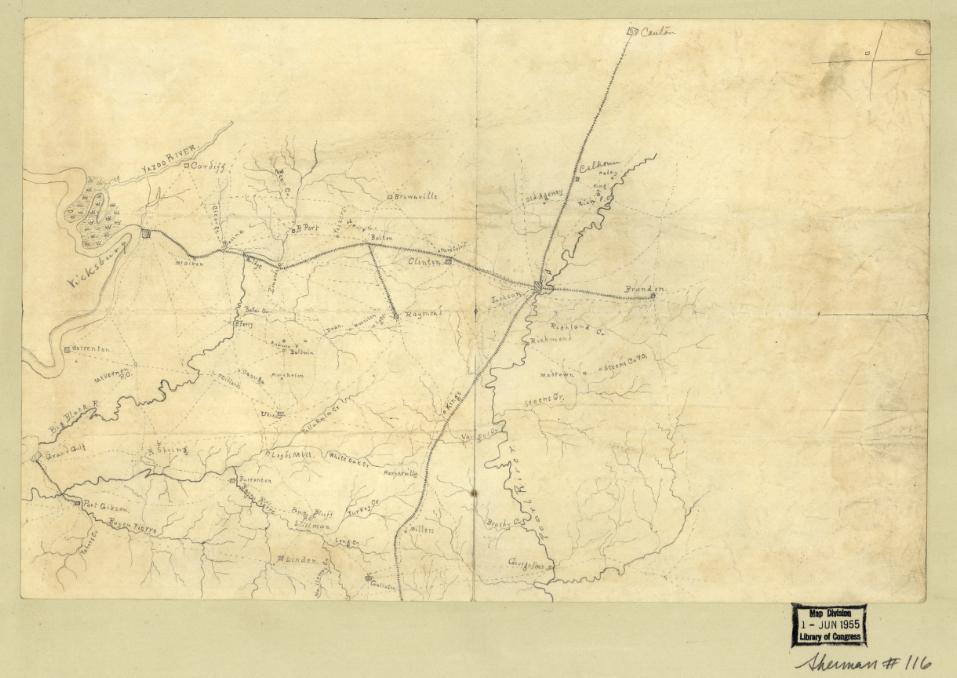
Map of the environs of Vicksburg and Jackson, Mississippi. 1863 LOC: g3984v cws00116 http://hdl.loc.gov/loc.gmd/g3984v.cws00116)

to Vicksburg via Jackson

As usual Seven Score and Ten and Civil War Daily Gazette have been doing an excellent job keeping us up to date on General Grant’s attempt to capture Vicksburg, Mississippi for the Union cause. 150 years ago yesterday the Federal army failed to take Vicksburg by a direct attack on the rebel fortifications. You can read all about it at the two sites mentioned and also at The Civil War 150th Blog. News from Mississippi was making its way back to small towns in the North. Here are a couple clippings from a Seneca County, New York newspaper in May 1863:

Vicksburg.

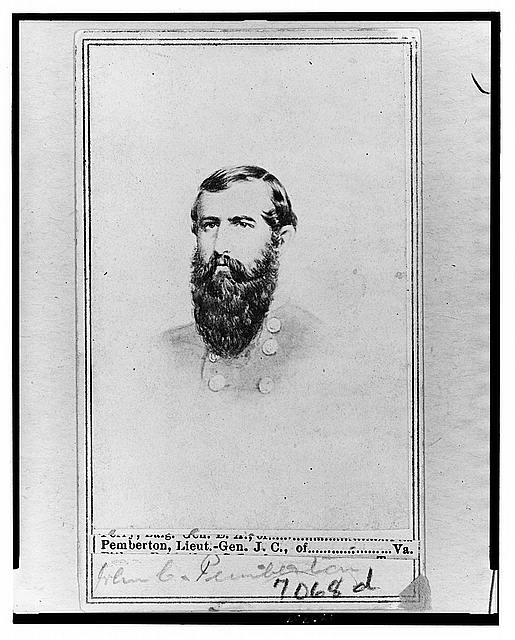
For the past two weeks Gen. GRANT and his brave army have been doing some very severe fighting in the vicinity of Vicksburg. The advantage has seemingly been with our side, until the enemy under Pemberton fell back into the entrenchments at Vicksburg. The latest news from this point is not as favorable as we could wish. Gen. GRANT has made several attempts to storm the strong works of the enemy, but has been repulsed each time with great loss of life. The enemy claim that they can hold the place against all the forces Grant can bring against them. They also report that Gen. Johnson [sic] is in Grant’s rear with a large force, and that he will soon raise the siege of Vicksburg. This remains to be demonstrated, however. In the meantime Vicksburg is not yet ours.

John C. Pemberton (between 1860 and 1890; LOC: LC-USZ62-130838)

his troops and fortifications keeping Sherman out

The Defeat at Vicksburg.

Our army has met with a serious defeat in the attempt to dislodge the enemy at Vicksburg at Vicksburg. The Confederate Commander, PEMBERTON, telegraphs to Richmond under date of Friday that SHERMAN had “re-embarked and apparrently [sic] has relinquished his designs upon Vicksburg.” The Cairo despatches also indicate the repulse of our army with a loss of 4,000 to 5,000 men. – The Federal army is represented to be 50,000 strong. The enemy are strongly entrenched at Vicksburg, and there is no doubt but that the struggle was a desperate one, and the loss was very great on our side, we being the attacking party. the whole affair seems to have been badly managed.

Some of the details might have been wrong, but the main idea seems pretty clear – storming the strong fortifications wasn’t working.

The Union president got some news off the wire that gave him a bit of hope – if only for a day.

Portrait of Anson Stager, Telegraph Corps, officer of the Federal Army (Brevet Brig. Gen. from Mar. 13, 1865) (Between 1860 and 1865; LOC: vLC-DIG-cwpb-04970)

telegraphing Lincoln

From The Papers And Writings Of Abraham Lincoln, Volume Six:

TELEGRAM TO ANSON STAGER.
WAR DEPARTMENT, WASHINGTON, D. C., May 24, 1863.10.40

ANSON STAGER, Cleveland, O.:

Late last night Fuller telegraphed you, as you say, that “the Stars and Stripes float over Vicksburg and the victory is complete.” Did he know what he said, or did he say it without knowing it? Your despatch of this afternoon throws doubt upon it.

A. LINCOLN.

Anson Stager was born in Ontario County, New York, the major recruiting ground for the 33rd New York Infantry but at a young age began working with the telegraph in Pennsylvania. After the war began he devised a cipher for secure communication and in October 1861 he was appointed head of the U.S. Military Telegraph Corps.

Posted in 150 Years Ago This Month, 150 Years Ago This Week, Military Matters | Tagged , , , , | Leave a comment

U.S.C.T.

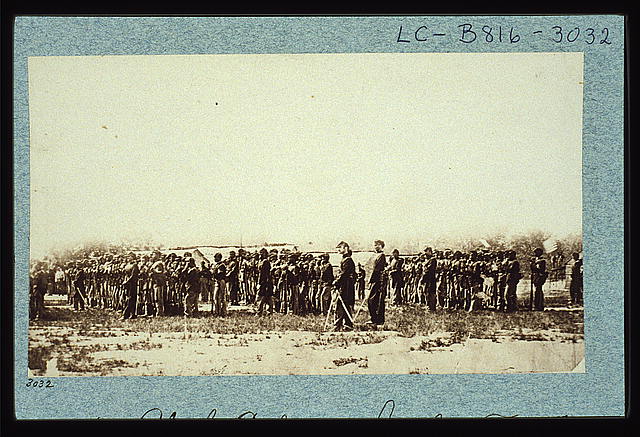
1st U.S. colored infantry (between 1861 and 1865; LOC: LC-USZC2-6431)

“1st U.S. colored infantry”

150 years ago today a Bureau of Colored Troops was ordered by the federal War Department:

GENERAL ORDERS,
No. 143
WAR DEPARTMENT,
ADJUTANT GENERAL’S OFFICE,
Washington, May 22, 1863.

I — A Bureau is established in the Adjutant General’s Office for the record of all matters relating to the organization of Colored Troops, An officer, will be assigned to the charge of the Bureau, with such number of clerks as may be designated by the Adjutant General. …

VI — Colored troops maybe accepted by companies, to be afterward consolidated in battalions and regiments by the Adjutant General. The regiments will be numbered seriatim, in the order in which they are raised, the numbers to be determined by the Adjutant General. They will be designated: “——Regiment of U. S. Colored Troops.” …

BY ORDER OF THE SECRETARY OF WAR:
E. D. TOWNSEND,
Assistant Adjutant General.

Charles William Foster, Jr. was the chief of the bureau. The U.S.C.T. designation replaced a bunch of state names.

Seven Score and Ten posted on the black soldiers’ concern that they be treated as prisoners of war by the South if captured (as opposed to being re-enslaved, for example).

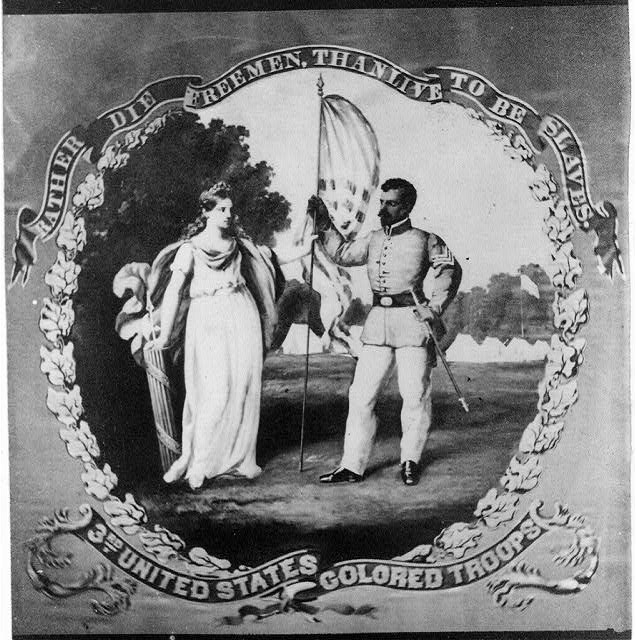
Rather die freemen than live to be slaves - 3rd United States Colored Troops (between 1860 and 1870; LOC: LC-USZ62-23098)

3rd United States Colored Troops rather die free

Here’s some evidence that the Lincoln administration intended to treat the black troops as separate but equal in terms of pay and benefits and expected them to be treated the same as whites if captured.

From the Richmond Daily Dispatch May 15, 1863:

How negro soldiers are to be treated.

The following letter, from Gov. Andrew, of Massachusetts, is in reply to questions addressed to him by Mr. Downing, concerning the position of colored troops in respect to pay, equipments, bounty, and protection, compared to that of white volunteers.

Commonwealth of Massachusetts, Executive Department. Boston, March23, 1863.

Geo. T. Downing, Esq., N. Y.

Dear Sir

–In reply to your inquiries made as to the position of colored men who may be enlisted and mustered into the service of the United States, I would say that their position in respect to pay, equipments, bounty, or any aid and protection, when so mustered, will be precisely the same in every particular as that of any and all other volunteers.

I desire further to state to you, that when I was in Washington, on one occasion in an interview with Mr. Stanton, the Secretary of War, he stated, in the most emphatic manner, that he would never consent that free colored men should be accepted into the service, to serve as soldiers in the South, until he should be assured that the Government of the United States was prepared to guarantee and defend, to the last dollar and the last man, to these men all the rights, privileges and immunities that are given by the laws of civilized warfare to other soldiers. Their present acceptance and muster in as soldiers, pledges the honor of the nation in the same degree and to the same rights with all other troops. They will be soldiers of the Union–nothing less and nothing different. I believe they will earn for themselves an honorable fame, vindicating their race and redeeming their future from the aspersions of the past.

I am yours, truly,

John A. Andrew

At the National Archives points out “By the end of the Civil War, roughly 179,000 black men (10 percent of the Union Army) served as soldiers in the U.S. Army, and another 19,000 served in the Navy.”

The National Park Service provides a good overview of The Bureau of Colored Troops

The 1st Regiment Infantry USCT was organized in May and June 1863; the 3rd Infantry in August 1863.

Posted in 150 Years Ago This Week, Lincoln Administration, Military Matters | Tagged , , , , , | Leave a comment