Tar Heel Turmoil

Lincoln Is an Old Goose or the Devil
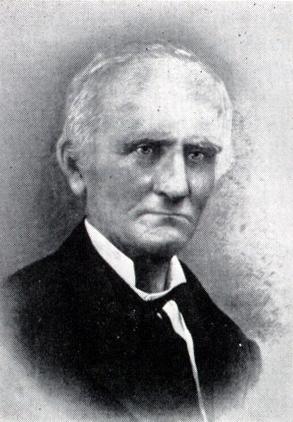
NCG-JonathanWorth

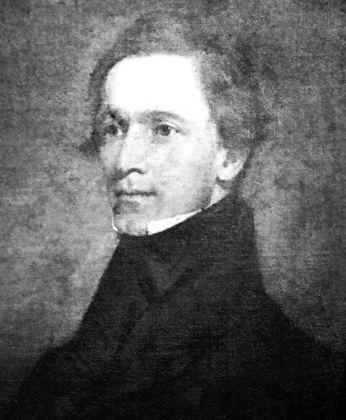
Jonathan Worth: Union man "for military resistance to Lincoln."

As of 150 years ago today North Carolina still had not seceded from the Union. In the aftermath of Fort Sumter and Lincoln’s call for volunteers, things weren’t looking too good to unionists like Jonathan Worth. In fact, it was even unsafe to admit you were pro-Union in North Carolina after Lincoln’s proclamation:

Jonathan Worth to Dr. C.W. Woolen

Asheboro, May 17, 1861

I am filled with horror at the condition of our country. According to my notions of Government, there is much that is wrong on both sides. The Abolitionists of the Free States ought not to have agitated the slavery question at all, even conceding that their feeling is right. It only tends to make the treatment of slaves more vigorous and to encourage bitterness between the two sections. When it was seized upon as a party question it was easy to see it must soon become sectional. …

I have always regarded the dissolution of the Union as the greatest misfortune which could befall the whole nation and the whole human race. Hence I have abhorred the agitation of the slavery question as tending to this result. Acting on that conviction I have used all the efforts in my power to stay what I regarded as the madness of both sections, and in the immediate sphere of my influence have impressed by views upon others. My immediate constituents sustained me with greater unanimity than did the constituents of any other representative. I was the first public man in the State to call on the people to vote down the Convention on the 28th Feb., on the ground that the calling of it would tend to a dissolution of the Union. Everybody attributed to me a larger share of the credit or discredit of defeating the call of a Convention than to any other man in the State. I regarded the result in N.C. and Tenn. as arresting the march of madness. Union men had gained strength up to the proclamation of Lincoln. If he had withdrawn the garrison of Fort Sumter on the principle of a military necessity and in obedience in what seemed to be the will of Congress in refusing to pass the force bill, this State and Tenn. and the other slave States which had not passed the ordinance of Secession, would have stood up for the Union. In the feverish state of the popular mind, if he be a man of good sense, he knew he would crush the Union men in the Slave States by the policy he adopted. All of us who had stood by the Union, felt that he had abandoned us and surrendered us to the tender mercies of Democracy & the Devil. He must have known that he was letting loose on us a torrent to which we could oppose no resistance.
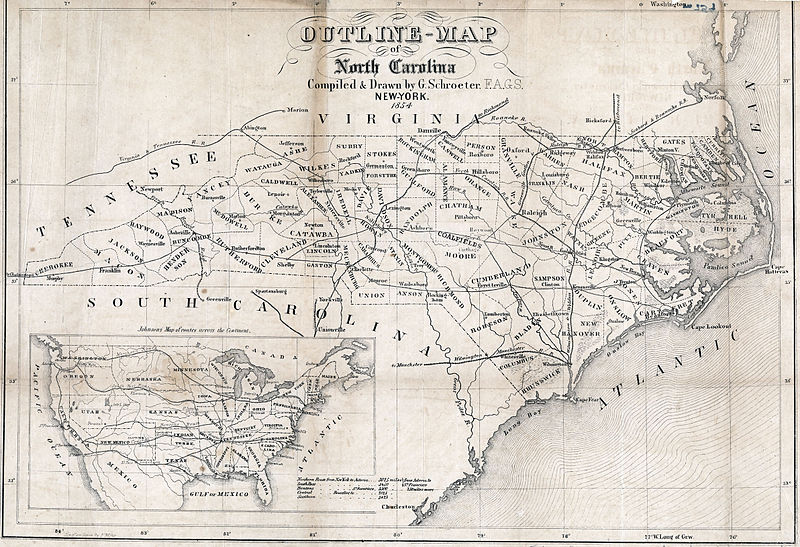
800px-Map_North_Carolina_roads_and_railroads_1854

1854 North Carolina map

It may be said, theoretically, that this should not have been the effect. Statesmen should have common sense. All sensible men knew it would be the effect. We are still at a loss to determine whether he is an old goose, as well as each of his advisers, thinking to preserve the Union by his course, or whether he became apprehensive that the Union men were about to gain strength enough in the South to stay Secession and he desired to drive us all into rebellion, in order to make a crusade against slavery and desolate our section. In the former case he is a fool: in the latter – a devil. He could have adopted no policy so effectual to destroy the Union. Since the issue of that great proclamation, it is unsafe for a union man in even N.C. to own he is for the Union. The feeling is to resist to the death. Union men feel that just as they had got so they could stand on their legs, Lincoln had heartlessly turned them over to the mercy of their enemies. We feel that his co-operation with Secessionists left us no alternative but to take arms against our neighbors, or to defend ourself against his aggression.

I am still a Union man, but for military resistance to Lincoln, believing that Lincoln and his cabinet have acted on their mistaken impression that their policy was the best for the preservation of the Union, and that they do not in tend to proclaim servile insurrection. If the latter is the design the South can be conquered only by extermination. If his purpose be, as he says, to respect property and discountenance rebellion or insurrection among our servile population, and our people become satisfied of this, many of our people will not willingly take arms.

I see no hope of any good and stable government except in the United government we are pulling down. It can not be united by war. If peace be immediately made,it will soon re-unite, with an anti-secession clause.

Write me again soon. The Quakers here will not believe your statements as to your Quakers volunteering and the floating of the Stars and Stripes over a Quaker Church.

From The Correspondence of Jonathan Worth.

Jonathan Worth served as North Carolina governor during Reconstruction.
Posted in 150 Years Ago This Week, After Fort Sumter | Tagged , | Leave a comment

“Beans kill more than bullets.”

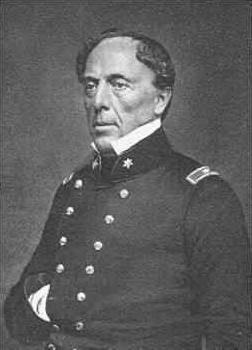
GenJBFloyd

Confederate General JB Floyd: his Order as US War Secretary led to scurvy

Scurvy in the Army

In addition to urging the government to procure its own bandages and vaccinate its soldiers against small pox, the editors at The New-York Times on May 17, 1861 urged the U.S. Army to improve the diet of its troops:

The Health of the Army.

… The late notorious Secretary of War, FLOYD, put forth, in 1859, the following humane General Order No. 3:

“1. Purchases by the Subsistence Department of ‘pickles,’ ‘sour kraut,’ ‘dried fruit,’ and ‘fresh vegetables,’ unless for the sick in hospital, are prohibited for the future.

2. Two ‘issues’ per week of ‘desiccated vegetables,’ may be made in lieu of ‘beans’ and ‘rice.’

3. When ‘fresh beef can be procured at 6 1/2 cents or less, per pound, net weight, it will be issued to the troops five times per week.”

“Of the disastrous effect of this General Order,” says the Medical Times, “we are furnished with an instance by a medical friend, who, in 1859, acted as medical officer to a large military command moving from Fort Leavenworth to Salt Lake. For 900 miles the troops were provided with no vegetable anti-scorbutic, except a few insipid desiccated vegetables. Scurvy began to show itself. Application was made for pickles to be issued to the men. The reply was, that the commissary had no pickles! ‘Buy them of the traders and sutlers,’ was the surgeon’s reply. The commissary answered, and as a military man, very properly, ‘Doctor, General Order No 3 forbids me to purchase them.’ The man were thus deprived of proper food, and scurvy was no, slow in manifesting itself. During the term of years, the statistics of which we have just quoted, the cost of maintaining our army amounted to fully seventy-five millions of dollars. Compared to the various rates paid for the transportation of everything in the remote wilds of the West, the economy evinced by General Order No. 3, of Match 4, 1859, was pitiful, scandalous, shameful, and inhuman, and stems as if intended for effect. We leave it to political journals to discuss ‘flour contracts,’ &c., but in the name of humanity we protest, as medical men, against such orders as that we copy.”

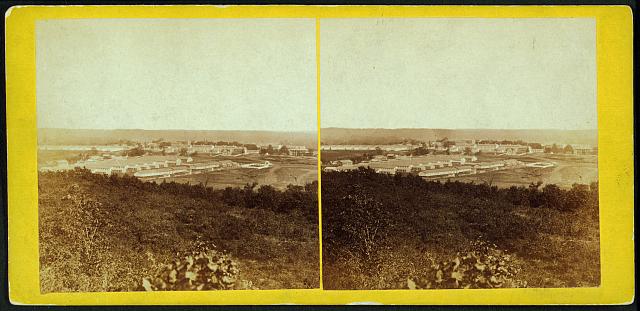
Fort Leavenworth 1869

Fort Leavenworth 1869 - scurvy on trek to Salt Lake (LOC - LC-DIG-stereo-1s00024)

How this regulation has worked, on a wider scale, may be seen from the Medical Statistics of the United States Army, just published. We are told there (page; 324) that, in five years, ending Dec. 31, 1859, out of an army of about 14,000 men, scattered over the country, there were two thousand eight hundred and three cases of scurvy!

We are credibly informed that, the Massachusetts Regiment, encamped in the Capitol at Washington, had, for the first ten days, not a single vegetable, and fresh meat but once! Such fare as this is a disgrace to our Commissariat. It may be necessary not to enjoin vegetables as a necessary ration, on account of the difficulty of transport, but certainly they should be allowed whenever they can be easily procured. Nothing has saved our men in Washington from scurvy but their own purchases of fruit.

This ought not to be. Men who have abandoned business and homes for the sake of defending the Government, should at least be fed as well as day-laborers.

Our mechanics and farmers are accustomed to good, nourishing fare. They do not, of course, ask for luxuries. They are willing to make sacrifices. But salt pork and hard bread, continued day after day, even with the occasional variety of a ham or a loaf of new bread, is not the kind of food to fight well on. We are aware that the Government has been caught, somewhat unprepared, by the rapidity with which the regiments have moved on Washington. It is not the present managers of the commissariat we would criticize, so much as the prescribed rations. Let the War bill include fresh vegetables as a ration, wherever they can be easily procured.

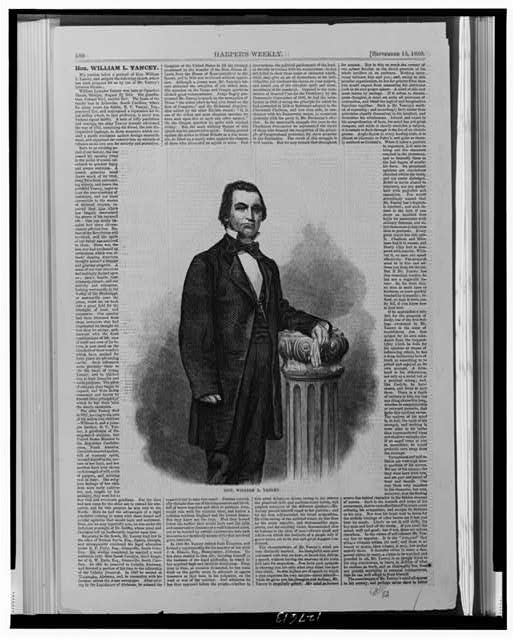
William Yancey

William L. Yancey's fire-eating a result of bad southern cooking? (Harper's 09-15-1860 LOC - LC-USZ62-127613)

Another great evil, which perhaps can be cured by new Army regulations, is the bad cookery. A military surgeon of the service has tersely said that, “Beans kill more than bullets.” We lay it down as a primary law, that no American by instinct knows anything about cooking; least of all an American man. It would be true of the whole country, that “bread kills more than bullets;” and, if this dreadful rebellion is ever traced by some future Buckle to a material cause, it will, very probably, be to the horrible Southern cooking, which had soured the temper, and disordered the brain of the men of the Slave States with a morose dyspepsia. The present cooking of the Army, whether of beans, bread or meat, is enough to turn them all traitors, or to do the work of the enemy at once without shot or blow.

Now, in the new regulations, as has been suggested by the medical authorities here, why not have in each company a professional employed cook, or pay one of the soldiers, who has truly learned the business for this extra labor, so that the constitutions of our soldiers might not be utterly impaired before they were fairly in battle. We believe this arrangement would save more lives and impart more vigor to our men than any other means of so simple a kind.

Good digestive and well-cooked food are even more necessary for a warrior than a man of peace? Half of the fearful diarrhoeas, dysenteries, choleras, and the like diseases, which are the worst enemies of the soldier, are either caused or stimulated by bad cookery If we had the French genius for cookery, we might trust to the common soldiers doing their own cooking; but we have not, and so must have recourse to education and a thorough training. Let, us have, then, professional army-cooks, who can also shoulder a musket when the emergency comes.

____________________________

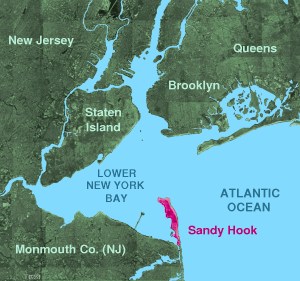
Wpdms_usgs_photo_sandy_hook

Takin' a row boat back to New York?

Was It the Cooking?

DESERTERS FROM SANDY HOOK.

SANDY HOOK, Thursday, May 16.

Three men from Company B of the New-York Zouaves, deserted from here last night, taking the news-boat belonging to the Associated Press with them. The oars of the boat were hid under the boat-house, where it was thought it would be impossible to find them, but, notwithstanding, the deserters managed to discover them.

Sandy Hook picture is licensed by Creative Commons

Posted in 150 Years Ago This Week, After Fort Sumter, Military Matters | Tagged , , | Leave a comment

Oh, To Be a Zouave!

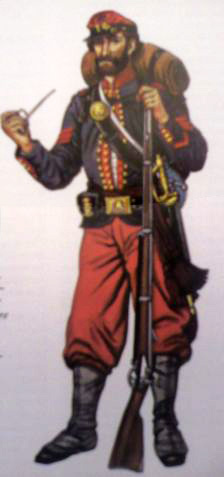
Brooklyn Zouave

Brooklyn (not Seneca Falls) Zouave with red, gray, and the cap

I found out yesterday that I was wrong to say that no Zouaves from Seneca Falls volunteered as a Zouave unit. 150 years ago this month they made their appearance at the great organizing and training encampment for New York state volunteers at Elmira.

From The Courier Seneca Falls, NY in May 1861:

From Elmira

The Elmira Daily Press of Wednesday says:
One of the finest companies that has yet arrived here is the Zouave company from Seneca Falls, Capt. GUION. They are drilled in red flannel pants, gray woolen shirts, and Algerine caps of the same color. They are generally large able-bodied men, and present a fine appearance. They paraded the streets yesterday to some extent, preceded by an excellent brass band.

And a different clipping in The Courier:

From Elmira

Camp Elmira, Zouave Barracks
May 15, 1861

FRIEND STOWELL. – Here we are all safe and sound, all well and happy, after a pleasant but slightly damp passage of about six hours.

We all felt sad enough at parting with the dear ones left behind us, but when the last farewell was spoken, and the cars swiftly carried us from our homes, the boys soon rallied and resolved to bear themselves as “bold soldier boys” should.

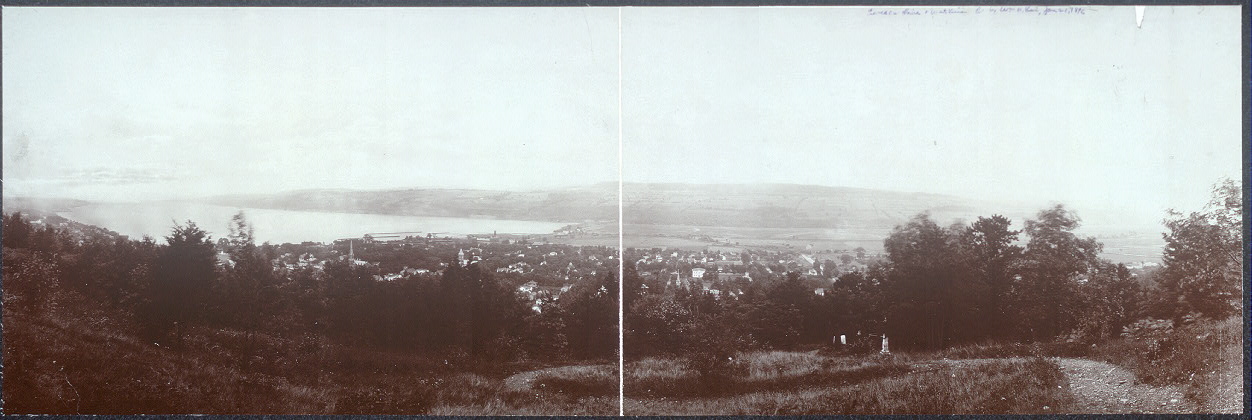
On the train with us was a company from Union Springs and also one from Watertown; crowds of people greeted us all along the route and cheered us on our way. At Geneva we met a Rochester company and taking the boat we steamed up the lake amid the ringing of bells, the cheers of the throng that lined the shore and the answering shout of the Zouaves.

Seneca Lake and Watkins

Where the Zouaves got off the boat - Watkins 1896 (LOC)

From Jefferson a special train brought us to Elmira where we arrived at nine o’clock and were immediately marched into a large Brick Storehouse in the heart of the city, which we still occupy.

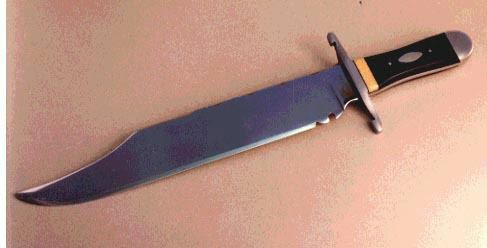
Arriving at an unexpected hour, no provision had been made for our suppers; but a huge cheese and a barrel of crackers were soon obtained, and the boys drawing their Bowie Knives made a desperate attack upon them, and the crackers and cheese vanished like dew before the sun.

Bowie_Knife_by_Tim_Lively_16

Bowie Knife: Beware, "Huge Cheese"

Each man was furnished with a “nate feather mattrass, all bustin with straw,” and spreading our blankets we turned in for the night.

At five in the morning we were all up and ready for — breakfast, which however we did not succeed in getting until nearly nine, but since then everything has gone off well, thanks to the untiring efforts of our officers, who have left nothing undone to secure the comfort and happiness of the men. We take our “rations” at the American Hotel, one of the finest in the city and have plenty to eat and drink, and everything of the best quality. All the reports you have heard at home about poor food and but little of it are stuff. One “Bill of Fare,” yesterday and to day was as follows:

Breakfast: Beefsteak, Ham, Potatoes, good Bread and Butter and a quart of coffee. Dinner: Roast Beef, Corned Beef, Fish and Vegetables of all kinds. Supper: Cold Meat, Hot Rolls, Bread and Butter and a quart of Coffee.

The boys are all in good spirits and are the proudest set of fellows in the city. We attract universal attention and can boast of being the largest company on the ground, the only company in uniform, and the only company that has butter on their bread.

Both of our Bands are still with us and we all parade the streets three times each day, receiving salutes and cheers at every turn. The Bands have been of great service to us and we are under great obligations to them for their kindly accompanying us. Every one praises the music, and the fine appearance of the Seneca Falls Zouaves.

There is some trouble about forming the regiment. One or two of the Captains want to run the whole thing, and there are as many candidates for office as one would expect to see at a political convention, but we shall be out of the fog in a day or two as the matter will probably be settled to day or to morrow.

The weather is splendid, the streets are filled with troops engaged in drilling, marching, &c., There are seven thousand troops here now, and more arriving every day. One or two regiments have camped out of town, and as soon as ours is full we shall go too.

I will keep you fully advised as to our movements, and all that transpires in Camp interesting to those at home.

Truly yours,

JMG

Well, lah-di-dah.
Things seem to be going great so far for this company. How are they going to do in the mud and the blood? They might be real brave for all I know. The author show tough equanimity by referring to the “slightly damp passage.”

I kinda gobbled this letter up, not only for the local color and delicious-sounding food. For example, it seems that bowie knives were a popular piece of equipment for some of the northern volunteers.

I had no idea the company would take a train the ten miles to Geneva, then get on the boat for a trip down Seneca Lake, then get back on a train for Elmira.

Not all the troops had it so good when they got to Elmira, but not all of them could eat at the American Hotel.

“Jefferson” was eventually renamed to Watkins Glen

The photo of the Bowie Knife is licensed by Creative Commons.

Posted in 150 Years Ago This Week, After Fort Sumter, Military Matters | Tagged , , , , , , | Leave a comment

Recalling Hartford

TimothyPickering

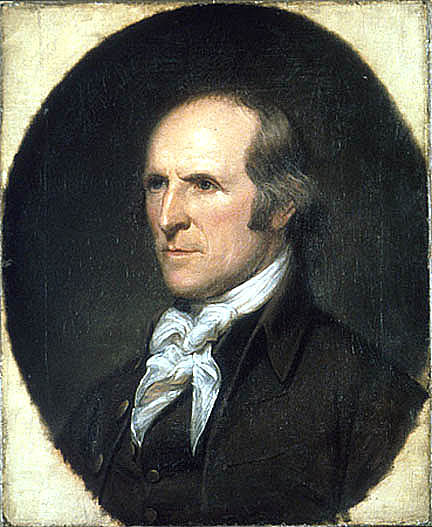
Model for Calhoun and Rhett? - Timothy Pickering (by Charles Willson Peale)

Richmond Newspaper Opposed to Secession – in 1814

From The New-York Times May 15, 1861:

Virginia on Secession in 1814.

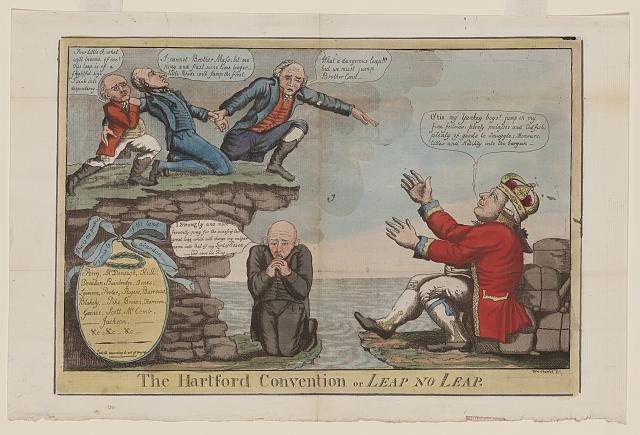
In 1814, the New-England people became dissatisfied with the conduct of public affairs, and in the celebrated Hartford Convention they took action which looked like asserting the right of secession. Whereupon the Richmond Enquirer, Nov. 1, 1814, said:

“No man, no association of men, no State nor set of States has a right to withdraw itself from this Union, of its own accord. The same power which knit us together can only unknit. The same formality which forged the links of the Union is necessary to dissolve it. The majority of States which form the Union must consent to the withdrawal of any one branch of it. Until that consent has been obtained, any attempt to dissolve the Union, or obstruct the efficiency of its constitutional laws, is treason-treason to all intents and purposes. Any other doctrine, such as that which has been lately held forth by the Federal Republican, that any one State may withdraw itself from the Union, is an abominable heresy — which strips its author of every possible pretension to the name or character of a Federalist.

Cartoon take on Hartford Convention

Pickering prays for secession while Mass leads RI and Conn over the edge (LOC - LC-DIG-ppmsca-10755)

We call, therefore, upon the Government of the Union to exert its energies when the season shall demand it, and seize the first traitor who shall spring out of the hot-bed of the Convention of Hartford. This illustrious Union, which has been cemented by the blood of our forefathers, the pride of America, and the wonder of the world, must not be tamely sacrificed to the heated brains or the aspiring hearts of a few malcontents. The Union must be saved when any one shall dare to assail it.

Countrymen of the East! we call upon you to keep a vigilant eye upon those wretched men who would plunge us into civil war and inevitable disgrace. Whatever, may be the temporary calamities which may assail us, let us swear upon the altar of our country to save the Union.”

This is just as good doctrine now as it was fifty years ago. The Enquirer, which uttered it, is now the leader of the rebellion which it then so justly and so forcibly denounced. But the result will show that the people stand by the Union now as they did when it was assailed by quasi treason in New-England.

Nice argument against disunion. The “the heated brains or the aspiring hearts of a few malcontents” reminds me of the fire-eaters of forty-plus years later.

Timothy Pickering was a Federalist who served as Secretary of State from 1795-1800. At the time of the Hartford Convention (which did not specifically call for secession) he was serving as a Representative from Massachusetts in the U.S. House. Pickering was a member of Essex Junto, which supported New England’s secession.

The Library of Congress describes the political cartoon in detail.

Posted in 150 Years Ago This Week, After Fort Sumter | Tagged , , , | 1 Comment

Pierre’s Where???

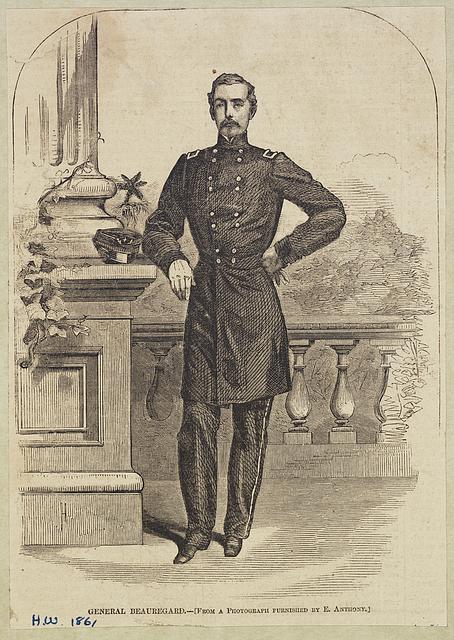
Pierre Gustave Toutant Beauregard

Alive to fight another day - PGT Beauregard (LOC - LC-DIG-ds-00120)

Grain of Salt Department

From The New-York Times May 14, 1861:

Where is Beauregard?

To the Editor of the New-York Times:

By referring to your file of the TIMES you will notice that after the battle of Fort Sumter the name of Gen. BEAUREGARD was rarely mentioned, and lately we have heard nothing of him. There is a rumor about that he was killed in the fight, and I know of one man who offers to bet a thousand dollars that it is true. I think there may be some truth in this report. C.E.W.

In common with the great mass of intelligent persons, we have always wondered how it was possible for the people of the Southern States to be so lamentably misled and deceived as to the real sentiments of the North. Our wonder ceases, when we see one or two newspapers in this City, in the face of evidence, and on the vaguest and most intangible rumors, convincing a large portion of the community that very great slaughter was committed upon the Southern troops in the attack upon Sumter.

This note about BEAUREGARD is a strong instance of the same delusion. If our correspondent will look back at the files of the TIMES, he will find that, during the action, Gen. BEAUREGARD was not in Fort Moultrie, nor any other fort; — he was in a house on the Battery, overlooking the scene, and entirely out of the range of shot and shell. He will find, moreover, a brief order issued by Gen. BEAUREGARD the day after the engagement, announcing the result; and he will find, also, a longer order, giving full details of the action, and bearing date April 27.

To our minds these facts afford satisfactory proof that he was not killed in the engagement referred to. With many, however, the wish is not only “father to the thought,” but it entirely overrides evidence of all kinds. Such persons will undoubtedly continue to believe in his death. But let them never complain hereafter of any opinion, which the South may form of us at the North.

I have to say this story reminds me of current [May 2011] events and the speculation that Osama bin Laden is not really dead and buried at sea.

Posted in 150 Years Ago This Week, After Fort Sumter | Tagged , | 3 Comments

Not Gonna Be Jeff Davis’ Chattels

539px-Reverdy_Johnson

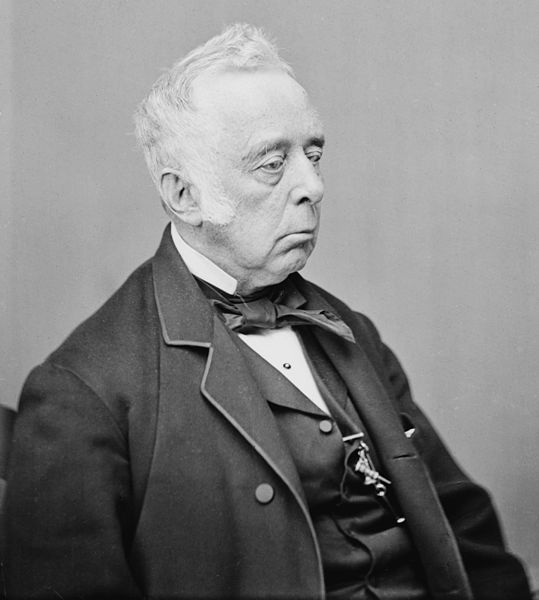
All fired up for the Union: Reverdy Johnson (LOC - LC-BH82- 29 B )

From The New-York Times May 13, 1861:

FROM KENTUCKY.; PLAIN AND SQUARE TALK FOR THE UNION AND THE GOVERNMENT KENTUCKY UNIONISTS GROWING BOLDER AND BOLDER LOYALTY TO THE UNION BEGINNING TO PREDOMINATE, NOT ONLY OVER SECESSION, BUT ALSO OVER “NEUTRALITY” MAGOFFIN FOR RETALIATION AND PRECIPITATION OF ARMED COLLISION ALONG THE BORDER.

Correspondence of the New-York Times.

LOUISVILLE, Thursday, May 9, 1861.

The spirit of REVERDY JOHNSON, of Maryland, and of ANDREW JOHNSON, of East Tennessee, is possessing and arousing some of the noblest sons of old Kentucky. Some of our most prominent men along the frontier and throughout the interior are beginning to speak out pointedly, boldly and decidedly for the Union, the Constitution and the Government. They intend to hold their own, and keep down secession in this State, if nothing more. If they shall need help from the Government for this object they will call for it, and perhaps they soon will, for the Secessionists, thanks to MAGOFFIN & Co., hold most all the arms and munitions. The Unionists of Kenton and other counties, knowing that companies of the “State Guard” in their localities are controlled by Secessionists, demand their disbandment.

3c32564r

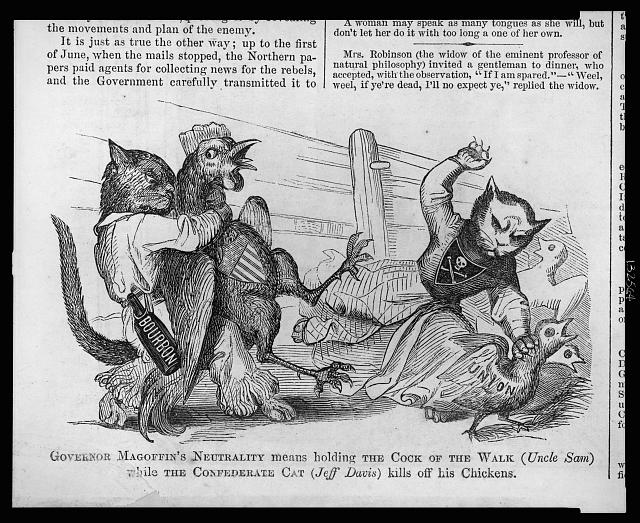
Magoffin (with Bourbon) in cahoots with cat Jeff Davis (Harper's 6-29-1861 LOC - LC-USZ62-132564)

All honor to the County of Kenton — the pioneer and banner county in the cause of the Union. It has set the Union ball in motion against secession, and against “neutrality” as well. Its citizens, on the 4th, resolved that they are opposed to any act of the Legislature which tends in any manner towards secession; that, whatever the Legislature may do, their loyalty to the Union is their first duty; that no appropriations for arming the State should be voted by the Legislature, so long as we have Secesionists in our midst, into whose hands most of the arms might fall; that, while true and loyal citizens of Kentucky, they are at the same time true and loyal citizens of the United States, and will forever maintain their allegiance to the United States Government and flag, “peaceably if we can, forcibly if we must”.

WCWhitakerACWseatedclose

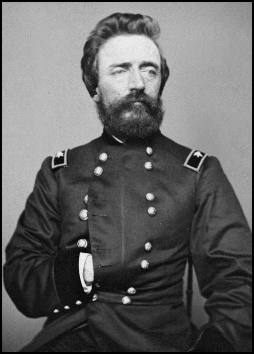
State senator Whitaker: Breckinridge is an "archtraitor"

Franklin County, too, is displaying the same spirit. The Frankfort Commonwealth, of yesterday, expresses the popular feeling of that County when it says: “Kentucky will never permit a rabid and fanatical majority to saddle her with secession, and bully her out of the Union as Virginia was saddled and bullied. Never; no, never. The Union men of Kentucky will not consent to being transferred to JEFF. DAVIS like so many chattels. Mind that. If any such attempt is made in this State it will be the signal for civil war, and the Union men will rise in their might and crush out and wipe out the last vestige of secessionist in Kentucky. On that we are determined. We are for the United States Government, and we don’t care a Continental anathema who knows it.” And so talk the people and their organ, the Lexington Observer, in the County of Fayette — the home of BRECKINRIDGE and JIM CLAY. And I notice, also, that Col. WALLACE, an associate editor and Frankfort correspondent of the Louisville Journal, in his letter of the 7th, writes: “No man can be so insane now as to assert that our State can be precipitated into secession without bringing on a conflict here on our own soil, of Kentuckians against Kentuckians. To-morrow, 100,000 Kentuckians would proclaim for the Union as it is, without an if or a proviso.”

3b01568r

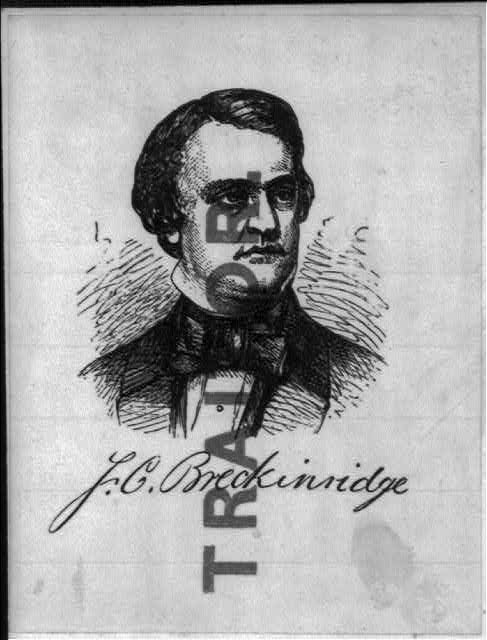
Stamped "Traitor" - J.C. Breckinridge (Civil War Union envelope LOC - LC-USZ62-53598)

I am satisfied from the tone of the Governor’s Message that he will do nothing to prevent a border war, and, if it comes, will charge it upon our neighbors. According to him, “they furnish the cause of irritation from which collision is to be apprehended.” He lauds our citizens for “abstaining from any acts of retaliation, in the face of flagrant violations of our rights. It will be impossible to restrain retaliatory measures, and to prevent the early precipitation of armed collis[ion?] -along our whose borders, unless effective measures are taken to remove the increasing provocation.” I strongly suspect that he “assumed the responsibility of appointing agents to purchase arms” for the express purpose of precipitating armed collision with the Government troops concentrating at Cairo. He and JOHN C. BRECKINRIDGE, — “the archtraitor,” as Senator WHITTAKER styles him, — ought to be arrested, arraigned and punished for high treason. They will be, one of these days, if they don’t look out how they behave themselves. PONTIAC.

From the Wikipedia article about Walter C. Whitaker: “While in the state senate, Whitaker proposed the resolution that set Kentucky on the side of the Union, ending the state’s brief period of neutrality in the war”
He would have a big role in the war as a Union officer.

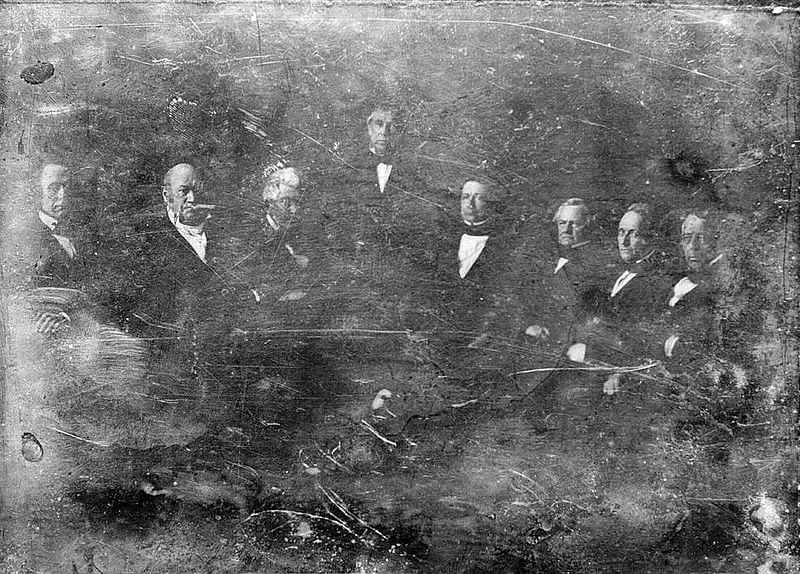
Reverdy Johnson was a lawyer who served as Attorney General in the Zachary Taylor administration. Also according to Wikipedia:

A conservative Democrat, he supported Stephen A. Douglas in the presidential election of 1860. He represented the slave-owning defendant in the famous 1857 case Dred Scott v. Sandford. He was personally opposed to slavery and was a key figure in the effort to keep Maryland from seceding from the Union during the American Civil War.

800px-The_Taylor_Administration

Taylor's cabinet - Reverdy on the far right (1849 photo)

Posted in 150 Years Ago This Week, After Fort Sumter | Tagged , , , , | Leave a comment

Mary Risks Maryland

Mary Todd Lincoln 1861

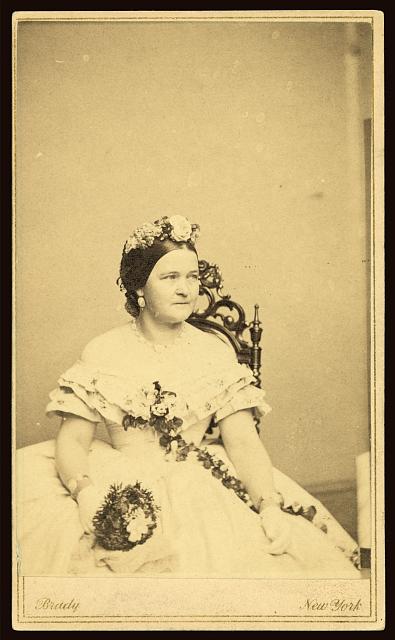
Harvard-bound (1861 photo (LOC - LC-DIG-ppmsca-19219)

And, “Hunger Is the Best Sauce”

Apparently Mrs. Lincoln is going to visit Robert Todd at Harvard. Here’s a story about her trip from the White House to Astor House.

From The New-York Times May 12, 1861:

FROM WASHINGTON TO NEW-YORK.; ARRIVAL OF MRS PRESIDENT LINCOLN–COL. ANDERSON–INCIDENTS OF THE TRIP …

Mrs. LINCOLN, wife of the President of the United States, with her sister and niece, arrived in town yesterday morning, and the party are stopping at the Astor House. Col. (late Major) ANDERSON escorted the ladies from Washington, whence they came by the 10 1/2 A.M. train, Friday, as far as Philadelphia, and SIMEON DEAPER, Esq., conducted them during the remainder of the journey to this City. Mrs. LINCOLN has come North mainly to visit her son ROBERT, who is at college.

MajorRobertAnderson01

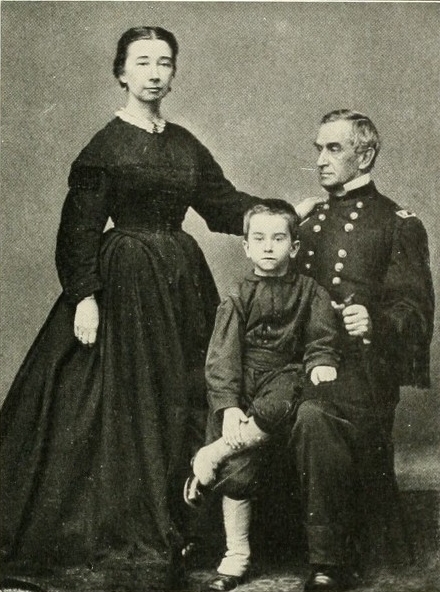
Kentucky-bound to organize Union troops (photo with family unknown date)

Col. ANDERSON has accepted the leadership of the brave men of Kentucky who have rallied in defence of the Union. He will hasten to his command, and perfect its organization, after which it will report to the Government for service.

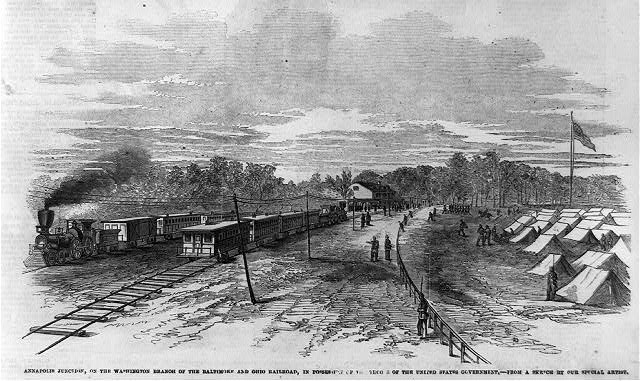
On the trip from Washington to Annapolis, thence on the boat to Perryville, and all the way to Philadelphia, the distinguished company received at every stopping-place abundant evidence of the esteem in which they are held by loyal and true-hearted Americans. The news of their approach spread from station to station, and the troops which line the route, as well as large numbers of citizens, awaited their coming, and greeted them with deafening cheers of welcome. Of course the gallant hero of Fort Sumter was the principal cause of the ovation, and he acknowledged the compliment by presenting himself at the car window, not infrequently addressing the soldiers briefly with reference to the duty which had called them to arms. It took nine hours to make the journey from Washington to Philadelphia, and the ladies being too fatigued to push on to New-York by the “owl train,” which arrived here at 4 1/2 A.M., the entire party passed the night in the City of Brotherly Love.

Annapolis Junction 1861

At the junction, Annapolis Junction - under federal control(Frank Leslie's 06-01-1861 LOC - LC-USZ62-90547)

The passengers from Washington had an excellent opportunity of witnessing some of the hardships and inconveniences which our volunteers contend with. The Fifth Regiment of New Jersey protects the railroad from the Capital to Annapolis Junction, and the Fifth of New-York, (Col. SCHWARZWAELDER’s regiment,) from the latter place to the City of Annapolis. Stations are erected for the troops at average intervals of a mile apart, — a convenient barn usually affording them shelter, and on such a rainy, raw and chilly day as Fiiday, the poverty of these quarters was made painfully apparent. The sentinels looked dismal enough, as crouched in their wet overcoats they wearily paced the railroad track. But the damp weather was insufficient, apparently, to dampen the enthusiasm of the men “off guard,” who stifled every feeling of commiseration which might have arisen for their discomfort, by the rollicking good humor which so prominently characterizes them. No better exemplification either, of the adage that “hunger is the best sauce,” could have been afforded, than by the avidity with which the troops seized the meat and stores furnished for the day’s subsistence. The provisions are dealt out from the regimental head-quarters, and distributed at every station by the cars, which merely slacken their speed sufficiently to allow of the rations being thrown out to the expectant cooks. Down they go, splash into the mud, and no amount of washing can possibly cleanse them of the gravel and dirt. Nevertheless, this mud grimed meat, which ordinarily would be too disgusting to eat, is partaken of with hearty relish when the man has been metamorphosed into the soldier, and the fact shows how human nature adapts itself to circumstances. …

The rest of The Times story includes spies at the Naval Academy grounds and an attack near Fort Madison by 25 Maryland secessionists. Apparently there was enough federal control along the railroad and Chesapeake Bay for Mary to take the trip. Also, Mary was pretty fiery and she was going to see her son. The Chesapeake detour around Baltimore might have been a nice boat trip, but it seems that early May 1861 on the north-eastern seaboard was cold and damp. I think it even snowed places around May 3rd.

This Times article seems to line up with what Wikipedia says about the post-Sumter career (in 1861 at least) of Robert Anderson:

Anderson then went on a highly-successful recruiting tour of the North. His next assignment placed him in another sensitive political position, commander of the Department of Kentucky (subsequently renamed the Department of the Cumberland), in a border state that had officially declared neutrality between the warring parties. He served in that position from May 28, 1861, until failing health required his replacement, by Brig. Gen. William T. Sherman, on October 6, 1861.

Posted in 150 Years Ago This Week, After Fort Sumter, Military Matters | Tagged , , , | Leave a comment

Secede from My Congregation!

Apparently in preparation for the First Wheeling Convention a fast day was held in Wheeling, Virginia.

From the May 10, 1861 issue of The New-York Times:

PATRIOTIC FAST DAY IN WHEELING.

WHEELING, Thursday, May 9.

To-day was strictly observed as a Fast day here. Patriotic sermons were delivered in nine out of the twelve churches. The Methodist Church pulpit was decorated with the Stars and Stripes. Rev. Mr. SMITH delivered an address worthy of BEECHER. He said he would hold no fellowship with traitors. If there was a Secessionist in his congregation he wanted him to leave. Other ministers prayed that the rebels might be subdued or wiped from the face of the earth.

One company was sworn into the United States service to-day; some others will be tomorrow.

Posted in 150 Years Ago This Week, After Fort Sumter | Tagged | Leave a comment

Cock(e)s Crow

Philip_St._George_Cocke_1850s

Philip St. George Cocke (1850s - VMI Archives)

The New-York Times of May 9, 1861 continues its war of words by brashly putting down General Cocke and his brash words:

A Cocke in Search of a Fight. …

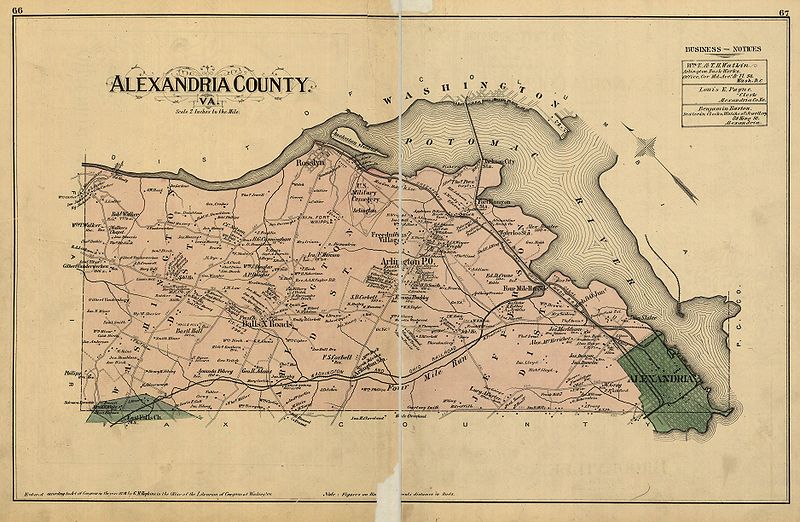
Brig. Gen. COCKE (we never saw Gen. COCKE. We never heard of him. We didn’t know there was such a man in existence. What his birth-piece or lineage may be, we cannot tell. Whether he is of plebeian origin or an F.F.V., we have not the slightest idea. That he is a Brigadier-General, and at the present speaking hails from Virginia, seems to be a fixed fact. At all events we shall enter into no controversy on the subject, assuming the truth to be as stated. That he commands the “Military troops and defences on the Potomac border of Virginia,” we shall take for granted according to his own showing.)

Brig.-Gen COCKE. (What particular breed of birds this COCKE may be of, we are totally unable to state. Whether he belongs to the English pheasant, the Irish grey, or the Mexican chicken, or neither, we have no knowledge whatever. Indeed, we are by no means certain that he belongs to the genus game-cock at all. From his crow we are led to entertain doubts on this subject. It is too harsh and coarse; it lacks the clear, metallic, ringing sound of your true game fowl. It is more like the roar of the Shanghai or the growl of the Chittagong. Then, too, it has the deep guttural of the Burham pooter mingled with the hoarse cackle of the Dorking. Still, he may be game for all that. We do not say he is not. All we venture to assert is, that notwithstanding the magnificence of his strut, he does not crow altogether like your quietly courageous and moderately brave game fowl.)

800px-1878_Alexandria_County_Virginia

Cocke's Command: Arlington (née
Alexandria) County 1878

Brig.-Gen. COCKE, (what queer names they do put in commission down South, as if they were intended to frighten us “shoemakers and greasy operatives” here at the North, by the terror of the names they give their great men. Here is a general whose very cognomen is suggestive of pluck, bravery, endurance, a fight-till-you-die perseverance that delights in nothing so much as broken heads, broken necks and backs, of cutting and slashing, wounding, maiming and killing, in all sorts of ways exceedingly shocking to the nerves of timid people.)

Brig.-Gen. COCKE, (here we go off in parenthesis again, but we can’t help it. When Brigadler-Generals, especially if their name is COCKE, issue pronunciamientos and proclamations to “brave Virginians,” who are called upon to protect their native soil, to go in to the death in “preventing the desecration of the tomb of WASHINGTON by hordes of Northern foes,” something, we submit, has get to be done. The world must be notified of the prodigious fact, that Brig.-Gen. COCKE is out with his spurs sharpened, his comb shaved and his feathers trimmed for a fight, and unless due caution be observed, somebody will be hurt.)

Brig.-Gen. COCKE, (this parenthesis will be the death of us, we know it will; but we should like to be informed whether he holds his rank under Virginia, or the C.S.A., for when you come to hang a general for treason, it is a pleasant thing to know who signed hiscommission.)

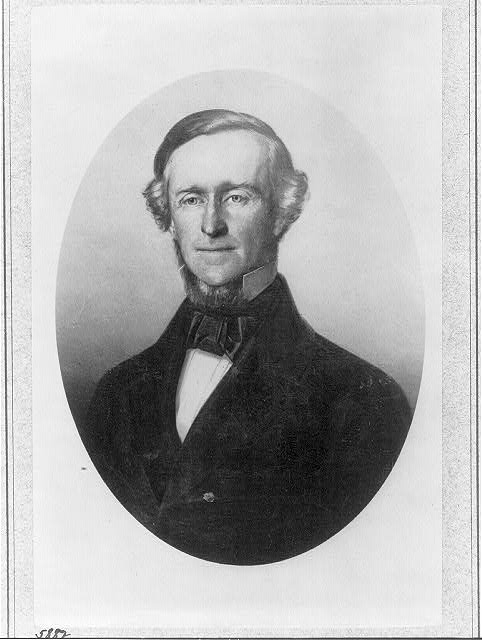
Philip St. George Cocke

Cocke, another defender of Washington's grave (LOC - LC-USZ62-48264)

Brig.-Gen. COCKE has issued a proclamation. He is to “take position in front of Washington,” how near or how far off does not appear. But it is to be directly in front, right before that front which looks over into Virginia, with a clear course behind him and plenty of room, so that if discretion shall be more judicious than valor, Gen. COCKE can run for it. But there is comfort as well as terror in the General’s proclamation. He says, “The Capital has never been threatened by us. It is not now threatened. It is beyond and outside of the limits of the free and sovereign State of Virginia.” Thank God for that. Unless somebody steals the Capital and carries it down within the limits of the “free and sovereign States,” it will be for the present safe. So long as it remains on the north side of the Potomac, Brig.-Gen. COCKE (Caesar! what a plebeian name for a Virginia general!) will only crow in front of it.

But, says the General, “The North has not openly, and according to the usage of civilized nations, declared war on us. We shall make no war on them.” Comforting again. So long as we don’t declare war against Virginia we shall be safe. Her legions won’t invade, nor her armies tramp over us. We can eat our bread in peace. Hear Brig.-Gen. COCKE again: “But should the soil of Virginia or the grave of WASHINGTON be polluted by the tread of a single man in arms from north of the Potomac, it will cause open war!” Hear that and tremble, ye “shoemakers and greasy operatives” of the North. Hear that, ye John Browns, who, with your seventeen white men and five negroes, sent an ague chill of terror thrilling through all the nerves of Virginia. Hear it, ye nineteen millions of free and loyal men of the North, and let your hearts quake and your knees smite together with fear. One footprint of a Northern man “on the soil of Virginia,” and Brig.-Gen. COCKE, who has taken “position in front of Washington,” will be down upon you like a torrent from the mountain, — like an avalanche from the Alps, — like an eagle in his stoop. …

There is another editorial in the sames issue of The Times that criticizes the whole idea of Virginia seceding and joining the likes of South Carolina: “the verriest bantam of the secession brood, to flap its puny wings and crow so defiantly, is one of the jokes of the age.” The editorial bashes the words of Cocke, Letcher, Pickens, and Jeff. Davis. This is the proclamation of General Cocke that all the fuss is about:

“The Capital has never been threatened by us. It is not now threatened. It is beyond and outside the limits of the free and sovereign State of Virginia. The North has not openly, and according to the usage of civilized nations, declared war on us. We make no war on them — but should the soil of Virginia, or the grave of WASHINGTON, be polluted by the tread of a single man in arms from north of the Potomac, it will cause open war.”

The Times makes the point that there will definitely be war because the federal troops are definitely going to take Arlington Heights because the place commands the federal capital. And this is in no way coercive because Virginia ceded Arlington when Washington, D.C. was created. It was only given back to Virginia in 1846-1847.

In addition to organizing Virginia’s defenses along the Potomac Philip St. George Cocke led troops at Blackburn’s Ford and First Bull Run. He committed suicide in December 1861.

Posted in 150 Years Ago This Week, After Fort Sumter, Military Matters | Tagged , | Leave a comment

The Natives Are Restless

788px-American_progress

"American Progress" by John Gast (circa 1872) - the natives are fleeing, and Columbia's even stringing the telegraph wire

Plans are being made to complete a transcontinental telegraph line, but for now the Pony Express still runs. Apparently the Indians in Northern California didn’t get the memo on Manifest Destiny.

From The New-York Times May 6, 1861:

LATER FROM THE PACIFIC.; Arrival of the Overland Express …An Indian Battle.

FORT KEARNEY, Saturday, May 4.

The Pony Express passed here this morning, with the following summary of news:

SAN FRANCISCO, Wednesday, April 24. …

Accounts of Indian disturbances in Humboldt and other northern counties are again becoming frequent, and there seems to be an organized effort making to kill off troublesome savages.

Westward_the_Course_of_Empire

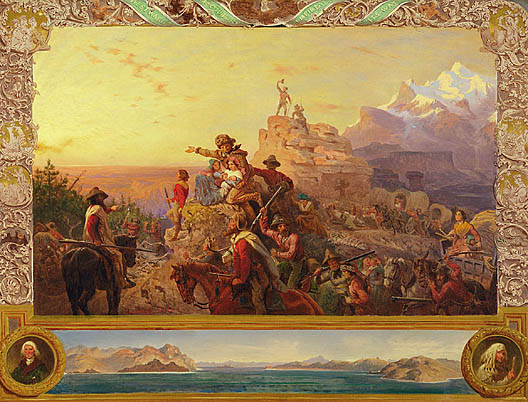
"Westward the Course of Empire takes its Way" by Emanuel Leutze 1861

The Humboldt Times of the 20th says that on Sunday April 14th, Lieut. COLLINS, with twenty-three men, attacked a ranche of Indians, and in a brief but brisk fight killed twenty and wounded three others.

Next morning an attack was made by Lieut. COLLINS on a large village, when five Indians were killed and three badly wounded. The number of warriors in this ranchero was estimated at nearly 150, but they fled after the first charge, leaving the troops in possession.

The Cresent City Herald in commenting upon Indian troubles, says: From a feeling now so generally prevalent among the inhabitants of that section of Humboldt Bay, we apprehend, that but few, if any, Indians will be left in consequence of late and present difficulties. They are an intolerable nuisance in any community, and should be kept strictly upon the reservations allotted to them.

514px-John_G._Downey

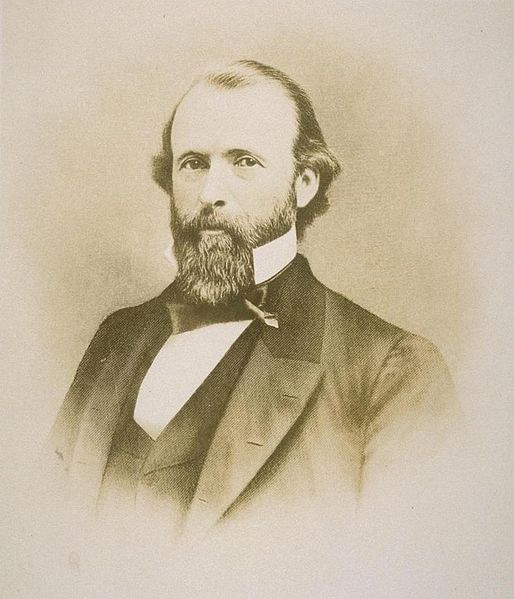
Governor John G. Downey

As an evidence of further hostile movements the Humboldt Times states that 30 volunteers for which Gen. JOHNSON made a requisition on Gov. DOWNEY, to be enrolled for a term of three years to act as guides, were mustered into the service of the United States, Wednesday, April 15, at Humboldt. They are first rate for the service, being experienced mountaineers. Families are living within the district of the counties Infested by the hostile Indians. The campaign is now assuming a shape which must result in good.

Capt. C.S. LOVELL, commanding Forts Humboldt and Gaston, and Camp Bragg, have already, or soon will take the field with twenty volunteers, which will constitute rather a formidable force.

Lieut. COLLINS, with a detachment of regulars, is now in the vicinity of Van Dusen Fork, a tributary of Eel River.

Lieut. DILLON, from Camp Bragg, is probably before this time on the South Fork of Eel River, with a detachment of troops.

Before many days, a detachment of troops from Capt. UNDERWOOD’s command at Fort Gaston, will be in the vicinity of Upper Red Wood Creek and Upper Mad River. Ten of the volunteers will leave Fort Humboldt to join Capt. UNDERWOOD’s command, on Monday. Others will join Lieut. COLLINS, and if it is found necessary, ten of them will be sent to Lieut. GILLON.

You can read a report by Lieutenant Joseph B. Collins on his May and June 1861 operations against the Indians at Simmons Games.

Wikipedia has an article about Manifest Destiny.

Fort Bragg is still a city in California. It was established specifically to control the native-American population. It was named after Braxton Bragg, who I’m pretty sure is still commanding the troops in Pensacola 150 years ago today.

It is said at Telegraph-History that the actual work of joining the California and Eastern U.S. telegraph wires began on May 27, 1861. The work would be completed in October. The Pony Express would become obsolete. The next image is definitely not in northern California, but it seems to relate to today’s article.

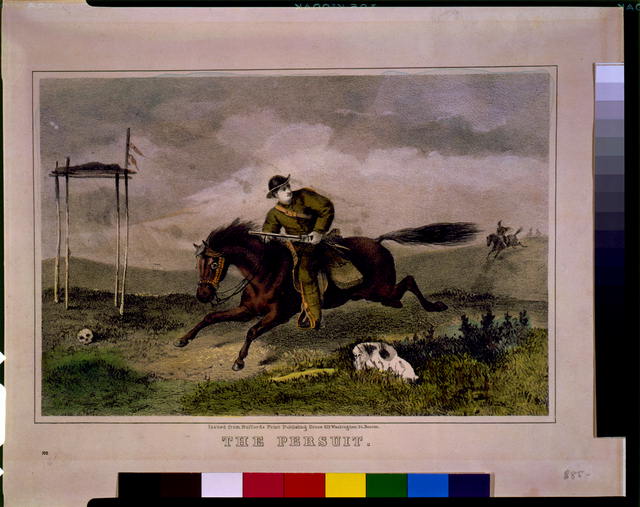
Man from the Pony Express, on horseback, fleeing from Indians, on Indian burial grounds." (LOC - LC-USZC4-2458; Bufford's Print Publishing House, Boston ca. 1860s)

Man from the Pony Express, on horseback, fleeing from Indians, on Indian burial grounds. (LOC - LC-USZC4-2458; Bufford's Print Publishing House, Boston ca. 1860s)

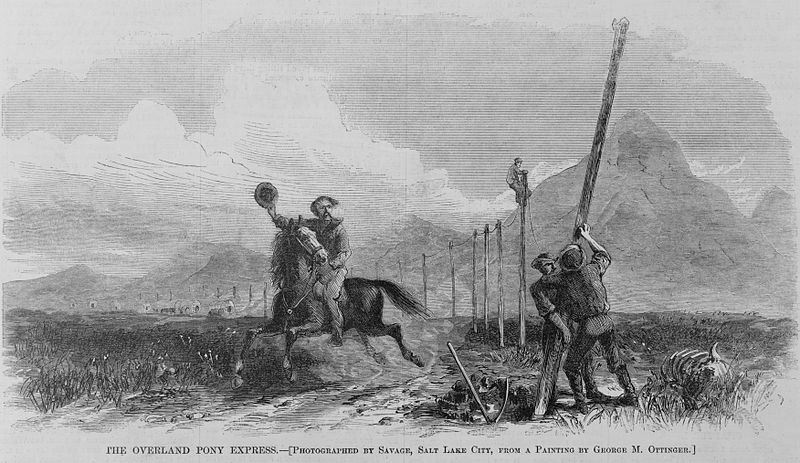
This next image would probably more timely a couple months from now.

800px-The_Overland_Pony_Express

Pony Rider and his replacement (LOC - LC-USZ62-127508)

Posted in 150 Years Ago This Week | Tagged , , , , , | Leave a comment