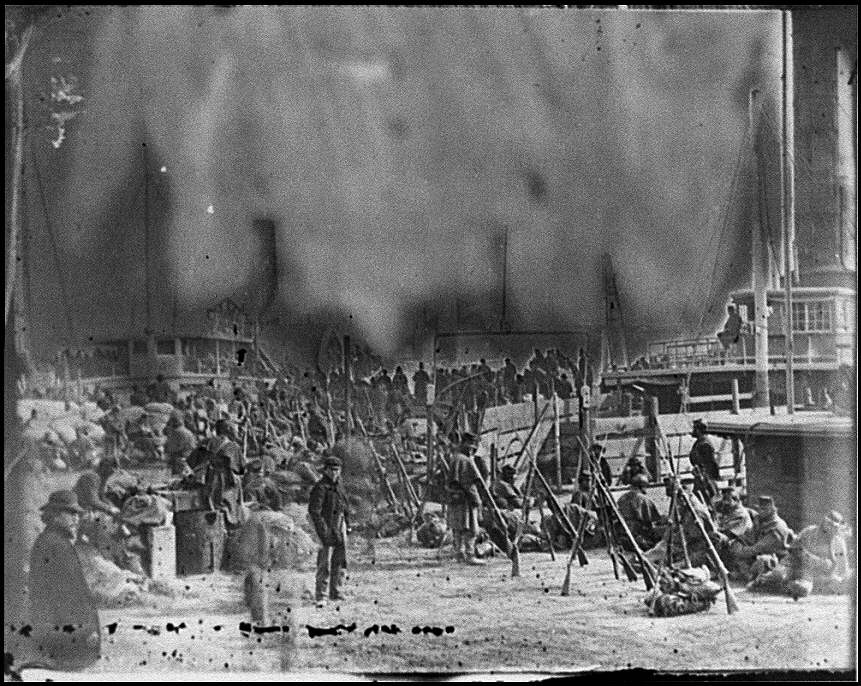
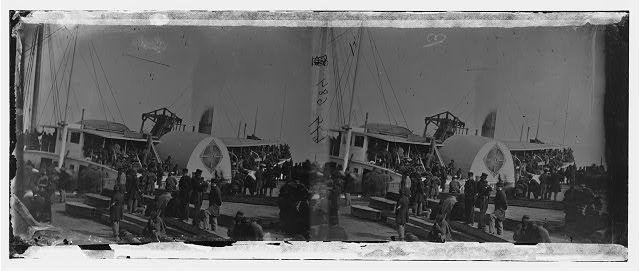
The Union IX Corps left the Army of the Potomac in February, 1863. It would eventually make its way to Vicksburg in June to support the siege.
Here’s a couple photos of its departure at Aquia Creek:
And what it left behind near Falmouth, Virginia:
![Abandoned camp of 9th Army Corps near Falmouth, Va., February, 1863 (photographed 1863, [printed between 1880 and 1889]; LOC: LC-DIG-ppmsca-33102)](https://www.bluegrayreview.com/wp-content/uploads/2013/02/33102r.jpg)
![Abandoned camp of 9th Army Corps near Falmouth, Va., February, 1863 (photographed 1863, [printed between 1880 and 1889]; LOC: LC-DIG-ppmsca-33103)](https://www.bluegrayreview.com/wp-content/uploads/2013/02/33103r.jpg)
The Union IX Corps left the Army of the Potomac in February, 1863. It would eventually make its way to Vicksburg in June to support the siege.
Here’s a couple photos of its departure at Aquia Creek:
And what it left behind near Falmouth, Virginia:
utopia on the (1861) homefront
From the Richmond Daily Dispatch February 27, 1863:
A solemn warning to wives.
–A correspondent of the Selma Reporter relates a story which should serve as a solemn warning to the wives of soldiers. He says a few weeks ago a soldier was tried and convicted of the crime of desertion, and sentenced to be shot. The day for the execution arrived, and at the appointed hour this brave man, who had fought many battles and endured every kind of hardship, fell a bloody corpse at the hands of his comrades. Upon inquiry it was ascertained he was as true as steel to our cause, and that it was on account of his wife that he deserted. He received a letter from her full of complaints. Looking alone upon the dark side of the picture, she had magnified her troubles and sufferings, and earnestly entreated her husband to return home. He became restless, discontented, unhappy. He ceased to make any interest in the discharge of his military duties, and thought only of how he could get home. His solemn oath never to desert troubled him much, and he well knew the crime of desertion had become so frequent in the army it would be punished with death. In this state of perplexity he drew his wife’s letter from his bosom and read it again, and, shutting his eyes to the consequences, in deserted? [he deserted,?] and for this crime he suffered a bloody and ignominious death. His wife, now a widow, know[s] no peace of mind, but is constantly haunted with the thought that her exaggerated representations of her trials and sufferings caused her husband’s death. Let this case be a lesson to all wives and mothers. When you write to the soldier speak words of encouragement; cheer their hearts; fire their souls, and arouse their patriotism. Say nothing that will embitter their thoughts, or swerve them from the path of patriotic duty.
You can read a good overview of Civil War desertion at etymonline.com:
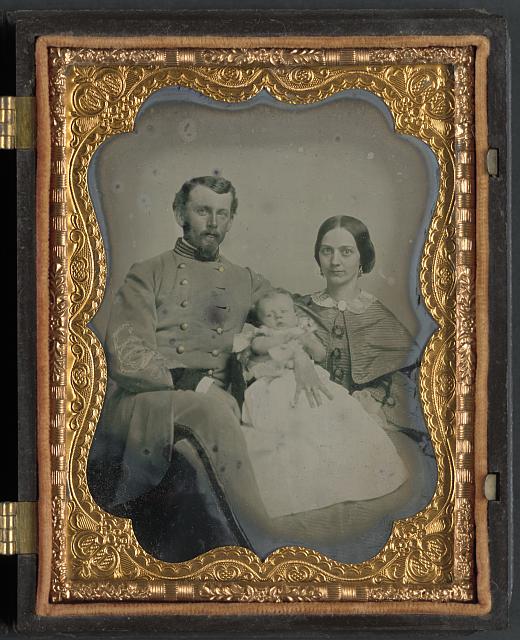
“Perhaps the most important reasons for Confederate desertion was the tug of home,” [Reid] Mitchell writes [in The Vacant Chair]. There’s an important study by Drew Gilpin Faust about Confederate women, that concludes the war was lost when they finally decided the men were needed at home more than independence was needed. Sickness, malnutrition, and invading Yankee armies closed in on the South, and the women called the men home.
what am I fighting for?
Actions speak louder than “animus”
One of the weaknesses of the Confederate conscription acts is said to have been widely abused exemptions. Here a Confederate judge decided against two native Virginians who claimed exemption on the ground that they were domiciled in Washington, D.C. when the war began. It seems their case was greatly weakened by the fact that they volunteered for Confederate service just after Fort Sumter and served for over a year.
From the Richmond Daily Dispatch February 25, 1863:
A Legal opinion of the Conscript act — highly important decision.
A habeas corpus case, involving more questions of general interest than any which has yet been brought before the country, was decided by Judge Meredith yesterday, after elaborate and protracted argument. It involves the right of the Government to the military services of a large number of able-bodied residents of the Confederacy, between the ages of eighteen and forty, who have heretofore been considered as exempt from military duty. The facts are briefly as follows:
William and Charles P. Harman at the commencement of the existing war were living in the District of Columbia with their father, who had in the year 1855 removed from Alexandria to Washington, in consequence of having received an appointment of clerk in one of the departments of Government. His sons were born in Virginia, and at the commencement of the war one was of age and the other a minor. In April or May, 1861, both of them enlisted in a volunteer company, and entered the military service of the Confederate States. They served for twelve months and ninety days, and then claimed their discharge upon the ground of [not?] being of the Confederate States. The validity of their claim was conceded by Col. Taliaferro, the enrolling officer for the Ch[a]rlottesville district, and they were furnished with exemption papers. They were, however, subsequently arrested by order of the Colonel of the regiment in which they had served, and held to military service under the conscript act of April 16, 1862.
The petitioners appealed for and obtained writs of habeas corpus for the purpose of ascertaining whether they were liable to military duty as “residents” of the Confederacy. In the hearing of the case, before Judge Meredith, Hon. Shelton F. Leake appeared for the petitioners, and made use of the various points bearing upon the case, to procure their discharge. P. H. Aylett, E[s]q., Confederate States District Attorney, appeared for the War Department, and resisted the application for the discharge of the petitioners. The argument on both sides was able and elaborate.
Judge M[e]redith delivered a long and able opinion, in which he sustained with much force and learning the points made by the counsel for the Government. He decided that the removal of the petitioners’ father to Washington to accept a clerkship in the Post-Office Department had not changed the domicil either of the father or of his family, as the office was one revocable at the will of the appointing power, and that the residence of the petitioners there was from “necessity,” arising from the authority of the father. He also decided that, admitting the father of the petitioners to have acquired a domicil in Washington, the petitioners, as native-born Virginians, had, at the commencement of the war, an undoubted right to resume their native citizenship, and that by returning to the domicil of their origin, and by taking up arms to fight our battles, they had furnished the highest and most conclusive evidence of their voluntary resumption of their rights as citizens of Virginia — Against such acts as these the Judge said that more declarations of the animus of the petitioners should not be permitted to weigh.
Judge Mer[e]dith commented on and sustained the point (made by Mr. Aylett) that the domicil of the soldier was that of the country in whose service he was enlisted. Nothing, he said, could be clearer than that by entering the military service you acquire a domicil. He cited and commented upon a large number of interesting decisions in England, France, Germany, and America, to show that no principle of law was more clearly established than the one contended for by the counsel for the Government, and expressed the opinion that every citizen of Maryland and every foreigner who had once enlisted in our armies, it mattered not for how brief a period, was a fit subject for conscription, if between the ages of eighteen and forty, and he expressed the hope that the War Department would at once all persons thus liable.
The language of this Conscript act, the learned Judge said, was exceedingly broad. It evidently contemplated the conscription of all “residents” in the Confederate States between the specified years. Whether they were residents in pursuit of pleasure, money, or what not, they were clearly liable, under the broad language of the act, and should be conscribed. The Judge also decided that the War Department could disregard all exemptions which had been given by enrolling officers where they had been improperly given. The petitioners, he decided, were not held at this time in custody of the proper official, and were therefore entitled to their discharge; but it was strictly legitimate and proper for the proper enrolling officer for the Albmarie district to enroll them as conscripts, and make the proper disposal of them under the provisions of the Conscript act of 16th April, 1862.
It is understood that no appeal will be taken from this important decision, and the action of the War Department and of the numerous enrolling officers will doubtless conform to it.
And appeal options were limited. Although the Confederate constitution allowed for a Supreme Court, it was never set up because of the “ongoing war and resistance from states-rights advocates, particularly on the question of whether it would have appellate jurisdiction over the state courts”.
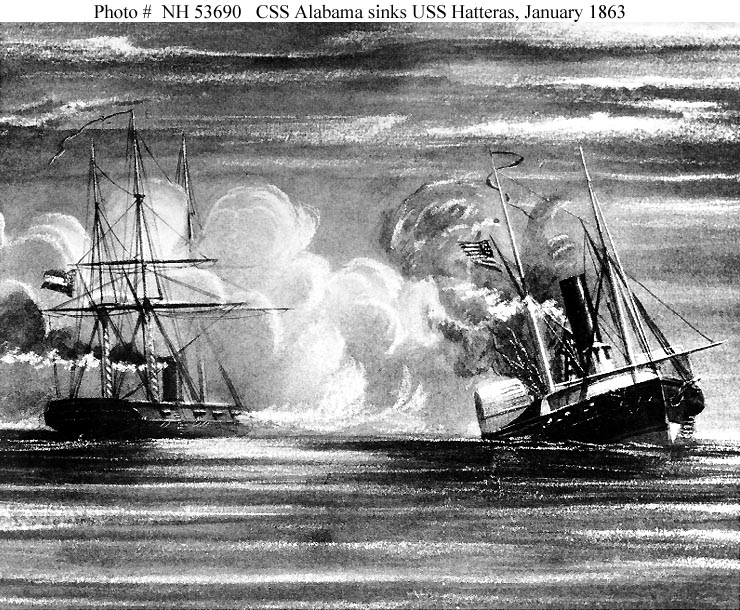
CSS Alabama sinks USS Hatteras January 11, 1863
I missed this as I was combing through the Seneca County, New York newspaper clippings from 1863:
We are rejoiced to learn of the safety of our young friend John Arnett, who was known to have been on board the gunboat Hatteras when she engagedthe rebel steamer Alabama, and from whom no intelligence had been received until Tuesday, when his father received a brief letter from him, from which we are permitted to make the following extract:
KINGSTON, Jamaica, Jan. 24, 1863.
DEAR FATHER – After the “Westfield” was destroyed I was ordered on board the steamer Hatteras which was sunk after a desperate engagement with the Confederate steamer Alabama, about thirty miles out of Galveston on the 11th inst. I am released on parole with the rest of the officers and crew of the “Hatteras,” and shall take passage for New York in about six days. My health is very good and I feel first-rate. I lost all my clothes as I did not leave the ship until within five minutes before she went down.
150 years ago today the crew of the Hatteras made it to New York City. Since John Arnett was said to be a Master’s Mate, I’m assuming the “John P. Arnot” in this story is probably him.
From The New-York Times February 26, 1863:
NEWS FROM KEY WEST.; Arrival of the Star of the South. The Officers and Crew of the Hatteras Among the Passengers.
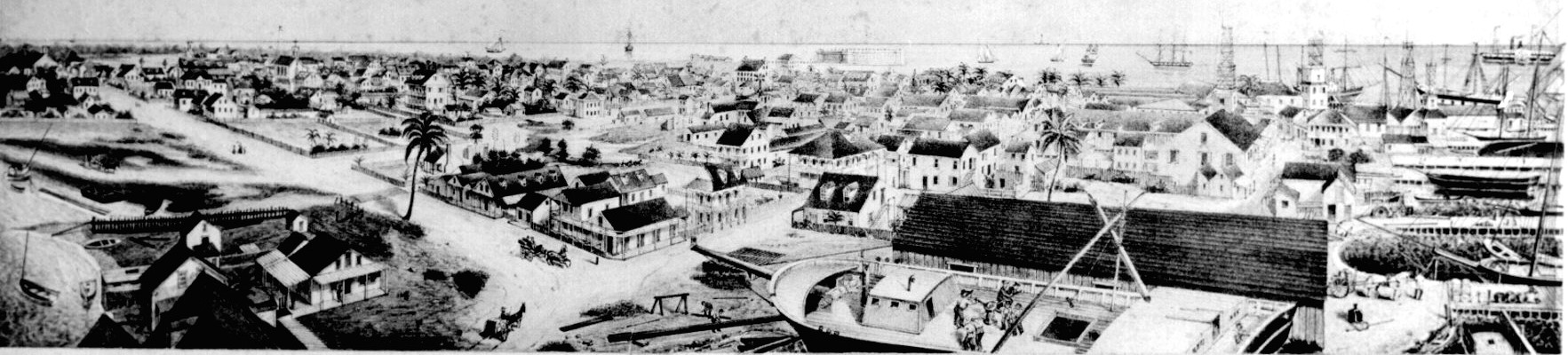
Key West, 1862
The steamship Star of the South, Capt. M.S. WOODHULL, arrived at this port, yesterday morning, from Key West, whence she sailed on Feb. 21.
She left in that harbor the bark Sallie Bonsall, from Abaco, with Government stores saved from the wreck of the ship Planter. The Sallie Bonsall is undoubted by the vessel which was reported by the Richmond papers as having been sunk by the Alabama. The Star of the South brings as passengers Acting Assistant-Engineer W.M. BURR, U.S.N.; W.H. NELSON, U.S.N.; Capt. EDWARD E. PARKER, and twenty in the steerage. Also, the officers and crew of the United States steamer Hatteras, viz.:
HOMER C. BLAKE, Lieut. Commanding; Henry O. Porter, Acting Master and Executive Officer; Edward S. Mathews, Assistant Surgeon; Fred. A. Conkling, Acting Assistant Paymaster; A.M. Covert, First Assistant Engineer, acting Chief; James C. Cru, Acting Third Assistant Engineer; Jacob Colp, Third Assistant Engineer; Benjamin C. Bourne, Third Assistant Engineer; Acting Ensign, John H. Bateman; Master’s Mates, F.L. McGrath, Jas. W. Haylitt, Abm. H. Berry, David Hawey, John P. Arnot, Jas. G. Crocker; Captain’s Clerk, Thos. W. Weisenthal, and 102 seamen, (crew.)
Besides the boat’s crew which escaped at Galveston only two persons are missing, viz.: JOHN C. CLAREY and WILLIAM HEALEY, firemen.
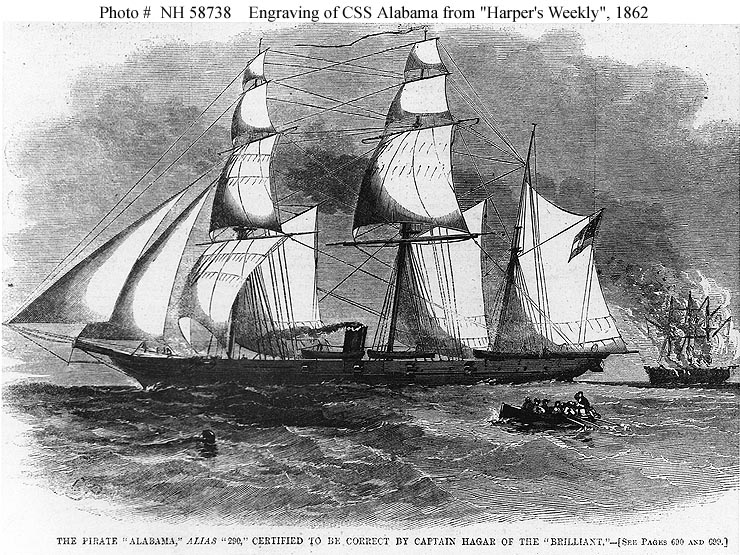
CSS Alabama treated Hatteras crew well
The Alabama reached Kingston on the 19th of January, and remained six days making repairs. She was much strained, and leaked badly. She was struck thirteen times during the engagement, which lasted seventeen minutes.
The officers and crew of the Hatteras were well treated while on board the enemy’s ship.
The officers and crew of the Hatteras sailed from Jamaica on the 4th inst., in the ship Borodino, of BOSTON, Capt. SAMUEL FLOWERS, and reached Key West on the 15th inst. The Borodino sailed for New-York on the 19th inst.
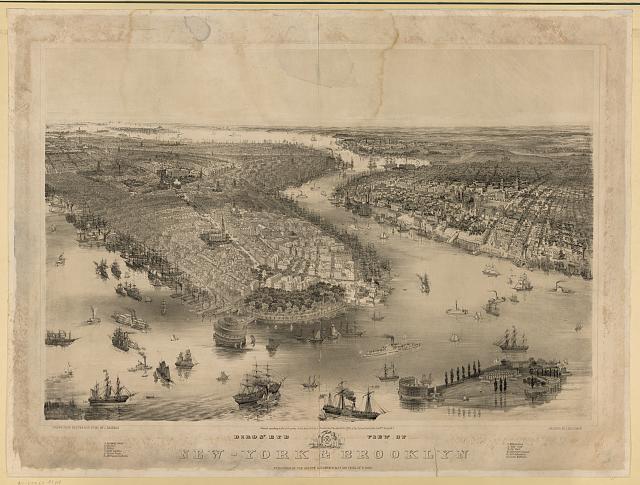
landfall February 25, 1863 John Arnett and others (image c.1851)
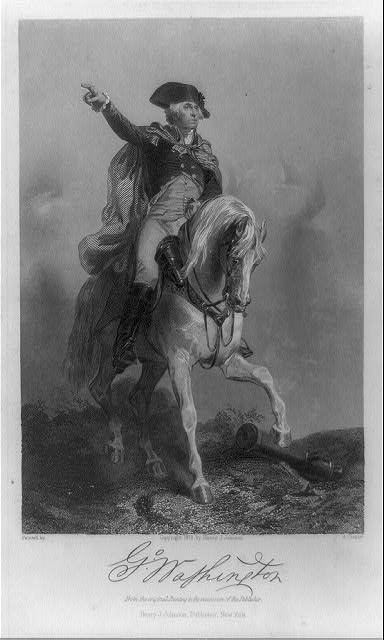
American Joshua
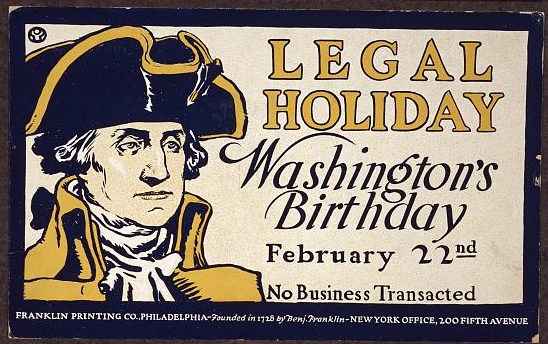
150 years ago yesterday President Lincoln thought it propitious that Washington’s Birthday coincided with the Christian sabbath. This article encourages Gothamites to make it a long weekend – despite the snowstorm.
From The New-York Times February 23, 1863:
LOCAL INTELLIGENCE.; WASHINGTON’S BIRTHDAY. HOW IT WAS CELEBRATED What will be Done To-Day and To-Night.
The storm came just in time to add its blustering hurrah to the more quiet and reverential observance of the birthday of the remarkable man who, sixty years ago, stood first in war, in peace and in the hearts of his countrymen, and whose memory to-day ranks side by side with that of the great captains, benefactors and rulers of the world.
In various ways, consistent with the sanctity of the day, various religious organizations gave thanks for the beneficial example left by the “Father of his Country,” for the guidance of the youth and other citizens of the Republic.
Rev. Dr. S.H. COX spoke eloquently and patriotically, at the rooms of the New-England Relief Association, and made the heart of many a listener thrill with country-love, and burn with holiest desire for the prosperity and successful issue of the nation.
Rev. NEWTON HESTON, at the State-street Congregational Church, demonstrated the fact that “WASHINGTON was the American Joshua.”
Rev. PETER STRYKER preached a sermon before the New-York Young Men’s Christian Association on “Christian Manhood,” for abundant illustrations of which he referred them to the life of the great hero Captain who fought naked in the battles of his time with a pure heart, a clear head and a strong hand.
Rev. L.J. FLETCHER delivered, at the Fourth Universalist Church, a sermon appropriate to the day, entitled, “WASHINGTON, the Christian Patriot,” and other ministers, of various denominations, deemed it a fitting hour in which to inculcate the doctrines of truth, honor and patriotism, as being eminently the desiderata of our day, as they were undoubtedly leading characteristics of him in whose honor the national flag was flung out from every mast-head and from every dome.
The storm king’s fiercest blast and driving storm could not prevent the assemblage of a goodly company at Cooper Institute, yesterday afternoon, on the occasion of the celebration of the 131st Aniversary of WASHINGTON’s birthday by the
ORDER OF UNITED AMERICANS.
A large volunteer chorus, from the New-York Harmonic Society, was present, and, under the direction of J.C. DEVOY, Esq., agreeably interspersed the exercises with patriotic airs, M. CARRINGTON, Esq., President of the Society, presiding at the organ. The exercises were commenced by the Chairman of the Committee of Arrangements, NAPOLEON B. MOUNTFORT.
After prayer by Rev. Dr. SKINNER, and the singing of “Our Country’s Flag” by the choir, the Chairman introduced Rev. SIDNEY A. COREY, who delivered the address of the day.
To-day
THE OFFICIAL CELEBRATION
will take place. That is, it is advertised, and so far as the snow-drifts will permit, we presume, the advertisement will be verified. A huge Committee, embracing ten of our City Officials, have been authorized to expend in gunpowder, dainties and fancy pyrotechnics; the modest sum of $5,000, and the strong probabilities are that the money will be spent.
First of all, at sunrise, a salute of 100 guns will be fired by sundry guns planted in Madison Square. After which Mr. JAMES E. AYLIFFE, the celebrated chimer, will ring out from the tower of Old Trinity the following programme:
No. 1. — Ringing the changes on eight bells.
No. 2. — Hail Columbia.
No. 3. — Yankee Doodle.
No. 4. — Home, Sweet Home.
No. 5. — Blue Bells of Scotland.
No. 6. — Rondo, with variations, on major and minor keys, composed by GEO. F. BRISTOW.
No. 7. — Star Spangled Banner.
No. 8. — Airs from Child of the Regiment.
No. 9. — Columbia, the Gem of the Ocean.
No. 10. — Last Rose of Summer.
No. 11. — Evening Bells.
No. 12. — Old Dog Tray.
No. 13. — Hail Columbia.
No. 14. — Yankee Doodle.
… A GRAND DISPLAY OF FIREWORKS
will be made at 7 o’clock P.M., in front of the City Hall, and at Union Square.
The exhibition in the Park will represent a colossal equestrian statue of Gen. WASHINGTON, seated on his famous charger, with chapeau in his right hand, extended forward, bidding adieu to the army, with the motto “Ducit amor patriae,” encircled in a segment of a circle overhead — on the base, the words, “The Union must and shall be preserved.” The sides of the statue are represented by the mammoth figures of “Liberty and Justice.” The whole tableau, covering an area of over 10,000 feet, is surrounded by 34 stars of the Union. It will end with a gorgeous and soul-stirring display of colored fires, shells, flights of rockets, bengolas and colored batteries. Previous to the firing of the above piece, the sky will be for one hour continually illuminated with rockets, shells and colored fires.
At Union-square, there will be a temple with the standing figure of WASHINGTON, sword by his side and his right hand extended and pointing forward; above him and inside the Temple soars an eagle; under all is the motto “Union Forever.” The remainder of the display will be similar to the one in the Park, commencing and ending alike with colored fires, shells, batteries, rockets, &c.
After all this will be the
CIVIC BANQUET.
at the St. Nicholas Hotel. To this none but the titled and the local great will be admitted, and [h]oi polloi must be content with the reporter’s account of the boned turkey, the fruits glace, the gastronomic what-d’ye-call-ems and the soul-stirring responses to patriotic toasts.
The Produce Exchange has set the good example of announcing its non-opening for the day, and we hope other like institutions will follow it.
Every ship-master, hotel proprietor, official or other man who has a flag and a flag-staff, should unfurl the banner of his country to-day, and make the City glorious by the resplendent display of the Stars and Stripes.
BANQUET AT THE ASTOR HOUSE.
The Northwoods Walton Club will give a banquet at the Astor House to-night.
WASHINGTON’S BIRTHDAY IN JERSEY CITY.
WASHINGTON’s Birthday will be duly observed in Jersey City to-day by the closing of the public offices, banks and public schools.
In the evening, Rev. A.A. WILLITS will deliver his lecture, “The Sword of Washington,” at the Third Reformed Dutch Church, in aid of the families of volunteers.
The Jersey City Sangerbund will give a fancy dress and masquerade ball at Cooper Hall.
The storm must have been a nor’easter – From the Richmond Daily Dispatch February 23, 1863:
Snow.
–A snow storm set in about 8 o’clock on Saturday evening, and continued with considerable violence throughout the night. The ground was covered to the depth of five or six inches, and sleighs were on the streets yesterday for the first time this season.
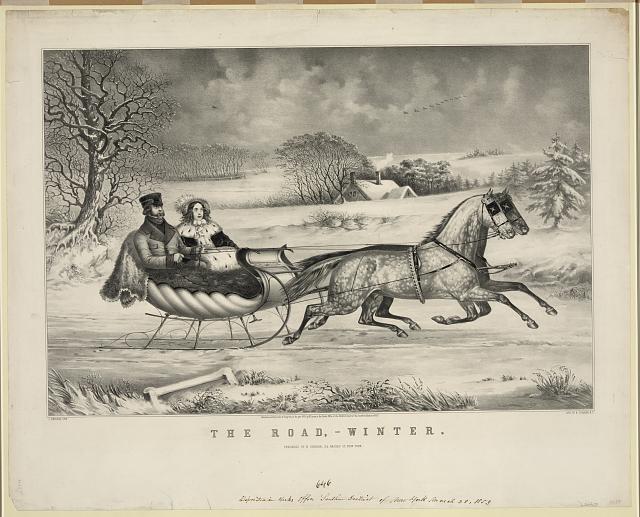
Now appearing in Richmond
In 1861 New York Republicans celebrated Washington’s Birthday with many toasts and a miniature Fort Sumter firing a 34 gun salute. The model fort sported a United States flag. That seems a bit like ancient history – the rebel flag’s been flying over the real fort going on two years now.
Why didn’t I think of that?
From The Papers And Writings Of Abraham Lincoln,
Volume Six:
TO ALEXANDER REED.
EXECUTIVE MANSION, WASHINGTON, February 22, 1863.
REV. ALEXANDER REED. MY DEAR SIR:—Your note, by which you, as General Superintendent of the United States Christian Commission, invite me to preside at a meeting to be held this day at the hall of the House of Representatives in this city, is received.
While, for reasons which I deem sufficient, I must decline to preside, I cannot withhold my approval of the meeting and its worthy objects.
Whatever shall be, sincerely and in God’s name, devised for the good of the soldiers and seamen in their hard spheres of duty, can scarcely fail to be blessed; and whatever shall tend to turn our thoughts from the unreasoning and uncharitable passions, prejudices, and jealousies incident to a great national trouble such as ours, and to fix them on the vast and long enduring consequences, for weal or for woe, which are to result from the struggle, and especially to strengthen our reliance on the Supreme Being for the final triumph of the right, cannot but be well for us all.
The birthday of Washington and the Christian Sabbath coinciding this year, and suggesting together the highest interests of this life and of that to come, is most propitious for the meeting proposed.
Your obedient servant,
A. LINCOLN
The United States Christian Commission was formed on November 16, 1862 in the aftermath of the battle of First Bull Run. According to the organization’s current site:
During the war, five thousand delegates volunteered and distributed over $6,000,000 worth of goods and supplies (in 1860’s valuation) to the soldiers and sailors of the Union army on the battlefields, camps, hospitals and prisons. They also served the soldiers in grey when the opportunity arose. It is estimated that the service rendered by the delegates of the Christian Commission equal the continuous work of one man for 658 years!
teaching (footnoted) lessons from the Inca
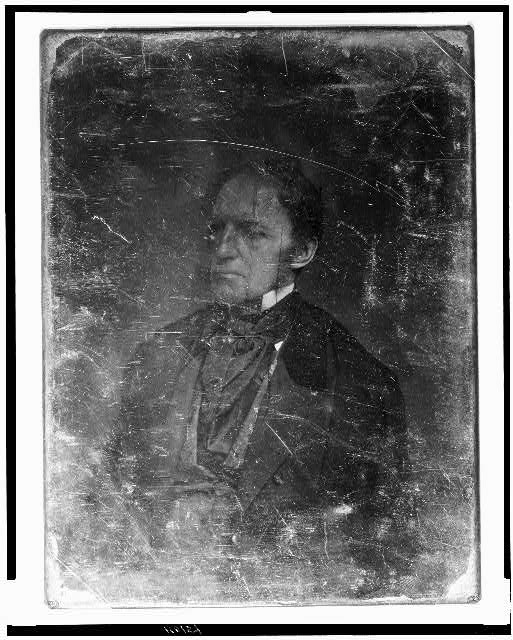
I thought this was a pretty interesting juxtaposition from 150 Februaries ago. A southern newspaper criticized the North for not being merciful enough in its war effort and then criticized George McClellan for not using or knowing how to properly use all the resources at his command – Virginians don’t feel any terror at his name.
From the Richmond Daily Dispatch February 19, 1863:
…
A lesson for Lincoln.
The Yankee historian, Prescott, in his History of the Conquest of Peru, says that the monarchs of that country, in carrying on war, “allowed their troops to commit no unnecessary outrage on persons or property. ‘We must spare our enemies,’ one of the Peruvian princes is quoted as saying, ‘or it will be our loss, since they and all that belongs to them must soon be ours.’ It was a wise maxim, and, like most other wise maxims, founded equally on benevolence and prudence.”
The Gorilla Administration at Washington may learn a lesson of both humanity and prudence from the sovereigns of semi civilized Indians, more than three centuries ago. Perhaps the complacent manner in which the historian criticises the ferocity of the Spaniards, in their efforts to convert and conquer, may be somewhat moderated by the examples of greater ferocity than that even of Spaniards, which has been furnished since his history was written by the invading zealots of his own Massachusetts, in the midst of the idolized nineteenth century.
General McClellan.
There must be an awful dearth of military genius in the United States, when the restoration of McClellan to the chief command of the Army of the Potomac is urged by leading Northern journals as the only means of crushing the rebellion. If ever a man had been tried in the balances and found wanting, it is that same G. B. McClellan. Old Wingfield Scott, after being allowed only three months and fifty thousand men, was thrown overboard because he did not succeed in his “On to Richmond;” whilst McClellan, with a whole year for preparation, and a hundred and fifty thousand men, was whipped out of the Peninsula like a thieving bound, and yet his friends complain because he was removed, and insist that nothing but his restoration will restore “the Union.” If the Union leans upon G. B. McClellan, it leans upon a broken read. Whatever confidence his own men may repose in him after his Peninsula experience, there is no terror in his name to the dwellers upon the Chickahominy.
William Hickling Prescott (May 4, 1796 – January 28, 1859)
was an American historian and Hispanist, who is widely recognized by historiographers to have been the first American scientific historian. Despite suffering from serious visual impairment, which at times prevented him from reading or writing for himself, Prescott became one of the most eminent historians of 19th century America.
“Prescott’s work has remained popular and influential to the present day, and his meticulous use of sources, bibliographical citations and critical notes was unprecedented among American historians. [1]
Prescott, grandson of Bunker Hill’s William Prescott, would probably appreciate that the Dispatch appear to have accurately pulled text from his history of Peru (see Project Gutenberg).
Keokuk, Iowa 1865
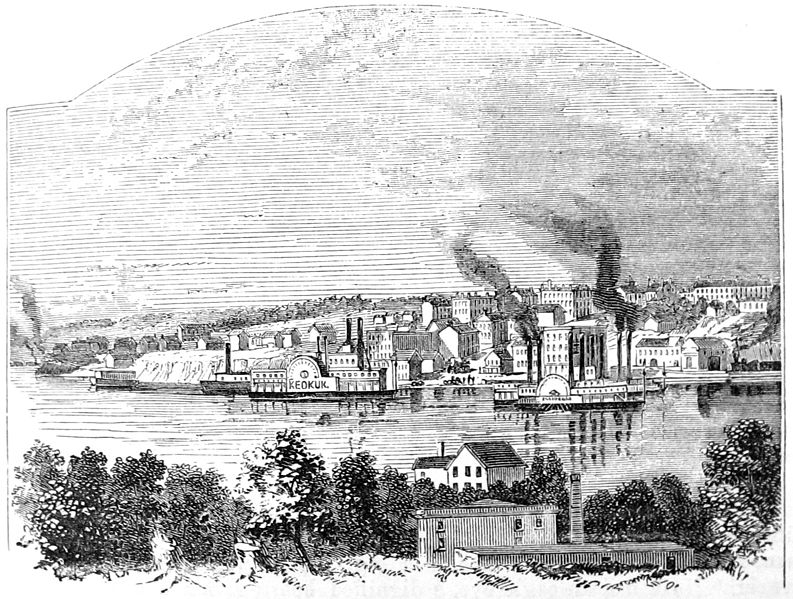
150 years ago today recuperating Union soldiers left their hospital in Keokuk, Iowa to destroy the presses of the Keokuk Constitution. The soldiers were angry about what they considered treasonous editorials in the newspaper.
From The New-York Times February 21, 1863:
A Rebel Newspaper in Iowa Suppressed.; THE KEOKUK CONSTITUTION DESTROYED.
CHICAGO, Friday, Feb. 20.
The office of the Keokuk Constitution was destroyed yesterday by the convalescents in the hospital. The types were thrown into the street and the presses broken up and part of them thrown into the river.
Northern Illinois University has a longer article from the Quincy, IL: Daily Whig and Republican of February 23, 1863:
“Cleaning Out” of the Keokuk “Constitution.”
[From the Gate City, Feb˙ 20.]
Yesterday afternoon a large number of soldiers from the Hospital marched down to the Constitution office, and taking possession of it, broke up the presses and threw, with the cases of type and all other contents of the building, into the street. A couple of drays were pressed into the service, which carried a load of each to the river. This movement took everybody by surprise, but the numbers were so formidadble that no opposition was made (except the personal efforts of Lieut˙ Ball, commandant of the post, and perhaps some others,) until the contents of the office were in ruins. Lieut˙ Ball at length got together the Provost Guard, when the work of destruction was brught to a close. We are told that the cause of the outbreak was the indignation of the soldiers at the comments in the constitution of the 18th and 19ht inst˙, upon the speech of Gov˙ Wright. No one, so far as we are aware, excepting the soldiers engaged in it, knew anything of the movement, until it was consummated.
We publish below, at the request of the soldiers, the pledge which they made, setting forth the reasons for destroying the Constitution Office. It will not be deemed by any inappropriate to allow an expression from the soldiers engaged in this act, that public opinion may be fully informed in regard to all the circumstances of the case. This paper was signed by 150 soldiers of the hospital, most of whom, we understand, are awaiting transportation to return to service.
HEADQUARTERS U˙S˙ SOLDIERS,
KEOKUK, IOWA, FEB˙ 19, ’63.
We, the undersigned soldiers of the U˙S˙ army being fully convinced that the influence of a paper published in this city called “The Constitution,” edited by Thos˙ Clagget, has exerted and is exerting a treasonable influence, (inexcusable by us soldiers) against the Government for which we have staked our all in the present crisis. We, therefore, consider it a duty we owe ourselves, our brethren in the field, our families at home, our Government and our God, to demolish and cast into the Mississippi river, the press and machinery used for the publication of the aforesaid paper, and any person or persons that interfere, so help us God.
According to Wikipedia, “During the American Civil War, Keokukbecame the embarking point for Union troops heading to fight in southern battles. Injured soldiers were returned to Keokuk for treatment, so several hospitals were established. A national cemetery was designated for those who did not survive.”
And from The History of Keokuk Web Site:
During the Civil War, the presence of the College of Physicians and Surgeons caused the federal government to locate a military hospital in Estes House (formerly at 500 Main Street), and other buildings in Keokuk. Many soldiers from the North and South died at the military hospital during the Civil War and are buried in Iowa’s only National Cemetery, located here in Keokuk.
Ambassador Dayton makes Union’s case in Paris
150 years ago today a Southern editorial realized the war was far from over.
From the Richmond Daily Dispatch February 18, 1863:
A long War.
The correspondence between Seward and Dayton — of which we gave an abstract yesterday — is well calculated to dispel the illusion under which many of us have been laboring, that the war is to be over in any very short time. Seward evinces a determination to prosecute it as long as he shall have power to raise a man or a dollar; and in order that there may be no mistake as to his intentions on the part of foreign Governments, he proceeds to give a picture of Yankee prospects and Yankee success, which, if it were true, would not justify him in sheathing the sword until he had absolutely crushed the South. According to him, one-half of the South is already conquered, and his invincible Yankees are preparing to put a quietus upon the other half. Not a word is said of the humiliating defeats and disgraceful routs which constitute so large a portion of Yankee history within the last nine months. They are passed over as occurrences that are inevitable in the progress of any war, however successful its termination. But it is sufficiently apparent that he does not dream of giving up the contest, and we are rejoiced that he has let us see what his views and objects actually are.–Nothing less than his evidence could ever cure our people of the delusion to which they cling with an obstinacy resembling the grasp of death.
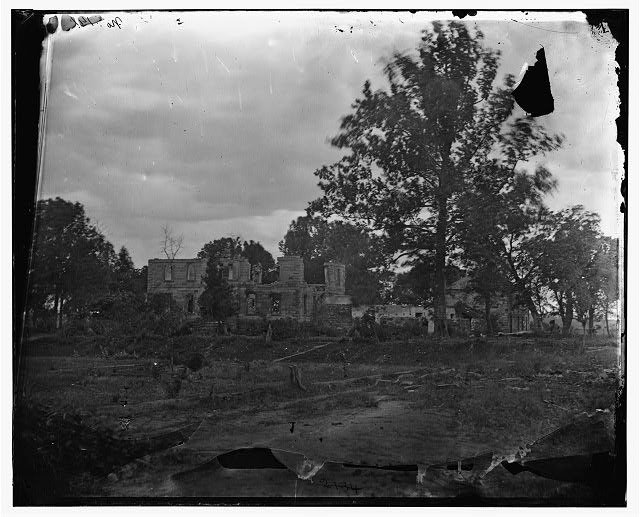
gonna get worse before it gets better
So far from being about to end, we believe that the war is about to assume a shape more terrible than it has ever yet presented. The Yankee armies were never so large as they are now, and they never threatened us at so many important points before. It is well for this fact to be thoroughly understood. It is all important for individuals, as well as communities, always to look their situation fully in the face, that they may know how they stand, and what they can do in the crisis. We shall beat the Yankees, we believe. We have always beaten them whenever they have given us a chance. Unless in the case of an isolated position — as at Donelson and Roanoke Island — or where they have been enabled to bring their superior fleet to bear upon us, they have never been able to contend with us. We have rarely ever encountered them, when they had not at least three to one against us, and if none of our numerous victories have been pushed to a satisfactory consummation, it is because of that very inferiority of numbers. We will continue to beat them. But the time has not yet come for them to give up the contest.
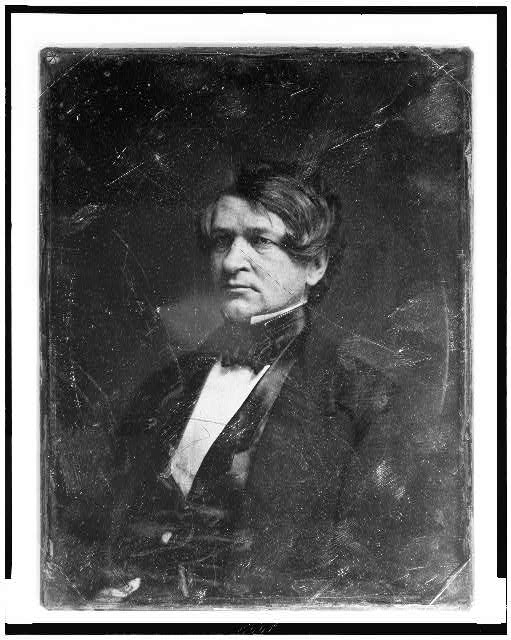
New Jersey politician William Lewis Dayton was the first vice-presidential candidate of the Republican in 1856. He served as Minister to France from 1861 until his death on December 1, 1864. “Dayton successfully lobbied the government of Napoleon III not to recognize the independence of the Confederacy or allow it the use of French ports.”
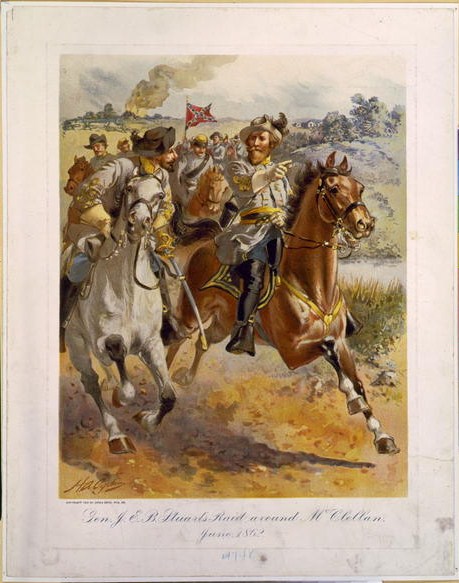
daring, gallant, heroic … but no “satisfactory consummation”
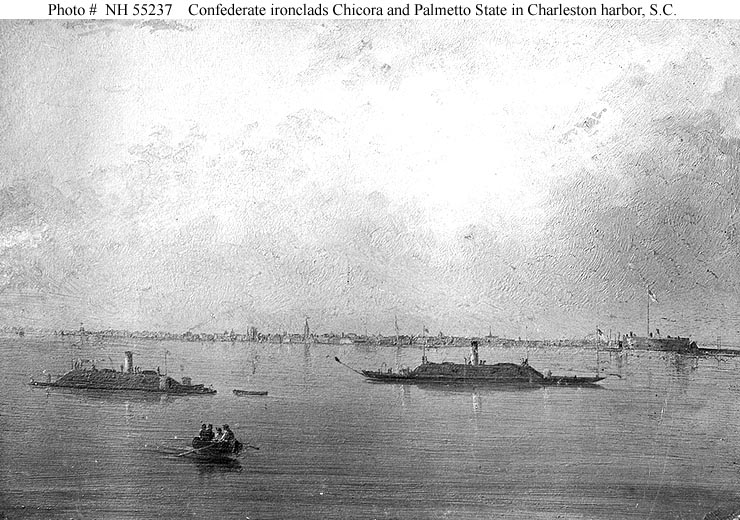
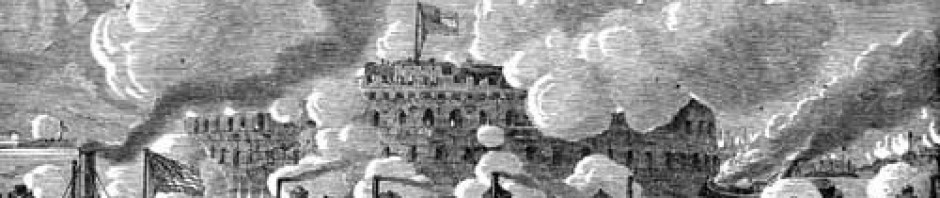
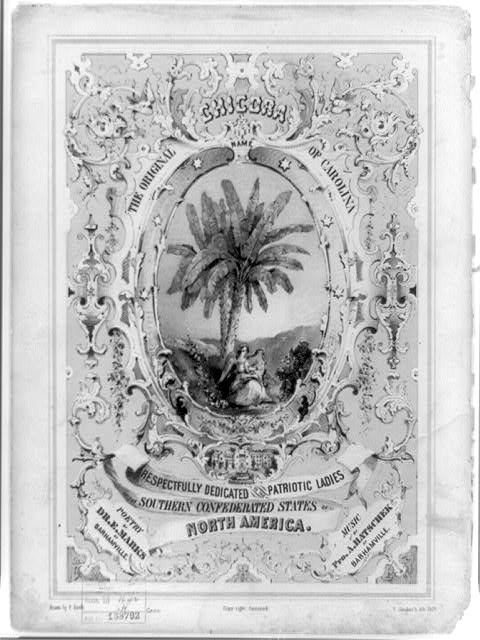
Confederate ironclads Chicora and Palmetto State (with spar torpedo) attacked Union blockading ships on January 31, 1863
Civil War Daily Gazette published an excellent account of the naval action off Charleston harbor on January 31, 1863. Two Confederate rams disabled a couple Union blockading ships. The Gazette pointed out that the Confederacy asserted that the action broke the Union blockade; that notion was quickly dispelled by European consuls in Charleston.
Here we can see that Confederate Secretary of State Judah Benjamin wasted no time claiming that the blockade was broken in his circular (published in the Richmond press 150 years ago this week). Along with Charleston and Mobile, Wilmington was one of the three southern ports effected the least by the blockade.
From the Richmond Daily Dispatch February 11, 1863:
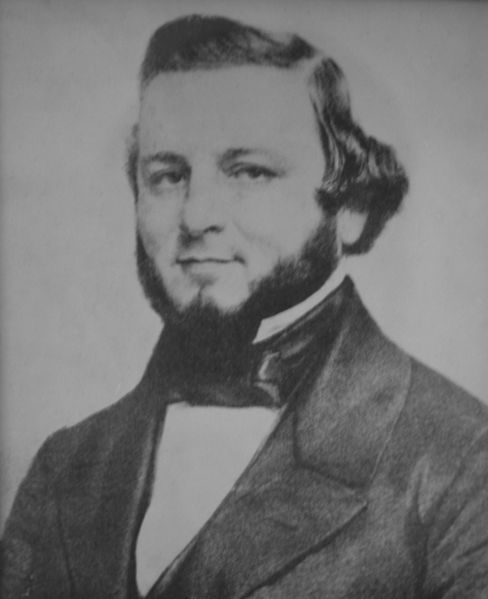
circular argument
Secretary Benjamin’s circular on the raising of the Charleston blockade.
The following is a copy of the circular addressed by Secretary Benjamin to the foreign Consuls in the Confederacy:
[Circular.]
Department of State, Richmond, January 31st, 1863.
Monsigur Bettancourt, Consular Agent of France, at Wilmington, N. C.
Sir:
I am instructed by the President of the Confederate States of America to inform you that this Government has received an official dispatch from Flag-Officer Ingraham, commanding the naval forces of the Confederacy on the coast of South Carolina, stating that the blockade of the harbor of Charleston has been broken by the complete dispersion and disappearance of the blockading squadron, in consequence of a successful attack made on it by the iron-clad steamers commanded by Flag-Officer Ingraham. During this attack one or more of the blockading vessels were sunk or burnt.
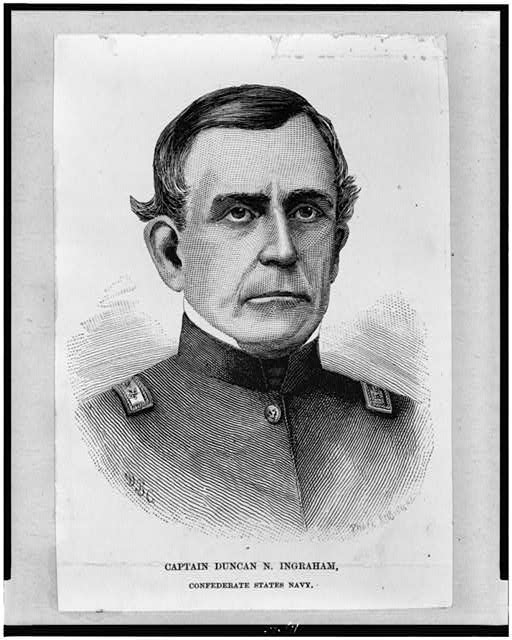
Captain Duncan Ingraham in charge of Confederate naval station at Charleston
As you are doubtless aware that, by the law of nations a blockade when thus broken by superior force ceases to exist and cannot be subsequently enforced unless established de novo, with adequate forces and after due notice to neutral powers, it has been deemed proper to give you the information herein contained for the guidance of such vessels of your nation as may choose to carry on commerce with the now open port of Charleston.
Respectfully, your ob’t serv’t,
J. P. Benjamin, Sec’y of State.
You can read a biography of Judah Philip Benjamin at the Jewish Virtual Library. During this Civil War sesquicentennial we’ve noticed that Mr. Benjamin always seemed to be smiling in photographs. Stephen Vincent Benét observed the same phenomenon in 1928’s John Brown’s Body:
Looked round the council-chamber with the slight
Perpetual smile he held before himself
continually like a silk-ribbed fan.
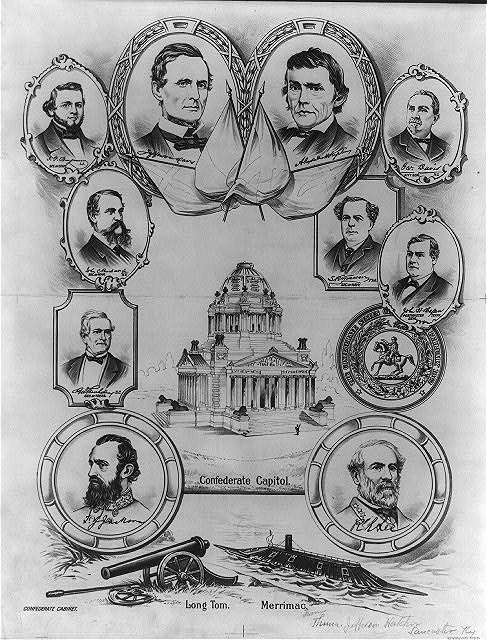
“silk-ribbed fan” in council
The following image was published in the February 21, 1863 issue of Harper’s Weekly. You can view the picture and read about the battle at Son of the South.
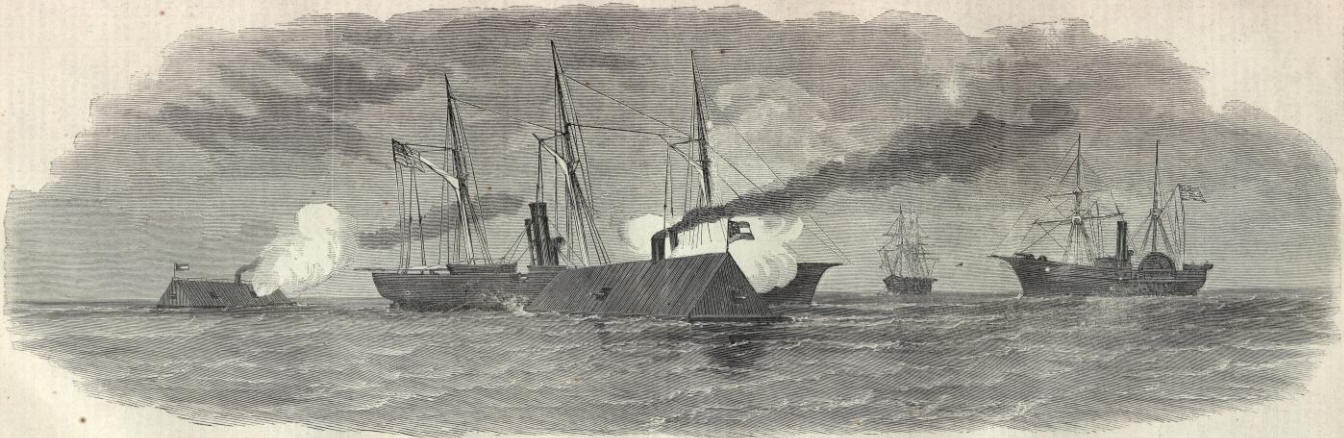
ramming the blockade January 31, 1863
