Parole and Amnesty on Offer

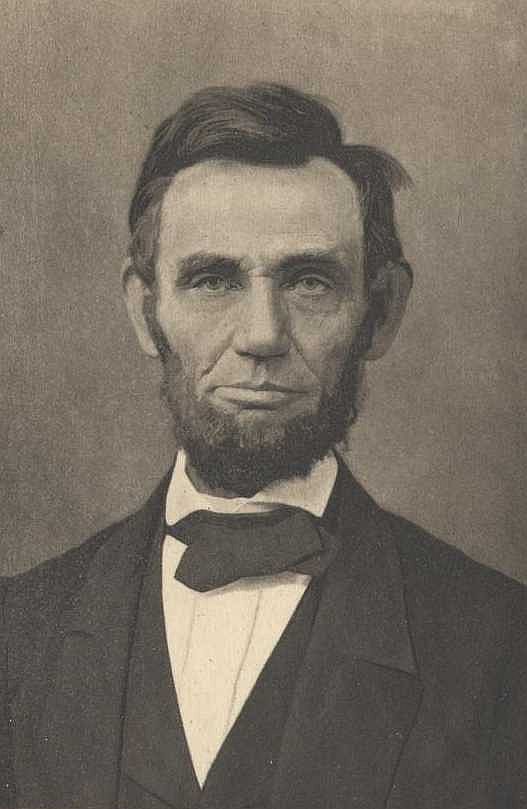
A. Lincoln

We're stronger now

Friendship, romantic love … political love. 150 years ago today Abraham Lincoln ordered that political prisoners be paroled if they promise not to render “aid or comfort” to U.S. enemies. He granted such prisoners amnesty as long as they held to the conditions of their parole. You can also read this at Project Gutenberg.

EXECUTIVE ORDER NO. 1, RELATING TO POLITICAL PRISONERS.

WAR DEPARTMENT, WASHINGTON, February 14,1862.

The breaking out of a formidable insurrection based on a conflict of political ideas, being an event without precedent in the United States, was necessarily attended by great confusion and perplexity of the public mind. Disloyalty before unsuspected suddenly became bold, and treason astonished the world by bringing at once into the field military forces superior in number to the standing army of the United States.

Every department of the government was paralyzed by treason. Defection appeared in the Senate, in the House of Representatives, in the Cabinet, in the Federal courts; ministers and consuls returned from foreign countries to enter the insurrectionary councils of land or naval forces; commanding and other officers of the army and in the navy betrayed our councils or deserted their posts for commands in the insurgent forces. Treason was flagrant in the revenue and in the post-office service, as well as in the Territorial governments and in the Indian reserves.

Not only governors, judges, legislators, and ministerial officers in the States, but even whole States rushed one after another with apparent unanimity into rebellion. The capital was besieged and its connection with all the States cut off. Even in the portions of the country which were most loyal, political combinations and secret societies were formed furthering the work of disunion, while, from motives of disloyalty or cupidity or from excited passions or perverted sympathies, individuals were found furnishing men, money, and materials of war and supplies to the insurgents’ military and naval forces. Armies, ships, fortifications, navy yards, arsenals, military posts, and garrisons one after another were betrayed or abandoned to the insurgents.
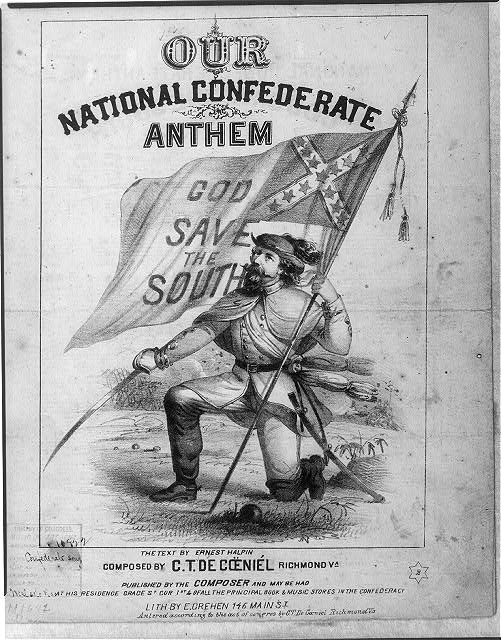
Our national Confederate anthem (One of the rare illustrated sheet music covers issued under the Confederacy 1862; LOC: LC-USZ62-33407)

Rebellion 'culminated and declining'?

Congress had not anticipated, and so had not provided for, the emergency. The municipal authorities were powerless and inactive. The judicial machinery seemed as if it had been designed, not to sustain the government, but to embarrass and betray it.

Foreign intervention, openly invited and industriously instigated by the abettors of the insurrection, became imminent, and has only been prevented by the practice of strict and impartial justice, with the most perfect moderation, in our intercourse with nations.

The public mind was alarmed and apprehensive, though fortunately not distracted or disheartened. It seemed to be doubtful whether the Federal Government, which one year before had been thought a model worthy of universal acceptance, had indeed the ability to defend and maintain itself.

Some reverses, which, perhaps, were unavoidable, suffered by newly levied and inefficient forces, discouraged the loyal and gave new hopes to the insurgents. Voluntary enlistments seemed about to cease and desertions commenced. Parties speculated upon the question whether conscription had not become necessary to fill up the armies of the United States.

In this emergency the President felt it his duty to employ with energy the extraordinary powers which the Constitution confides to him in cases of insurrection. He called into the field such military and naval forces, unauthorized by the existing laws, as seemed necessary. He directed measures to prevent the use of the post-office for treasonable correspondence. He subjected passengers to and from foreign countries to new passport regulations, and he instituted a blockade, suspended the writ of habeas corpus in various places, and caused persons who were represented to him as being or about to engage in disloyal and treasonable practices to be arrested by special civil as well as military agencies and detained in military custody when necessary to prevent them and deter others from such practices. Examinations of such cases were instituted, and some of the persons so arrested have been discharged from time to time under circumstances or upon conditions compatible, as was thought, with the public safety.
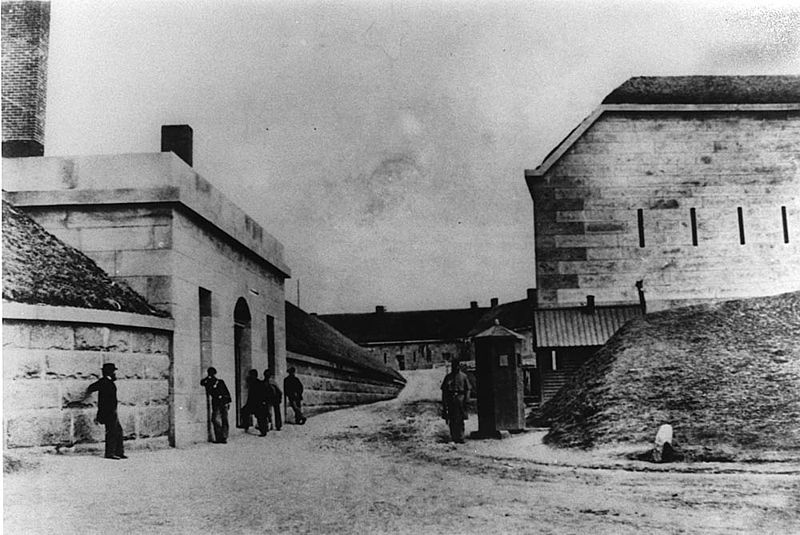
The guardhouse (left) and sentry box (on right) at the entrance to Fort Warren about 1861

Conditional release at Fort Warren

Meantime a favorable change of public opinion has occurred. The line between loyalty and disloyalty is plainly defined. The whole structure of the government is firm and stable. Apprehension of public danger and facilities for treasonable practices have diminished with the passions which prompted heedless persons to adopt them. The insurrection is believed to have culminated and to be declining.

The President, in view of these facts, and anxious to favor a return to the normal course of the administration as far as regard for the public welfare will allow, directs that all political prisoners or state prisoners now held in military custody be released on their subscribing to a parole engaging them to render no aid or comfort to the enemies in hostility to the United States.

The Secretary of War will, however, in his discretion, except from the effect of this order any persons detained as spies in the service of the insurgents, or others whose release at the present moment may be deemed incompatible with the public safety.

To all persons who shall be so released, and who shall keep their parole, the President grants an amnesty for any past offences of treason or disloyalty which they may have comminuted.

Extraordinary arrests will hereafter be made under the direction of the military authorities alone.

By order of the President EDWIN M. STANTON, Secretary of War.

“Honest Abe” – in this order he detailed the events that were leading to chaos as he began his presidency.. Now that the Union is in more of a position of strength he can let some of the prisoners go. It might have been wishful thinking but the president claimed only a belief that the rebellion was declining.
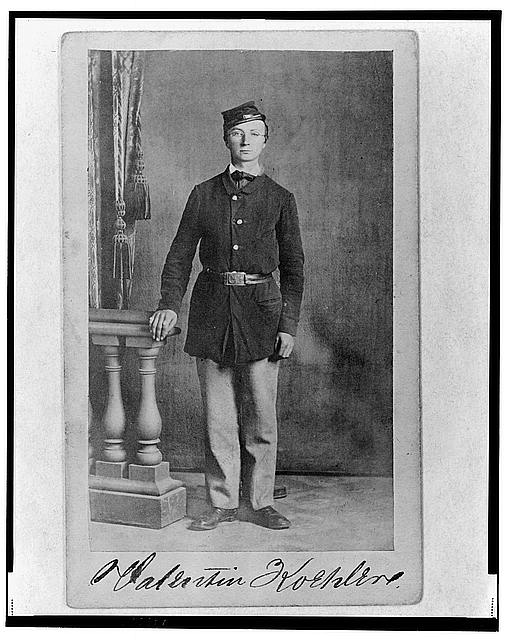
2nd Lieutenant Valentine Koehler, Union officer in the 32nd Indiana Regiment, full-length portrait, standing, facing front (between 1861 and 1865; LOC: LC-USZ62-129668)

Tough love

Posted in 150 Years Ago This Week, Lincoln Administration, Northern Politics During War | Tagged , , , | Leave a comment

Hang On to Your Wallets …

… the Yankees Are Coming

As the U.S. Congress debates ways and means to pay for the ever burgeoning war debt a Confederate military officer uses that debt as a recruiting tool.

From the Richmond Daily Dispatch February 13, 1862:

To the Young men of Charlotte and adjacent counties.

–Your country, now in its hour of need, calls upon you to save her from the iron heel of the despot — the enemy of your native land, your enemy, the enemy that will, if he gets his iron hand on you, reduce you to a state worse than slavery; who will have at the end of another year’s war a debt of but little less than two thousand millions of dollars. The object is to make us pay it. He now has his armed hounds, like a belt of iron, encircling our land; he has an army the like of which the world has seldom seen, and only bides his time to rush upon us like an avalanche. Shall they overwhelm us? No. no; a thousand times no. Then, to arms, every man of the right age and of robust health, your coun[t]ry needs you all.

I come among you, after an absence of nine months, commissioned under the order of Gen. Johnston, to receive and muster into service recruits for the Charlotte [R]ifle in the Confederate service, under the late act of Congress. When not absent on this business, my officer will be at Charlotte C. H., where all information can be had.

Thos J. Spencer,

Capt. Com’g Co., K, 18th Va. Vols.,

Charlotte Rifles.

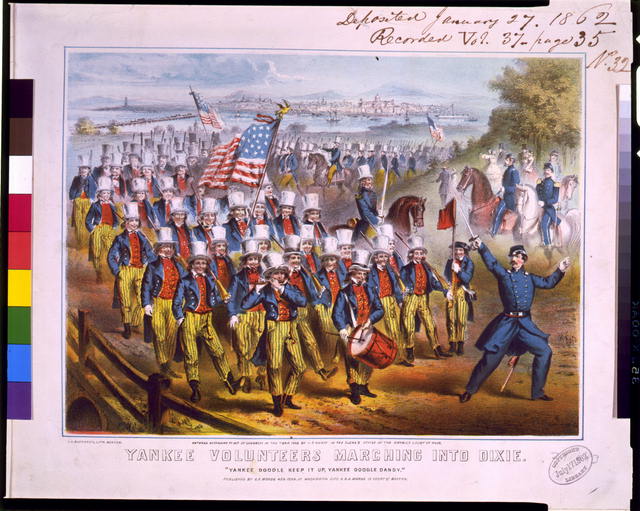
Yankee volunteers marching into Dixie (Waashington City : Published by C.F. Morse ; Boston G.A. Morse c1862; LOC: LC-USZ62-4440)

"armed hounds" heading south

Posted in 150 Years Ago This Week, Confederate States of America, Military Matters | Tagged , | Leave a comment

Shanghaied at the Falls?

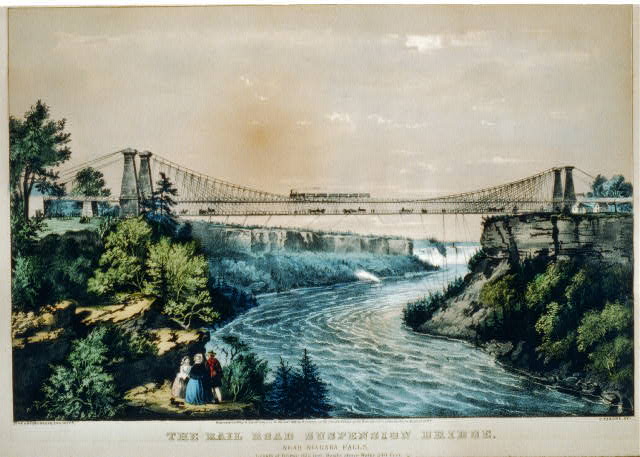
The Rail road suspension bridge: near Niagara Falls (Published by Currier & Ives, c1856; LOC: LC-USZC2-3301)

Double-decked bridge to putative asylum; bridge to federal army gig?

A Canadian newspaper is concerned about reports that 1) a Union officer crossed into Canada to try to force a deserter back to the U.S. and that 2) a couple Canadian/British soldiers went to the U.S. side of the river, had some drinks, and while under the influence got signed up for the Union army.

From The New-York Times February 9, 1862:

TROUBLE AT THE NIAGARA FALLS SUSPENSION BRIDGE.

From the Toronto Leader, Feb. 4.

Two occurrences have been reported to us, on credible authority, which seem to render it desirable that a guard should be placed over the Suspension Bridge, at the Falls of Niagara. The facts are these: Last Sunday an American recruiting officer, accompanied by two or three other persons, came over the Suspension Bridge into Canada, with a view of forcibly and illegally taking back a deserter from the Federal army. The fugitive protested against the attempt being carried out, and soliciting the assistance of the bystanders, was rescued from the hands of men whose intention it was, if they had got their own way, to have violated the right of asylum in Canada, in the person of this deserter. We need not say that there is no law under which an American deserter, taking refuge in Canada, can be compelled to return. The only provision existing between the two countries, for the extradition of fugitives who have escaped from the one to the other, is contained in the Ash burton Treaty; and that only brings criminals charged with certain specified crimes withing its purview.

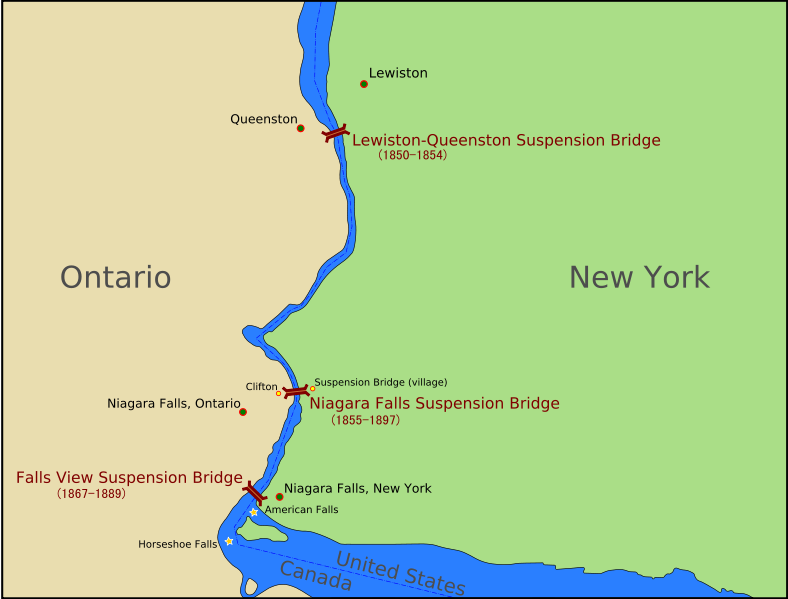
Niagara Falls Suspension Bridges

Bridging the frontier

The other occurrence which has been related to us is of a different nature, though it is one which, like the former, seems to require the exercise of some vigilance for which there is no provision at the Suspension Bridge. It is stated that a non-commissioned officer and a private of the Thirtieth Regiment, belonging to a detachment stationed at St. Catharines, passed over the bridge on Saturday evening; and, having been induced to drink, were enlisted into the American army while in a state of intoxication. On Monday morning, it is added, they were sent to Buffalo. At the present time, when the presence of troops on both sides of the Niagara River renders a repetition of such occurrences as these liable to occur, it would seem advisable that some preventive guard should be placed at the Bridge.

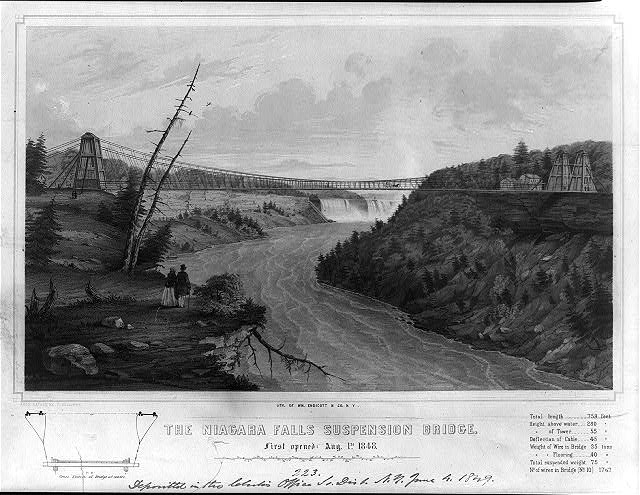
The Niagara Falls suspension bridge. First opened: Aug. 1st. 1848 (c1849 June 4; LOC: LC-USZ62-13648)

First temporary bridge

And I thought Virginia Governor John Letcher made an interesting point about the federal government coercing seceding states back into the Union. Here Union coercion operates in a foreign country and against foreign nationals.

It wasn’t exactly another Battle of Lundy’s Lane (War of 1812), but I like the pluck of the Canadian bystanders helping out the deserter.

The Leader says its sources are credible, so I guess these incidents could have happened, so shortly after the resolution of Trent Affair. There is certainly evidence that Union deserters went to Canada, and, as Canada’s Foreign Affairs and International Trade Department points out, about 100 years later American draft dodgers would once again find asylum in Canada during the Vietnam war.

After its completion the Niagara Falls Suspension Bridge became a terminus on the Underground Railroad as American slaves sought freedom in Canada. Although completed in stages Charles Ellet, Jr. built the the temporary bridge that was opened in 1848.

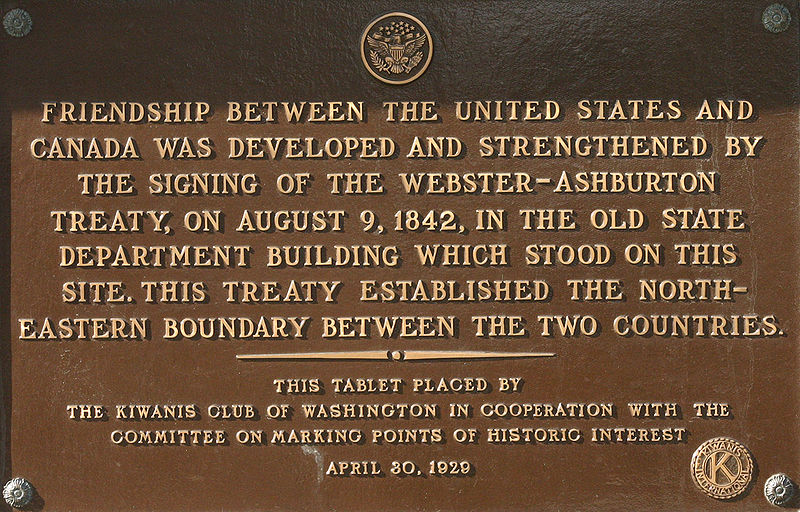
The Webster–Ashburton Treaty was signed in 1842.

	Webster-Ashburton Treaty.jpg  A plaque commemorating the Webster-Ashburton Treaty at the site of the old State Department building in Washington, D.C. where the signing occurred.

Toronto Leader: Guarded bridges make good neighbors

Winfield Scott led a brigade of Americans at Lundy’s Lane.

The map and the photo of the plaque are licensed by Creative Commons.

Posted in 150 Years Ago This Week, Foreign Relations, Military Matters | Tagged , , , , , , | Leave a comment

Blind Tom Mania

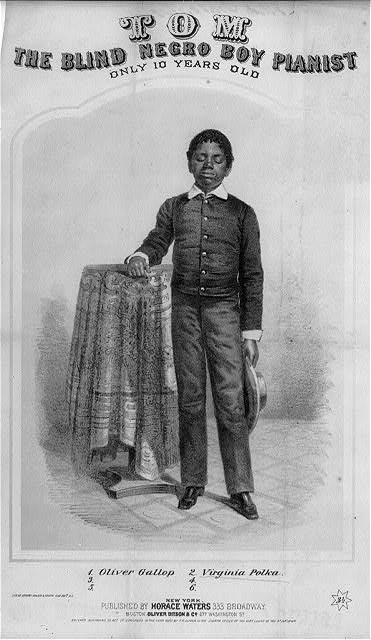
Tom, the blind Negro boy pianist, only 10 years old (c1860; LOC: LC-USZ62-50566)

Endowed with a wonderful power

Blind Tom continues his tour of the CSA.

From the Richmond Daily Dispatch February 10, 1862:

Blind Tom.

–Mr. Oliver announces three more concerts at the African Church, closing, on Wednesday night, so that those who have not yet heard the performances of the youthful pianist, blind Tom, will do well to avail themselves of the present opportunity. There has not, within our recollection, been such a “mania” among the people for hearing a musical celebrity, (Jenny Lind not excepted,) as there is to listen to the unaccountable outpouring of harmony created by this extraordinary child. Nature was in a singular mood when she deprived him of her usual gifts, but endowed him with a power so wonderful that even the acutest intellect is puzzled in seeking an explanation. Tom will visit Fredericksburg after closing his present series of concerts here.

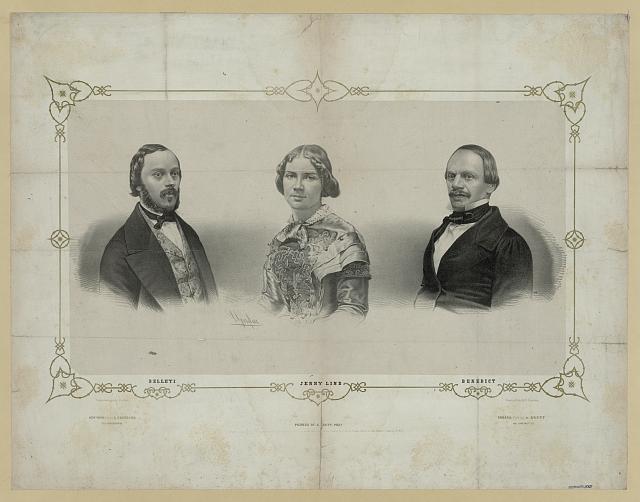
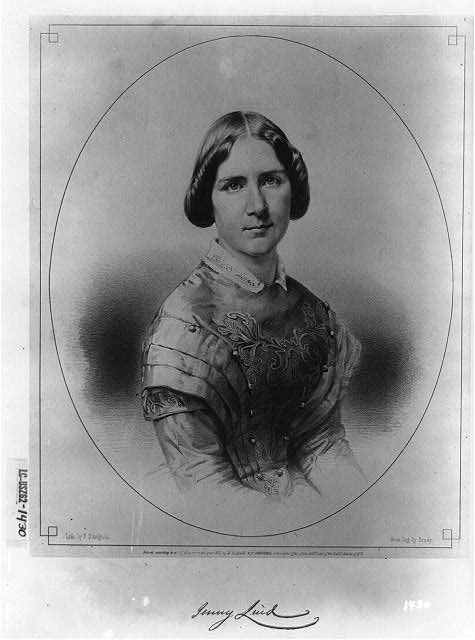
The Dispatch editors talk about a mania over the performances of Blind Tom Wiggins. P.T. Barnum persuaded Jenny Lind to begin an American tour in 1850 with “with a supporting baritone, Giovanni Belletti, and her London colleague Julius Benedict as pianist” – “The enthusiasm of the public was so strong that the American press coined the term “Lind mania”.” Beatlemania would grip the United States about 100 years later.

Belleti, Jenny Lind, benedict (no date recorded on shelflist card; LOC: LC-DIG-pga-00293)

'Fab Three' in America

Jenny Lind (c1850 Sept. 24; LOC:LC-USZ62-1430)

Swedish (Nightingale) invasion

Posted in 150 Years Ago This Week, American Culture, Confederate States of America, Southern Society | Tagged | Leave a comment

Graft in the Union Army?

The GROWLER takes issue with the practice of Union officers increasing their pay by claiming army privates as servants (wink-wink).

From The New-York Times February 9, 1862:

The Pay and Overpay of Army Officers.

To the Editor of the New-York Times:

My attention has been attracted by some articles recently published in your paper, in regard to what is termed an abuse that is sanctioned by general custom in our army, whereby officers draw more day than they are legally entitled to, through the allowances made them for servants.

The writers have very justly denounced the custom as dishonest, but to me it seems to be deserving of a more expressive term, as it is nothing less than theft, committed through the aid of perjury, and at the same time imposing degrading services on our volunteers, which is no part of a soldier’s duty.

In examining officers’ accounts, the Investigating Committee would find an extensive field for their work, and develop facts that would prove the necessity of some supervision in this department, whereby those who hear [bear] the burden of the war would be materially relieved in their taxes, and perhaps our soldiers be exempted from performing the duties of servants, which an unwarranted custom sanctions.

I have conversed with officers on the subject, and they have candidly acknowledged they had no right to the monthly sums they drew, but if the Government paid it to them, they were willing to take it, and justify themselves for the perjury in certifying that they employed a servant and did not employ any private soldier as such, when the reverse was the fact, by saying it was customary, and was winked at.

There are officers to my knowledge who employ from one to two soldiers as servants, and then certify on their pay-roll that they do not do it, and draw the pay, $24 50. for each servant allowed.

As this allowance for a servant is not, according to the regulations, to be paid, if a soldier acts as such, it is high time that those honored with commands to defend our Government, should prove their patriotism by imitating the example of the Lieutenant-Colonel spoken of in to-day’s TIMES*, of whom Secretary CAMERON said, he was the first man who refused to receive more than was due him. GROWLER.

WASHINGTON, Wednesday, Feb. 5, 1862.

*From The New-York Times February 5, 1862.

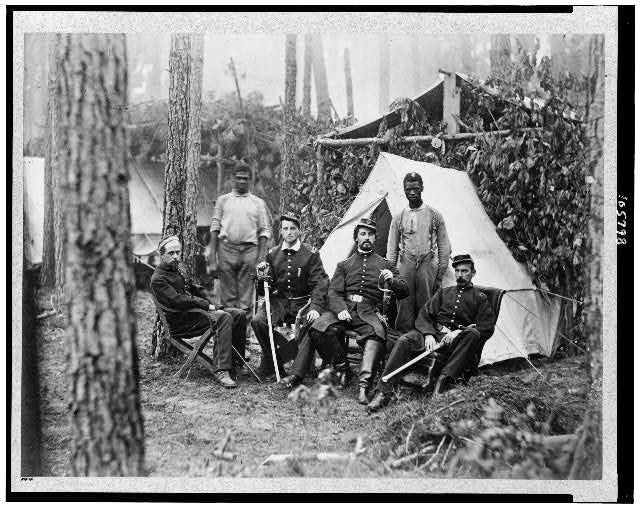
Officers of 114th Pennsylvania Infantry in front of Petersburg, Va., August, 1864 (Four union officers in front of tent, with two Afro-American Servants(?)1864; LOC: LC-USZ62-105798)

Union officers and (possibly real) servants

Posted in 150 Years Ago This Week, Military Matters | Tagged , | Leave a comment

Auf Wiedersehen?

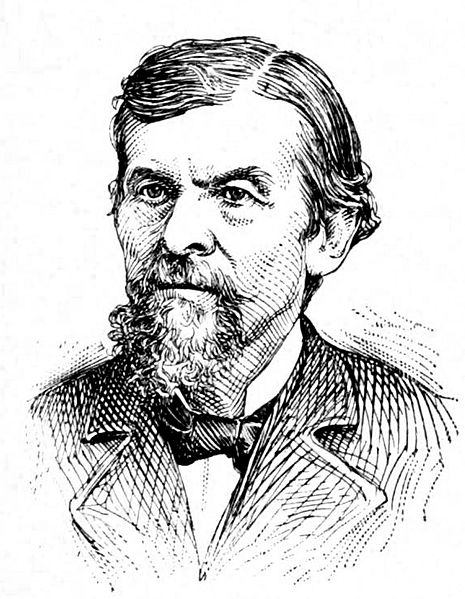
Sigel_Franz (Appleton's Cyclopædia of American Biography, New York: D. Appleton & Co., 1891, Vol. V, p. 524)

taking early retirement?

Apparently Stonewall Jackson was not the only well-known general who contemplated retirement in the winter of 1862. Here’s a note from Union General Franz Sigel.

From The New-York Times February 8, 1862:

A LETTER FROM GEN. SIGEL.

The following brief communication from Gen. SIGEL, to a friend in Detroit, sets at rest the off-disputed question as to whether he did or did not, lately, resign his command in Missouri. It has been authoritatively published in the German papers:

ST. LOUIS, Sunday, Jan. 26, 1862.

ESTEEMED SIR: In relation to the contents of your letter of the 10th inst., received by me yesterday, in St. Louis, I can, unfortunately, only say that a variety of circumstances of a personal nature, but, more especially, the regard and consideration I owe to the troops under my command, have compelled me to send in my resignation. You will, however, not take it amiss in me that I have no desire to leave my command at the moment when the last blow is to be struck against the army of the enemy in Missouri. For the latter reason I have not insisted upon immediate dismissal, but hope that it will be accorded so soon as the Government shall have been fully acquainted with the cause of dispute.

Thanking the Germans of Detroit who have so warmly interested themselves in my behalf — and thereby, too, in their own — I send you cordial greeting, and am yours, most sincerely,

FRANZ SIGEL.

To C. MARXHAUSEN [Marrhausen?], Esq., Editor of the Michigan Journal, Detroit.

It is said that The Michigan Journal was a German language paper published between 1855 and 1876. It was of the Republican political persuasion.

I liked this letter because it’s a good example of Sigel’s value as a political general. German support was very important to the northern war effort. Sigel had the influence with the German community.

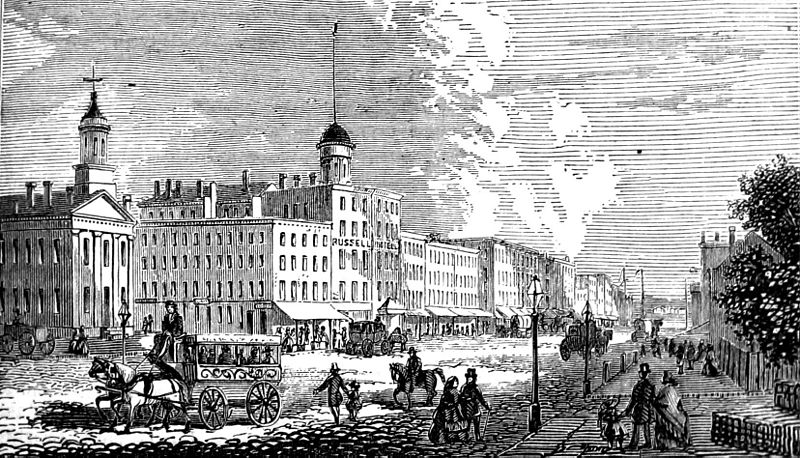
Woodward Avenue, Detroit, 1865 (The loyal West in the times of the rebellion)

Detroit's Woodward Avenue, 1865

Posted in 150 Years Ago This Week, Military Matters, Northern Society | Tagged , , | Leave a comment

Pontoon Games

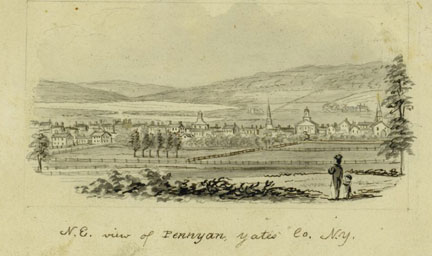
N.E.View of PENN YAN, Yates Co., N.Y. (circa 1856-1860) By John Warner Barber

An engineer source - Penn Yan, New York circa 1856-1860

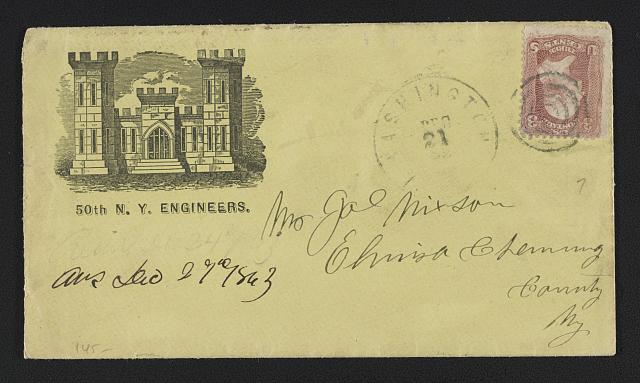
Last month Yates County, NY, in the Civil War published two interesting letters from soldiers in the 50th New York Engineers. I found a couple articles about the 50th from Seneca County newspapers 150 years ago this month. Penn Yan and Seneca Falls are about 20 miles apart as the Canada goose flies.

From a Seneca County, New York newspaper February 6, 1862:

The 50th Regiment

The Penn Yan Democrat has the following in relation to the 50th, Col. Stuart’s Regiment: This excellent regiment is in fine and flourishing condition, and is well clothed, well treated. We do not believe there is another regiment in the service which comprises more sturdy and athletic men, of good character and intelligence. Nearly ninety members of the regiment belong to this county. This kind of service is very desirable for those who can do anything which comes under the head of military engineering, and the pay is larger than any other department. The regiment has been newly clothed “all around,” and furnished with Austrian rifles. We are glad to learn that the efforts of Col. Robbins in recruiting for the regiment in this locality continues to be successful. Fifteen additional recruits will be forwarded to the camp at Washington this week.”

Civil War envelope for 50th New York Engineer Regiment showing armory building (between 1861 and 1863; LOC: LC-DIG-ppmsca-31714)

A regimental envelope - from D.C. to Elmira, NY

In another Seneca County article from February 1862 the editors copy a report from a New York City newspaper. The 50th demonstrated its skill in building pontoon bridges:

Col. Stuart’s Engineer Regiment

A Washington correspondent of a New York paper says two companies of pontooners belonging to Col. Stuart’s fine Regiment of Engineers, gave a lively and novel exhibition of pontooon drill, to a large and select party of ladies and gentlemen, Tuesday last.

Charles B. Stuart, civil engineer (between 1850 and 1880; LOC: LC-USZ62-94415)

a young C.B. Stuart

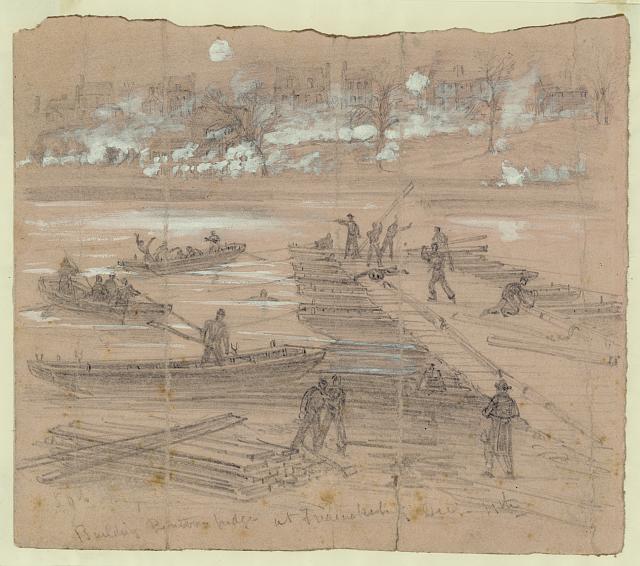
A road-way, three hundred feet in length of sufficient strength to support the weight of the heaviest loads that accompany a well-appointed army – and to resist the action of currents – was thrown across the Anacostic in less than 39 minutes, and completely dismantled in 23. It was a splendid sight to see the batteaux rowed into place and anchored, the balks or stringers laid across, and the chessies or plank, and side rails covering all – thus making a complete and secure bridge for the passage of infantry, cavalry, artillery, &c.

Building pontoon bridges at Fredericksburg Dec. 11th. (by Alfred R. Waud 12-11-1862; LOC: LC-DIG-ppmsca-21209)

The practice will come in handy

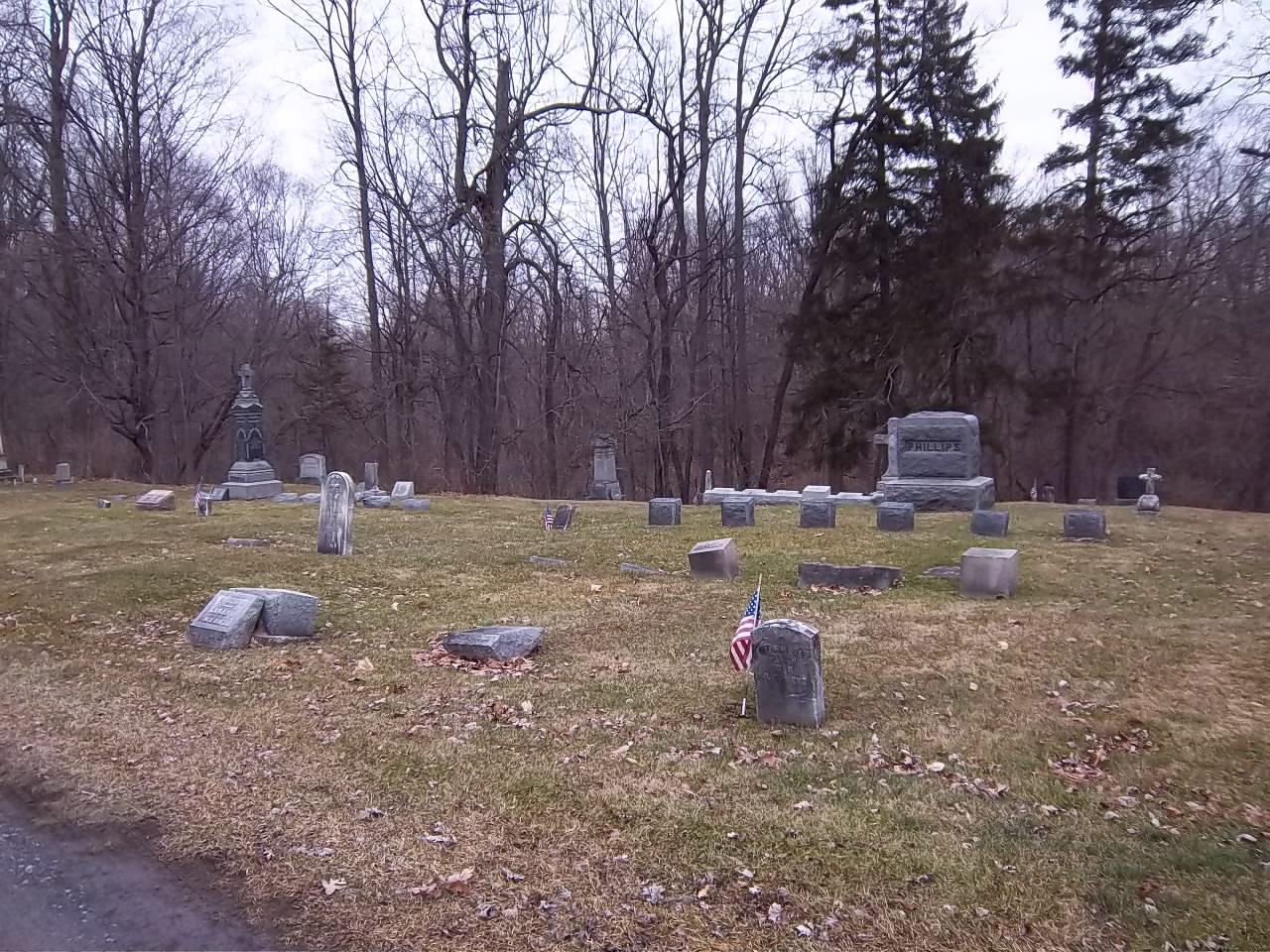
The 50th New York Engineer Regiment was recruited throughout the state. Seneca Falls was one of the towns that supplied recruits for Company K. This link also says: “Great assistance was rendered by the 50th in laying the bridges before the battle of Fredericksburg, when they were under continuous fire from the enemy’s sharpshooters.”

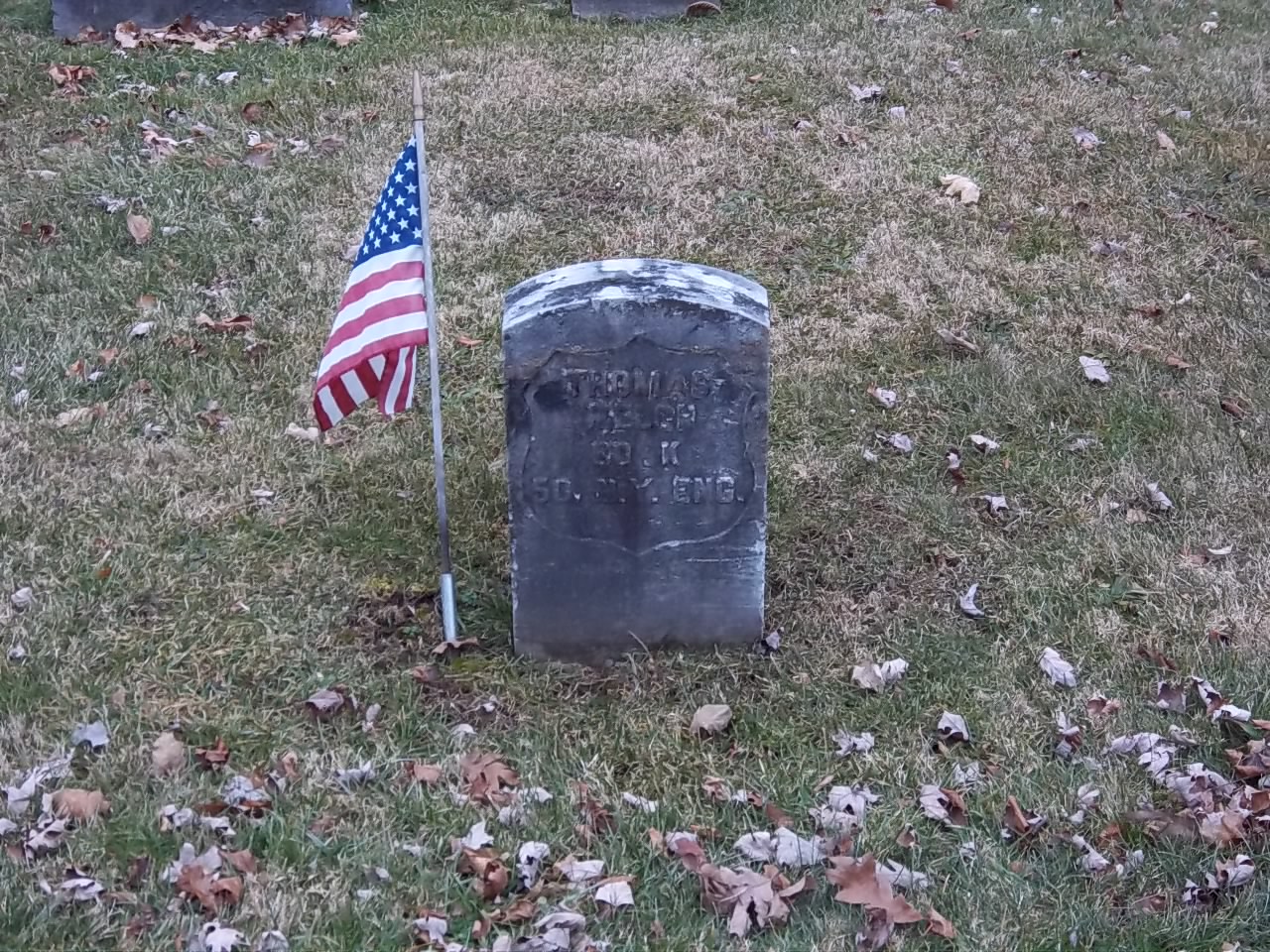
Thomas Welch grave, Restvale Cemetery. Seneca Falls, NY (02-05-2012)

Approaching grave of company K's Welch

Thomas Welch grave Restvale Cemetery, Seneca Falls, NY 02-05-2012

'Thomas Welch CO.K 50. N.Y. ENG.

Posted in 150 Years Ago This Week, Military Matters | Tagged , , , , , | 1 Comment

Yankees = Dishonest Romans

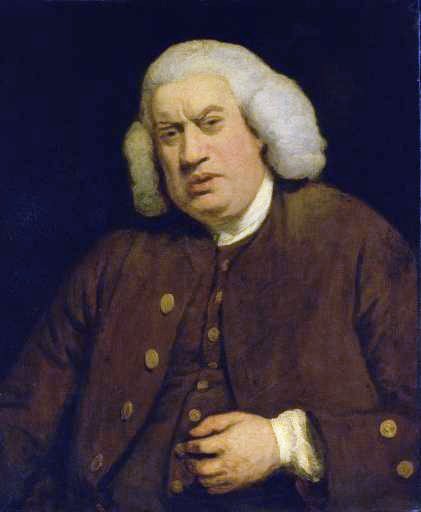
Samuel_Johnson_by_Joshua_Reynolds

Dr. Johnson - Mercury's inspiration

150 years ago today the Union captured Fort Henry on the Tennessee River. Of course, no one in Richmond knew this as they perused their newspapers. However, readers of the February 6, 1862 edition of the Richmond Daily Dispatch would have been able to find out that the Charleston Mercury was still spewing and/or eating fire:

The Romans and the Yankees.

Dr. Johnson observed, of the ancient Romans, that, “When poor, they robbed others, and when rich, themselves.” What was true of the Romans, is about to be realized of our Yankee neighbors. When poor, they robbed us. From being the most sterile and in hospitable portion of the United States, they became the wealthiest and most prosperous. But there is this difference between the Yankee and the Roman: The Roman was no hypocrite. With his sword in hand, he said, “sic volo, sic jubco [jubeo?].” He was a brave, frank robber; but our Yankee brethren began their robbery with lies — they continued it with lies, and they have ended it with lies.–Charleston Mercury.

It looks like Samuel Johnson, also referred to as Dr. Johnson, really did write something very similar.

Posted in 150 Years Ago This Week, Confederate States of America, Southern Society | Tagged , , | Leave a comment

The Lounger Lauds Lincoln

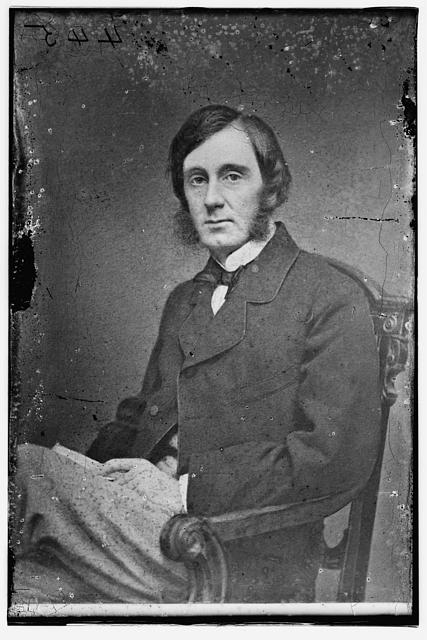
Geo. Wm. Curtis (between 1855 and 1865; LOC: LC-DIG-cwpbh-02947)

George William Curtis aka The Lounger

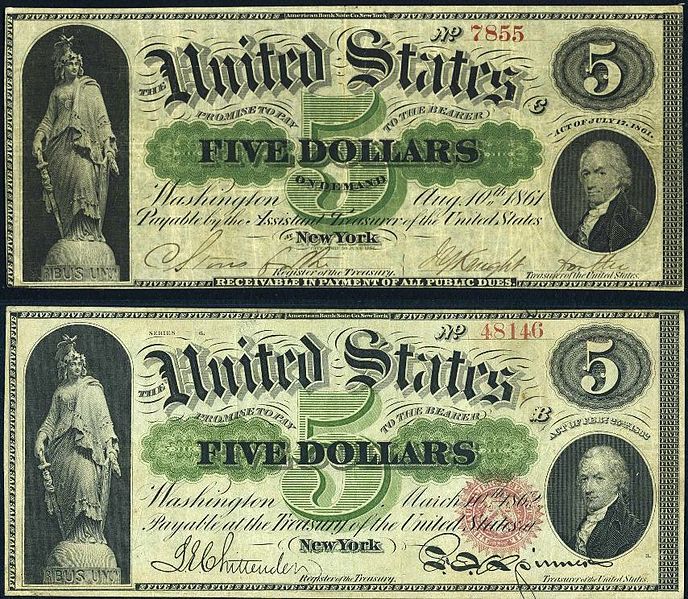
The Son of the South provides a great service by serving up digitized copies of Harper’s Weekly for the entire duration of the American Civil War. The February 1, 1862 issue includes an article about how the Union political leaders were trying to develop schemes to fund the war and deal with the growing public debt. The First Legal Tender Act was enacted on February 25, 1862.

Also on the same page is a column by “The Lounger”. It is said that “The Lounger” was one of the pseudonyms of George William Curtis, a Rhode Island-born journalist who was also involved in forming the Republican party. He actively campaigned for Fremont in 1856 and “was soon recognized not only as an effective public speaker, but also as one of the ablest, most high-minded, and most trustworthy leaders of public opinion.” (Wikipedia)

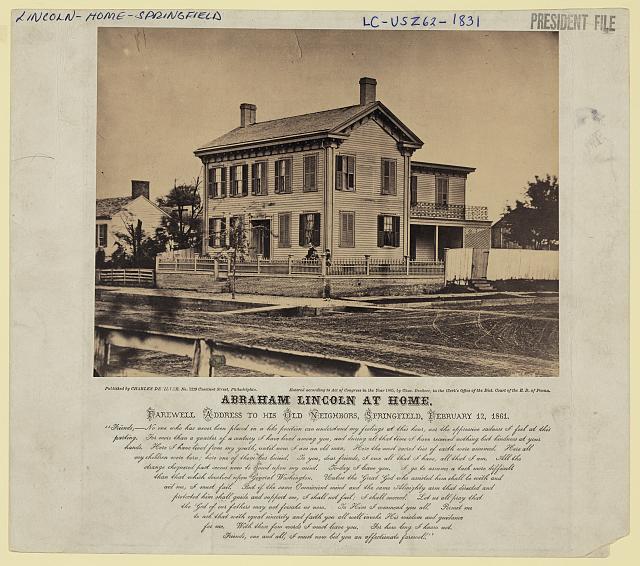
Abraham Lincoln at home (Photo shows the house where Abraham Lincoln lived in Springfield, Illinois, with presidential candidate Abraham Lincoln standing on the terrace, with his sons Willie and Tad. 1860, c1865; LOC: LC-DIG-ppmsca-23724)

From Springfield to 'most purely national and loyal' president

In his February 1st column Curtis opined on a number of topics. He anticipated Doris Kearns Goodwin by over a century by giving President Lincoln kudos for including Democrats in his administration:

THE President certainly gives proof of the fact that he regards the question of the suppression of the rebellion to be a purely national question, entirely independent of party. The policy of his Administration, falling upon so critical a time, has been to gather to the national standard all loyal men, whether they were Republicans or Democrats. The peril of the nation annihilates party, and whoever forgets that fact, the President does not. He is the most purely national and loyal Chief Magistrate we have had for many a year.

Curtis moved on to the question of the growing war debt and the importance of northern citizens being taxed to pay for the war:

The question of the tax is simply, Are we in earnest? Are we willing to know that the expense is vast, and to pay it honestly, every cent? It is easy enough to print a myriad reams of prettily engraved notes, and to agree to take them for money. But they are not money; and, like all outer lies, they will come to naught, and bring us to confusion. Are we in earnest ? For if we are, we shall gladly economize, and economize again. If we are, we shall be willing enough to be poor, but never to be dishonored.

Demand_Legal_Comparison

pretty paper of green

In the “penny wise pound foolish” department The Lounger thought the federal government should not cut funding for the Coast Survey because much of the Union success in the war so far had been along the southern coast (excluding Fort Sumter); also, for the North to continue to make use of its naval superiority it had to have accurate knowledge of its targets. And Curtis saw the survey as an investment in science and civilization while the North went about its brutal business of putting down the rebellion:

Besides, we all naturally wish that we may, as far as possible, avoid the usual brutalizing effects of war. It is its tendency to crush all purely scientific and intellectual progress and life. In our great desire to throttle rebellion we may forget that it is therefore doubly necessary that all humanizing and civilizing processes should be continued. It is our constantly widening and deepening intelligence which confirms our political advance. Without knowledge Democracy is a delusion. Even Great Britain, in her long French wars, fighting for existence, as she now confesses, did not discontinue this kind of work. Why should we? The Coast Survey is invaluable for the immediate purpose of the war. It is a monument of our consciousness of the value of science to a nation. Its expense is small. Is its suspension a cheap economy?

The Lounger’s column also included anticipation of a major Union offensive and a discussion of some of the contractor abuses while Simon Cameron ran the War Department. Curtis supported the abolition of the franking system. He closed with praise for Joseph Cogswell who was retiring from his job running New York’s Astor Library.

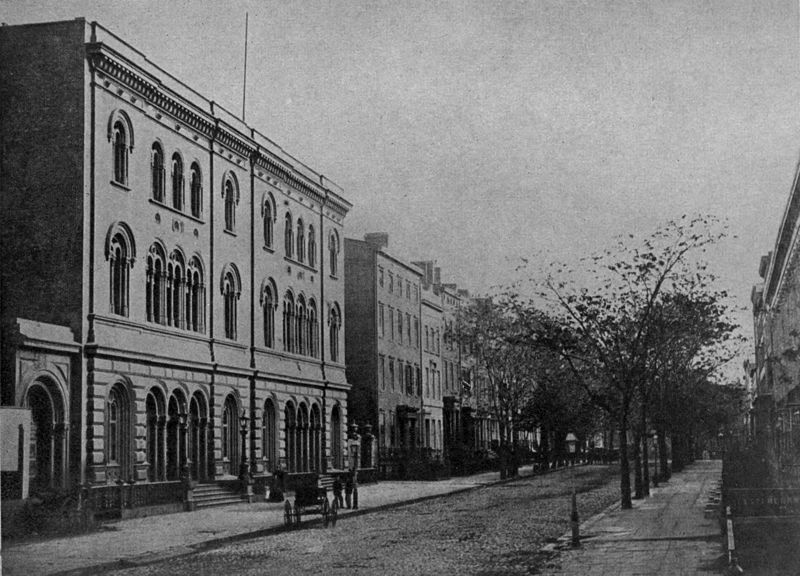
Photograph of the Astor Library building around 1870.

Astor Library c1870

Posted in 150 Years Ago This Week, Lincoln Administration, Northern Politics During War, Northern Society | Tagged , , , , | Leave a comment

Enveloping Responsibilty

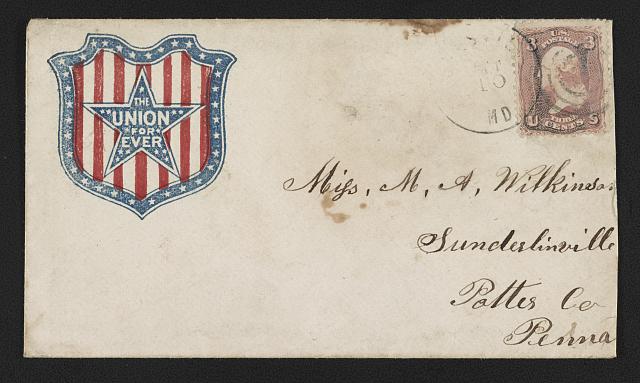
Civil War envelope showing shield and star bearing message 'The Union forever' (between 1861 and 1865; LOC: LC-DIG-ppmsca-31704)

223 and counting

Can’t we just let the professional politicians worry about it?

_________________________________________________

The suspense was driving me crazy

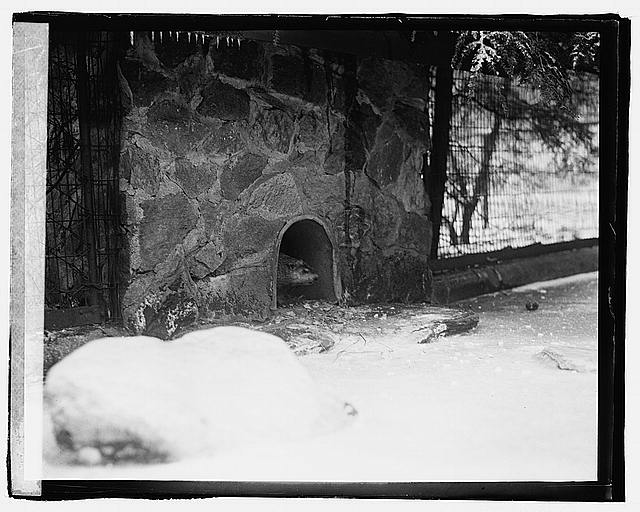
Ground hog (1920; LOC: LC-DIG-npcc-01058)

'Geez, It looks kinda cold out there'

Posted in American Culture, American Society | Tagged , | Leave a comment