Donating to Loyal North Carolinan Relief

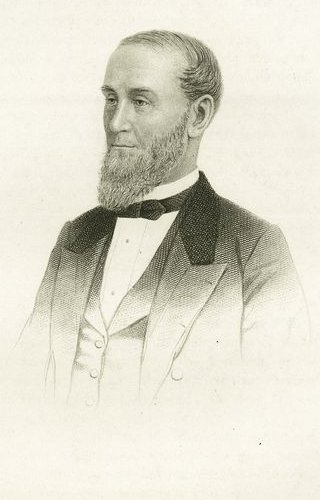
Alexander_Turney_Stewart.nypl.org (engraving circa 1860)

Alexander T. Stewart: retailing magnate loves North Carolina

From The New-York Times November 24, 1861:

A Handsome Donation.

BROADWAY AND CHAMBERS STREET, Friday, Nov. 22, 1861.

To J.M. MORRISON, ESQ. — Dear Sir: It gives me great pleasure to send you a check for $500, for the “Relief Fund for Loyal Citizens of North Carolina,” for which State I have ever had a warm affection, and I cherish the hope that she will be among the first to be restored to that Union of which she was so true a friend, and from which she has been nominally severed, against the real interest and the wishes of her substantial people. Yours, very truly,

(Signed,) ALEXANDER T. STEWART.

Irish-born Alexander Turney Stewart used some money his grandfather left him to open a store in New York City in 1823. It is estimated he was earning an annual income of $1,000,000 by 1869. Stewart also pioneered mail-order beginning in 1868. U.S. Grant nominated him to be United States Treasury Secretary in 1869, but the senate did not confirm him.
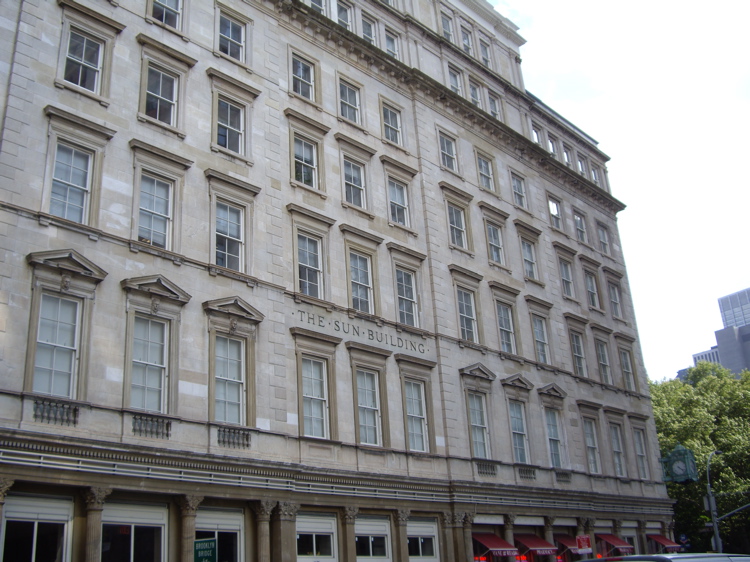
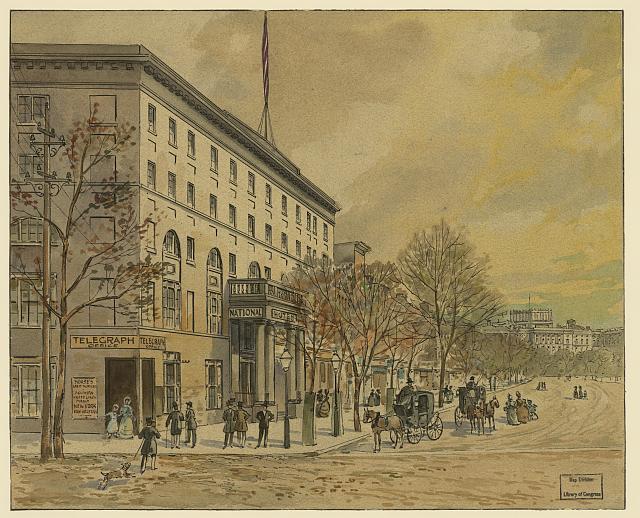
280 Broadway, Manhattan, New York City, New York State

"The cradle of the department store" at 280 Broadway
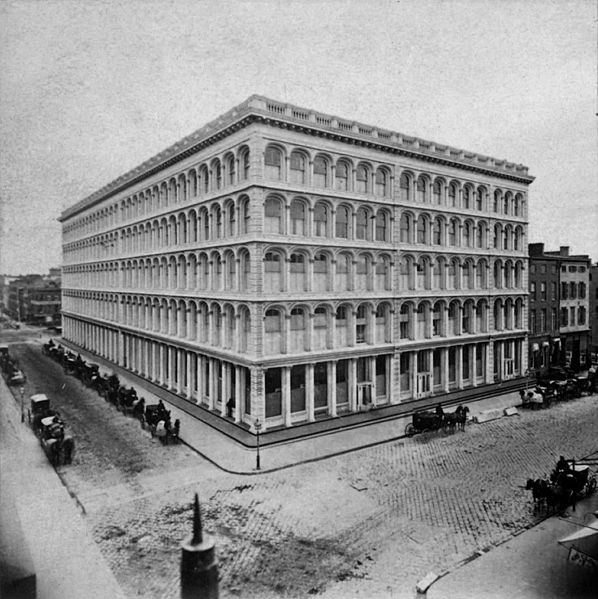
A.T. Stewart's Retail Store, Broadway and 10th Street.

Stewart's newer store opened in 1862 - the iron palace

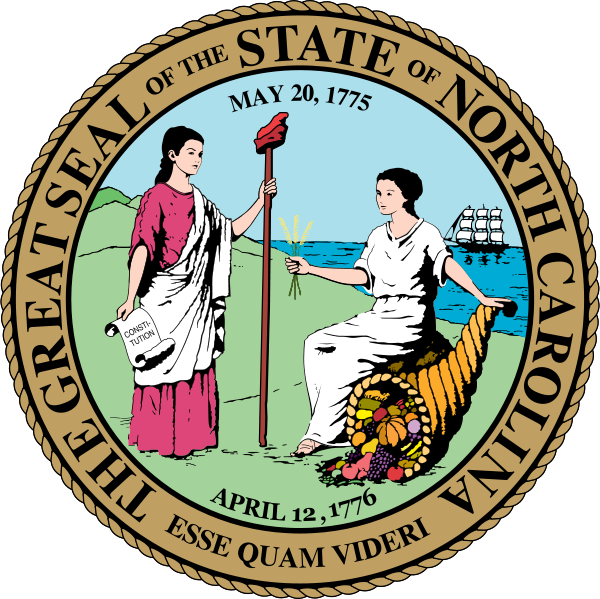
It seemed a coincidence that this was published today in sesqui-time – who knows maybe if things had worked out differently we might be able to view the Stewart’s Thanksgiving Day Parade. Speaking of coincidences – there’s a cornucopia on the North Carolina state seal.

One of the Legendary Explanations of the term Tar Heel seems appropriate for today’s story:

Reluctant secession

The State of North Carolina was the next to last state to secede from the United States of America, and as a result the state was nicknamed “the reluctant state” by others in the south. The joke circulating around at the beginning of the war went something like this: ” Got any tar?”- “No, Jeff Davis has bought it all.”- “What for?”- “To put on you fellow’s heels to make you stick.” As the war continued, many North Carolinian troops developed smart replies to this term of ridicule. Such as when the 4th Texas Infantry lost its flag at Sharpsburg. Passing by the 6th North Carolina a few days afterwards, the Texans called out, “Tar Heels!”, and the reply was, “Ifin you had had some tar on your heels, you would have brought your flag back from Sharpsburg.”
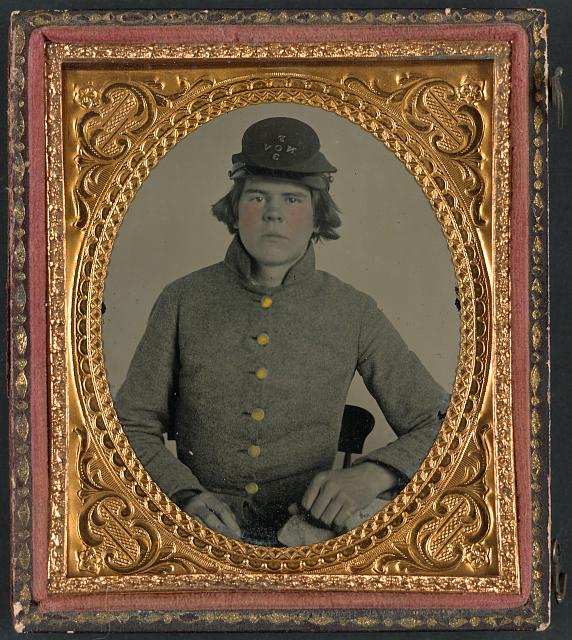
Unidentified young soldier in Confederate uniform with North Carolina state seal buttons and North Carolina Volunteers hat (between 1861 and 1865; LOC: LC-DIG-ppmsca-31291)

Young North Carolinian in gray

Seal of North Carolina

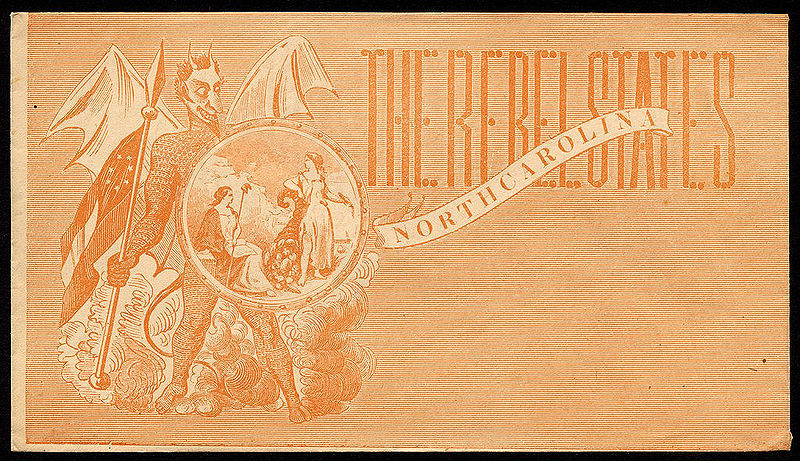
Pictorial envelope produced during the American Civil War showing the Devil holding the North Carolina state seal and a Confederate flag. (LOC)

Stewart's view: temporarily misguided state

Dmadeo’s photo of the building at 280 Broadway is licensed by Creative Commons. Wikipedia cites 1st North Carolina Cavalry for that particular explanation of the term Tar Heel.

Happy Thanksgiving!
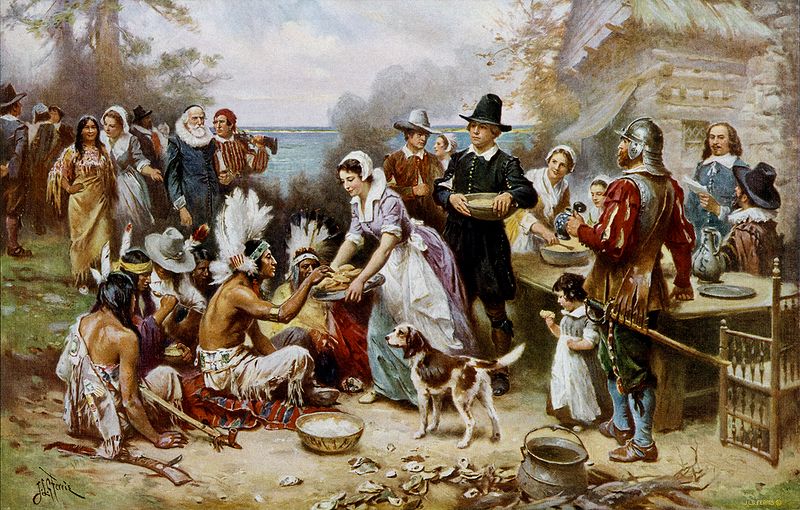
The First Thanksgiving by Jean Leon Gerome Ferris

The First Thanksgiving by Jean Leon Gerome Ferris (c1932; LOC: LC-USZC4-4961)

The above view of the 1621 feast was painted by Jean Leon Gerome Ferris, an American who was born about six weeks after the Battle of Gettysburg and Surrender at Vicksburg.
Posted in 150 Years Ago This Week, Northern Society | Tagged , , | Leave a comment

Reynard Escapes Hounds

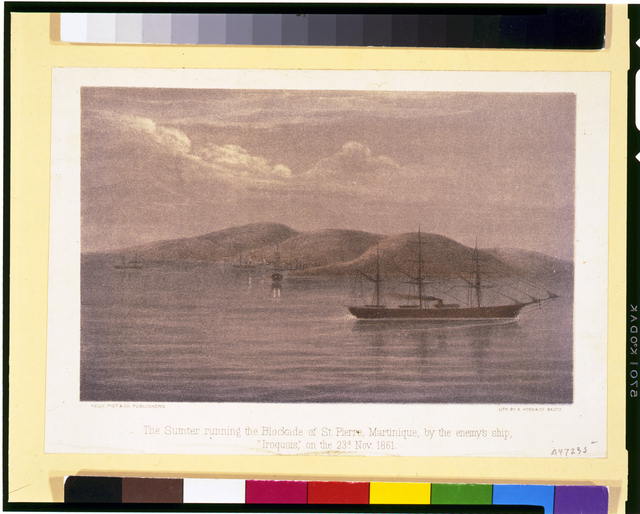
The Sumter running the blockade of St. Pierre, Martinique, by the enemy's ship, "Iroquois," on the 23d. Nov. 1861(from Semmes' 1869 book; LOC: LC-USZC4-4176)

Sumter escapes at St. Pierre

150 years ago tonight the CSS Sumter commanded by Raphael Semmes gave the USS Iroquois the slip at St. Pierrre, Martinique, which was officially neutral as a French possession. James S. Palmer commanded the Iroquois. Here’s a bit from Raphael Semmes’ 1869 book, Memoirs of service afloat during the war between the states:

The Iroquois had arrived, on the 14th of November. It was now the 23d, and I had waited all this time, for a dark night; the moon not only persisting in shining, but the stars looking, we thought, unusually bright. Venus was still three hours high, at sunset, and looked provokingly beautiful, and brilliant, shedding as much light as a miniature moon. To-night the 23d the moon would not rise until seven minutes past eleven, and this would be ample time, in which to escape, or be captured. …

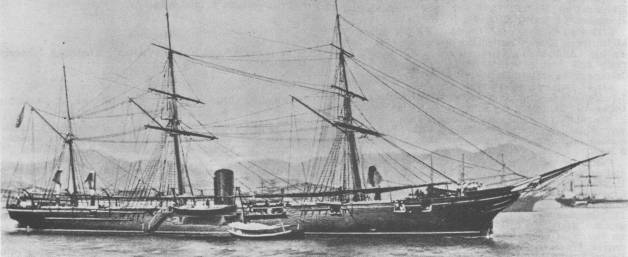
USS Iroquois 1859

USS Iroquois - menaces but can't capture the Sumter

As the reader may suppose, I had stationed a quick- sighted and active young officer, to look out for the signals, which I knew the Yankee schooner was to make. This young officer now came running aft to me, and said, “I see
them, sir! I see them! look, sir, there are two red lights, one above the other, at the Yankee schooner s mast-head.” Sure enough, there were the lights ; and I knew as well as the exhibitor of them, what they meant to say to the Iroquois, viz. : ” Look out for the Sumter, she is under way, standing south!”

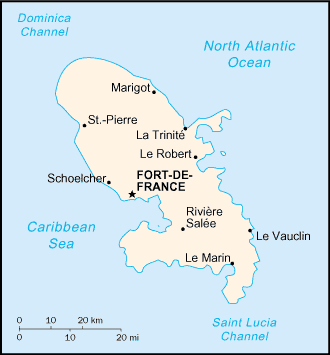
Martinique-Map

Fox Sumter feints south - heads back north

I ran a few hundred yards farther, on my present course, and then stopped. The island of Martinique is mountainous, and near the south end of the town, where I now was, the mountains run abruptly into the sea, and cast quite a shadow upon the waters, for some distance out. I had the advantage of operating within this shadow. I now directed my glass toward the Iroquois. I have said that Captain Palmer was anxious to catch me, and judging by the speed which the Iroquois was now making, toward the south, in obedience to her signals, his anxiety had not been at all abated by his patient watching of nine days. I now did, what poor Reynard some times does, when he is hard pressed by the hounds I doubled. Whilst the Iroquois was driving, like mad, under all steam, for the south, wondering, no doubt, at every step, what the [?] had become of the Sumter, this little craft was doing her level- best, for the north end of the island. It is safe to say, that, the next morning, the two vessels were one hundred and fifty miles apart! Poor Palmer! he, no doubt, looked haggard and careworn, when his steward handed him his dressing- gown, and called him for breakfast on the 24th of November ; the yell of Action’s hounds must have sounded awfully distinct in his ears. …

You can read a more favorable review of Palmer’s work at Navy and Marine.

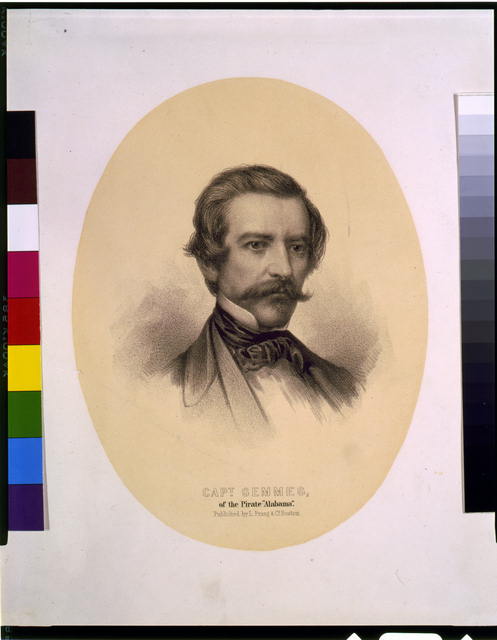
Capt. Semmes, of the pirate "Alabama" (between 1862 and 1865; LOC: LC-USZC4-2385 )

Semmes authors fox-like evasion

Posted in 150 Years Ago This Week, Military Matters, Uncategorized | Tagged , , , | Leave a comment

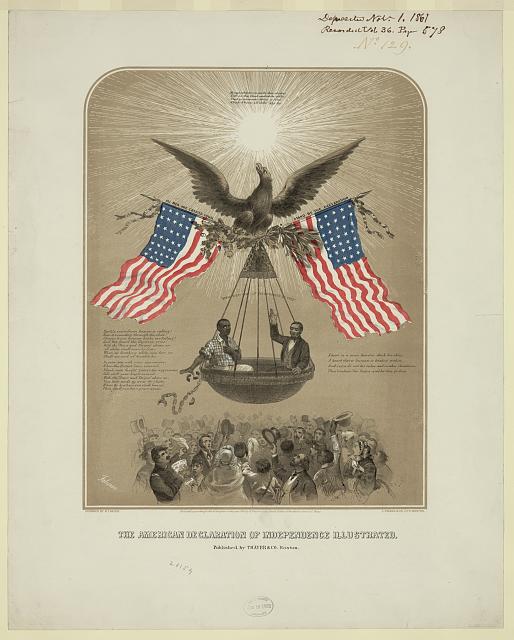
Up (Up, and Away) from Slavery

The American Declaration of Independence illustrated (c.1861; LOC: LC-DIG-pga-04029)

Abolitionist war aim - 1861

You can read a description of this image at the Library of Congress.

Henry would almost certainly agree with the sentiment. From the Richmond Daily Dispatch November 22, 1861:

Ranaway–$100 reward.

–Ranaway, on Monday, a Negro Boy, named Henry; about five feet eight inches high; black man there [stammers?] slightly about twenty or twenty-two years and weight about 50 [150?] pounds; formerly belonged to Capt. John Wright, of Plain View, P. O. King and Queen county, Va., The above reward will be paid on his delivery to me at my office, in this city. He may be making his way to West Point, Va., He has a wife in that neighborhood. His upper teeth are dark, from tarter on them.

oc 22–ts Benjamin Davis.

Posted in 150 Years Ago This Week, Northern Society | Tagged , , | 1 Comment

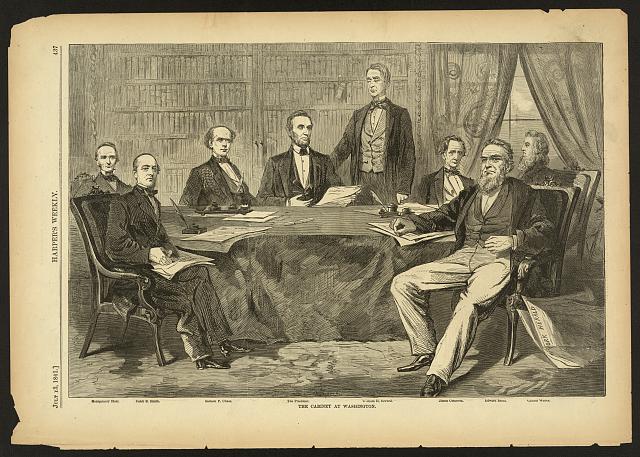
No More Purloining & Flattering Press?

The cabinet at Washington (1861; LOC: LC-DIG-ppmsca-19482)

Keep those documents locked up

From The New-York Times November 21, 1861:

THE GOVERNMENT AND THE PRESS.

Arrangements have been made between the Heads of Departments in Washington and the representatives of the New-York Press, by which, it is hoped, much of the inconvenience and dissatisfaction hitherto connected with the publication of official documents may be avoided. Up to the present time, there has been nothing like system introduced into this matter; it has been left to take care of itself. Every leading newspaper has kept three or four reporters in Washington, mainly to watch the Departments, and get hold first of such official documents as might be in their possession. The business thus became a mere scramble, entailing infinite annoyance upon the Secretaries and Heads of Bureaus, and leading to practices in the highest degree derogatory to the character and position of the Press. It became dangerous to leave a public document upon any Secretary’s desk, lest it should mysteriously disappear and make its first appearance in the columns of some enterprising newspaper. Some journals, much more zealous for news than for the preservation of their self-respect, devoted themselves to the purchase of special favors in this way, by filling their columns with fulsome flattery of special members of the Government who had them to bestow, and unscruplous abuse of others who might decline thus to traffic for their own advantage in documents belonging to the Government and the people at large. The whole thing was becoming a nuisance to the Secretaries, fatal to the independence and self-respect of the Press, and degrading to the gentlemen employed as reporters at Washington.

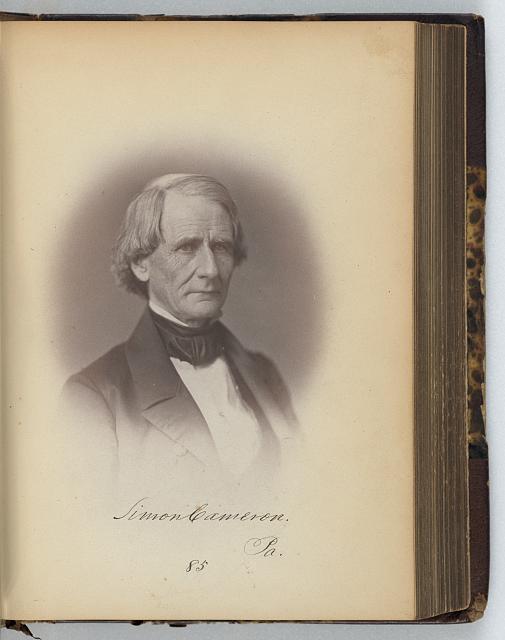
Simon Cameron, Senator from Pennsylvania, Thirty-fifth Congress, half-length portrait (1859; LOC: LC-DIG-ppmsca-26624)

Secretary Cameron: more system in document disclosure

The matter was finally taken in hand by the Secretary of War, and put upon a better footing, with the hearty concurrence of every branch of the Government. It has been agreed that all official documents of whatever kind, emanating from the Departments, shall be delivered to the general agent of the Associated Press at Washington, — and to him alone, — for prompt and simultaneous transmission to such papers as may desire to receive them by telegraph. This will put an end at once to complaints or suspicions of favoritism on the one side, and of bad faith or the betrayal of confidence on the other. It will relieve the Secretaries from the annoyance of being dogged every day by an army of reporters, eager to get sight of some official document in their possession, and will enable reporters and correspondents to devote their attention to some more intellectual, department of their profession, than that which has hitherto engrossed the larger share of their attention.

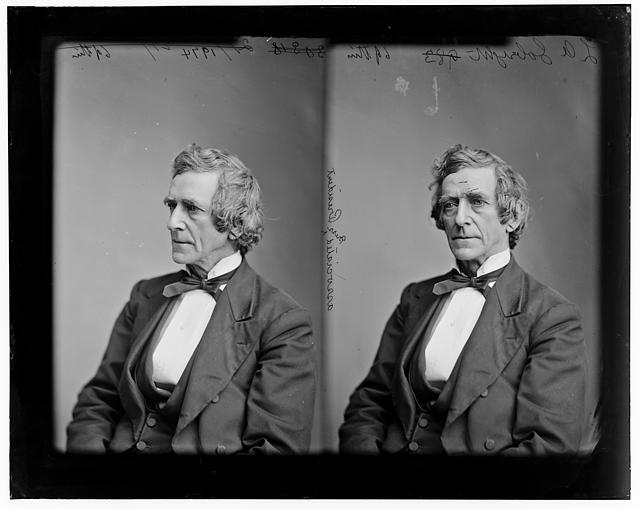
L.A. Gobright, Pres of Associated Press (between 1865 and 1880; LOC: LC-DIG-cwpbh-05107)

Lawrence A. Gobright - two angles

In England and France this matter has long been reduced to as much method as any other branch of the public service. The French Government publishes all its official documents in the Moniteur alone, leaving other papers to copy from its columns. In England every document which the Government desires to have made public is sent simultaneously to all the London daily journals: and such a thing as favoring one at the expense of another, with such intelligence, no matter what may be its position or political character, is utterly unknown. The same course will now be pursued here, to the very

It seems logical to give the information to the Associated Press, and its Washington correspondent was well-respected.

The chief Washington journalist for the Associated Press at this time was Lawrence A. Gobright, whom you can read about at Mr. Lincoln’s White House:

By the Civil War, Gobright was a newspaper veteran and the most experienced journalist in the city, having begun his reporting in Washington in 1834. When he died, the New York Times reported that respected Gobright “was one of the most honest, upright and faithful of men, and during the civil conflict he enjoyed the fullest confidence of President Lincoln and Secretaries Seward and Stanton, often being called upon to assist them in the preparation of proclamations and other important documents which were finally intrusted to his hands for telegraphing.”1 Gobright was a witness to and reporter of many of the important events of Lincoln’s presidency from his inauguration to his death.

Washington, D.C. 1860

Washington D.C. (1860; LOC - LC-DIG-ppmsca-23071)

Posted in 150 Years Ago This Week, Lincoln Administration, Northern Society | Tagged , , | Leave a comment

Keepin’ Jeff in the Whale’s Belly

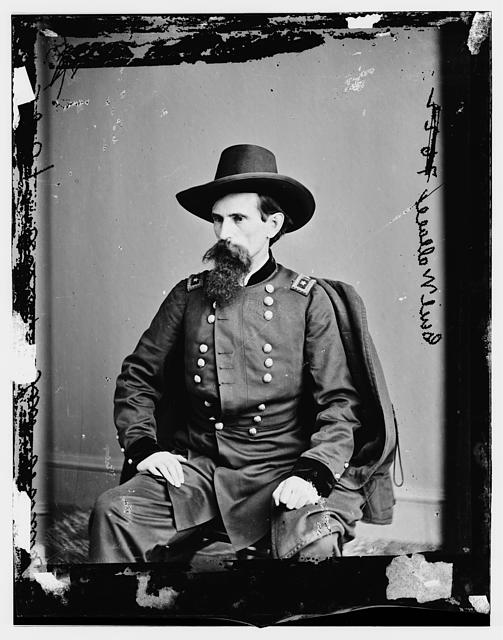
Gen. Lew Wallace (between 1861 and 1865; LOC: LC-DIG-cwpbh-00934)

Lew Wallace - flamboyant toast

From the Richmond Daily Dispatch November 19, 1861:

Black Republican Decency.

–We clip the following from the Evansville (Ia.) [In.?] Journal of the 6th, and give it as a specimen:

A Rick Town. [?]–Lew, Wallace, after the reception of his commission as Brigadier-General, gave a Notification to the gallant 11th regiment. Among the standing toasts drank on that occasion was the following toast in boner [honor?] to Jeff. Davis:

May he be set afloat in an open boat without rudder or compass; may that boat and contents be swallowed by a shark, and the shark swallowed by a whale, that whale in the devil’s belly, and the devil in hell, the door locked and key lost — and further — may he be chained in the southwest corner of hell, a northeast wind blow ashes in his eyes to all eternity, G — d d– him.

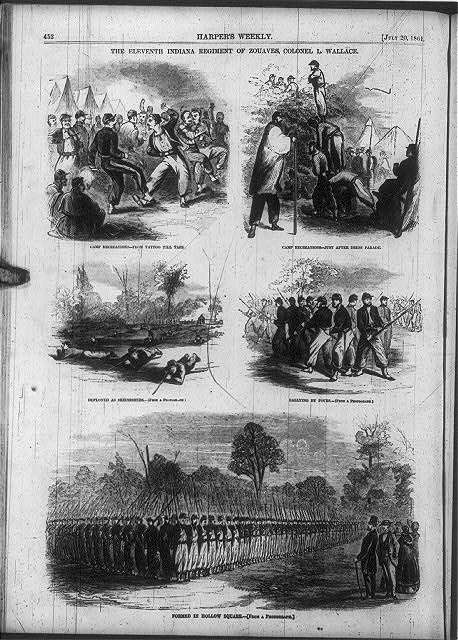
The Eleventh Indiana Regiment of Zouaves... (Harper's Weekly, 1861 July 20; LOC: LC-USZ62-55174)

Colonel Wallace had the 11th Indiana dancing together in camp

Lew Wallace was a lawyer and state senator in his home state of Indiana:

At the start of the American Civil War, Wallace was appointed state adjutant general and helped raise troops in Indiana. On April 25, 1861, he was appointed Colonel of the 11th Indiana Infantry. After brief service in western Virginia, he was promoted to brigadier general of volunteers on September 3 and given the command of a brigade.

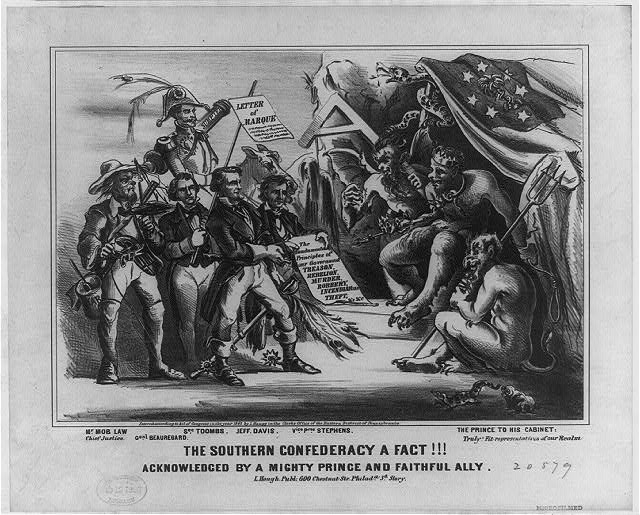
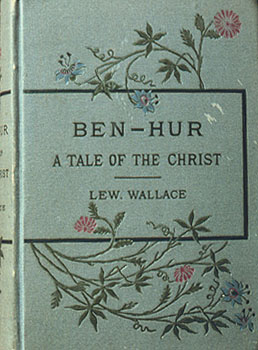
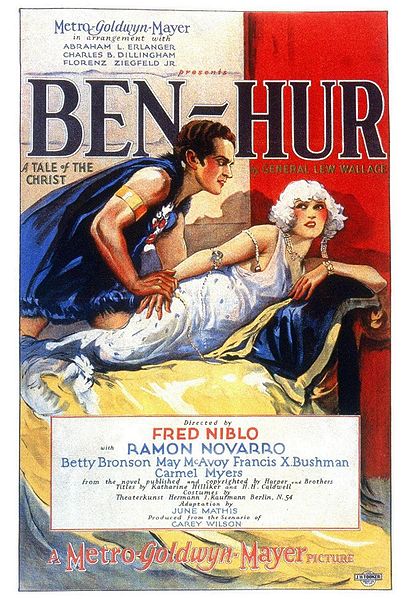
To the extent that this is a factual story, it seems that Wallace is making sure there is no redemption for Jefferson Davis a la the biblical Jonah … or for that matter, like a theme in Ben-Hur: A Tale of the Christ, Wallace’s 1880 book.

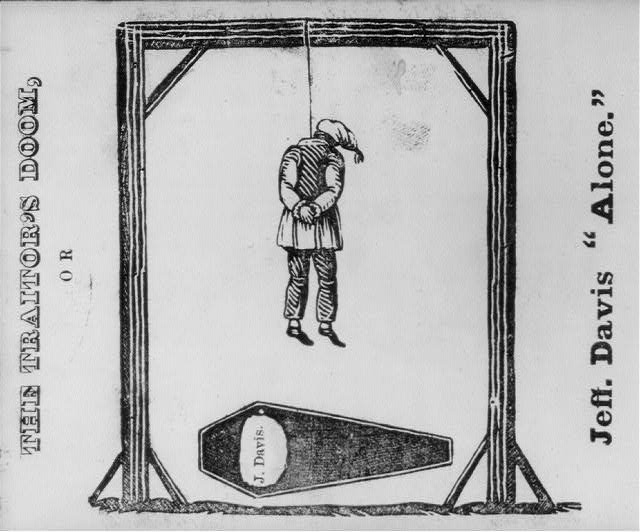
Illustrated Civil War "Union Envelopes": The Traitor's Doom, or Jeff. Davis "Alone" (between 1861 and 1865; LOC: LC-USZ62-53599)

Jeff Davis on wartime Union envelope

The Southern Confederacy a fact!!! Acknowledged by a might prince and faithful ally (Philada. : L. Hough Publ., 1861; LOC: LC-USZ62-89624)

Soulmates

Wallace_Ben-Hur_cover

Published in 1880

Ben Hur-1925 movie

1925 flick

Posted in 150 Years Ago This Week | Tagged , | Leave a comment

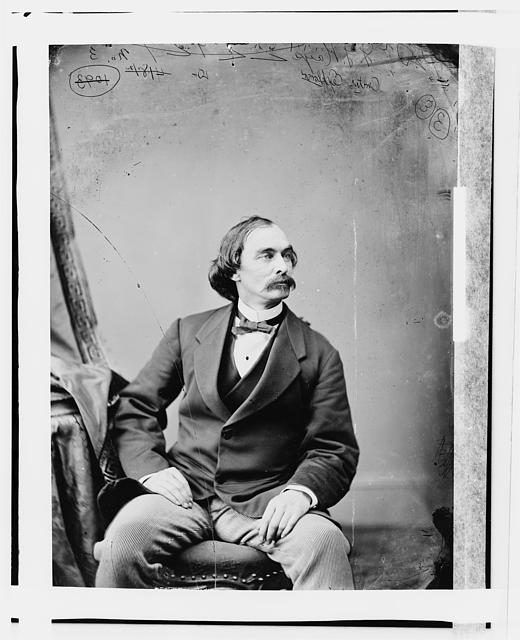
Albert Pike Visits Richmond

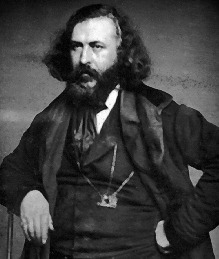
AlbertPikeYounger

Albert Pike

From the Richmond Daily Dispatch November 18, 1861:

Arrival of Gen. Albert Pike–his success in the West.

Gen. Albert Pike, of Arkansas, arrived in Richmond last Saturday, on business connected with his labors among the Indian nations of the West as Commissioner of the Confederate States. His mission, thus far has proved an entire success, and favorable treaties have been made with all the numerous and powerful tribes scattered through the vast territory lying between Kansas and New Mexico. They have now four regiments of troops in the field, and are making common cause with the South. The advantage of such an alliance at this time is incalculable, and the ultimate results will be no less important. The enmity of these Indians in such an emergency as the present, would have been a source of perpetual annoyance and injury. The hazardous and laborious undertaking of Gen. Pike, and its successful accomplishment, entitle him to the highest praise and gratitude.

Albert Pike was born in Boston in 1809 but lived mostly in Arkansas from 1833 until at least the Civil War. As a lawyer Pike

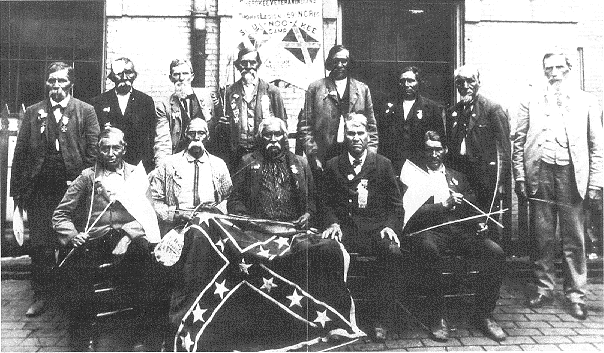
… made several contacts among the Native American tribes in the area, at one point negotiating an $800,000 settlement between the Creeks and other tribes and the federal government. This relationship was to influence the course of his Civil War service. At the beginning of the war, Pike was appointed as Confederate envoy to the Native Americans. In this capacity he negotiated several treaties, one of the most important being with Cherokee chief John Ross, which was concluded in 1861.

Pike was commissioned as a brigadier general on November 22, 1861, and given a command in the Indian Territory. With Gen. Ben McCulloch, Pike trained three Confederate regiments of Indian cavalry, most of whom belonged to the “civilized tribes”, whose loyalty to the Confederacy was variable. …

You can read more about Pike at Civil War Studies and Bits of Blue and Gray.

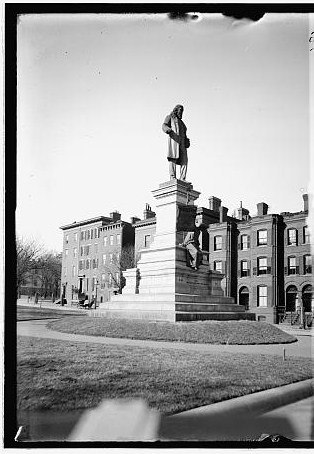
Albert Pike statue (between 1909 and 1919; LOC: LC-DIG-npcc-19486)

Pike Statue in Washington, D.C.

Cherokee Confederate reunion in New Orleans in 1903

Cherokee Confederate reunion in New Orleans in 1903

Posted in 150 Years Ago This Week, Confederate States of America | Tagged , | Leave a comment

Blockading off Cape Canaveral

And Hoping to Store the Prisoners at Fort Taylor at Key West

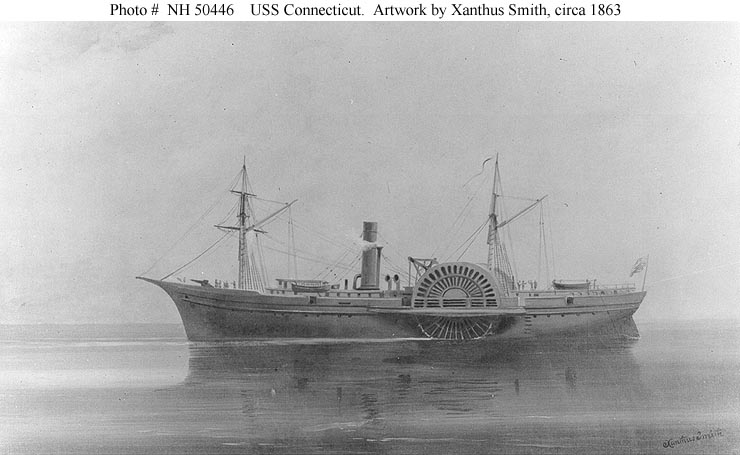
USS_Connecticut_(1861-1865)

USS Connecticut

150 years ago today the USS Connecticut captured the Adeline off Cape Canaveral as part of the Union blockade. The Adeline “hoisted English colors”. Here’s a couple letters from the Connecticut’s commander, Maxwell Woodhull. From Official records of the Union and Confederate navies in the War of the Rebellion:

Report of Commander Woodhull, U. S. Navy, commanding U. S. S. Connecticut, of the capture of the schooner Adeline.

U. S. S. Connecticut,

At Sea, November 18, 1861.

Sir: Yesterday (Sunday), at about 3 o’clock p. m., we fell in with a schooner under all sail, standing inshore on the starboard tack. We gave chase. When within half a mile of her the schooner hoisted English colors. I ordered her to be hove to and boarded her. She proved to be the schooner Adeline, of Nassau, being of American build and otherwise suspicious, besides being rather too much out of her course for her destination (said to be New York). I concluded to make an examination of her papers and letters. We found in possession of one of the nominal crew, a citizen of Georgia (although really the owner of the cargo), sufficient indications of her purpose of running the blockade. I therefore took her in charge, brought the crew on board the Connecticut, and placed an officer and prize crew on board. When we took possession of her, at 3:15 p. m., Cape Canaveral bore W. S. W. 15 miles, in 18 fathoms water.

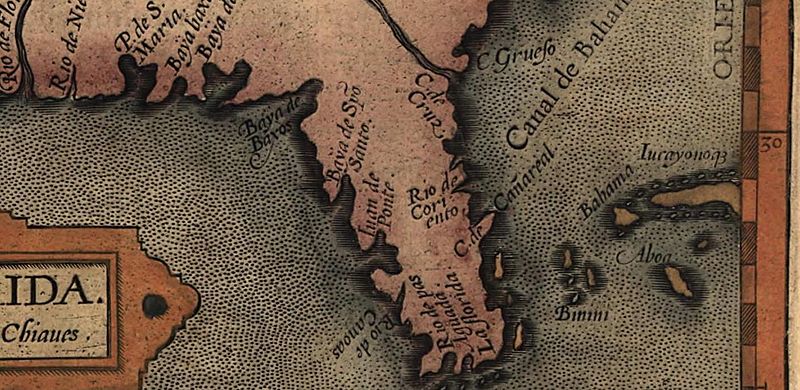
1584 - Canavaral

Mapping Florida - 1584 style

You will find among the papers and letters sufficient evidences of the intentions of those who were controlling her movements.

Accompanying this you will find the papers and the letters above mentioned.

Very respectfully, your obedient servant,
M. Woodhull, Commander, U. S. Navy.

Judge Marvin, U, S. District Judge, Key West.

______________________________________________

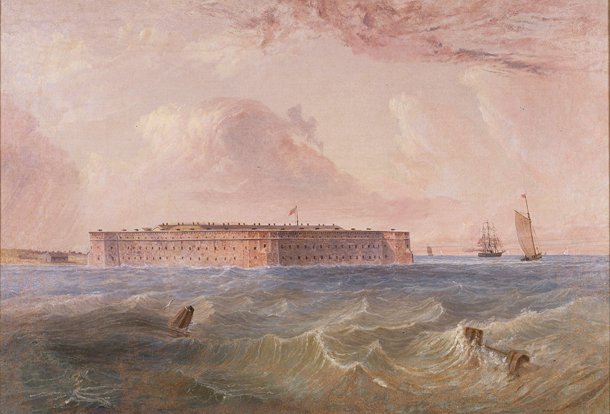
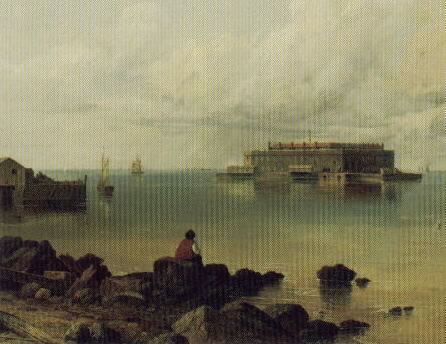
Fort Taylor, Florida by Seth Eastman (1808 - 1875) Oil on canvas, 1870-1875

Fort Taylor at Key West

Letter from Commander Woodhull, U. S. Navy, to Major Hill, U. S.
Army, regarding custody of prisoners captured in the schooner
Adeline.

U. S. S. Connecticut,
Key West, November 19,1861.

Sir: I captured in the schooner Adeline three persons, who, I think, should be carried to the North and retained as prisoners of war. One is a captain in the service of Georgia; the other is the master of the schooner and an old offender, who nas been running the blockade for some time; the third person is a Bahama pilot, too well acquainted with our Southern coast to continue much longer at large. I find I must leave these men at this port, to be examined as witnesses, or I should keep them on board under my own care.

Will you do me the favor to take charge of these persons and retain them as prisoners in the fort until I return to reclaim them, permitting, however, the civil authorities, through the proper officials, to take their testimony?

Very respectfully, your obedient servant,

M. Woodhull, Commander, U. S. Navy.

Major B. H. Hill, U. S. Army,
Commanding Fort Taylor, Key West,

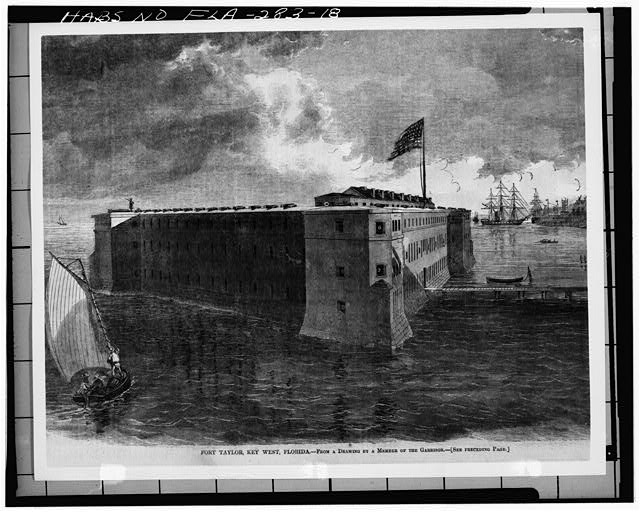
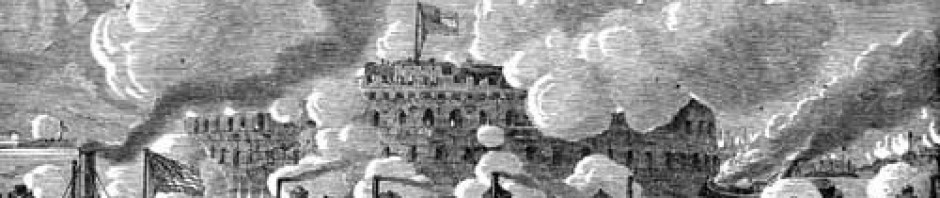
Fort Taylor, Key West (Harper's Weekly - 1864; LOC: HABS FLA,44-KEY,2-18)

Fort Taylor, 1864

Posted in 150 Years Ago This Week, Military Matters | Tagged , , , | Leave a comment

A Little Less Liberty in Liverpool

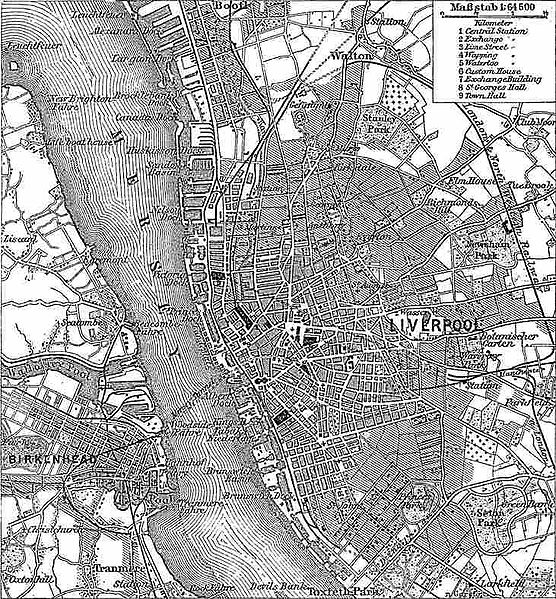
Map of Liverpool 1888

Cloak and Dagger Land - Liverpool 1888 map

From The New-York Times November 16, 1861:

AMERICAN POLITICAL SPIES IN ENGLAND.; THE GRIEVANCE NOT TO BE BORNE.

From the Liverpool Mercury.

We had hitherto supposed that Russia was the chief country where political espionage was recognized as an institution, and where this branch of business was attended to so completely that the breathings at the domestic hearth, as well as the discourse in public places, were diligently caught up and reported by some concealed listener, or by some spy who assumed the more familiar shape of a bosom friend. But it seems that a system little less oppressive and all-pervading is actually being adopted in Liverpool by the agents of the United States Government with regard to the sayings and doings of residents who are supposed to have Secessionist predilections, or who may be directly or indirectly connected with the South. We heard the other day, upon excellent authority, that one of the members of an influential Liverpool firm is watched as systematically and tenaciously as if he were known to be hatching some infernal machine which would annihilate President LINCOLN and his whole Cabinet at one blast. A mysterious stranger, in the person of a “private detective,” is ever on his truck. “The gentleman cannot leave his office but this odious “double” is seen shuffling about the doorway. Whether he walks, rides or visits, he is sure at some turn to encounter the same tormenting and scrutinizing gaze. At home he is not safe; for, when he imagines himself snug with his family his demon may be noticed peering in at the window or hovering about the threshold until the victim reappears, once more to undergo the daily round of dogging and hunting, and as evening approaches he is again “earthed” at home. Nor is this all. It is reported that the domestics of the gentleman alluded to have been waylaid, and questioned as to his habits and operations; while it is stated that in his case, as in the case also of other “suspected” persons and firms, goods concerned from the manufacturing districts have been opened on their transit to Liverpool, inspected, and their contents duly noted and reported. In order to show the extent to which these proceedings are carried on, as well as their vindictive character, we may mention that several friends of the merchant in question, and others, have been reported as passengers by a particular steamer, and, on their arrival at New-York and Boston, have been searched, and in some instances imprisoned. Where these things are known — and during the last few days they have been the theme of much remark in mercantile circles — they have excited general surprise and indignation; these feelings having been manifested quite irrespective of the general views entertained with regard to the imbroglio now convulsing the States; for it is believed that such proceedings are entirely opposed to that freedom which British subjects have a right to claim, and that they are calculated only to engender a spirit of contempt and animosity towards the Northern authorities. We might say more, but sufficient has been said to indicate the course of espionage which is being pursued, and to draw attention to it in quarters whence probably some address may be obtained.

From the London Herald.

There is one thing that must be done, and done at any hazard. American spies must be put down in England. It is intolerable that the Liverpool Exchange should be infested with New-York and Washington detectives in plain clothes; that in Liverpool dining-rooms and bar-rooms and counting-rooms, Englishmen must be careful what they say about the Federal or Confederate States, lest they compromise some one or other, or open Fort Lafayette to their business partners in New-York or elsewhere. There, however, the evil is not said to stop, for goods in transitu are alleged to have been tampered with by unknown hands for fear they should be contraband. Such practices cannot be allowed in this country, and their prevention on board English steamers should also, as far as possible, be suppressed. In the way of suppression at sea the difficulties, of course, are great, for the retention on board an English steamer in New-York of an American spy, would convulse the Northern States, and possibly occasion war. Nor, we confess, will suppression be without difficulties on the land; for what are we to make of suspicions characters who follow people and thrust themselves into situations that they may hear what is said? Perhaps representation to the Federal Government by Earl RUSSELL would be the best and only course to take; and it is inconceivable that the Federal Government would persist in this refined mode of trapping on its attention being called to the inconvenience and abuse. Whatever the course taken the practice must be put down, for it is at variance with our laws and with the spirit of the constitutional government under which we live.

Well, a members of the Maury family was living in Liverpool at this time.

You can read about “When Liverpool Went Dixie” at the BBC. The U.S. Consul to Liverpool, Thomas Haines Dudley had a book written about him: Lincoln’s spymaster: Thomas Haines Dudley and the Liverpool network.

Posted in 150 Years Ago This Week, Foreign Relations, Lincoln Administration | Tagged , , , | Leave a comment

Tales from the North … Way North

Surgeon and Explorer Reports on Latest Exploit; Does not Ask for More Money Because War’s On

Isaac Israel Hayes (between 1860 and 1875; LOC: LC-DIG-cwpbh-00491)

Isaac Israel Hayes

From The New-York Times November 15, 1861:

ARCTIC EXPLORATIONS.; Lecture of Dr. J.S. Hayes before the New-York Geographical and Statistical Society. DR. HAYES’ REPORT.

A great throng of the beauty and intelligence of our City assembled Wednesday evening in the spacious and elegant lecture-room of the New-York Historical Society, near the corner of Second-avenue and Tenth-street, to listen to the Report which the celebrated Arctic explorer, Dr. J.S. HAYES, had been invited to make public there before the Geographical and Statistical Society. The hall was filled in every part as early as 7 o’clock, and the proportion of ladies among the audience was unusually large.

Rev. Dr. JOSEPH P. THOMPSON, the Secretary, then welcomed the distinguished guest in an eloquent and touching address, which Dr. HAYES, when the renewed applause that greeted him had subsided, appropriately responding, acknowledged as follows:

MR. PRESIDENT, LADIES AND GENTLEMEN: It is with feelings of profound pleasure and satisfaction that I meet, to-night, the members of the Geographical Society, the contributors to the Arctic fund, and the ladies who honor us and the occasion with their presence. I come before you to render an account of the use which I have made of the generous confidence which, in concert with citizens of Philadelphia, Boston and Washington, you have given me, in placing under my charge an enterprise having for its object the completion of one of the most important scientific explorations at present engaging the attention of men. I thank you for your cordial reception, and I shall ever treasure it in my memory, and in it will always find ample reward for whatever of privation my sixteen months’ absence may have cost me.

I trust that you have not forgotten the last occasion upon which I had the honor to meet you in this hall, and I want words to express the pride and gratification with which I am assured, by your friendly reception of me this evening, that, amid the cares and anxieties which, as patriotic citizens, you must all feel in the war which has threatened the integrity of the Union, you have found leisure to extend a welcome to, and to express your sympathy with, myself, my companions, and Howard [?] our little expedition.

Since we last met in this hall great changes have taken place. When I left the regions of eternal ice, I little dreamed that a powerful rebellion was desolating my country, and that civil war was raging among a people which I left prosperous and happy. This great national calamity alters the relations under which we now meet. Had there been peace, I should have come before you to solicit a continuance of your countenance and influence in aiding the further prosecution of Arctic discovery; but for the present I cannot think of it. The day has come when the Republic has a right to demand the time, the money, the energies, and, if need be, the life upon the battle-field, of even the humblest of her citizens. …

We had heard no certain news of events at home, excepting through some papers seen in a Greenland port, and they narrated merely the incidents transpiring up to the close of March last, including the inauguration of the new President. On our way to Halifax, we resorted to a device to obtain intelligence in the stormiest weather from a passing vessel. In the midst of a severe blow, a ship steering eastward, and consequently, as we thought, coming from some port on the American Continent, was passing near enough to read written inquiries.

So, we painted in huge black letters, on a piece of canvass, the question, “Is there war in the States?” and placed our bulletin over the side next to the strange vessel. Some one on board of her read it and replied by writing on her quarter with chalk, the simple word, “Yes!” and in this way and to this extent only did we obtain the eagerly desired information. [Hilarity and applause.] …

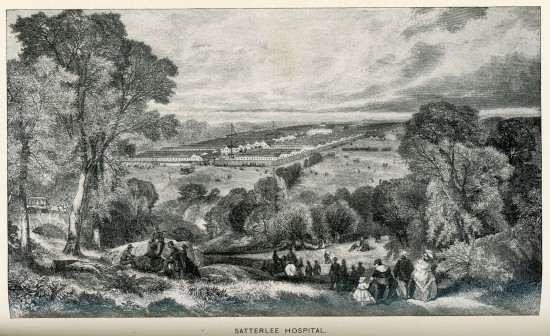
Satterlee-Hospital_Records-vol.-8-550x336

Satterlee Hospital

According to Wikipedia Isaac Israel Hayes may have misrepresented some of his findings so that he could claim that his expedition had reached the highest latitude ever. He also claimed to have seen the fictional Open Polar Sea. It is true that after he returned in 1861, Hays commanded the 4500 bed Satterlee Hospital in Philadelphia. It was one of the largest Union hospitals during the Civil War. The Sisters of Charity provided the nursing. The hospital did good work (assuming no one was cookin’ the books):

By May 1864, Satterlee had treated more than 12,000 patients and suffered only 260 deaths, a remarkable accomplishment considering the sanitary conditions of the day.

The American Geographical Society was founded in 1851 in New York City.

Posted in 150 Years Ago This Week, Northern Society | Tagged , , , | Leave a comment

U.S. Marshal Breaks Out the Penknife

pen knife

A trunk with a hidden compartment, international intrigue, … the “Pathfinder of the Seas”???

No. I spent time the past three blogging days on a wild goose chase. I do not think the M.F. in this story is the famous oceanographer who joined up with the CSA at the outbreak of the war, but I think he is certainly related to the family in this story.

From The New-York Times November 10, 1861:

DISCOVERY OF TREASONABLE CORRESPONDENCE.

From the Cleveland Herald, Nov. 5.

In the early part of the week, U.S. Inspector IVES seized a trunk going South, with its owner, Mr. RUTSON MAURY, which on examination was found to contain seventy-nine letters from foreign countries to different parties in the South. These letters were secreted among the clothing and some in the “pocket” of the trunk.

Later in the week another trunk, belonging to [M.?] F. MAURY, brother of RUTSON MAURY, also containing a number of letters carefully stowed away to elude detection, was seized. Both trunks were placed in the possesion of the U.S. Marshal.

Fort Lafayette - Brooklyn

Fort Lafayette

RUTSON MAURY was very solicitous to get possession of his trunk, professing indifference as to the fate of the letters, but the authorities here were inexorable. MAURY then started for Washington to prevail upon Secretary CHASE to issue an order for the delivery of the trunk, representing that it only contained the wearing apparel of himself and wife, and that the letters having been removed, there were no contraband articles in it. Yesterday Marshal BILL received an official letter inquiring into the circumstances of the case.

Such extreme anxiety to get possession of a trunk, the contents of which would not amount to the expense of the owner’s journey to Washington and back to obtain it, aroused the suspicion of the Marshal that there was more in it than he had yet discovered. The liberal use of a penknife at last revealed the existence of a large pocket, skillfully concealed in the substance of the trunk, and hid by pasting a false lining over it In this pocket were two hundred and fifteen letters, addressed to various parties in the Southern States. Of these two were for Eastern Virginia, eighteen for Alabama, thirteen for Texas, one for South Carolina, and the remainder for New-Orleans. These letters were from different places in France, England and South America. Two of the letters were from Rio Janeiro.

A memorandum among the letters, addressed to JAMES MAURY, New-Orleans, says that “M.F. MAURY will be in New-Orleans on the 8th of November and leave on the 11th. You understand.” From this and other memoranda, it is evident that JAMES MAURY is connected in some important official character with the New-Orleans Post-office, and that M.F. and R. MAURY are traveling agents of the rebel Post-office Department, whose business is to gather the letters at New-York or other points, and smuggle them through to the South. Many of the letters hurt [have?] been consigned to the care of parties in New-York, where names have been carefully cut out. There is also [???] that packages of letters are sent to parties in New-York, and then redirected to their destinations.

The seizure of the letters carried by these two men are of great importance. It is to be hoped that the traitors will be arrested.

I think that Matthew Fontaine Maury is related to James and Ruston Maury based on evidence at William & Mary’s Swem Library here and here. It seems that the famous Matthew Fontaine is Rutson’s cousin. The M.F. in this story must have been named after the ex-U.S. naval officer and oceanographer, who did spend time abroad during the Civil war.

By November 19, 1861 it appears that both Rutson and M.F. had been detained. There is evidence that on November 2, 1861 the authorities in Cleveland seized M.F. Maury’s trunk containing between 600 and 700 letters for the South. By the 19th Ruston was detained at Fort Layafette.

***The image of the knife is from WP Clipart.

Posted in 150 Years Ago This Week, Confederate States of America, Lincoln Administration | Tagged , | 1 Comment