Canadian Kibosh

From The New-York Times October 9, 1861:

THE REBELLION.

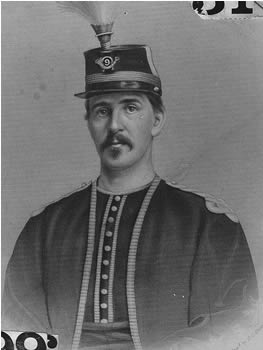
… From the Toronto papers we receive particulars of the arrest of Col. RANKIN, member or the Provincial Parliament, for enlisting recruits for the American Army. The offence urged against Col. RANKIN in the complainant’s affidavit is, that he has agreed to accept a military commission to enter into the service of the United Slates, and that he has induced divers of the Queen’s lieges to enlist in the same service. This offence is said to be in violation of the Canadian statute known as “The Foreign Enlistment Act.” In answer to a gross, vulgar attack on Col. RANKIN in the Toronto Leader, that gentleman has thought proper to publish a reply, in which he maintains that, under British law, he and his associates have “a perfect right to enrol themselves in the cause of freedom — that of the North against the South.” And he further says that “there will be no lack of Canadian gentlemen not only willing but eager to avail themselves of the opportunity now presented to them of achieving an honorable distinction.” From the success of Col. RANKIN in filling up his regiment with Canadian recruits, this statement would seem to be literally true. …

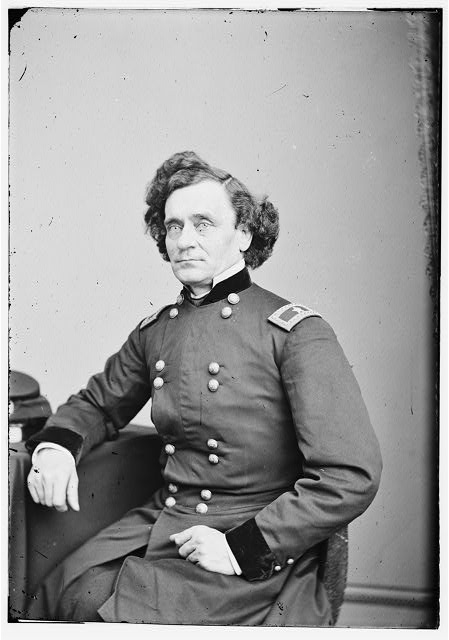
Canadian Colonel Arthur Rankin led an adventurous life, which included a role fighting against Northern U.S. citizens during 1838’s Battle of Windsor.

From Windsor’s Scottish Heritage:

In 1861 he [Rankin] returned to Essex to regain his parliamentary seat. But before the session opened, he embarked upon another bizarre international adventure: In July of that year he volunteered to raise a lancer regiment to serve in the Union army in the American Civil War. After discussing the issue with President Lincoln, he was commissioned with a warrant to raise the regiment, with the understanding that most of the men would be Canadians. Canadians, however, were aghast that a militia colonel – he had been promoted commander of the 9th Military District in 1856 – and a Member of Parliament would serve in the American army, and, moreover, would recruit Canadians for enlistment in a foreign army. In October Rankin was arrested in Toronto for breaching the Foreign Enlistment Act, and although he was never convicted, he was forced to resign his American commission. His lancer regiment never saw action and was disbanded in 1862.

You can see the recruiting poster for Rankin’s Lancers at Library and Archives Canada
Posted in 150 Years Ago This Week, Military Matters | Tagged , | Leave a comment

Commerce? What Commerce?

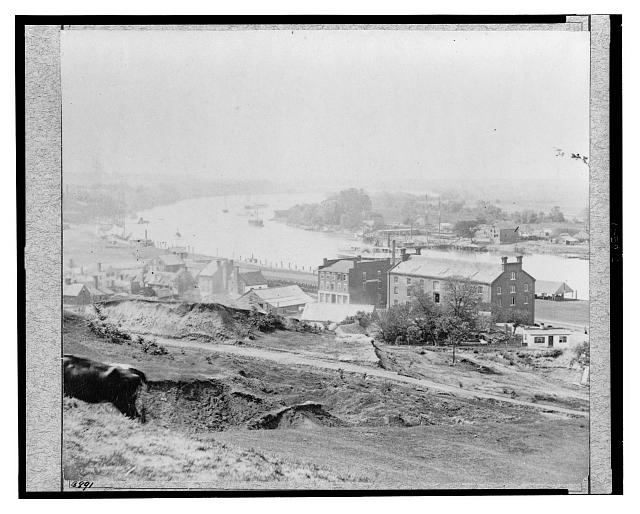
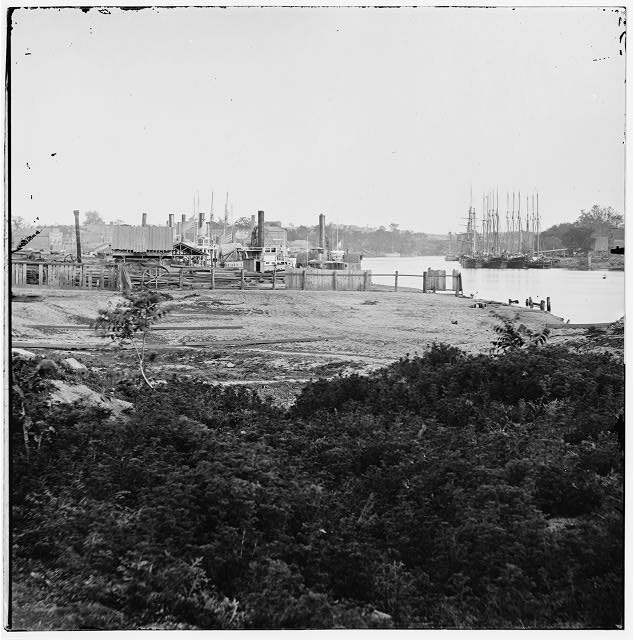
Richmond, Virginia. Wharf at Rocketts (1865 Apr; LOC - LC-DIG-cwpb-02717)

Wharf at Rocketts - 1865

From the Richmond Daily Dispatch October 7, 1861:

Roclictis.

–The late freshet played the very mischief with the wharf at Rocketts. It appears to have been turned quite upside down in some places, and ruin alone marks the scene of former commercial activity. As things are at present, however, it is of very little consequence. After the war is over, and our citizens have any use for such a maritime structure, the wharf at Rocketts will doubtless be made all right once more.

I thought this was an amazing statement, especially given that, as we now know, there was still three and a half years of war left. The Union blockade must be having some effect.

Views in Richmond, Virginia - view of Rocketts (Landing) and south side of James River from Libby Hill (between 1861 and 1865; LOC - LC-USZ62-133092)

Rocketts Landing from Libby Hill

Rockettes perform the March of the Wooden Soldier (Radio City Music Hall 12-4-2009)

Soldierly Rocketts***

This photo of the Rockettes is licensed by Creative Commons

Posted in 150 Years Ago This Week, Confederate States of America, Southern Society | Tagged , , | Leave a comment

Salmon on the Spot***

And on his currency, too

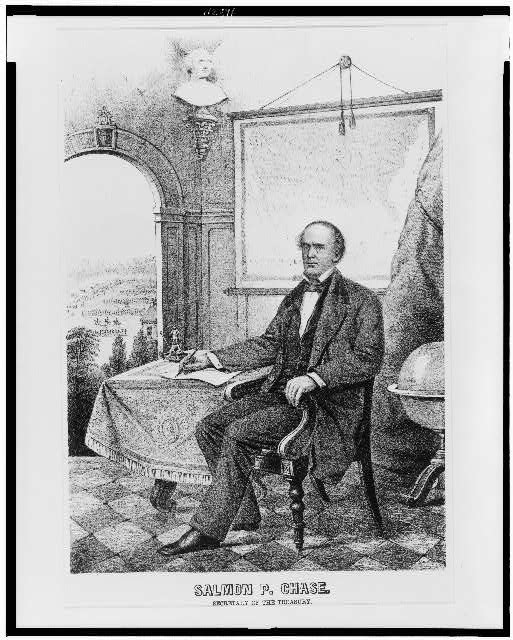
Salmon P. Chase--Secretary of the treasury (ca. 1861; LOC - LC-USZ62-11289)

Three Cheers!

From The New-York Times October 6, 1861:

The Financial Victories of Mr. Chase.

Correspondence of the Baltimore Clipper.

WASHINGTON, D.C., Tuesday, Oct. 1, 1861.

When, before the organization of the present Administration, it was understood that GOV. CHASE, Senator elect from Ohio, had been selected by President LINCOLN for the Treasury, and that he had consented to undertake the arduous and important charge, there were not a few presses and persons found expressing the opinion that an error in policy was about to be consummated, and that the right man was not in the right place. It was contended that Gov. CHASE was more peculiarly fitted and calculated for the Department of State, if, indeed, he should be taken at all for any position among the constitutional advisers of the Executive. Voila tout! The assertion is here ventured that no more able, capable, astute or successful statesman than Gov. CHASE has ever been in charge of the most necessary and important Department of the Executive branch of our Government. Nor is it too much, perhaps, to say, that few men, known to fame, could have conducted the difficult and stupendous monetary negotiations of these perilous and troublous times with so great and gratifying success as SALMON P. CHASE has done. The country, the solid men the men of money, both among us and abroad, have implicit confidence in the judgment, prudence, discretion and sagacity of Gov. CHASE, and are now ready to confess that how well soever his peculiar talents may fit him for the diplomatic duties of the State Department, he is equally, if not better calculated to conduct, control and manage the great laboratory whence must come not only the [???] of war, but the motive and enabling power of the Government itself. In fact, his administration of the fiscal operations of the times has made him hosts of friends.

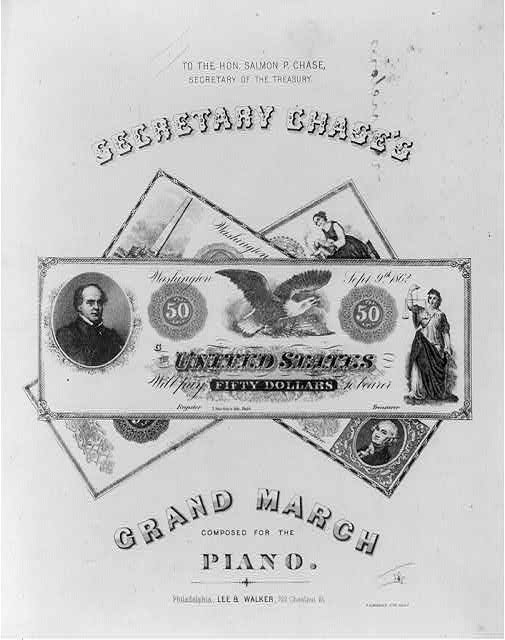
Secretary Chase's Grand March, composed for the piano (c1863; LOC - LC-USZ62-78246 )

A march for Chase

During Salmon P. Chase’s stint as Secretary of the Treasury (1861-64)

there were two great changes in American financial policy, the establishment of a national banking system and the issue of paper currency. The former was Chase’s own particular measure. He suggested the idea, worked out the important principles and many of the details, and induced the Congress to approve them. It not only secured an immediate market for government bonds, but also provided a permanent uniform, stable national currency. Chase ensured that the Union could sell debt to pay for the war effort. He worked with Jay Cooke & Company to successfully manage the sale of $500 million in government war bonds (known as 5/20s) in 1862.

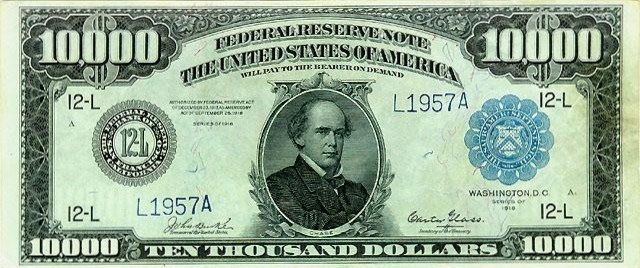
The first U.S. federal currency, the greenback demand note, was printed in 1861-1862, during Chase’s tenure as Secretary of the Treasury. These greenbacks formed the basis for today’s paper currency. It was Chase’s responsibility to design the notes. In an effort to further his political career, his face appeared on a variety of U.S. paper currency, starting with the $1 bill so that the people would recognize him.

Perhaps Chase’s chief defect was an insatiable desire for high office. Throughout his term as Treasury Secretary, Chase exploited his position to build up political support for another run at the Presidency in 1864.

He also tried to pressure Lincoln by repeatedly threatening resignation, which he knew would cause Lincoln difficulties with the Radical Republicans.

To honor Chase for introducing the modern system of banknotes, he was depicted on the $10,000 bill printed from 1928 [1918?] to 1946. Chase was instrumental in placing the phrase “In God We Trust” on United States coins.

Chase was indeed a rival on the Team of Rivals

You can see an example of the $1 notes with Chase’s self-promoting image at The Kennedy Mint

1918 series $10,000 bill

Man in green

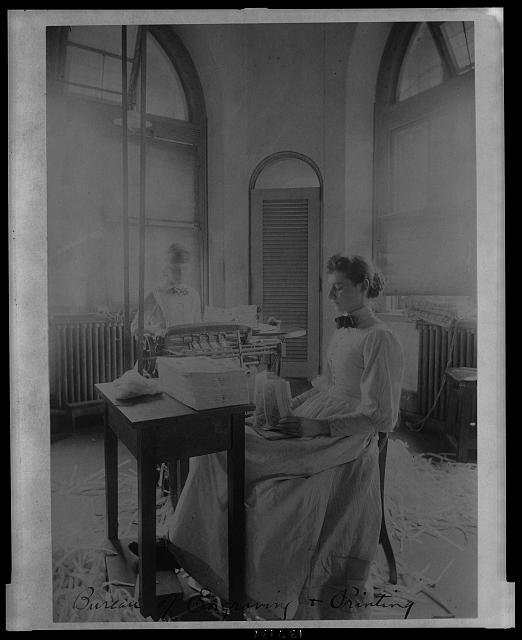
Women trimming and stacking currency sheets at the Bureau of Engraving & Printing (ca.1890; LOC - LC-USZ62-137136)

What hath Salmon (helped) wrought?

*** 10-07-2011: Salmon on the Spot as in the sense of Johnny on the Spot – the editorial thought Chase was just what the Treasury Department needed.

Posted in 150 Years Ago This Week, Lincoln Administration | Tagged | Leave a comment

Odds from London

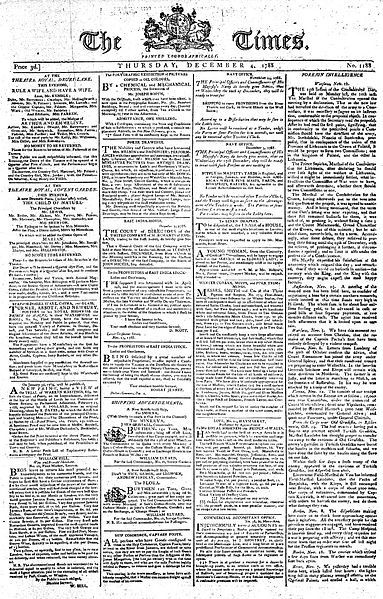
The Times (of London) December 4, 1788

Crystal Ball on offer

Slightly in Favor of CSA

From The New-York Times October 4, 1861:

THE STRENGTH OF THE AMERICAN COMBATANTS.

From the London Times.

We do not build much on the success at Cape Hatteras. It is in its naval force that the Federal Government is strongest, and it was never probable that the Confederates would be able to hold their own at sea. The expedition down the Mississippi is an operation of a more important kind, but its success we should think, is far less certain. It is an expedition in which we may expect to see the inventive genius and the adventurous courage of the Americans fairly illustrated. The banks of the broad river are clothed with thick forests suggesting every variety of ambuscade, and if the invaders have the advantage of equipment the natives will be superior in knowledge of the country and natural resources. Above all, it must be remembered that the main armies of the belligerents are on the Potomac, and that the trial of strength most immediately decisive will take place at that point where the Confederates are still reputed superior. They may forfeit this ascendancy, no doubt, if they assume the offensive and advance against the fortified positions of their enemies; but if, on the other hand, they should obtain any material success in that quarter, the more distant operations of the campaign would be thrown into the shade. All we can see at present is that the North has been making strenuous and successful efforts to convert its numerous levies into good working soldiers, that it possesses vast resources in a brave aud earnest population, and that it is likely to profit by the lessons it has received. What we cannot see is the degree in which this improvement may be counterbalanced by the simultaneous progress of the South. The South is not absolutely so strong as the North, but it has hitherto been stronger in the field, and it will always be strong enough, in all human probability, to resist subjection, if not to enforce its will. That seems to be now almost universally acknowledged as the inevitable condition of the struggle, and it is only to be lamented that so plain a fact should not have suggested the suspension of a profitless and sanguinary strife.

There’s been a lot in The New-York Times about English and French opinion. The part of this piece that caught my attention was the mention of the Mississippi campaign. It seems that the British editors had in mind something like cagey Rebels trapping the federal armies on a bayou or some such thing. However, the first thing I thought of when I read “the inventive genius and the adventurous courage of the Americans …” was Union General Grant’s Vicksburg campaign.

This editorial seems prescient with its ambivalence about the success of a Confederate offensive against the North. And it certainly was a “sanguinary” war. But the South could not quite “resist subjection”.

According to Wikipedia, “During the American Civil War, The Times represented the view of the wealthy classes, favouring the secessionists, but it was not a supporter of slavery.”

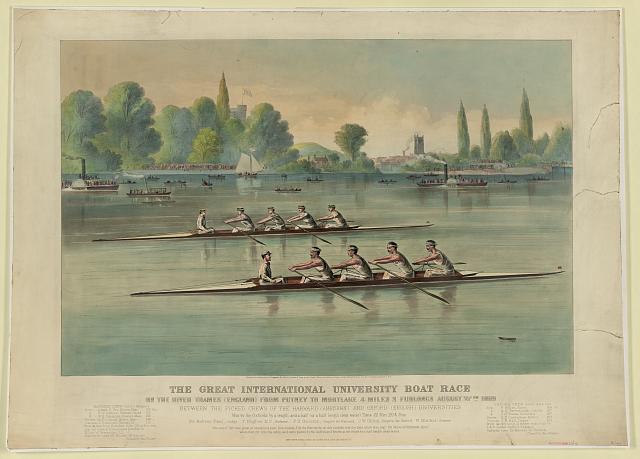
The great international university boat race On the river Thames (England) from Putney to Mortlake 4 miles 2 furlongs August 27th 1869 : Between the picked crews of the Harvard (American) and Oxford (English) universities. (LOC - LC-DIG-pga-00763)

The North invades Britain: Harvard vs. Cambridge on the Thames 1869

Posted in 150 Years Ago This Week, Military Matters | Tagged , | Leave a comment

Zouaves in NC

Colonel Rush C. Hawkins

Zouaves come in peace - mostly

This proclamation is a couple weeks old, but I give the Dispatch credit for playing it straight – after besmirching the good colonel as a “Lincoln Deputy”.

From the Richmond Daily Dispatch October 1, 1861:

Proclamation to the people of North Carolina by a Lincoln Deputy.

Headquarters, Fort Clark, N. C., September16, 1861.

To the People of North Carolina:

The Colonel commanding the Federal forces now in North Carolina, having heard of the erroneous impression which exists among the inhabitants as to the object and purpose of said forces, would state that it is no part of the object of said forces to pillage or plunder. We come not to destroy, but to secure place and uphold the laws of the United States.–The rights of property and persons will be respected and protected, and any Federal soldier infringing upon either will be very severely punished. It is no part of our intention to war against women and children.–On the contrary, they shall be protected with all the power under our control. Loyal citizens can enjoy their homes and property without the fear of molestation. No law will be abrogated or interfered with unless it comes in conflict with some law of the United States or the Constitution. All others will be obeyed and respected. It is with traitors and rebels in arms, who are destroying place and order, and inciting rebellion, that the Federal forces are to deal. We come to give you back law, order, the Constitution, your rights under it, and to restore peace. We call upon traitors and rebels in arms to lay them down, and upon good citizens, who respect the law, to aid us in our undertaking.

Rush C. Hawkins,

Colonel Ninth New York Volunteers,

Commanding Post.

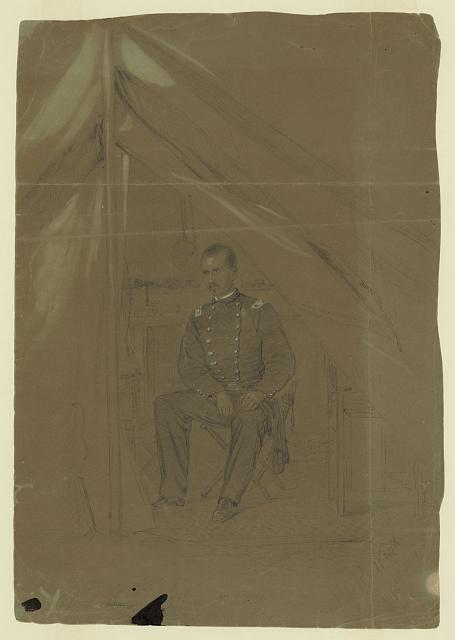
Colonel Hawkins 9th reg. N.Y.S.V. (Alf. R. Waud, Newport News, 186; LOC - LC-DIG-ppmsca-20830)

A Study in Olive: Colonel Hawkins by Alfred Waud - 1861

There is a ton of information available about the New York 9th Infantry Regiment. Born in Vermont Rush Hawkins joined an army dragoon outfit at age 15 to serve in the Mexican war. In 1861 Hawkins

helped raise the 9th New York Infantry, a Zouave-styled regiment, popularly known as “Hawkins Zouaves” for service in the Civil War. Hawkins was appointed colonel of the regiment on May 4, 1861 and served with distinction in North Carolina early in the war. He was part of Benjamin F. Butler’s expedition to capture Fort Hatteras in 1861. Expecting to win a promotion to brigadier general for his service at Fort Hatteras he was instead relieved of command for insubordination. On October 8, 1861 a disgruntled Hawkins wrote “brigadier generals are made of such queer stuff nowadays, that I should not esteem it any great honor to be made one.” Hawkins would in fact receive a brevet promotion to brigadier general in 1865. Despite his belligerence an early dispatch of Hawkins’ caught the attention of President Abraham Lincoln. Hawkins was invited to the White House to confer with the President and General-in-Chief George B. McClellan. There he was instrumental in convincing the Union high command of the possibility of a combined operation against Pamlico Sound in North Carolina.

Posted in 150 Years Ago This Week, Military Matters | Tagged , , | Leave a comment

“preying upon the vitals of their country”

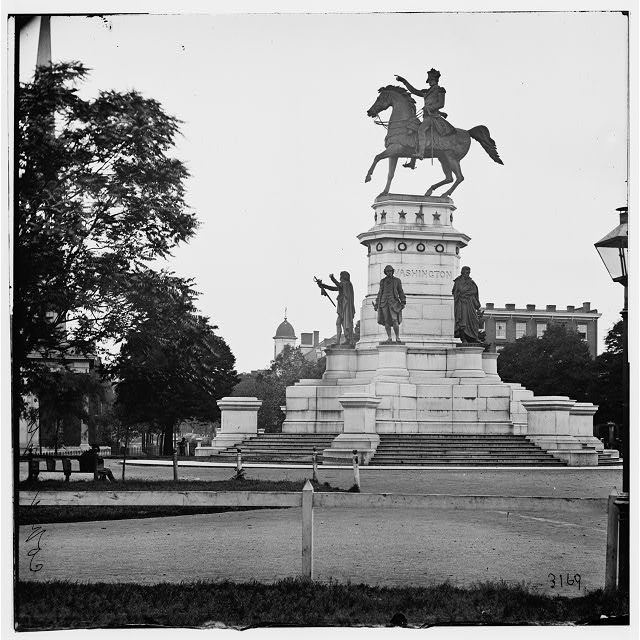
Richmond, Virginia. Washington monument (1865 Apr; LOC - LC-DIG-cwpb-02527)

Richmond Inspiration - Washington statue

From the Richmond Daily Dispatch October 1, 1861:

Gen. Washington on Arrests for treason.

At the time of the revolutionary war, Gen. George Washington wrote to Gov. Trumbull, of Connecticut, in the following words. His language has been supposed by some to be capable of a modern application:

“Would it not be prudent to seize those Tories who have been, are, and we know will be, active against us? Why should persons who are preying upon the vitals of their country be suffered to stalk about while we know they will do us every mischief in their power?”

Well, the Lincoln administration has been seizing traitors and sending them to Fort Lafayette, so I can see why the Dispatch editors would be bringing up the idea for Jeff Davis and his administration. Of course, the editors knew that The northern government was also suppressing opposition newspapers, so maybe that is why they’re a bit restrained.

You can read about Richmond’s Washington Equestrian Monument at The Virginia State Capitol History Project.

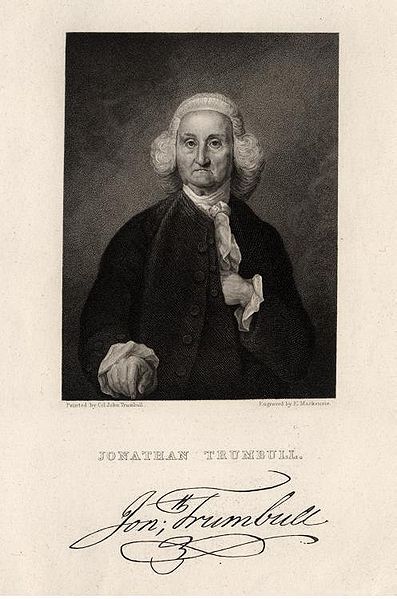
Jonathan Trumbull

was a friend and advisor of General Washington throughout the revolutionary period, dedicating the resources of Connecticut to the fight for independence. Washington declared him “the first of the patriots.” When Washington was desperate for men or food during the war, he could turn to “Brother Jonathan.”

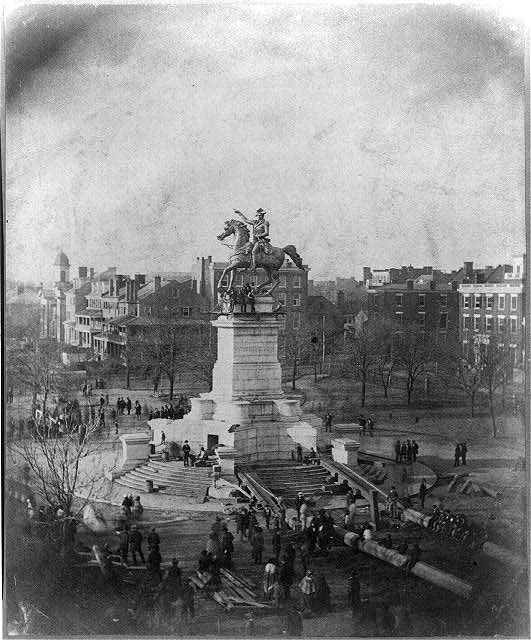
Unveiling of the statue of George Washington by Thomas Crawford, in Richmond, Virginia, Feb. 22, 1852 (1852 Feb. 22; LOC - LC-USZ62-20438)

Unveiling Washington's Statue in Richmond on his 1852 birthday

Jonathan Trumbull engraving circa 1855

Washington confidant - Jonathan Trumbull

Posted in 150 Years Ago This Week, Lincoln Administration, Southern Society | Tagged , , | Leave a comment

HUMANITY Chimes In

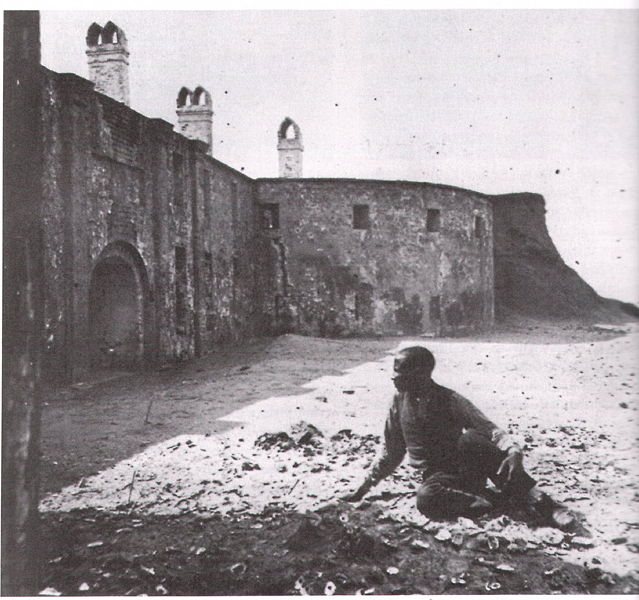
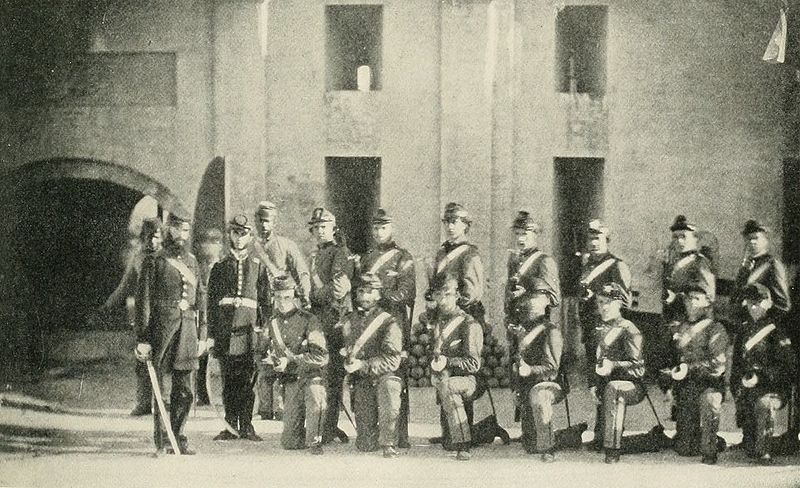
Castle Pickney 1861

Imposing Place? - Castle Pickney 1861

From The New-York Times September 30, 1861:

Our Soldiers Imprisoned at Castle Pinckney.

To the Editor of the New-York Times:

Again our wounded prisoners have been subjected to a painful and weary journey from Richmond to Castle Pinckney, and again the question is raised in the hearts of those nearly interested in their fate, Will there be an exchange of prisoners? If so, why delay, when every day and every hour is dragging heavily — taking strength and vital energy, and leaving exhaustion and death to follow as the result of long confinement and meagre fare. Our daily papers already begin to tell the sad tale.

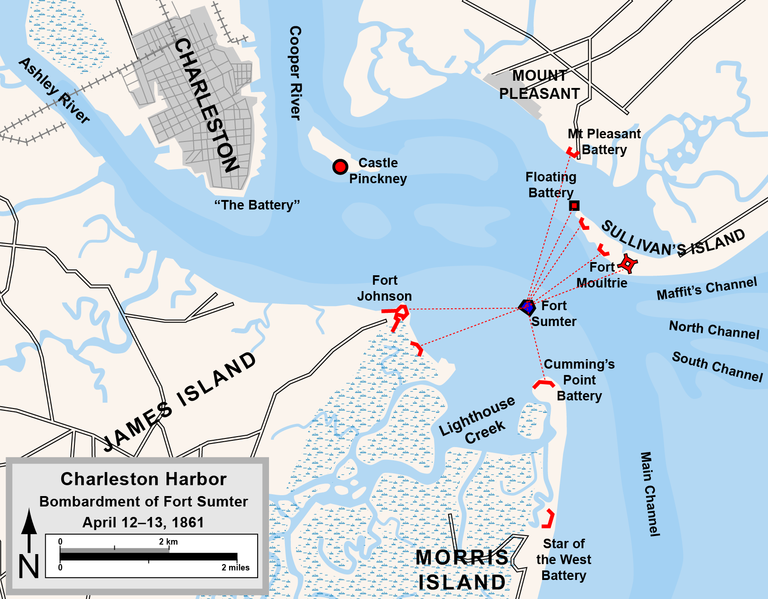
Charleston Harbor 1861

More Union Agony in the Harbor? Apparently not

When we read of the cruelties practiced upon our wounded men by the rebels at Bull Run, we shuddered that such barbarism should darken the page of history. But, if true, horrible as it was, the pang was short. A soldier died like a hero, with his martial cloak around him, with a comrade, perhaps, to carry back his dying words, and the blue canopy of Heaven above opening its wide arms to receive him. But, alas! for our poor prisoners — death comes less graciously to them. It seeks them in the form of insinuating disease, and finds them with hunger gnawing at their vitals, in close, crowded rooms, whose poisoned atmosphere is slowly sapping away their strength hour by hour, until they sink away, unseen, unknowing and unknown.

This is no highly colored picture, but absolute fact, as told by an occasional letter from an officer in Richmond. Our officers are all confined in one room, and our wounded languishing in hospitals with miserable fare, which, in neither quantity or quality, affords the nourishment they absolutely require.

Has the Administration so fully resolved upon its policy, in regard to prisoners, as that they are to permit them to remain for slow disease to destroy, lest an exchange would be to recognise the war as other than a rebellion? That it is a rebellion of most gigantic proportions, all will acknowledge; but allowing that, what precedent is there in civilized warfare for nonexchange of prisoners? Our forefathers rebelled against England, and yet the history of the Revolution records various instances of the exchange of prisoners. The following tariff was arranged in 1779: A sergeant was reckoned equal to two privates; first lieutenant to six; captain, 16; major, 28; lieutenant-colonel, 72; colonel, 200; major-general, 372; lieutenant-general, 1,044; adjutant and quartermaster, 6; surgeons, 6; surgeons of hospitals, 16; deputies and assistants, 6; and all others of the staff, according to the rank they held in the line. If, then, such a tariff was made and acted upon, why do we now, who, as a nation, pride ourselves on our civilization, permit our prisoners to suffer and die without a word of remonstrance?

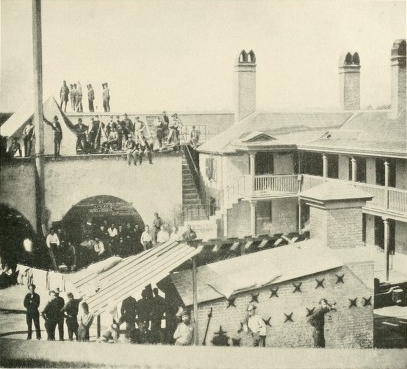
Castle Pinckney Prisoners 1861

Castle Pinckney Prisoners 1861

This is no common war. We have no common warriors. Our privates are not hirelings, but in many instances cultivated men, who have left homes of luxury for a soldier’s fare and fate, and, alas! many of them to pine under Southern suns, so cut off from home and friends, that life itself departs unheralded. In some instances a wife has been left with little children, entirely dependant upon the charity of friends, without the least assistance from Government, and these the families of officers high in rank. Is it right that they should receive nothing from a Government whose peculiar policy prevents the prisoner from supporting them? It cannot be that; this policy is fully resolved upon. It will not be if the “powers that be” will but listen to the cries and prayers which go up momentarily from the hospitals and prisons of Richmond, and are reechoed all over the land in the heart of every lover of

NEW-YORK, Sept. 29, 1861. HUMANITY.

The journey from Richmond to Castle Pinckney might have been painful for the selected First Bull Run prisoners, but as it turns out it was one of the better Civil War prison experiences. It appears that the prisoners were transferred elsewhere by the end of 1861. You can read a time-line of Castle Pinckney’s history (until 1992) at SC State Ports Authority, including this from 1861:

Prisoners form “The Castle Pinckney Brotherhood” which established a pattern for living, including rules for cleanliness and provisions for entertainment. The Charleston Zouaves helped in the brotherhood’s activities. The prisoners performed volunteer work of various kinds. There was no record of escape from Castle Pinckney.

The map of Charleston harbor by Hal Jespersen is licensed by Creative Commons.

Zouave Cadets at Castle Pinckney

Charleston's Zouave Cadets at Castle Pinckney

Posted in 150 Years Ago This Week, Military Matters, Northern Society | Tagged , , | Leave a comment

Henry Wilson’s Regiment

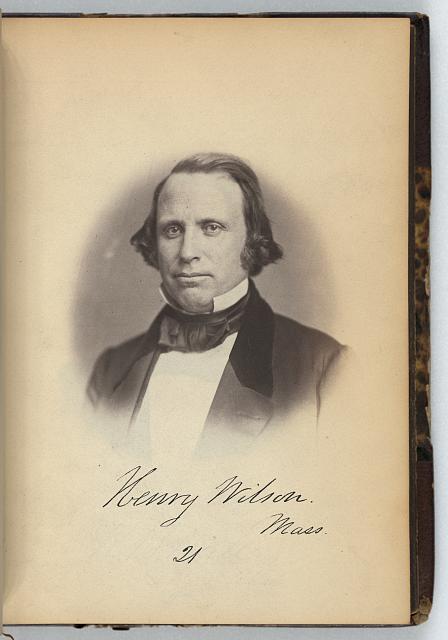
Senator Henry Wilson, Senator from Massachusetts, Thirty-fifth Congress, half-length portrait (1859 photo; LOC - LC-DIG-ppmsca-26560)

Henry Wilson


From The New-York Times September 30, 1861:

COL WILSON’S REGIMENT.

The following telegram has just been received by assistant Quartermaster-General FRANK E. HOWE:

BOSTON, Saturday, Sept. 28.

We must postpone our departure forty-eight hours. We will leave Boston at 6 o’clock Thursday morning, and arrive in New-York the same night, and receive your reception Friday instead of Wednesday.

HENRY WILSON,

Col. Twenty-second Massachusetts Reg’t.

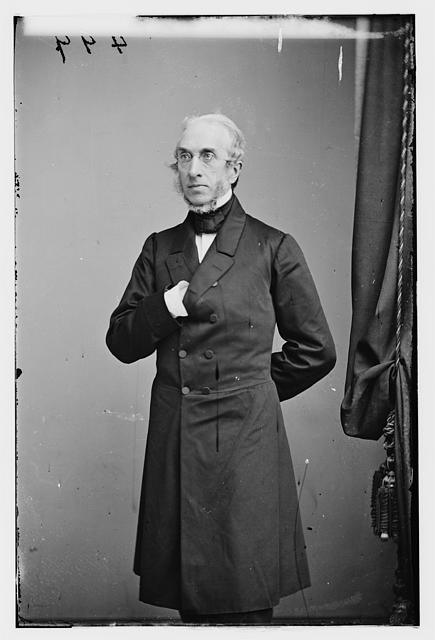
Hon. Robert Charles Winthrop of Mass. (ca. 1855-1865; LOC - LC-DIG-cwpbh-03026)

Puritan's Progress - Charles C. Winthrop

More news involving the same regiment:

From The New-York Times September 30, 1861:

ITEMS FROM BOSTON.

BOSTON, Sunday, Sept. 29.

Gov. ANDREW has promoted Capt. FRANK E. HOWE, Assistant-Quartermaster in New-York, to a Lieutenant-Colonelcy.

A beautiful banner will be presented to Senator WILSON’s Regiment at the review in Boston. ROBERT C. WINTHROP is to make the presentation speech.

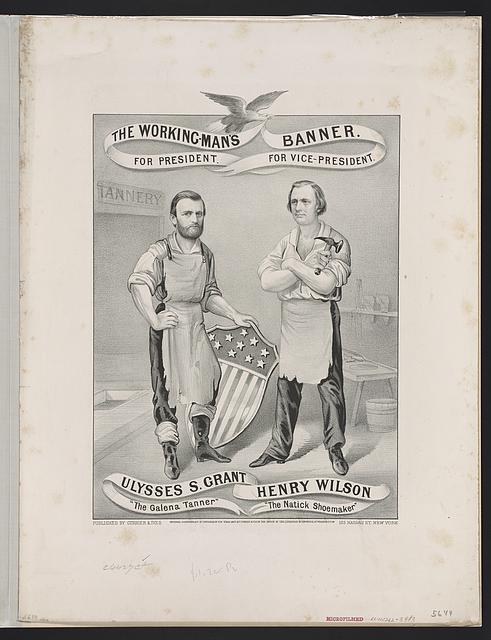
Henry Wilson was a shoemaker from Natick, Massachusetts, who eventually served as U.S. senator from 1855-1873. He did organize the 22nd Regiment Massachusetts Volunteer Infantry but resigned as colonel in October, 1861. The 22nd fought with the Army of the Potomac throughout the regiment’s three-year term.

Henry Wilson became a Republican and was a strong abolitionist. He wrote the three volume History of the Rise and Fall of the Slave Power in America. Wilson served as U.S. Grant’s Vice President from 1873 until his death in November 1875.

Robert Charles Winthrop served as Speaker of the U.S. House from 1847-1849 and was descended from John Winthrop, who was the governor of Massachusetts Bay Colony at its founding in 1630.

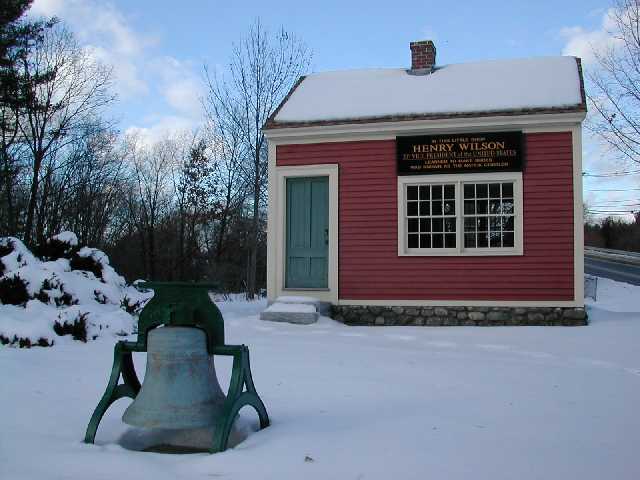
Henry Wilson Shoe Shop is listed in the National Register of Historic Places. You can see some more photos of the shop at the Library of Congress.

Henry Wilson Shoe Shop in Winter

Little Red Shoehouse

The working-man's banner. For President, Ulysses S. Grant, "The Galena Tanner." For Vice-President, Henry Wilson, "The Natick shoemaker" (c.1872; LOC - LC-DIG-ds-00680)

Working on the voters - 1872 style

The photo of the shoe shop is licensed by Creative Commons.

Posted in 150 Years Ago This Week, Military Matters | Tagged , , , , | Leave a comment

Ultimate $uccess?

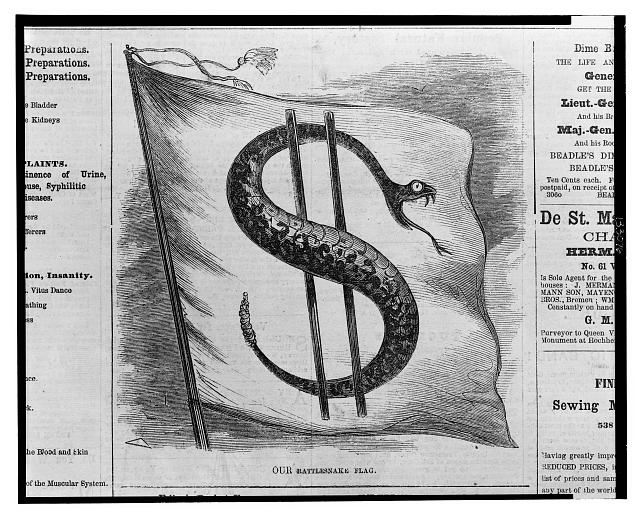
Our rattlesnake flag (Illus. in: Frank Leslie's illustrated newspaper -1861 September 28; LOC -- LC-USZ62-133076)

OUR Rattlesnake Flag

This was published in Frank Leslie’s on September 28, 1861.

Posted in 150 Years Ago This Week, Northern Society | Tagged , , | Leave a comment

Suspicions She’s a Spy

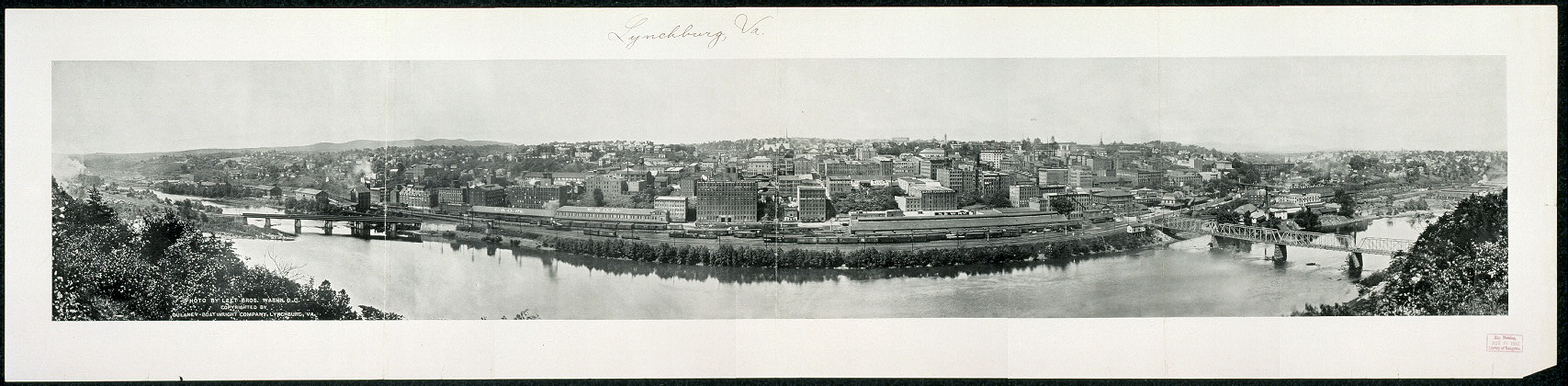
Lynchburg, Va. (photo c1913;LOC - PAN US GEOG - Virginia no. 45)

Scene of this masquerade (52 years later) - Lynchburg on the James

From the Richmond Daily Dispatch September 27, 1861:

Patriotism and pantaloons.

Subjoined is the story of a lady who could not reconcile herself, in the midst of the excitement of the war, to the passive patriotism of making shirts for the soldiers; but, donning a shirt and pantaloons herself, she deemed it much more honorable to fight. Her impulses were noble, though, perhaps, malapropos.–The account is taken from the Lynchburg Republican, of yesterday:

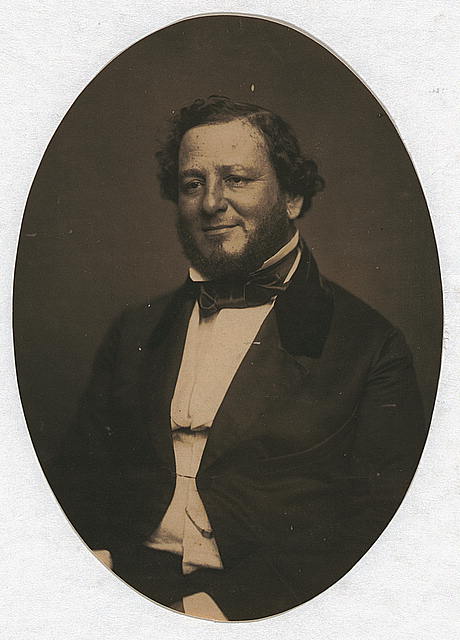
Judah P. Benjamin (ca. 1856;LOC - LC-DIG-ppmsca-05642 )

To interrogate the imposter (with a smile)

On the cars of the Tennessee company, which arrived here on Tuesday evening among many other officers, was one whose gay and dashing appearance attracted universal attention, and led to the firm belief on the part of all that he was one of the chief dignitaries of the military world. Decked out in all the “pomp, and pride, and circumstance of glorious war,” and with an air that seemed to say, “I am the master of the great Wellington and Bonaparte,” he trod the streets the observed of all observers, when, in an evil hour, it became noised about that the gallant officer was sailing under false colors — in other words, that he who had become the envy of all the men, and the admiration of all the women, was herself a woman, dressed up in the habiliments of the sterner sex. Our police, ever on the alert of suspicious characters, and knowing of no good reason why the gay one should have donned the “pants” instead of the gown, quickly arrested her, and carried her before Alderman Saunders, who, after a tedious examination, being unable to find out much either favorable or unfavorable to the suspected party, determined to send her to Richmond for the Secretary of War to examine. She gave her name as Mrs. Mary Ann Keith, of Memphis, Tennessee, but registered at the Piedmont House as Lieut. Buford. Said she had been married twice, her first husband having been a member of Sherman’s famous battery; her second was in the Southern army, but she stated that she was separated from him for some reason she did not make known. She declared she was all right on the Southern question, and scouted the idea of being a spy. She said her reason for dressing in soldier clothes was, that she had determined to fight the battles of her country, and thought such disguise more likely to enable her to accomplish her object. She may be all sound as far as we know to the contrary, but a proper regard for our safety requires that all such characters should be strictly examined wherever they are found in the South. The prisoner was sent to Richmond yesterday morning.

You can read a three-part article about female soldiers in the Civil War (and see some photos) at the National Archives. There is another good overview at Civil War Women Blog.

Bull Runnings explains that Sherman’s famous battery was famous because of its success at the Battle of Buena Vista during the Mexican war. It’s commander then was Thomas W. “Old Tim” Sherman.

According to the Lynchburg paper Judah P Benjamin, who just took over as CSA Secretary of War, will need to interrogate Mrs. Keith to make sure she’s not a spy.

Portrait of Brig. Gen. Thomas W. Sherman, officer of the Federal Army (1860-65;LOC - LC-DIG-cwpb-05370)

The Sherman of the famous battery

Posted in 150 Years Ago This Week, Military Matters, Southern Society | Tagged , , , | Leave a comment