Wanted: Guns, Wagons, Blacksmiths

Not Exactly a Gun Amnesty; Ensuring Troops Get Their Goods from Home

Four notices from the pages of the Richmond Daily Dispatch September 27, 1861:

Help in kind for Ordnance Department

Ordnance Department of Va., Richmond, Aug. 7, 1861.

Notice — It is very desirable that all corps, communities and individuals in the State, having Arms of any kind — beyond those absolutely necessary for their immediate use — should return the same to this Department as soon as possible that they may be overbanled [overhauled?] and thoroughly repaired. Address,

C. Dimmock, Colonel,

Chief of Ordnance of Virginia.

Colonel Dimmock wasn’t kidding back in August – Weapons Needed:

Arms! Arms!! Arms!!!

The undersigned urgently calls upon the people of Virginia to send in to his address all Arms not actually in the hands of troops — no matter how few — no matter in what order — as they will go into the field as soon as repaired.

No other person is authorized to collect these State Arms but the undersigned.

C. Dimmock,

Col. of Ordnance of Virginia.

Direct, “care Col. Dimmock, Richmond, Va. …

Other needs:

Ordnance Department of Va., corner 7th and Cary streets.

Wagons.–Persons who have furnished this department with wagons without boxes, are invited to call, as more are wanted.

C. Dimmock,

Colonel of Ordnance.

wanted.–Four good Blacksmiths are wanted, to whom good pay will be given. …

Rules for Care Packages:

Notice.

1. I.–Persons who are sending clothing and supplies to troops in the field, are requested to mark distinctly on the package (with marking ink) the name of the party for whom intended, the Regiment to which he belongs, and the place of Destination, care of Quartermaster at Richmond, to whom the usual railroad receipt should be forwarded by the shipper.
2. II.–Many packages arrive at the depots of the railroads in Richmond with paper marks rubbed off; of course their destination cannot be known by the Quartermaster. Others are imperfectly marked, and cannot be identified.
3. III.–All articles deposited at the Quartermaster’s Office in Richmond, for shipment, must be left there before 3 o’clock, P. M., to insure their shipment on that day.

J. Maury Garland,

Capt. and Ass’t Q. M.
Posted in 150 Years Ago This Week, Confederate States of America, Southern Society | Tagged | Leave a comment

Fort Lafayette* Not Available

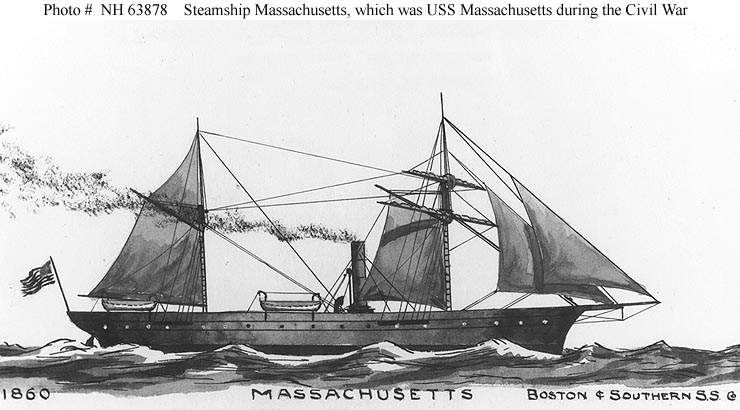
The Massachusetts before conversion to a navy gunboat

Fred Johnson's three month prison

From the Richmond Daily Dispatch September 26, 1861:

A Captive Sailor set adrift after a long Imprisonment by the enemy.

The N. O. Picayune. of Saturday, learns by a sailor, Mr. Fred.
Johnson, that the fishing shipschooner Achilles was captured on the morning of the 16th of June last, near Chandeleur light, by the Lincoln shipsteamer Massachusetts. The Achilles was going at the time from the Bay of St. Louis with the Assistant Lightkeeper to the Chandeleur Island, whom they had landed the previous night, when next morning they were boarded by a boat from the Massachusetts, and two fishermen, Austrians, besides Mr. Johnson, were taken on board the Massachusetts. These two men took the oath of allegiance to the Abolition Government, but Johnson refused. He was kept on board from that day until Saturday last, the 14th instant, having been on board nearly three months, when he was putover the side in a leaky yawl boat, which belonged to the Achilles, and sent adrift. About dark, after having had a hard pull of it, he was picked up by the fishing shipsloop Osceola, fifteen miles from land, and arrived here last night.

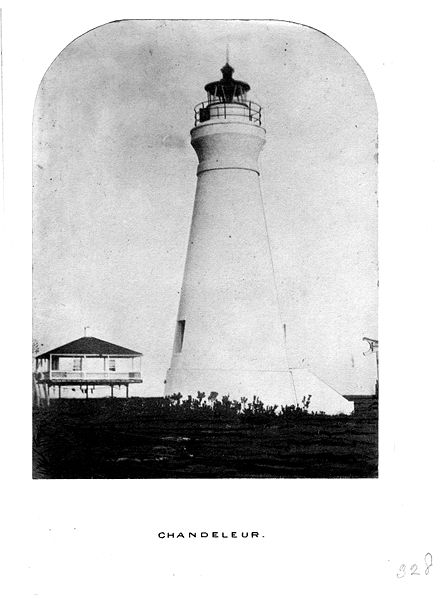
Chandeleur Island Light LA 19th Century Tower

Chandeleur Island Light - 1856 model

The two Austrians were frequently taken aft for examination, and were permitted to go and haul the seme [?] at the Chandeleurs.–The light-house keeper frequently came on board the Massachusetts, and was offered by Capt. Smith, of that vessel, to remain, if he thought proper, as his provisions ashore were getting short.

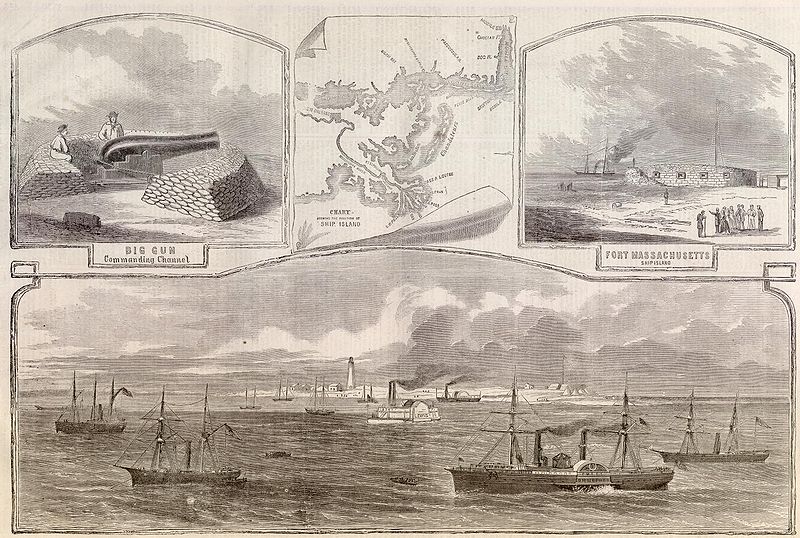
On September 17th landing parties from the USS Massachusetts took possession of Ship Island in the Gulf of Mexico,

thereby providing the Union Navy with a valuable shelter during storms and the base from which Admiral David Farragut would launch his attack on New Orleans, Louisiana. [USS Massachusetts link]

* Some people considered Fort Lafayette in New York harbor to Be America’s Bastille.

Harpers Weekly Ship_ sland drawing

Ship Island and Fort Massachusetss - January 1862

Posted in 150 Years Ago This Week, Military Matters | Tagged , | Leave a comment

Celebrating & Ensuring Allegiance to the Constitution

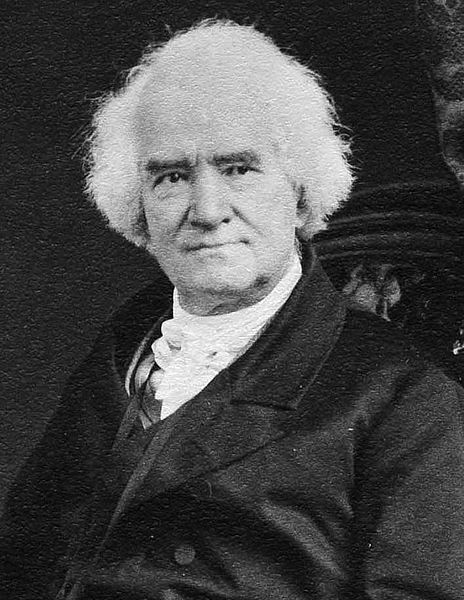
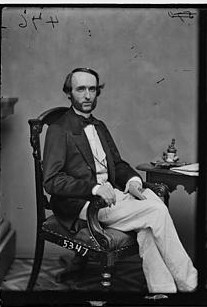
George M Dallas

George M Dallas: Oratin' in the Rain

From The New-York Times September 18, 1861:

ANNIVERSARY OF THE ADOPTION OF THE CONSTITUTION.

PHILADELPHIA, Tuesday, Sept. 17.

The anniversary of the adoption of the Constitution is being duly celebrated here. Salutes were fired at sunrise and at noon. The Home Guards also turned out and paraded the streets, 3,000 strong. They escorted the orator of the day, Hon. GEORGE M. DALLAS, to Independence Square, but before the procession reached that point a copious shower of rain commenced falling, without, however, affecting the precision of the military.

PHILADELPHIA, Tuesday, Sept. 17 — P.M.Notwithstanding the rain-storm, the order of exercises proceeded at Independence-square, comprising a patriotic speech by Mayor HENRY, prayer by Rev. REUBEN JEFFRIES, singing by the musical societies, and an oration by Ex-Minister DALLAS. The audience was large and enthusiastic, and after the oration and the singing of the “Star-spangled Banner,” quietly dispersed.

Oath to Support and Defend It?

Frederick W. Seward (ca. 1860-1865; LOC - LC-DIG-cwpbh-03564 )

Frederick W. Seward: No Exceptions!

From The New-York Times September 24, 1861:

No Exemption from the Oath of Allegiance.

The following correspondence explains itself:

NEW-YORK, Sent. 18, 1861.

SIR: I have the honor to address the Honorable Secretary of State to ask if the oath of allegiance is to be administered by me to adult females as well as males, and to children who may require United States passports through me; or if the sex or youth of the parties here referred to will excuse them. I have honor, Sir, to subscribe very respectfully, your obedient servant, J.B. NONES.

Hon. W.H. SEWARD, Secretary of State, Washington, D.C.

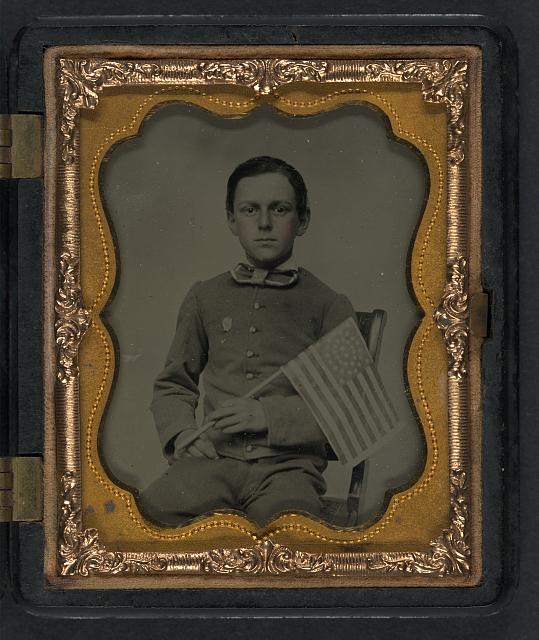
Unidentified boy holding 34-star flag (between 1861 and 1865; LOC - LC-DIG-ppmsca-27367)

Passport Applicant?

DEPARTMENT OF STATE,

WASHINGTON, Sept. 20, 1861.

To J.B. Nones, Esq., New-York:

SIR: In reply to your letter of 18th inst., I have to state that the oath of allegiance will be required of all persons to whom passports are issued. I am, Sir, your obedient servant, F.W. SEWARD,

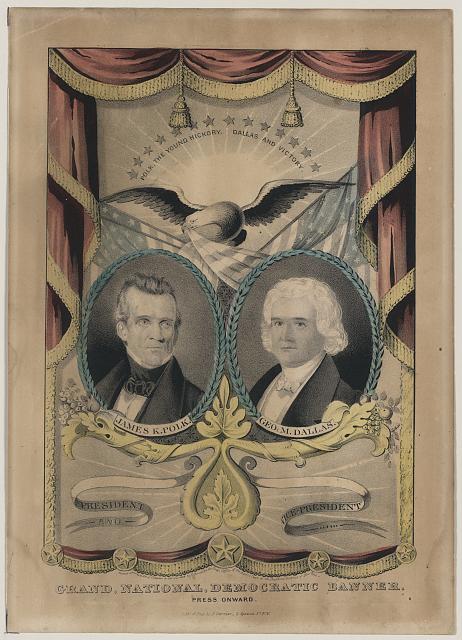
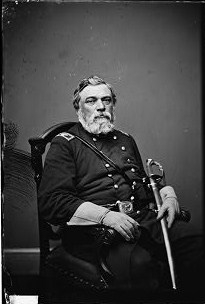
George M. Dallas served in a variety of public offices and was James Polk’s Vice President.

Frederick W. Seward, the son of William H. Seward, served as Assistant Secretary of State under Presidents Lincoln, Andrew Johnson, and Rutherford B. Hayes. He was injured while trying to protect his father the night Lincoln was shot. His Reminiscences of a war-time statesman and diplomat, 1830-1915 was published in 1916.

Recently Seven Score and Ten published an essay by Frederick Douglass (written 150 years ago this month) in which Douglass urges the U.S. government to use its wartime powers to abolish slavery – the great mill-stone around America’s neck. The essay includes a paragraph about the how Douglass thought America should regard the Constitution during the Rebellion crisis.

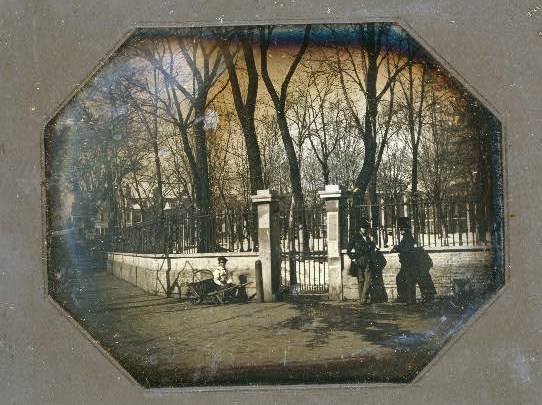
Entrance to Independence Square, Philadelphia (between 1840 and 1856; LOC - LC-USZC4-11119)

Entrance to Independence Square, Philadelphia

Grand National Democratic banner. Press onward (1844; LOC - LC-DIG-ppmsca-07682)

Polk and Dallas - 1844

Posted in 150 Years Ago This Week, Lincoln Administration, Northern Society | Tagged , , , | Leave a comment

Great Find!

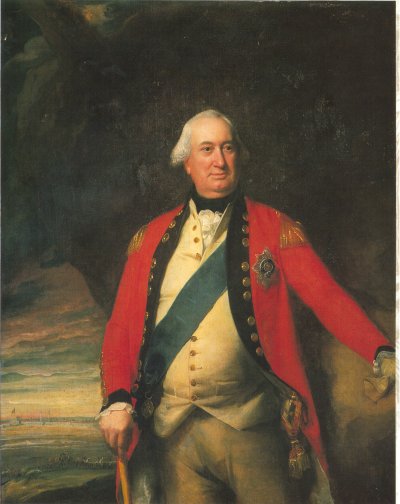
Charles Cornwallis, First Marquis of Cornwallis (1738 - 1805)

Caveman? Apparently not

Talk about being on Cloud Nine – a paragraph from 150 years ago involving the two wars and an exciting find.

From the Richmond Daily Dispatch September 23, 1861:

A genuine Relic of the Revolution.

–We are informed that not long since, some soldiers of an Alabama regiment, while excavating upon the old battle-field at Yorktown, not far from “Corawallis’s [Cornwallis’?] Cave, ” came upon the skeleton of a human being; and in the spot where a pocket should have been, lay a silver dollar. Our informant could not remember the precise date of the coin, though it was towards the close of the last century. It was undoubtedly the skeleton of a soldier of the revolutionary war. Many relics have been found beneath the soil of that celebrated battle-field, but this is the most remarkable one we ever heard of.

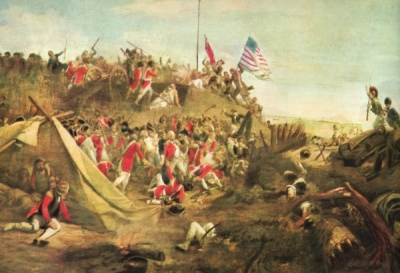
American storming of redoubt #10 during the Siege of Yorktown by Eugene Lami

With a silver dollar in his pocket?

I didn’t realize how much fighting was involved in the Siege of Yorktown. Maybe the skeleton gave up the ghost during the storming of Redoubt #10. Spanish silver dollars circulated in the colonies.

You can take a virtual tour of Historic Yorktown at York County Virginia. If you click on Cornwallis’ Cave you can see a current image and read that

Contrary to the legend that describes this as Cornwallis’ hiding place at the end of the 1781 seige, it was probably used by a British gun crew to defend the river from the French Fleet. The site is National Park Service Property.

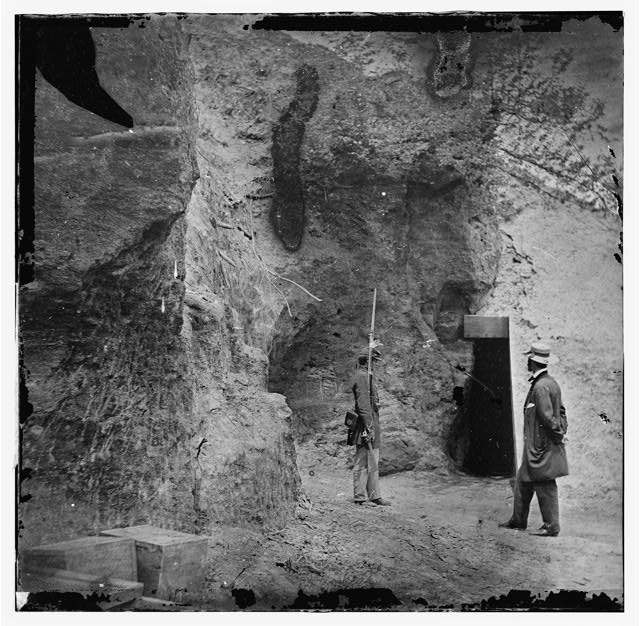
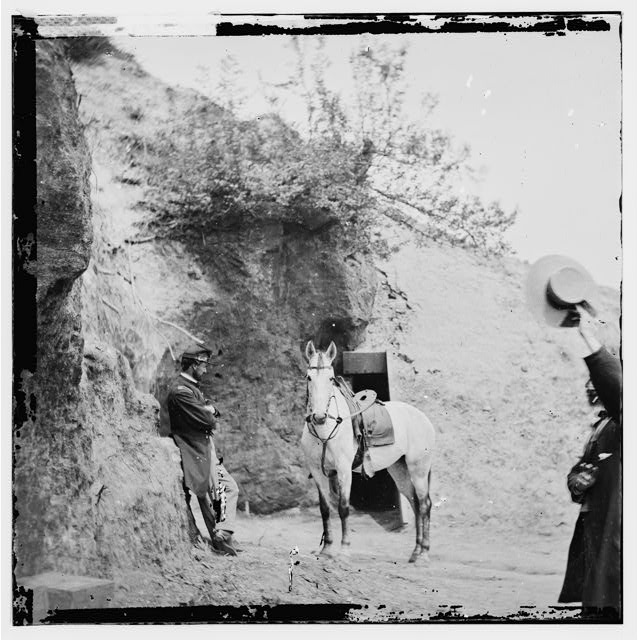
There are several photos at the Library of Congress that indicate that the cave was used by the Confederates as a powder magazine until they retreated in May, 1862.

Yorktown, Virginia. Cornwallis cave. Used as a powder magazine by the Confederates (c.1860s; LOC - LC-DIG-cwpb-01626 )

Cornwallis' Cave in Union hands

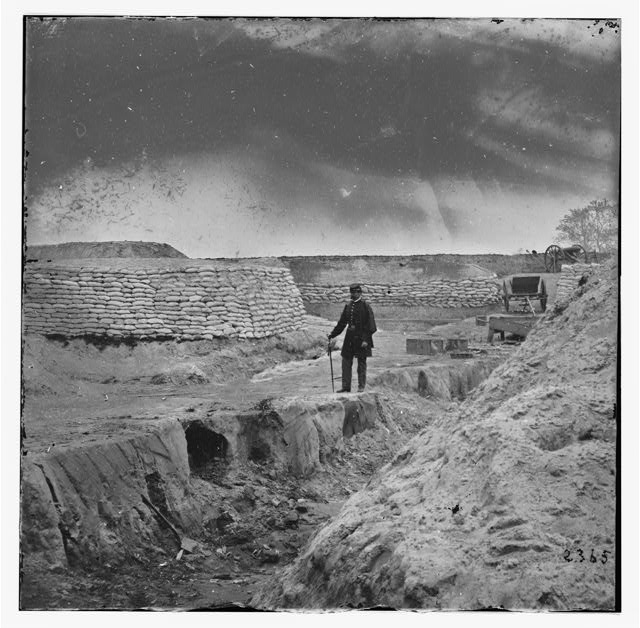
Yorktown, Virginia (vicinity). Fortifications. The ditch, dug by Cornwallis in 1781 was deepened by Gen. Magruder in 1862 (1862; LOC - LC-DIG-cwpb-01594)

Cornwallis' ditch deepened by Rebel General Magruder

LC-DIG-cwpb-01627

Great eye contact - Mr Ed's ancestor?

Posted in 150 Years Ago This Week | Tagged , , | Leave a comment

On To Washington!

James Chesnut, Jr.

James Chestnut: Sticking up for the boss

From The New-York Times September 22, 1861:

INACTIVITY OF THE SOUTHERN ARMY.

A letter in the Savannah (Ga.) News, dated Aug. 27, says:

“The chief topic of conversation here is the inactivity of the Army. Much criticism has been passed upon Gen. BEAUREGARD, and those who are believed to direct the movements of the Army, more particularly respecting his failure to occupy or destroy Alexandria and Washington City. Congress called for information on this point, and the President referred the inquiry to Gen. BEAUREGARD, who, in his answer, placed the blame where it really belonged. He had been for weeks, almost, beseeching the War Department to supply him with the material needful to carry on the war — men, ammunition, provisions, wagons –but the Quartermaster’s and Commissariat Departments being in incompetent hands, the day of battle came, and found our Generals without the means of carrying the Army forward. Quite an acrimonious debate sprung up in the House, upon the reading of this answer, in which Messrs. MILES and CHESNUT, of South Carolina, who had been on the Staff of Gen. BEAUREGARD at Manassas, and had supported him in a most gallant manner during that eventful day, found it necessary to vindicate their great chief from the aspersions which certain members were disposed to throw out against his military reputation. Since the 21st July, many circumstances have combined to keep our troops in a stationary position. Rain has fallen in great quantities, and almost incessantly, rendering the roads impassable for heavy wagon transportation, and the marching of large bodies of troops, and there has been a great deal of sickness among our soldiers –probably 20 per cent. are at this time unfit for duty. Our Generals, however, have been strengthened by new accessions almost every day, and the railroads continue to transport regiment after regiment.”

James Chesnut, Jr. was indeed serving in the Confederate Congress and as an aide-de-camp to General Beauregard at this time.

William Porcher Miles was a fire-eater who also represented South Carolina in the CSA Congress.

Posted in 150 Years Ago This Week, Confederate States of America, Military Matters | Tagged , , | Leave a comment

Engineers Headed to Seat of War

Col. Charles B. Stuart (LOC - LC-DIG-cwpb-04591)

Engineer & Col. Charles B. Stuart

From The New-York Times September 20, 1861:

ARRIVAL OF AN ENGINEER REGIMENT FROM ELMIRA.

The Engineer Regiment, commanded by Col. CHARLES B. STUART, which has been encamped at Elmira since August, arrived in this City yesterday morning via the Erie Railroad. The regiment numbers about 1,000 men, made up mostly of mechanics of various kinds, engineers, machinists, &c. Col. STUART is a civil engineer of eminence, and served several years as State Engineer. The Lieutenant-Colonel is a graduate of West Point, and the Major has seen service as Lieutenant of the Eleventh Pennsylvania Volunteers. On the arrival of the regiment they were marched down Broadway to the Battery, where they will encamp, until ordered to the seat of war, which will probably be in a few days. …

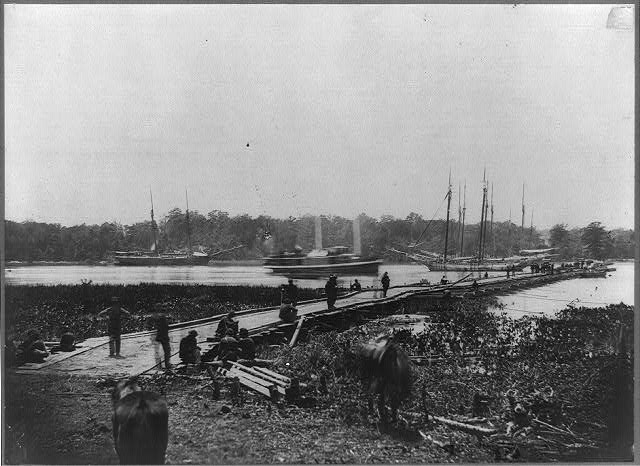
Pontoon bridge across James River, Va.--June 1864 (LOC - LC-USZ62-92629)

Pontoon bridge across James River, Va.--June 1864

You can read about the 50th Engineer Regiment at the New York State Military Museum. It worked mostly with the Army of the Potomac and was known for the construction of pontoon bridges during the Overland Campaign of 1864. It was involved with the construction of the longest pontoon bridge of the war – over 2000 feet across the James River.

Charles B. Stuart had been involved in building railroads and dry docks in his civilian career. “In November 1850, he was appointed Engineer-in-Chief, attached to the Bureau of Construction, Equipment and Repair of the United States Navy.”

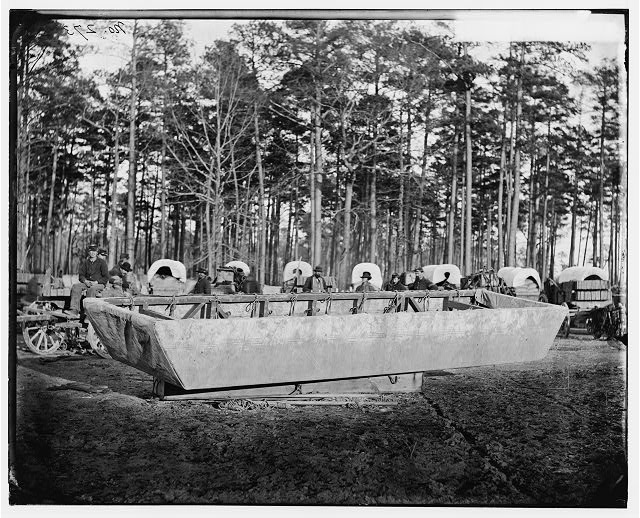
Rappahannock Station, Va. Canvas pontoon boat, 50th New York Engineers (1864 March; LOC - LC-DIG-cwpb-03940)

50th with pontoon boat

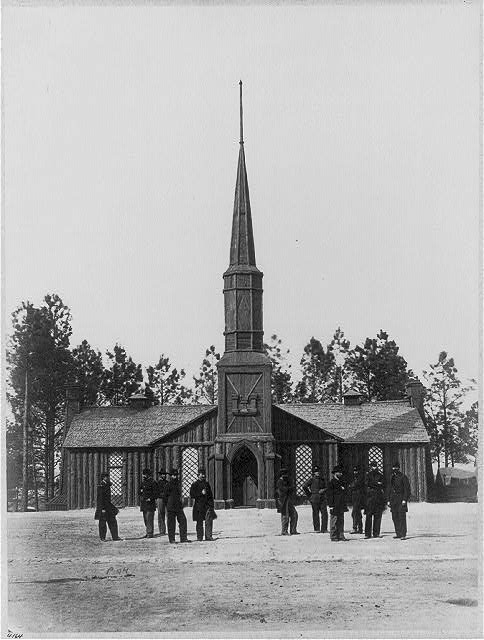
Church in camp of 50th New York Engineers in front of Petersburg, Va. (1865 Feb; LOC - LC-USZ62-67520)

Built a church during Siege of Petersburg

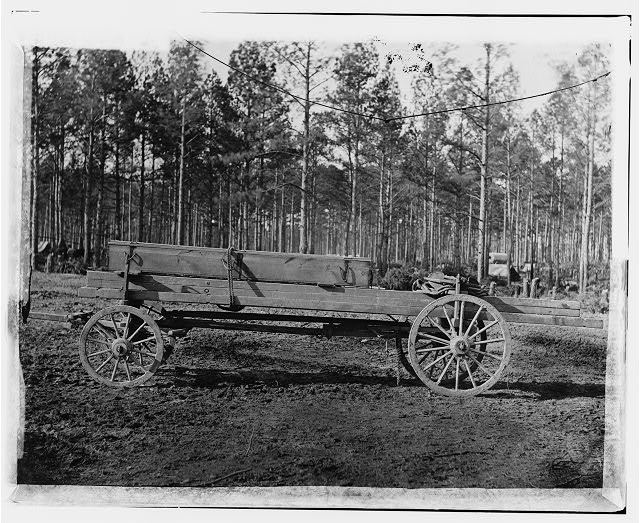
Rappahannock Station, Virginia. Canvas pontoon wagon, 50th New York Engineers (1864 Mar; LOC - LC-B817- 7272)

Rappahannock Station, Virginia. Canvas pontoon wagon, 50th New York Engineers

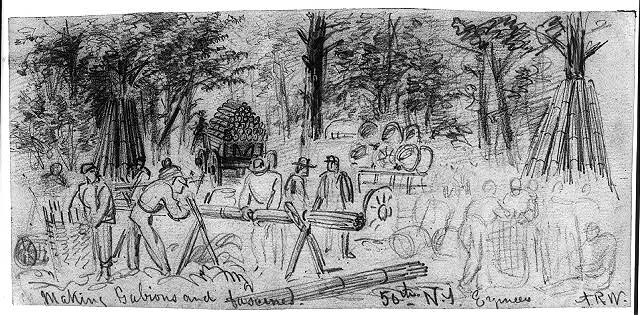
I had no idea what Gabions or Fascines are, but here’s the 50th making them:

Making Gabions and fascines. 50th N.Y. Engineers (LOC - LC-DIG-ppmsca-21054)

Making Gabions and fascines. 50th N.Y. Engineers

You can see an illustration of the encampment at the Battery at Son of the South.

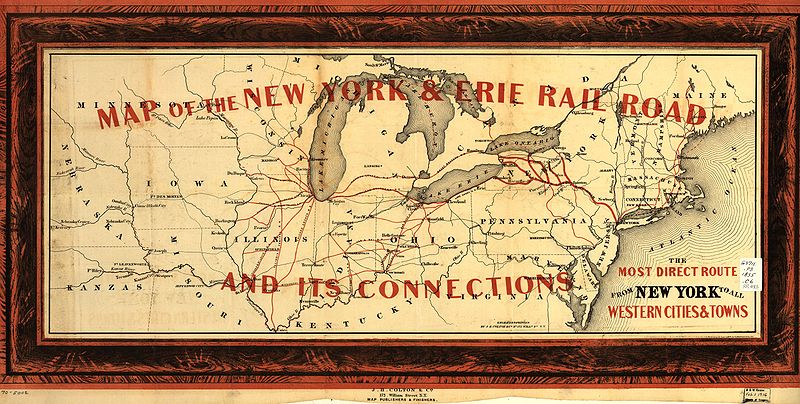
The Erie Railroad was the successor to the New York & Erie, which had gone bankrupt in 1859. It was the first major U.S. trunk line to go broke.

1855 map of New York & Erie

Getting from Elmira to the Big Town

Posted in 150 Years Ago This Week, Military Matters | Tagged , | 1 Comment

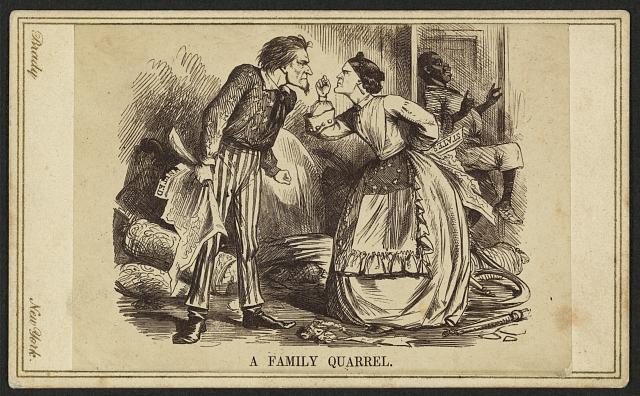
A Dysfunctional Family?

A family quarrel (Brady National Photographic Art Gallery;c.1861-1870; LOC - LC-DIG-ppmsca-10974)

To the moon!

Posted in American Society | Tagged , | Leave a comment

Snippets from Charleston

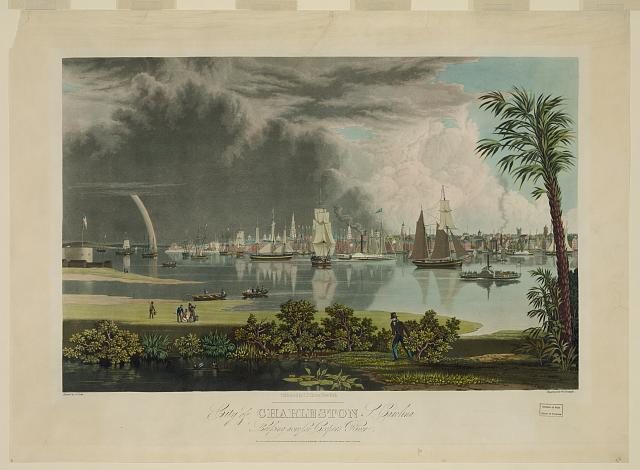
City of Charleston, South Carolina, looking across Cooper's River (engraved by W.J. Bennett c.1838; LOC - LC-DIG-pga-00199)

Charleston c.1838

Three from the Richmond Daily Dispatch September 19, 1861:

1860 was, of course, a census year. Here’s the results from a hotbed of secession.

Census of Charleston.

The Charleston (S. C.) Mercury of the 3d has the subjoined carefully compiled statement of the population of that city, just completed.

Whites, 26,859
Slaves, 17,535
Free persons 3,766
Total, 48,160

Some of those free persons took up a collection for the CSA.

Contribution from free Negroes.

The Charleston Mercury says:

The free colored men of Charleston have contributed $450 to sustain the cause of the South. The zealous and unfailing alacrity with which this class of our population have always devoted their labor and their means to promote the safety of the State, is alike honorable to themselves and gratifying to the community.

Among the several runaway notices –

Runaway–$25 Reward.

–Ranaway, in July, from the subscriber, Paul; brown mulatto color, a bricklayer and plasterer; 27 years of age; about 5 feet6 inches high; square built; bushy hair and large beard when he left; face long, and hollow about the mouth; very slightly knock-kneed; walks very erect; steps short and fast; voice loud and strong; when spoken to answers quickly; sullen aspect. He formerly belonged to Mr. Benjamin F. Whildon. The above reward will be paid to whoever will lodge him in the Charleston Work-House. Apply at this office.

You can read about the Charleston Workhouse at the University of Richmond’s History Engine. The Workhouse was established in 1839.

the Work House became a house of correction for slaves. In addition to becoming a place for the punishment of slaves who committed various offenses or crimes, the Work House was also established so that the city would have a central place for a slave market. The work house was run under Spartan conditions and in a correctional manner. Many considered it a deterrent to committing crimes. No one wanted to go to the Work House.

I think that idyllic engraving up above shows two white men managing a slave.

Posted in 150 Years Ago This Week, Confederate States of America, Southern Society | Tagged , | Leave a comment

Ivy League Notebook: “Pumping on a Secessionist”

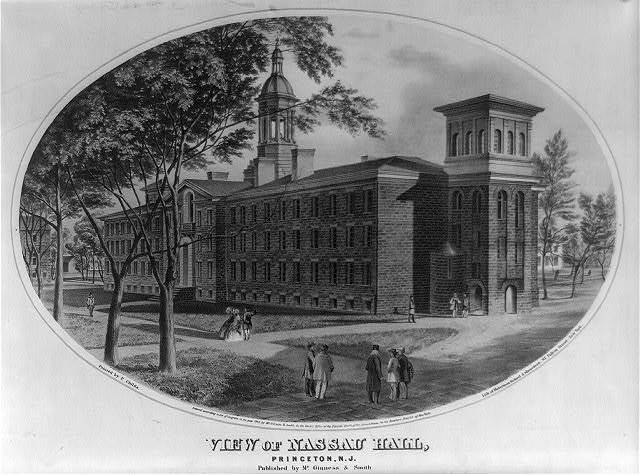
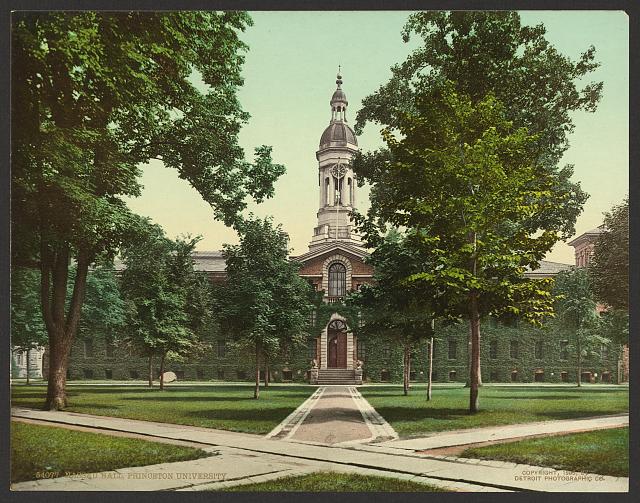
View of Nassau Hall, Princeton, N.J. (c1860 April 25; LOC - LC-USZ62-578)

Nassau Hall - pre-Secesion

From The New-York Times September 18, 1861:

PRINCETON COLLEGE.; Three Students Dismissed for Pumping on a Secessionist.

Correspondence of the New-York Times. PRINCETON, N.J., Sunday,Sept. 15, 1861.

Within the last few days the venerable shades of Nassau Hall have witnessed some stirring events. Although removed from the immediate scene of action, her loyal sons have, from the beginning of the contest, felt the deepest interest in the struggle to maintain the integrity of our Government, and gladly, ere this, if duty had called, would they all have gone forth to lend their aid for the suppression of rebellion. But they have found an important field of labor here, and have already rendered valuable assistance to the Government in suppressing treason at home.

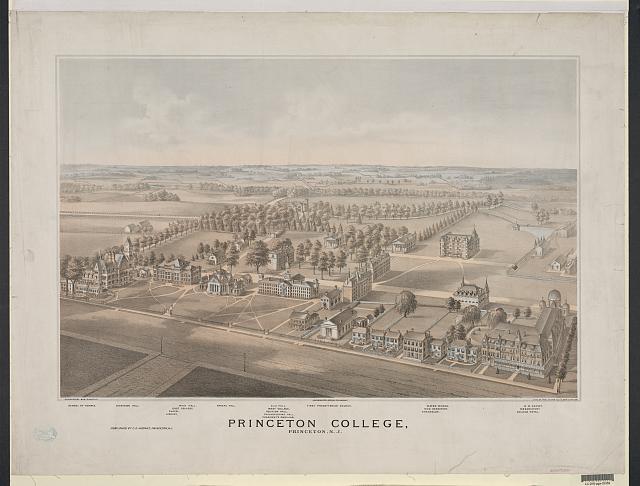
Princeton College (c1875; LOC - LC-DIG-pga-03359)

Secessionist fire doused

The majority of the Southern students left upon the outbreak of hostilities. The few that remained, although sufficiently warned, have been bold in their rejoicings ever attempts of traitors to impede the onward course of the Government. One or two have even dared to cheer for JEFF. DAVIS, the arch-traitor. The Union-loving students, willing to endure even to the bound where patience ceases to be a virtue, could not suppress their patriotic indignation, and, accordingly, upon Thursday seized one of the most ultra Secessionists in the institution, and, placing him under the college pump, endeavored to put out the secession fire which had so seared his heart. HOWARD REEDER, son of Gov. REEDER, ISAAC K. CASEY, son of JUDGE CASEY, and SAMUEL B. HUEY, son of a prominent citizen of Philadelphia, were summoned before the faculty of the College, and charged with pumping the Secessionist. They frankly confessed that they not only had done it, but that they were still willing to put forth every lawful effort for the suppression of treasonable utterances, and that personal antipathy had nothing to do with their course. The faculty concluded to dismiss the students named above, and their fellows, without distinction of class, held a meeting, in which they passed some resolutions disapproving the action of the faculty, and pledging themselves to do all in their power to secure the return of the dismissed students.

Nassau Hall, Princeton University (c1903; LOC - LC-DIG-ppmsca-18254)

Ivory-laden Nassau Hall in 1903 - no more Jeff Davis cheers

On Saturday afternoon about 150 students collected in the college campus, and thence drew the dismissed students through the streets of Princeton on a barouche, enveloped by the Stars and Stripes, to the depot. The students of the Seminary and a large number of the citizens of the place joined in the procession. An excellent band was in attendance. Flags were floating all along the streets. Union-loving citizens were cheered, and sympathizers with the “peculiar institution” groaned. UNION.

The Times’ title sure caught my attention.

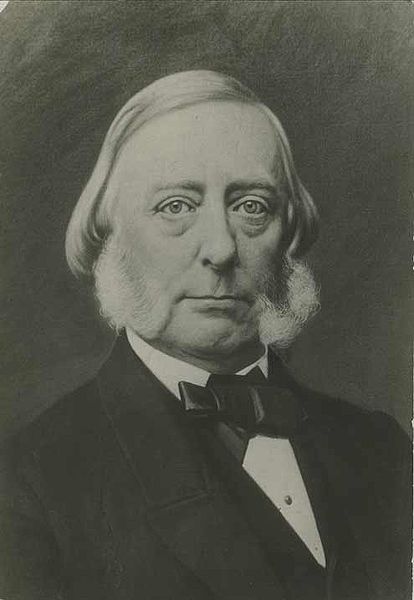
Andrew Horatio Reeder

Andrew H. Reeder - son dismissed from Princeton

Kansapedia says Andrew H. Reeder was the first Territorial Governor of Kansas. He changed from pro-South to free-state during his tenure and was basically forced out of the state in 1856. He escaped Kansas disguised as a woodchopper and returned to Pennsylvania where he was active in Republican politics. It is said that

At the outbreak of the Civil war he was appointed a brigadier-general by President Lincoln, but owing to his advanced age he did not enter the army. Three of his sons, however, took up arms in defense of the Union.

President Lincoln appointed an Isaac K. Casey as Aide-de-Camp to Major General John E. Wool in 1862.

Samuel B. Huey graduated from Princeton and served a short time in the Union Navy. He was a President of the Philadelphia Board of Education.

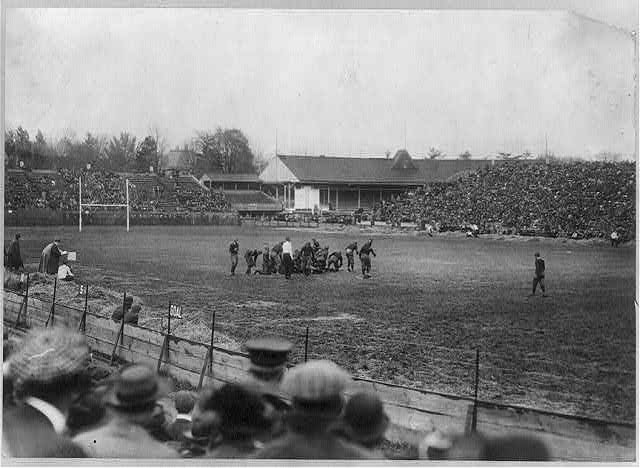
Harvard and Princeton football game (1913 Nov. 8; LOC - LC-USZ62-78261)

52 years later: Princeton v. Harvard

Posted in 150 Years Ago This Week, Northern Politics During War, Northern Society | Tagged , , | Leave a comment

Granny to Run War Department?

New Secretary of War?

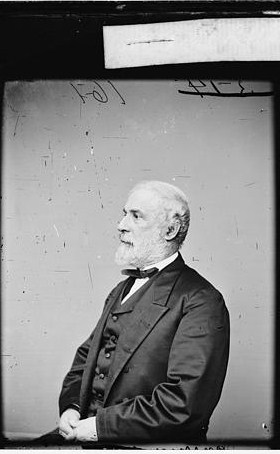
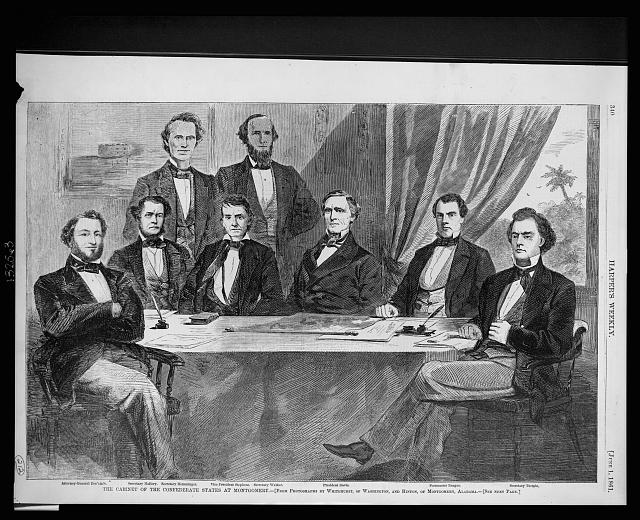
LeRoy Pope Walker has stepped down as secretary of War in the CSA cabinet. A Richmond newspaper speculates on his possible replacement. Robert E.(Granny) Lee has been mentioned, although the Daily Dispatch thinks President Davis should try for more geographical balance in his cabinet by selecting someone from the Memphis area.

From the Richmond Daily Dispatch September 17, 1861:

Secretaryship of War.

–The Hon. L. Pope Walker, Secretary of War, has resigned that post. Who his successor will be is variously conjectured. There is a considerable outside pressure from Richmond circles in behalf of General Robert. E. Lee. Mention is also made of Major General Poln [Polk]. Still other names are prominently brought forward. Both in Great Britain and in this country the post of War Minister has always been regarded as one of those great political offices, requiring to be filled with some reference to public sentiment. We have no idea that President Davis will fill the appointment upon any other theory.–If this be the fact, then it would seem to follow as a matter of course, that if a proper man be found, the selection will be made from some State or great district of country not now represented in the Cabinet. In that event, the public will naturally expect that Tennessee, Arkansas, or at least the region of which Memphis is the centre and emporium, would be the one to furnish the new Cabinet officer. The Atlantic seaboard is now represented by Messrs. Hunter and Memminger; the Gulf States by Messrs. Mallory, Benjamin and Reagan; the great central country whose centre of intelligence, trade and interest is Memphis, is not represented in the Cabinet; and, upon abstract reasoning, would seem entitled to the appointment, provided it can furnish the qualifications and talents demanded.

The cabinet of the Confederate States at Montgomery (Harper's June 1861; LOC - LC-USZ62-132563)

It's history

Judging by our own feelings, we suppose the public to be profoundly indifferent as to the mere person to be selected. The first sentiment of the people is, that the highest talents at command should be enlisted for the post. The next feeling of the public is, that other things being equal, a just regard should be paid to the various geographical interests of the Confederacy.

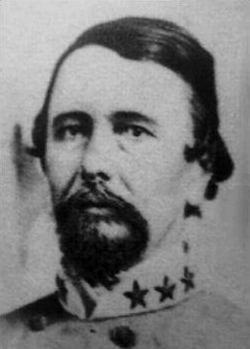
In the retirement of Judge Walker, the country loses the services of an able, a valuable, and a most faithful public officer. All the circumstances attending the organization and administration of the affairs of the Department of War, have conspired to render the task an arduous and difficult one; and Judge Walker has this great fact for his personal felicitation, viz: that, in looking back upon his labors, no disaster has befallen the arms of the Confederacy during his tenure of office. The new machinery which he has had to create and set in motion; the new agents, unskilled in the service, to whom he has had to trust the management of its various duties, may have wrought awkwardly and without, efficiency, at times, and there may be room for much improvement in the service; but when we reflect that during the first seven months of the Confederate Government’s career, during which military operations on so large a seale have been conducted, and engagements so repeated and numerous on so many distant theatres have occurred without a single disaster to the Confederate arms, we are bound to concede to Judge Walker the highest meed of praise to a Cabinet officer, that of ability, fidelity, and success.–True, there was a disaster which befell our arms under Gen. Garnett; but this was at a very early date after the Confederate Government took charge of operations in this quarter, and before it had time, while a great danger threatened them from the direction of Washington, to mature its preparations in that distant theatre of hostilities. The affair of Fort Hatteras was one of which the State of North Carolina had control, and for which the Confederate Government was not responsible.

The President has manifested his high sense of the abilities and services of Judge Walker by tendering a Brigadier-Generalship in the Confederate service. The country thus still retains the services of Gen. Walker. We have no doubt that the change from the Cabinet to the field will be extremely agreeable to the feelings of this officer.

The pleasures of political speculation haven’t changed much in 150 years. I think it would have been pretty nice if General (Bishop) Polk was selected – an ideal person to start each cabinet meeting with prayer.

How would have the war been different if Lee was the Secretary of the department?

As it turned out the perpetually smilingJudah P. Benjamin would serve as War secretary until March, 1862. Benjamin’s replacement as Attorney General was not from Memphis. Thomas Bragg was an ex-governor of North Carolina and the older brother of General Braxton Bragg.

Posted in 150 Years Ago This Week, Confederate States of America | Tagged , , , , | Leave a comment