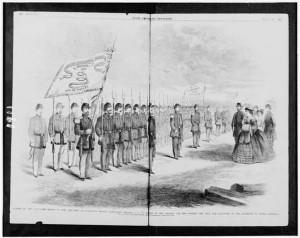
Seven Stars Over Sumter

Fort_sumter_1861

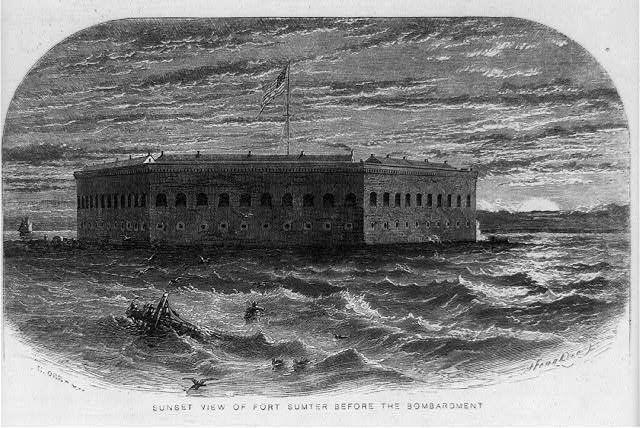
Seven Stars over Fort Sumter - April 1861)

From The New-York Times April 15, 1861 (The New York Times Archive):

FORT SUMPTER EVACUATED.; FORT SUMPTER HAS SURRENDERED.

CHARLESTON, via AUGUSTA, Saturday, April 13.

The Confederate flag floats over its walls.

None of the garrison or Confederate troops are hurt.

Another correspondent says:

The bombarding has closed.

Major Anderson has drawn down the stripes and stars, and displays a white flag, which has been answered from the city, and a boat is on the way to Sumpter.

CHARLESTON, Saturday, April 13 — P.M.

The Federal flag was again hoisted over Fort Sumpter, when PORCHER MILES, with a flag of truce, went to the Fort.

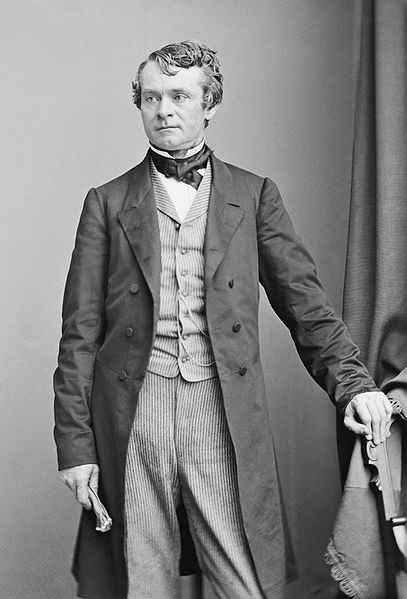
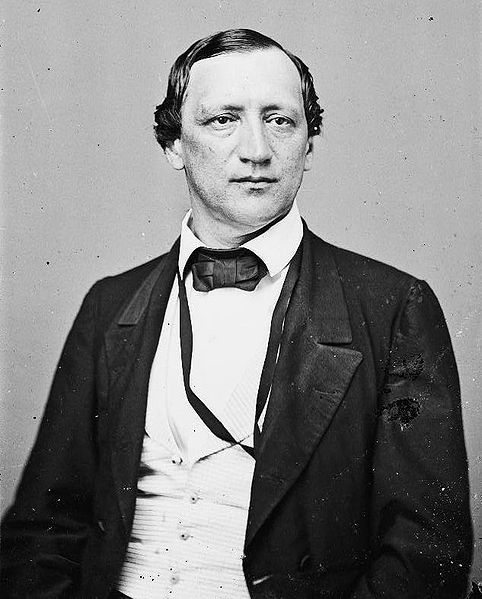
383px-William_Porcher_Miles_-_Brady-Handy

William Porcher Miles, fire-eater (Library of Congress - LC-DIG-cwpbh-02127)

In a few minutes the Federal flag was again hauled down by Major ANDERSON, and a white one unfurled.

CHARLESTON, Saturday, April 13.

Gen. BEAUREGARD, with two Aids, have left for Fort Sumpter.

Three fire companies from Charleston are now on their way to Sumpter to quell the fire before it reaches the magazine.

Fort Sumpter has unconditionally surrendered.

Ex-Senator CHESNUT, Ex-Governor MANNING and W.P. MILES have just landed and marched to Gov. PICKENS’ residence, followed by a dense crowd wild with joy.

It is reported that the Federal flag was shot away by the Palmetto Guards at Morris Island.

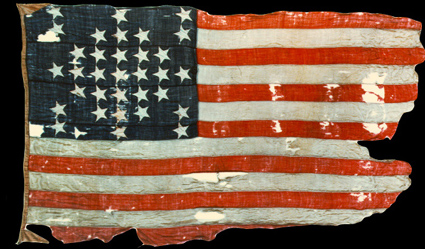
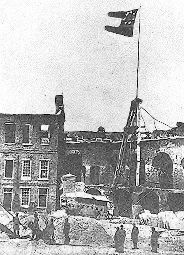
Fort_Sumter_storm_flag_1861

Fort Sumter storm flag down

In all two thousand shots have been fired. No Carolinians killed.

Major ANDERSON and his men, under guard, were conveyed to Morris Island.

The bells are ringing out a merry peal, and our people are engaged in every demonstration of joy.

It is estimated that there are nine thousand men under arms on the islands and in the neighborhood.

William Porcher Miles is reported to have said on July 24, 1860:

I am chary of seeing the South pass “resolutions”. They accomplish nothing. In truth, have come to be regarded very much like the cry of “wolf”. Let us resolve less and do more. I am sick at heart of the endless talk and bluster of the South. If we are in earnest let us act. Above all, I am weary of these eternal attempts to hold out the olive branch, when we ought to be preparing to grasp the sword.”

The South sure is grasping the sword now. How will the North (and Border States) respond?

Posted in 150 Years Ago This Week, Confederate States of America, Military Matters | Tagged , | Leave a comment

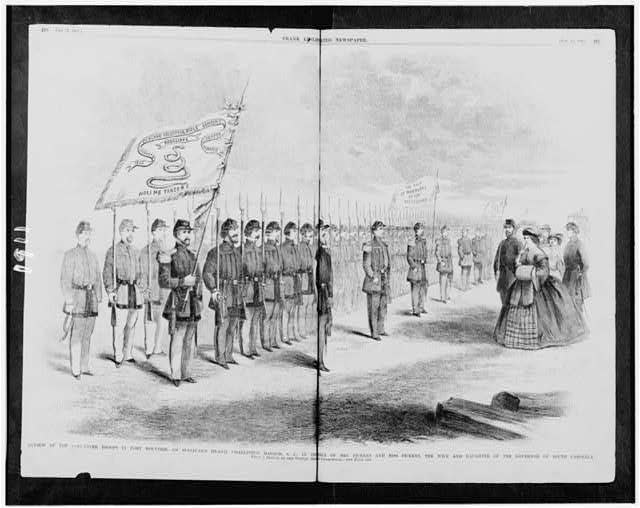
Rattlesnake Strikes

Mrs Pickens reviews troops at Fort Moultrie February 1861

Before the war: South Carolina First Lady Pickens reviews troops at Fort Moultrie (Frank Leslie's illustrated newspaper, 1861 Feb. 23) (LOC - LC-USZ6-1911)

From The New-York Times April 13, 1861 (The New York Times Archive):

THE WAR COMMENCED.The First Gun Fired by Fort Moultrie Against Fort Sumpter.; THE BOMBARDMENT CONTINUED ALL DAY. Spirited Return from Major Anderson’s Guns. The Firing from Fort Sumpter Ceased for the Night. Hostilities to Commence Again at Daylight. The Correspondence which Preceded the Bombardment. The Demand for a Surrender and Major Anderson’s Refusal. THE RELIEF FLEET OFF THE HARBOR. How the News is Recieved in Washington.

CHARLESTON, Friday, April 12.

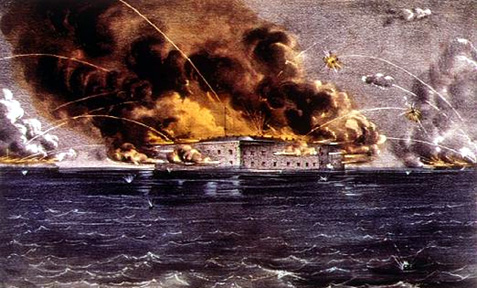
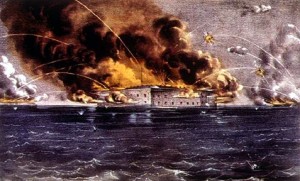
The ball has opened. War is inaugurated.

The batteries of Sullivan’s Island, Morris Island, and other points, were opened on Fort Sumpter at 4 o’clock this morning.

OUR CHARLESTON DISPATCHES.
Sumter 4-12-1861

"The ball has opened. War is inaugurated." April 12, 1861 (Currier & Ives)

Fort Sumpter has returned the fire, and a brisk cannonading has been kept up. No information has been received from the seaboard yet.

The military are under arms, and the whole of our population are on the streets. Every available space facing the harbor is filled with anxious spectators.

CHARLESTON, Friday, April 12.

The firing has continued all day without intermission.

Two of Fort Sumpter’s guns have been silenced, and it is reported that a breach has been made in the southeast wall.

The answer to Gen. BEAUREGARD’S demand by Major ANDERSON that he would surrender when his supplies were exhausted, that is, if he was not reinforced.

Not a casualty has yet happened to any of the forces.

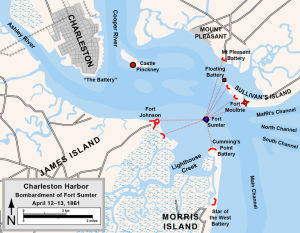
Of the nineteen batteries in position only seven have opened fire on Fort Sumpter, the remainder are held in reserve for the expected fleet.

Two thousand men reached this city this morning and embarked for Morris Island and the neighborhood.
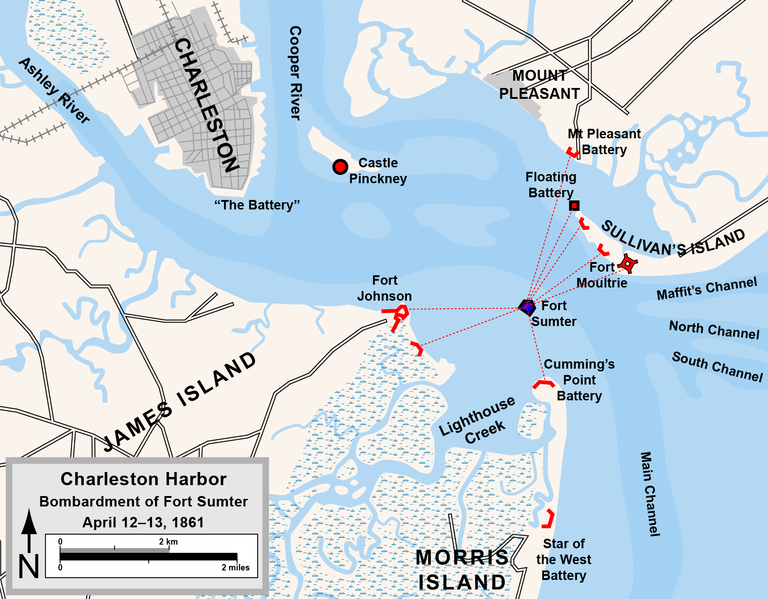
768px-Charleston_Harbor_1861

"Home Plate" being battered by the surrounding batteries

CHARLESTON, Friday, April 12.

The bombardment of Fort Sumpter continues.

The Floating Battery and Stephens Battery are operating freely, and Fort Sumpter is returning the fire.

It is reported that three war vessels are outside the bar.

CHARLESTON, Friday, April 12.

The firing has ceased for the night, but will be renewed at daylight in the morning, unless an attempt is made to reinforce, which ample arrangements have been made to repel.

The Pawnee, Harriet Lane, and a third steamer are reported off the bar.

Troops are arriving by every train.

LATER DISPATCHES — HOSTILITIES STILL PRODEEDING.

CHARLESTON, Friday, April 12.
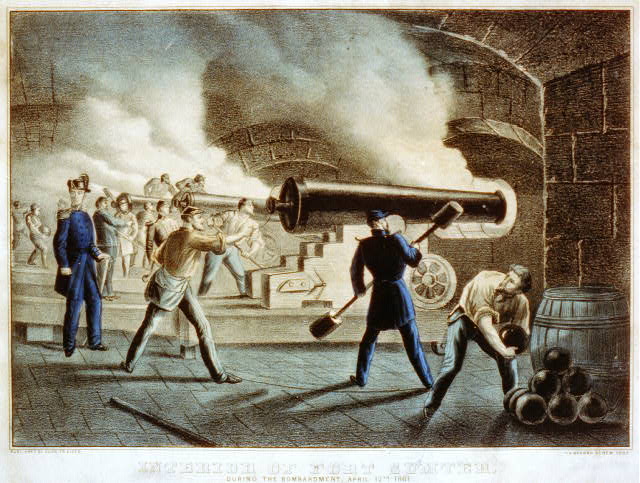
Inside Fort Sumter 4-12-1861

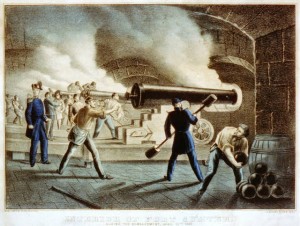
Inside Fort Sumpter 4-12-1861 (Currier & Ives LOC - LC-USZ62-36)

The bombardment is still going on every twenty minutes from our morters. It is supposed that Major ANDERSON is resting his ment for the night.

Three vessels-of-war are reported outside. They cannot get in. The sea is rough.

Nobody is hurt. The floating battery works well. Troops arrive hourly. Every inlet is guarded. There are lively times here.

CHARLESTON, Friday, April 12.

The firing on Fort Sumpter continues.

There are reviving times on the “Palmetto coast.”

CHARLESTON, Friday, April 12 — 3 A.M.

It is utterly impossible to reinforce Fort Shmpter, to-night, as a storm is now raging.

The morter batteries will be playing on Fort Sumpter all night.

FROM ANOTHER CORRESPONDENT.

CHARLESTON, Friday, April 12.
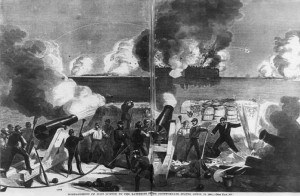
Attack_on_Fort_Sumter

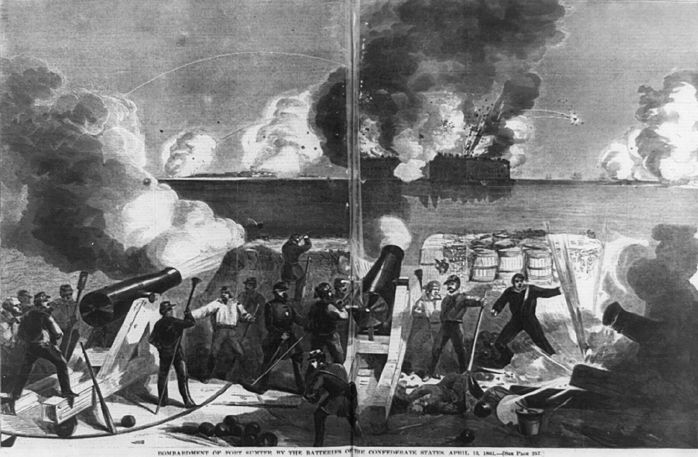
"Civil war has at last begun." Library of Congress - LC-USZ62-90258

Civil war has at last begun. A terrible fight is at this moment going on between Fort Sumpter and the fortifications by which it is surrounded.

The issue was submitted to Major ANDERSON of surrendering as soon as his supplies were exhausted, or of having a fire opened on him within a certain time.

This he refused to do, and accordingly, at twenty-seven minutes past four o’clock this morning Fort Moultrie began the bombardment by firing two guns. To these Major ANDERSON replied with three of his barbette guns, after which the batteries on Mount Pleasant, Cummings’ Point, and the Floating Battery opened a brisk fire of shot and shell.

Major ANDERSON did not reply except at long intervals, until between 7 and 8 o’clock, when he brought into action the two tier of guns looking towards Fort Moultrie and Stevens iron battery.

Up to this hour — 3 o’clock — they have failed to produce any serious effect.

Major ANDERSON has the greater part of the day been directing his fire principally, against Fort Moultrie, the Stevens and Floating Battery, these and Fort Johnson being the only five operating against him. The remainder of the batteries are held in reserve.
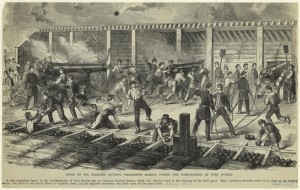
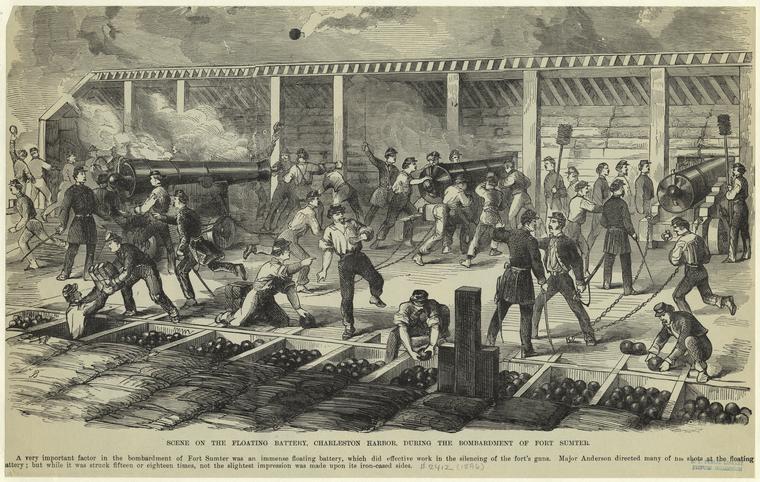
FloatingBatteryInteriorEngaged1861

Inside the Floating Battery (Frank Leslie's Weekly April 27, 1861)

Major ANDERSON is at present using his lower tier of casemate ordnance.

The fight is going on with intense earnestness, and will continue all night.

The excitement in the community is indescribable. With the very first boom of the guns thousands rushed from their beds to the harbor front, and all day every available place has been thronged by ladies and gentlemen, viewing the spectacle through their glasses.

The brilliant and patriotic conduct of Major ANDERSON speaks for itself.

Business is entirely suspended. Only those stores open necessary to supply articles required by the Army.

Gov. PICKENS has all day been in the residence of a gentleman which commands a view of the whole scene — a most interested observer. Gen. BEAUREGARD commands in person the entire operations.

It is reported that the Harriet Lane has received a shot through her wheelhouse. She is in the offing. No other Government ships in sight up to the present moment, but should they appear the entire range of batteries will open upon them.
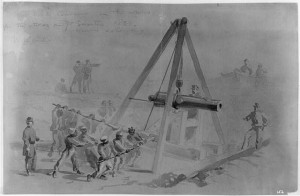
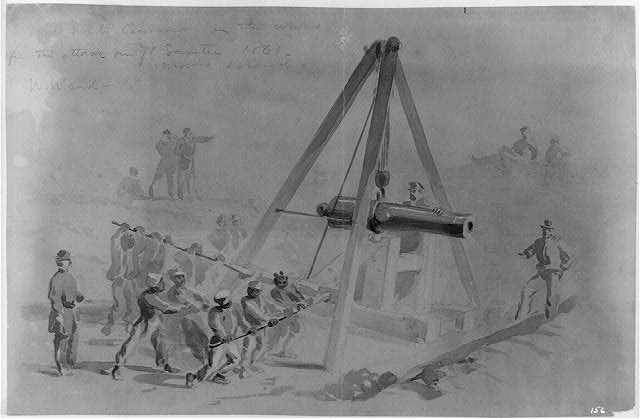
3a04141r

Negroes mounting Cannon in the works for the attack on Ft. Sumter 1861- Morris Island by William Waud LOC - LC-DIG-ppmsca-21740

Troops are pouring into the town by hundreds, but are held in reserve for the present, the force already on the island being ample. People are also arriving every moment on horseback, and by every other conveyance.

CHARLESTON, Friday, April 12 — 6 P.M.

Capt. R.S. PARKER brings dispatches from the floating battery, stating that up to this time only two have been wounded on Sullivan’s Island. He had to row through Major ANDERSON’S warmest fire in a small boat.

Senator WIGFALL in same manner bore dispatches to Morris Island, through the fire from Fort Sumpter.
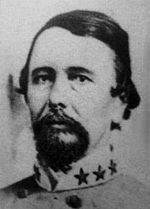
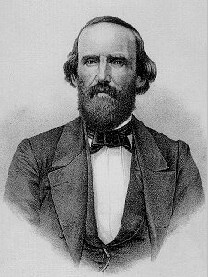
150px-JChesnut

Chestnut fired gun "by way of amusement"

Senator CHESNUT, another member of the staff of Gen. BEAUREGARD, fired a gun, by way of amusement, from Mount Pleasant, which made a large hole in the parapet.

Quite a number have been struck by spent pieces of shell and knocked down, but none hurt seriously. Many fragments of these missiles are already circulating in the city.

The range is more perfect than in the morning and every shot from the land tells.

Three ships are visible in the offing, and it is believed an attempt will be made to-night, to throw reinforcements into Fort Sumpter in small boats.

It is also thought, from the regular and frequent firing of Major ANDERSON, that he has a much larger force of men than was supposed. At any rate, he is fighting bravely.

There have been two rain storms during the day, but without effect upon the battle.

Everybody is in a ferment. Some of those fighting are stripped to the waist.

________________________________
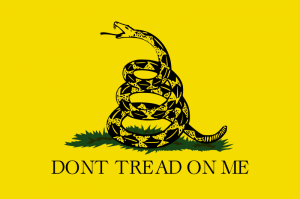
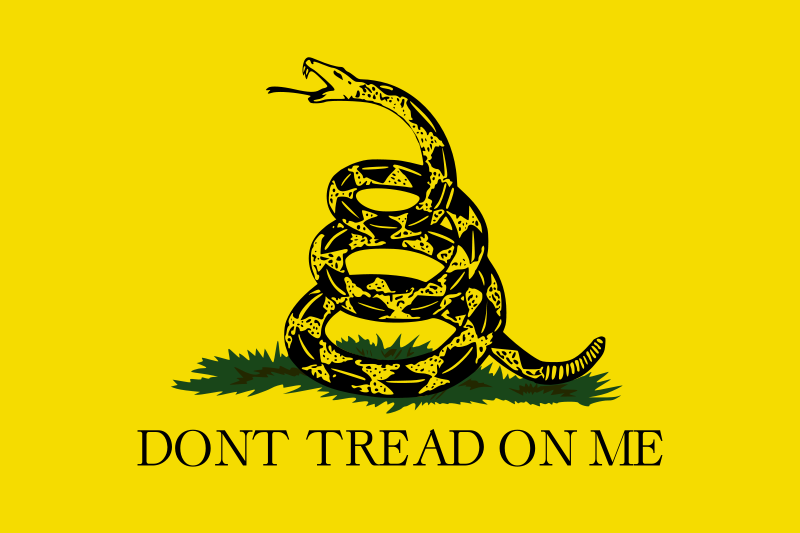
800px-Gadsden_flag.svg

Gadsen Flag - looks like template for that Fort Moultrie flag
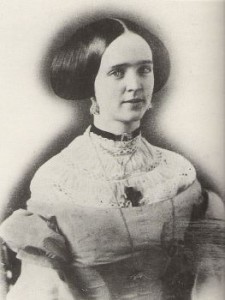
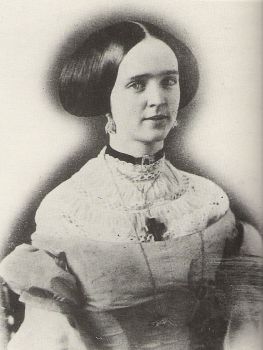
Lucy Pickens

Lucy Pickens - Belle at 'opening of the ball'

_________________________________

The Gadsen Flag was designed by South Carolinian Christopher Gadsden in 1775.

Lucy Petway Holcombe Pickens “… witnessed the shelling of Fort Sumter from a rooftop in Charleston, South Carolina.”

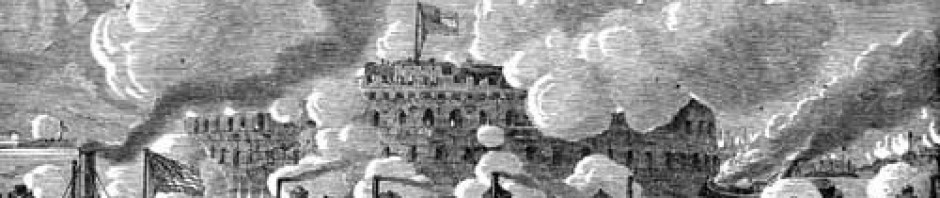
The map of Charleston Harbor is by Hal Jespersen, www.posix.com/CW and is licensed by Creative Commons.
Posted in 150 Years Ago This Week, Military Matters | Tagged , , | Leave a comment

Attack on the Capital?

McCullochBenjamin

Ben McCulloch - on the way to DC?

For the past couple weeks Civil War Daily Gazette has done a great job focusing on the crisis over Fort Sumter. As can be seen the Lincoln administration has been working out its plan of action regarding the fort while rumors of a southern raid on Washington, D.C. are in the air. And some of the members of the militia would not fight against southerners.

From The New-York Times April 11, 1861:

THE IMPENDING WAR.; EXCITEMENT AT THE NATIONAL CAPITAL Anticipated Raid of the Secessionists. THE DISTRICT MILITIA ORDERED OUT. …

WASHINGTON, Wednesday, April 10.

RUMORED PLOT TO SEIZE THE CAPITAL.

The officers of the District Militia were yesterday ordered to have a meeting at 10 o’clock this morning, in consequence of information relative to a contemplated movement for the seizure of this city by the Secessionists under McCULLOUGH. Near midnight, however, orders were issued for the assembling of the militia at their armories this morning, and officers have been engaged summoning the men ever since 5 A.M.

The armories are now all full of men. The understanding is that they are to be drafted for service at the different public buildings; but this is not yet definitely known.

There is much excitement and anxiety here, although it is not very apparent on the streets.

Among the troops ordered out is SCHAFFER’s National Rifles, which are believed to be Secessionists. The call for actual service will of course compel all the traitors to retire from the corps.

MORE ABOUT THE DEFENCE OF WASHINGTON.

Seven Militia Companies reported to Gen. SCOTT this morning, and between six and eight hundred of them volunteered for any service in which the President might desire them to act. Very many, however, refused to act. Out of seventy men among the National Rifles sixteen resigned. A large number will be drafted to make up the quota. Subsequently they repaired to the Commisary’s Department and received their equipments and rations for the night. They will be stationed about the several public buildings at night, and most of them will be relieved from duty during the day.

The city resounded throughout the day with martial music; and the tramp of soldiers about the streets, and movements of companies, added much to the excitement and made the day very lively. Among these troops are many of the ablest citizens of Washington. To-day’s work has proven that the Militia of the District is generally sound for the Union. …

THE POLICY OF THE GOVERNMENT.

While many Naval Officers express the belief that the attempt to provision Fort Sumpter will be successful, others of excellent judgment usually think otherwise; but the decision of the Administration in the matter was made independent of the question of probable success. The President considers it his duty to make the effort at all events. If successful resistance is made by the Charleston forces, then will arise the grave question whether the Government shall exert its whole power to reinforce and resupply the fort irrespective of cost.

There need be no doubt that the Government has the power, for the law gives the President full authority to summon the militia of all the States, if necessary, to suppress rebellion against the Federal Government. It has been contended that this power could only be exerted in support of judicial process. But that is clearly an error, as will be seen on examination. At all events, the Administration is satisfied of its power under that law and will not hesitate to exercise it if it is considered necessary. …

MATTERS IN MARYLAND.

Great excitement was caused in Baltimore to-day by a scorching Union article in the Baltimore Clipper, denouncing the Southern Confederacy and its acts. The article has provoked threats of an assault on the author.

Gov. HICKS and many prominent Marylanders assure the President that Maryland will be loyal if he does not provoke or commence the war, which he certainly will not do. …

DISPATCH TO THE ASSOCIATED PRESS.

WASHINGTON, Wednesday, April 10.

Ten companies, or about one-fourth of the volunteer militia of the District of Columbia, are mustering to day for inspection, the order having been issued from the Government head quarters last night. Several days ago the company officers were directed to immediately report the number of effective men. This unexpected movement has given rise to many surmises, especially as reports prevail, believed to be correct, that these ten companies are to be drafted into immediate service.

Much excitement everywhere exists, heightened in a great degree by bogus dispatches, professedly from Charleston, of a stirring battle in the vicinity of Fort Sumpter.

There is no doubt that the military movements here in progress are connected with precautionary measures for the defence of the Capital from an apprehended attack from the South.

The Federal forces in Washington are to be strengthened this week by at least one additional artillery company.

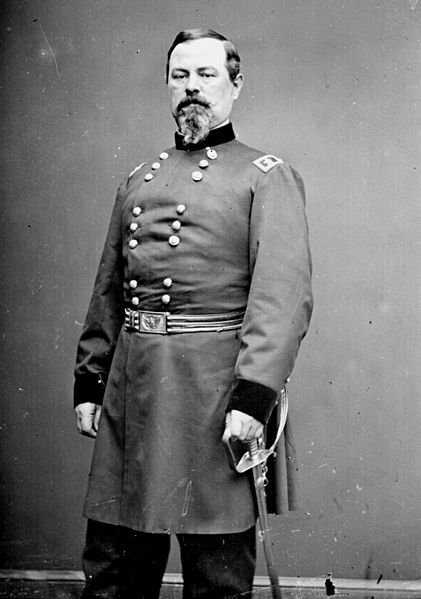
421px-Irv_mcdowell

Irvin McDowell - in April 1861 inspecting the volunteer companies in Washington, D.C.

WASHINGTON, Wednesday, April 10 — P.M.

During this afternoon various volunteer companies proceeded to the War Department, and were inspected by Assistant Adjutant General MCDOWELL. Several hundred men were mustered into service. Two or three broken companies were rejected, the number of each being below forty-two members.

An attempt is making to-night to bring them up to this minimum, in order to their acceptance.

Of the National Rifles, ever sixty members, only one half consented to be mustered in. The reason for this, as in other similar cases, was that some of the men were apprehensive they would be ordered to some point beyond the limits of the District of Columbia, while others were unwilling to take the oath, which they conceive, in the event of the secession of Maryland and Virginia, would compel them to fight against those States. It is said they were informed that the oath must be taken unconditionally, and the infraction of which would expose them to punishment under the rules and articles of war.

At a late hour of the afternoon two companies appeared at the War Department, some of the members without uniforms, but the Adjutant-General had retired for the day.

Capt. CARRINGTON’s Company, about 80, were mustered in to a man. The accepted companies have already been placed on duty, guarding their respective armories.

Immense crowds gathered in front of the War Department to witness the proceedings attendant on the inspection and mustering into service. …

Posted in 150 Years Ago This Week, Lincoln Administration, Military Matters | Tagged , | Leave a comment

Prepping for War – South and North

Mississippians at Pensacola's Warrington Navy Yard 1861

Mississippians at Pensacola's Warrington Navy Yard 1861 (Library of Congress LC-DIG-ds-00237)

From The New-York Times April 10, 1861 (The New York Times Archive):

IMPORTANT FROM MONTGOMERY.

MONTGOMERY Tuesday, April 9.

JEFF. DAVIS made a requisition to-day on the Governor of Alabama for 3,000 troops.

The Mississippi Brigade, 1,800 strong, arrived at Pensacola on the 7th inst.

Three hundred and seventy Georgia troops for Pensacola have passed through here within the last 48hours.

_________________________________

407px-Andrew_Curtin2

Governor Curtin getting PA's military house in order

From The New-York Times April 10, 1861 (The New York Times Archive):

THE PENNSYLVANIA LEGISLATURE.; MESSAGE OF GOV. CURTIN RELATIVE TO MILITARY AFFAIRS.

HARRISBURGH, Penn., Tuesday, April 9.

Gov. CURTIN has sent a message into the Legislature in relation to our national difficulties. Here commends the organization of militia and other measures proper at the present crisis. He also states that he has received a letter from President LINCOLN, stating that he (LINCOLN) has information of a design to attack the City of Washington.

Ex-Treasurer SLIPER says that no State loan will be required to supply the half million for war purposes.

HARRISBURGH, Penn., Tuesday, April 9 — P.M.

Gov. CURTIN’s Message calls attention to the military organization of the State, and recommends the Legislature to make immediate provision for the removal of the defects now existing by establishing a military bureau at the Capital, by modifying the militia laws, and by making a proper distribution of arms, &c. He calls attention to the serious jealousies and divisions distracting the public mind, and the military organizations of a formidable character, seemingly not demanded by an existing public exigency, in certain States. He adds, “Pennsylvania offers no counsel and takes no action in the nature of a menace. Her desire is peace and to effect the preservation of the personal and political rights of citizens, the true sovereignty of the States, and the supremacy of law and order. Animated by these sentiments and indulging an earnest hope of a speedy restoration of harmonious and friendly relations, I commit the grave subject of this communication to your deliberation.”

The Message was referred to a Joint Select Committee to report by bill. …

Andrew Gregg Curtin worked hard for the Union cause throughout the Civil War. After the war he became a Democrat. He served as President Grant’s ambassador to Russia and later won election to the U.S. House of Representatives.

Posted in 150 Years Ago This Week, Military Matters | Tagged , , | Leave a comment

Not for the Cherry Blossoms*

458px-AxHHStuart

AHH Stuart standing up for Lincoln's right to privacy for public policy

But Three Virginians Still Headed to DC

On April 8, 1861 the Virginia secession convention debated and passed William B. Preston’s resolution to send three commissioners to interview President Lincoln and ascertain his policy toward the seceded states and the federal forts in those states. From The New-York Times April 9, 1861 (The New York Times Archive):

THE VIRGINIA STATE CONVENTION.

RICHMOND, Monday, April 8.

395px-George_Wythe_Randolph_1

GW Randolph - Virginia's soldiers need to know


A resolution was offered in the Convention, today, to suspend the execution of the order for going into Committee of the Whole, for the purpose of completing the unfinished business of Saturday.

Mr. JACKSON moved to lay it on the table. Lost.

The resolution was adopted.

Mr. PRESTON’s resolutions came up, and were the subject of a long debate.

Mr. SCOTT, of Fauqier, and Mr. TREADWAY, Conservatives, declared if the President’s response was unfavorable, they would go for secession. They hoped the answer would be favorable. Others followed.

The object of the resolution was to precipitate secession. The movements of fleets were frequently alluded to, and the ground assumed was that Virginia having by vote on Thursday indicated her policy against secession, she had a right to know what the movements mean.

The Unionists and some Conservatives opposed its adoption.

The preamble and resolution were adopted, 63 to 75. Gov. WISE voted no.

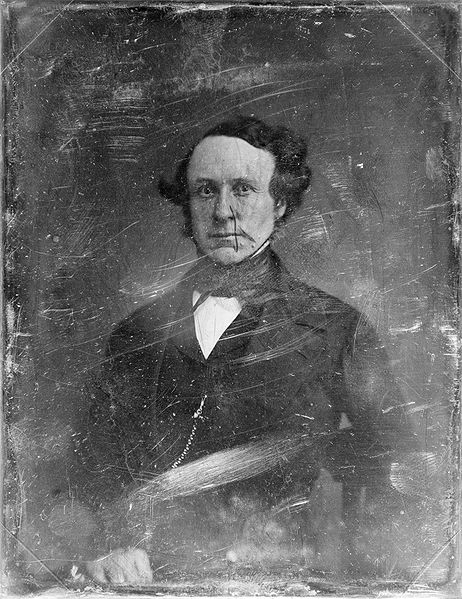
WM. BALLARD PRESTON, Conservative, ALEX. H.H. STUART, Union, and GEO. W. RANDOLPH, Secessionist, were appointed the Commissioners to wait on the President, and will leave to-morrow morning.

Adjourned.

464px-WilliamCRives

WC Rives - resolution another secessionist plot

The April 10th issue of The Times reported on some of the debate leading up to the vote on Preston’s resolution (The New York Times Archive. Alexander Hugh Holmes Stuart did not think the convention had a right to interrogate the President because a “President must have a wise control over his own councils”. The ex-President John Tyler drew a distinction between the secrecy of his negotiations with Mexico about Texas and President Lincoln’s responsibilities toward his Virginian constituents. George Wythe Randolph, one of Thomas Jefferson’s grandchildren, thought it was very important to send the commissioners to visit Mr. Lincoln for the sake of all the Virginians still in the U.S. military. They would not fight against the South but could not financially afford to resign their positions on a whim. William Cabell Rives believed the resolution was an attempt by the secessionists to keep the debate alive. Because

On the 4th of April, this Convention voted down a Secession Ordinance by a vote of two to one! When they did so they sent a harpoon into the vitals of the whale. No wonder the blood spouted, and the waves boiled as it plunged below.

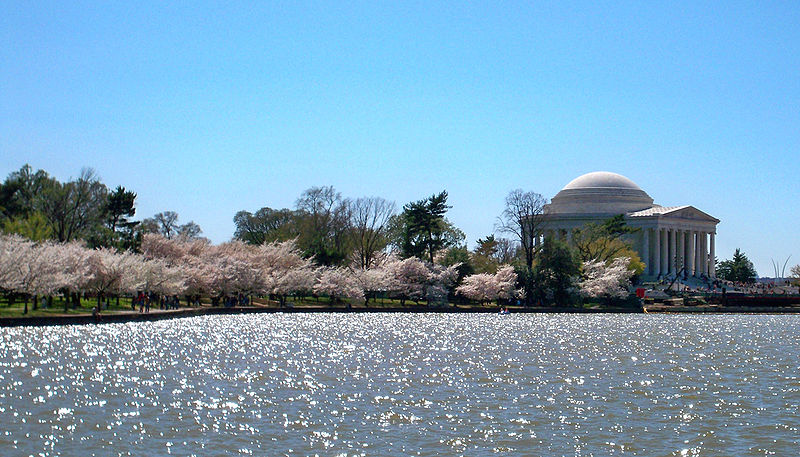
*Cherry blossoms did not become prevalent in D.C. until the early part of the 20th century

800px-Tidal_Basin_blossoms_by_Matthew_Bisanz

2010 - the memorial to Randolph's granddad with blossoms

Photo by Matthew Bisanz Creative Commons and Free Art licenses

Posted in 150 Years Ago This Week, Secession and the Interregnum | Tagged , , , , | 1 Comment

Cannonballs and Arkansas

60 Tons of “Coercion” vs. “No Submission”

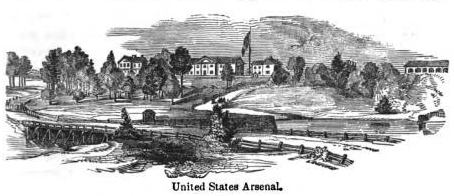
Watertown_Arsenal_Cir_1847

Watertown Arsenal circa 1847

From The New-York Times April 9, 1861:

CANNON BALLS SHIPPED TO NEW-YORK.

BOSTON, Monday, April 8.

Six car loads of twenty-four pound cannon balls, weighing 60 tons, left the United States Arsenal, at Watertown, on Saturday afternoon, for New-York.

From The New-York Times April 9, 1861:

STATE OF FEELING IN ARKANSAS.

FAYETTEVILLE, Ark., Monday, April 8.

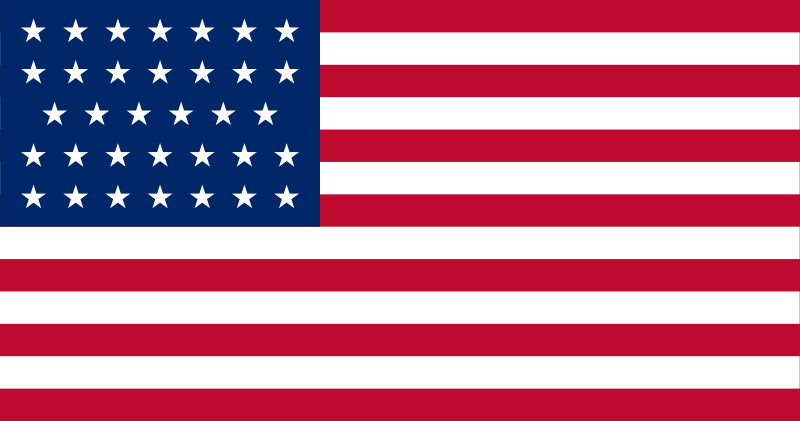
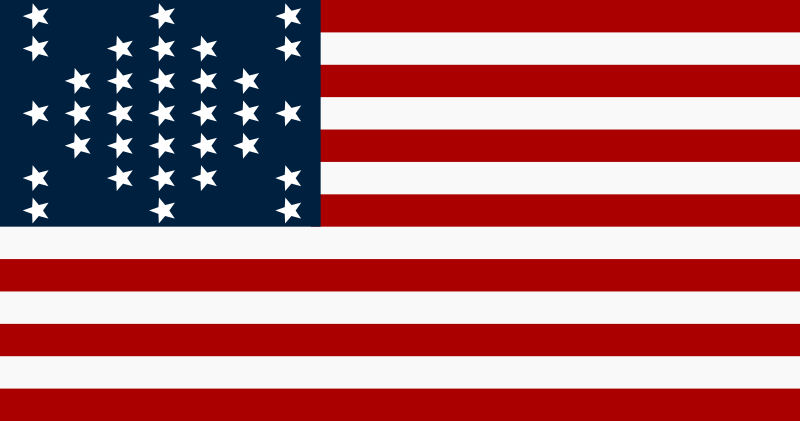
The State Rights Party to-day raised a large flag containing fifteen stars, the State arms, and red and white stripes, and the mottoes: “No submission to the North” and “Southern Rights.” Much opposition was manifested by the Union men to this proceeding, and they displayed from the Court house a National flag, with thirty-four stars. An immense crowd assembled, which was addressed by Secessionists and Unionists.

800px-US_flag_34_stars.svg

34 stars for the Arkansas unionists

You can read about the Watertown, Massachusetts Arsenal at Wikipedia

Posted in 150 Years Ago This Week, Military Matters, Secession and the Interregnum | Tagged , , , | Leave a comment

Let’s Visit the Rail Splitter!

And we’re not even looking for a federal job

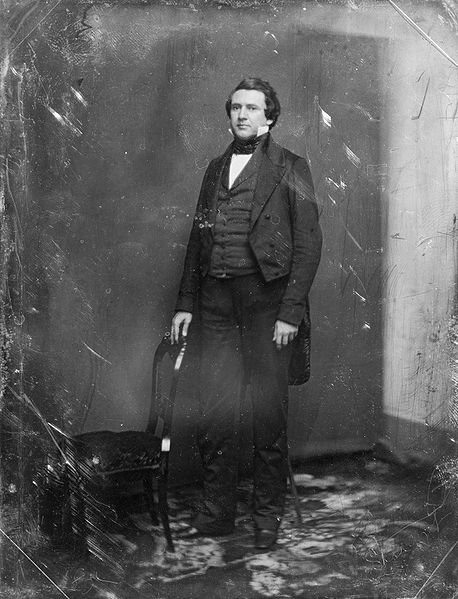
462px-WmBdPreston

William Ballard Preston: Road trip to DC?

No final decisions were made, but 150 years ago today members of the Virginia secession convention debated a resolution to send three commissioners to meet with President Lincoln to find out definitely what his policy toward the seceded states was going to be. From The New-York Times April 8, 1861 (The New York Times Archive):

IMPORTANT PROCEEDINGS OF THE VIRGINIA STATE CONVENTION.

RICHMOND, Va., Saturday, April 6.

The Virginia State Convention reassembled this forenoon.

Secession resolutions from the people of Charlotte and Norfolk Counties were presented.

MR. HALLADAY said that the signers to the latter constituted a small minority of the people of the county. …

In Convention, Mr. PRESTON, a conservative, offered a resolution (supposed to have been occasioned by the late war movement) declaring that the Government has no power to subjugate a Southern State, protesting against any such coercive policy, and authorizing the appointment of delegates to wait on the President, present him these resolutions, and respectfully ask him to communicate to the Convention the policy the Government intends to pursue.

The resolution was modified on the suggestion of Mr. BALDWIN, and accepted by Mr. PRESTON, as follows:

Whereas, In the opinion of this Convention the uncertainty which prevails in the public mind as to the policy the Government intends to pursue towards the seceded States is extremely injurious to the commercial and industrial interests of the country, and tends to keep up an excitement which is unfavorable to an adjustment of the pending difficulties, and threatens the disturbance of the public peace; therefore.

Resolved, That a committee of three delegates be appointed to wait on the President, &c.

John S. Carlile

John S. Carlile: fair play - what's Jeff Davis' policy toward Union?

Mr. CARLILE offered, an amendment, to include a desire to know the policy of the seceded States toward the General Government. Rejected.

Mr. PRESTON’s resolution was then adopted as modified.

Mr. JACKSON moved a reconsideration. He did not vote.

The Convention agreed to take a vote again.

Mr. JACKSON made a venement speech against the proposition, declaring his constituents would never consent to join South Carolina.

Lieut. Gov. MONTAGGE made a spirited speech in reply.

Considerable feeling was manifested on all sides.

Some of the Unionists consider that the adoption of Mr. PRESTON’s resolution will annihilate all hopes of adjustment.

Without taking a final vote the Convention agreed to adjourn, hoping for a more calm session on Monday. …

Apparently the Virginia delegates were as uncertain about Lincoln’s policies as The New York Times.

Like John Jay Jackson, John Snyder Carlile was a delegate from a county currently in West Virginia

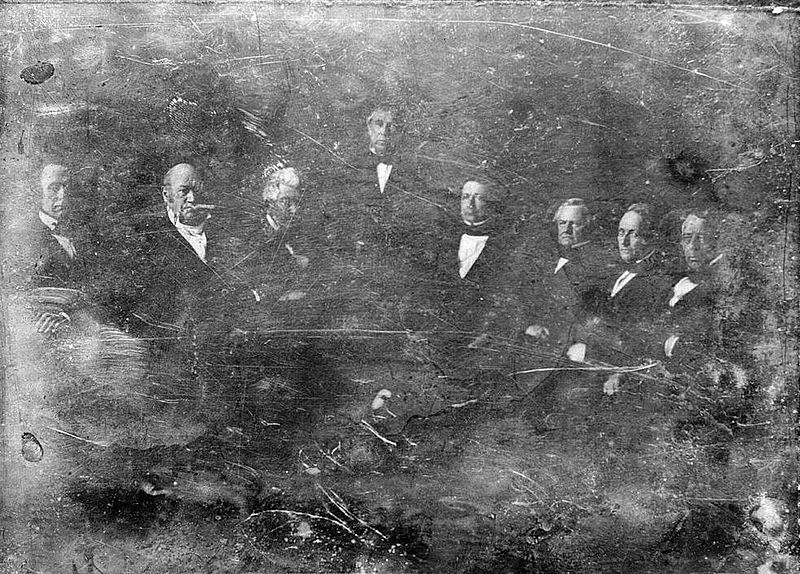
William Ballard Preston was the Secretary of the Navy during the Zachary Taylor administration.

800px-The_Taylor_Administration

The Taylor cabinet - Preston on far left (1849 Daguerreotype by Matthew Brady)

Posted in 150 Years Ago This Week, Lincoln Administration | Tagged , , , , | 1 Comment

Omen

3b47808r

Union flag still flying defiantly

LETTER FROM FORT SUMPTER.

From a reliable correspondent at Fort Sumpter, the Philadelphia North American gathers the following particulars:

“No order for the evacuation of the fort had reached there up to the 31st inst. On the previous Saturday, the Convention, on the invitation of Gen. BEAUREGARD, had visited the defences in Charleston harbor. Rapid firing of shot and shell, took place from the batteries on Cummings’ Point. Thirty of the laborers employed at Fort Sumpter were to leave on Monday, the 1st inst. The provisions in the fort were nearly exhausted, and but four days’ bread remained.

An amusing incident occurred a few days ago, upon the arrival of the steamboat with the private effects of one of the officers, which had been left at Sullivan’s Island. Supposing that Fort Sumpter was at last to be evacuated, the troops at the different batteries around mounted upon the breastworks and sand-hills to watch the departure. Just before the arrival of the boat Major ANDERSON had given orders for the repair of the large flag, which had become torn. While the steamer was lying at the wharf the flag was lowered, when the troops around set up a loud shout, which, however, was suddenly checked by seeing a storm-flag running up to the mast-head, that soon floated out as defiantly as ever.

Ft Sumter storm flag

Fort Sumter storm flag intact

The fuel in the Fort was scarce, but the troops were using drift-wood which has been caught. None of the gun carriages had been burned, as has been reported.

From The New-York Times April 6, 1861 (The New York Times Archive). The Times this morning (April 6, 1861, that is) is full of news about the impending collision, although some are still saying that if Mr. Lincoln abandoned Forts Sumter and Pickens it would kind of deflate the rebellion by keeping the Border States in the Union. “Old Abe” as coercionless.

According to Wikipedia the image of the flag is a digital reproduction of the storm flag.

Posted in 150 Years Ago This Week, Military Matters | Tagged , , , | Leave a comment

Adrift at the White House

455px-Jefferson_Davis_-_1853_daguerreotype_-_color

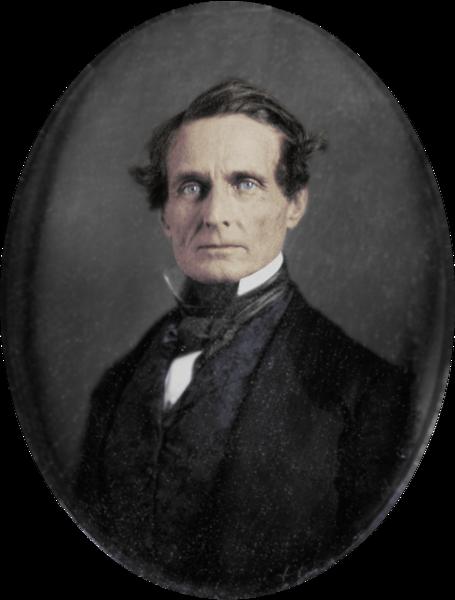
NY Times: We need a leader like Jeff! (1853 daguerreotype)

Has the “Old Public Functionary” been replaced by the “Great Patronage Dispenser”? Lincoln’s getting his bureaucracy in order.

A month after Lincoln’s Inaugural The New-York Times of April 3, 1861 is not happy with the new administration (The New York Times Archive. Here are some excerpts from the editorial:

Wanted A Policy:

… It is idle to conceal the fact that the Administration thus far has not met public expectation. The country feels no more assurance as to the future, — knows nothing more of the probable results of the secession movement, — than it did on the day Mr. BUCHANAN left Washington. It sees no indications of an administrative policy adequate to the emergency, — or, indeed, of any policy beyond that of listless waiting to see what may “turn up.” There are times when such a policy may be wise; — but not in presence of an active, resolute, and determined enemy. The new Confederacy is moving forward, towards the consummation of its plans, with a degree of vigor, intelligence, and success, of which, we are sorry to say, we see no indications on the part of the Government at Washington. In spite of the immense difficulties with which they have to contend, — the poverty of the country, its utter lack of commerce, of an army and navy, and of credit, — the hostility of its fundamental principles to the sentiment of the Christian world, the utter hollowness of its reasons for revolution, and the universal distrust which it encounters everywhere, — in spite of all these obstacles and discouragements, we cannot conceal the fact that the new Government of which JEFFERSON DAVIS is at the head, has evinced a marvelous degree of energy, and is rapidly assuming the proportions of a solid and formidable Power. Within less than six months they have adopted a Constitution, organized a Government, put all its machinery into working order, established a commercial system and put it in operation, laid the basis of a financial department, organized an army, secured enormous stores and munitions of war, and put themselves in a position to offer a very formidable resistance to any attempted coercion on the part of the United States. And what has been done on our part against them? What single step has been taken by our Government, either to resist their movement from without, or to appeal with vigor and effect to the loyalty which still lives within their borders? JEFFERSON DAVIS will soon have an organized army of 30,000 men at his command: — suppose he decides to march into Mexico, or Virginia, or upon Washington, — what organized means have we to resist and defeat his schemes? They have adopted a revenue system for the express purpose of depleting and damaging our commerce: — what have we done to offset it? With a blindness and a stolidity without a parallel in the history of intelligent statesmanship, we have done everything in our power to aid their efforts and crown their hostile endeavors with complete success.

463px-1861_Davis_Inaugural

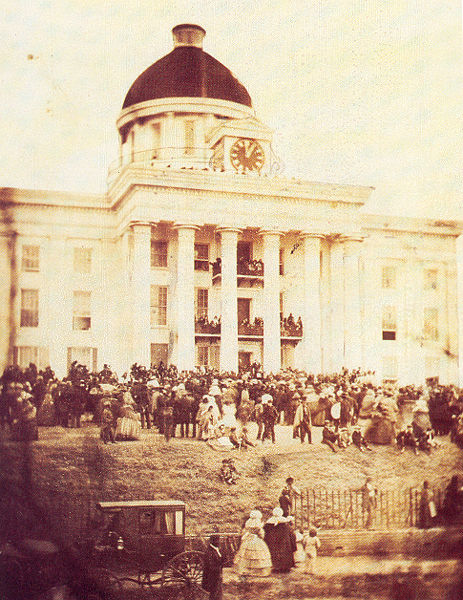
2-18-1861 - Davis sworn-in: an administration of 'vigor, intelligence, and success' begins

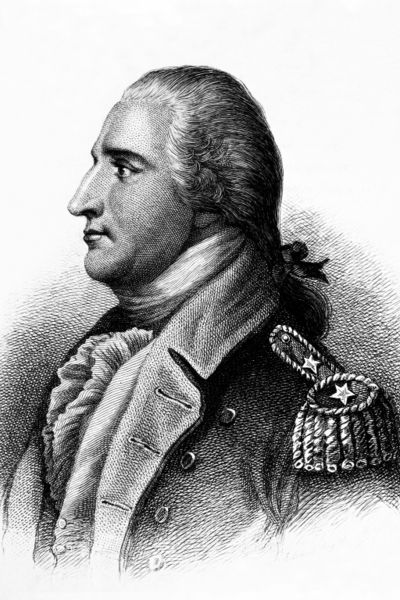
The fact is, our Government has done absolute nothing, towards carrying the country through the tremendous crisis which is so rapidly and so steadily settling down upon us. It allows everything to drift, — to float along without guidance or impulse of any kind. This might do well enough, if the Southern States were pursuing the same policy. But while we are idle, they are active. While we leave everything at loose ends, they make everything tight and snug for the coming storm. Such a course can have but one result. The President must adopt some clear and distinct policy in regard to secession, or the Union will not only be severed, but the country will be disgraced. No great community can drift into ruin, without losing character as well as prosperity. It must, at least, make an effort at self-preservation, if it would avoid the contempt inseparable from imbecility. A nation may be overcome by outward force, or destroyed by internal treachery; — but if it struggles nobly and gallantly against its enemies, whatever else it may lose, it preserves the respect of the world, as well as its own. We are in danger of losing everything — even honor. The public sentiment is already demoralized, — the heart of the people is deadened, — and the patriotism of the country is already paralyzed, to a degree which a year ago we should not have thought possible in any contingency. Rebellion in the popular judgment has ceased to be a crime. Treason has become respectable. Men throughout the North think and talk of the revolution which is crushing the best Constitution the world ever saw, — which is sweeping away a Government which has done more for popular rights and popular interests than any other the earth has ever known, as they would talk of a partisan canvass for control of a village corporation. Deeds of infamy, compared with which ARNOLD’s treason shines bright as the sun at noonday, excite scarcely a passing remark, and the fate of the great Republic of the Western world — the great Republic of human history — excites scarcely as much interest as the fluctuations of the Stock market, or the ups and downs of a local canvass. …

400px-Benedict_arnold_illustration

Benedict Arnold

It is the high, the imperative duty of President LINCOLN, in this solemn crisis of the nation’s fate, to give the American people this guidance and leadership. He was perfectly right in saying at Springfield that upon his shoulders rests a responsibility more weighty than has ever fallen upon any one of his predecessors. That responsibility is not met by supervising the distribution of office. Mr. LINCOLN should reserve his thoughts and his strength for nobler duties than presiding over the wranglings of hungry and selfish hunters for patronage and place. He wastes powers that belong to the nation, — he squanders opportunities which millions upon millions of gold will never bring back, for rescuing the nation from the most fearful perils. We shall not be suspected of any but the most friendly sentiments towards the President of the United States, when we tell him, what the courtiers who hang upon his favor will not dare to whisper, — that he must go up to a higher level than he has yet reached, before he can see and realize the high duties to which he has been called. He has spent time and strength in feeding rapacious and selfish partisans, which should have been bestowed upon saving the Union and maintaining the authority of the Constitution he has solemnly sworn to defend. He has not done what he was expected to do as soon as he should assume the reins of power — summon back, by word and act, the loyalty of the American people to the flag and the Government of their common country. The Union is weaker now than it was a month ago. Its foes have gained courage, and its friends have lost heart. Step by step the new Confederacy marches forward towards solid and secure foundations, — and day by day the bright hopes of the lovers of the Union fade and die away. …

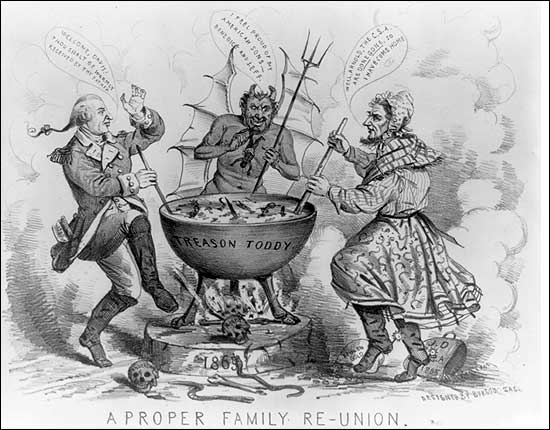
JeffersonDavisBenedictArnoldTreasonCartoon1865

Benedict Arnold welcomes Jefferson Davis to Hell (1865 political cartoon)

The President has to decide whether he will enforce the law at the hazard of civil war, — or whether he will waive the execution of the law, and appeal to the people of the seceded States on behalf of the Union. One or other of these courses he should lose no time in adopting, — simply because every day lost renders less possible the success of either. If he decides to enforce the laws, let him call Congress together and demand the means of doing it. If he decides upon Peace, let him proclaim his purpose, — and seek at once the confidence and favor of the people whom he desires to win. Let him first disarm the fears of War which now unite, by outward pressure, the Southern people, — and then let him proceed to organize a Union Party in every Southern State, and to strengthen and encourage it by all the legitimate means at his disposal. Why has SAM HOUSTON, of Texas, been left to fight the battle of the Union alone, — without a word of encouragement, or promise of a man or a dollar from the Government at Washington? Why have the Union men in Louisiana been abandoned without an effort, to the despotism of the minority which has usurped control of their affairs? Why the noble-hearted champions of the Union and the Constitution in Virginia and Tennessee and Kentucky been ignored utterly in the use of the Executive patronage and in all the public action of the Federal Government? Simply, in our judgment, because the Administration has decided upon no means of meeting the secession movement, — because it has no POLICY. It is going on blindly, — living from hand to mouth — trusting in the chances of the future for deliverance from present and impending perils.

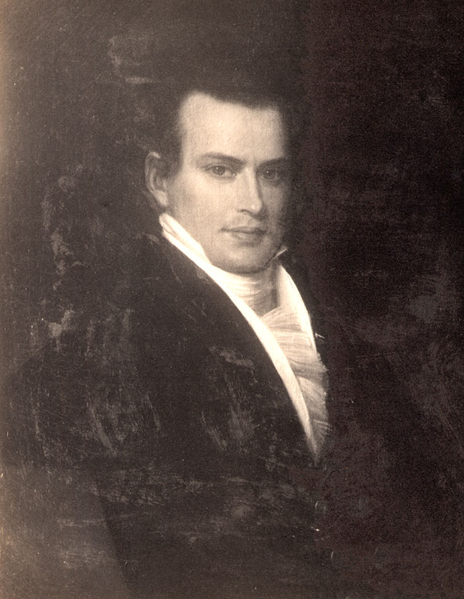
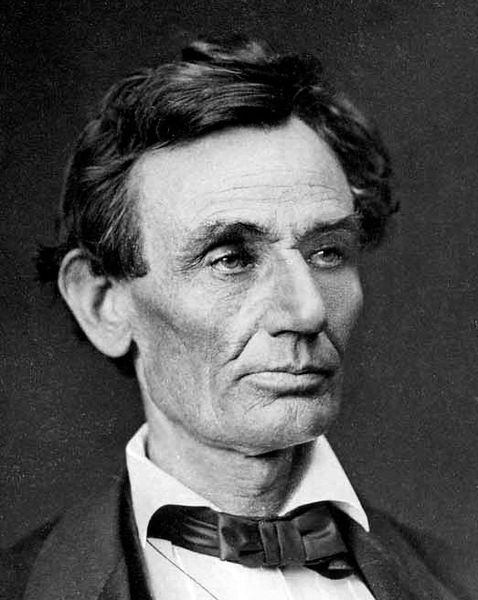
478px-Abraham_Lincoln_by_Alexander_Helser,_1860-crop

Like a mariner without his compass

We trust this period of indecision, of inaction, of fatal indifference, will have a speedy end. Unless it does, we may bid farewell to all hope of saving the Union from destruction and the country from anarchy. A mariner might as well face the tempest without compass or helm, as an Administration put to sea amid such storms as now darken our skies without a clear and definite plan of public conduct. The country looks eagerly to President LINCOLN for the dispersion of the dark mystery that hangs over our public affairs. The people want something to be decided on — some standard raised — some policy put forward, which shall serve as a rallying point for the abundant but discouraged loyalty of the American heart. In a great crisis like this, there is no policy so fatal as that of having no policy at all.

I guess perceptions do really matter in politics. As Civil War Daily Gazette is reporting, the Lincoln administration is groping for a policy on Fort Sumter and the rebellion in general. The New-York Times, a pro-Republican party newspaper in 1861, is not seeing the decisive policy it hoped would replace the Buchanan administration’s waffling.

Posted in 150 Years Ago This Week, Lincoln Administration | Tagged , , | 1 Comment

Mercury Still Fanning the Flames

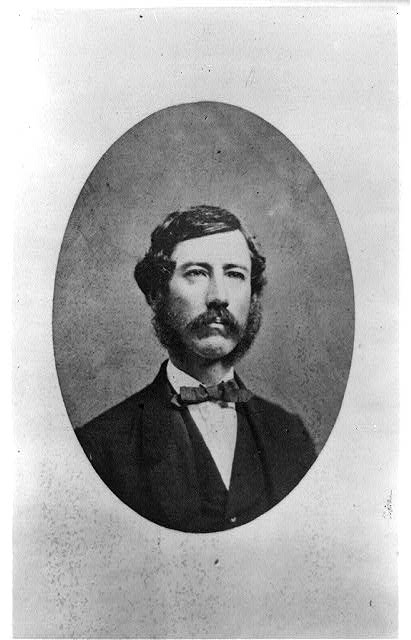
3a08228r

This apple did not fall too far from the tree: Robert Barnwell Rhett, Jr., Mercury editor (Library of Congress LC-USZ62-4890)

From The New-York Times April 1, 1861 (The New York Times Archive):

NEGRO REGIMENTS TO BE RAISED.

The latest sensation in the Cotton States has been caused by an announcement in the New-York correspondence of the Charleston Mercury that the loan of eight million dollars for which Secretary CHASE has issued proposals, is to be used for the purpose of “arming the free blacks of the North to aid insurgent negroes in the South,” — the Mercury gravely reminding us that Lord CHATHAM rebuked the Government of GEORGE III., “because it employed the scalping-knife and the tomahawk of the savage against the white men of its own race.” What is to be done with a journalism that circulates, and a people who believe such monstrous inventions as this? All Northern papers contradicting these fictions are rigidly excluded from general circulation in the Confederacy; and thus the public mind of the extreme South is poisoned systematically, while rigid care is taken that no antidote of truth shall be administered.

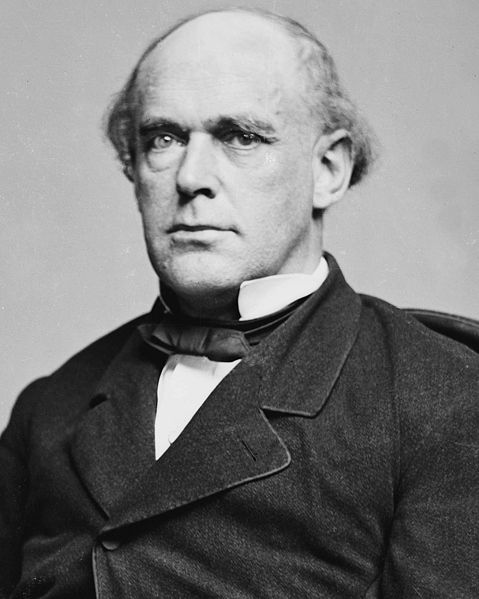
479px-Samuel_Portland_Chase

Salmon P. Chase raises $8 million for black army to free southern slaves (Mercury says)

How long the secession leaders hope to be able to maintain this supremacy of misrepresentation, it is, of course, impossible to say. But that a lull must eventually come to the excitement — a cooling off to the present red-hot fury, is as inevitable as the decree of death. When this reaction has once fairly set in — and there are indications that it is widely beginning to operate — how will the desperate and reckless men who have raised the storm by falsifying Northern opinion and manufacturing a sectional hostility that has no existence outside of their own selfish and ambitious breasts, face the currents of popular indignation that will then be directed against them? The fire-eating leaders need no punishment at the hands of the Government whose laws they have violated and set at defiance. Sooner or later the truth must become known to the people of the Cotton States, and on their own plantations will then arise the Nemesis that is to exact full retribution.

Robert B. Rhett, Jr was the editor of the Charleston Mercury. His father, Robert Rhett was the famous fire-eater who used the Mercury to broadcast his views. Previously I gave the Rhetts credit for being forthright in their opinions. Lying about facts to manipulate public opinion sure isn’t my idea of forthright.

Salmon P. Chase practiced law in Cincinnati beginning in 1830:

For his defense of escaped slaves seized in Ohio under the Fugitive Slave Law of 1793, Chase was dubbed the ‘Attorney General for Fugitive Slaves’.

In some weird way it’s kind of fitting this editorial was published on April 1st, even though there’s nothing prankish or lighthearted about it. The Mercury told a whopper, but its never going to say, “April Fools’!”. The Times says that a lull in the excitement of secession is starting to set in (as it also tries to mold public opinion). That might have been true on April 1st, but in a couple weeks Charleston events would blow the lull to pieces. Eventually the Mercury’s story would have some truth in it – in a couple years there would be black troops from the North fighting in Charleston harbor.

Posted in 150 Years Ago This Week, Secession and the Interregnum | Tagged , , | Leave a comment