“Girt by a Wall of Fire”

Pensacolalh

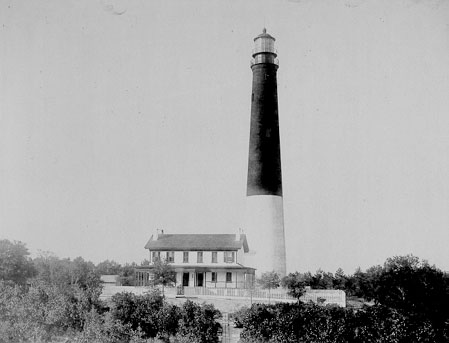
Bragg, et.al. are even arming the lighthouse (photo after the Civil War)

From The New-York Times April 2, 1861 (The New York Times Archive):

FROM FORT PICKENS.

The St. Louis Democrat publishes a letter written by an officer in Fort Pickens to a friend in St. Louis. It is dated March 18. After stating that he was ordered into the Fort on Feb. 8, and that he had not received a line since he left home, two months ago, the officer in question says:

“We have hard work, plenty of guard duty, and plenty of anxiety. The Brooklyn, with our men on board, is anchored off the bar about four miles distant.
USS_Brooklyn_1858

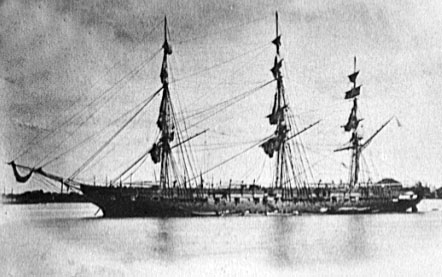
USS Brooklyn: part of the Pensacola stalemate

She is accompanied by the frigate Sabine and sloop-of-war St. Louis. The Government at Washington consented, some time ago, to make an agreement with the authorities on the secession side, to this effect: That if the reinforcements on the Brooklyn were not landed, no preparations for an attack would be made. So we stay as we were. The fleet is hanging on. The sloop-of-war Wyandotte (four guns) is lying in the harbor abreast the fort, and everything is apparently in statu quo.”

We have finished mounting guns and getting in all our wood, and completed those little defences necessary to enable a small command to beat off thousands.

The enemy has mounted, under command of Capt. O’HARA, formerly of the Second Cavalry, some four or five guns at Fort McRea, bearing directly on us. And at the light-house they have two or three heavy Columbiads, nearly enfilading our front face, while at Barancas they have a large number of 32-pounders, and between this and the Navy-yard are two or three batteries. So, you see, we are girt by a wall of fire.
448px-Braxton_Bragg_early

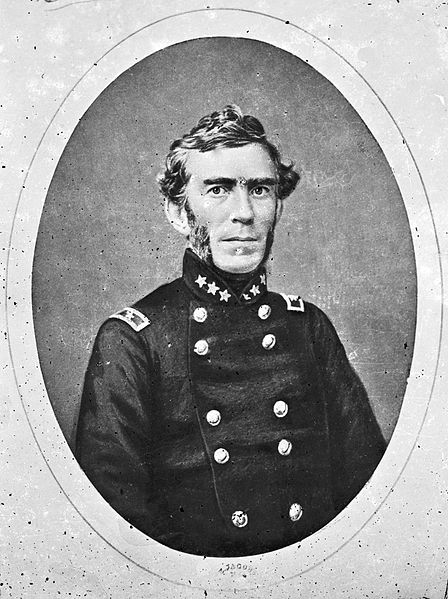
Braxton Bragg: currently commanding the Wall of Fire

Now and then they change commanders over there, and the work of negotiation has to be done all over again. Col. BRAGG was the last one to get command, and he had to know of us what the status was. Thus, you see, with these frequent changes, (and the companies there change oftener than their commanders,) we have to look sharp; for they do not admit any moral law, nor that one band of rebels is bound by the agreements made by those who preceded them — that is, necessarily bound by them — though in the present case the agreement has been most satisfactorily arranged and agreed to. * * * *

And now, my dear Sir, good bye. Though my affections are with the South, I will do my duty in such a manner that the South will not be ashamed of me. Should the rebels attack us they will fare badly.

I would like to tell you of the “flank defence,” the grape, canister, shells, fire-balls, mortars, columbiads, magazines, mines, scarp and counter scarp, the pickets and guards, the long roll and the alarm, but I cannot now.

God bless you. Let politics alone. There is too much talking now. Yours truly,
3c01247r

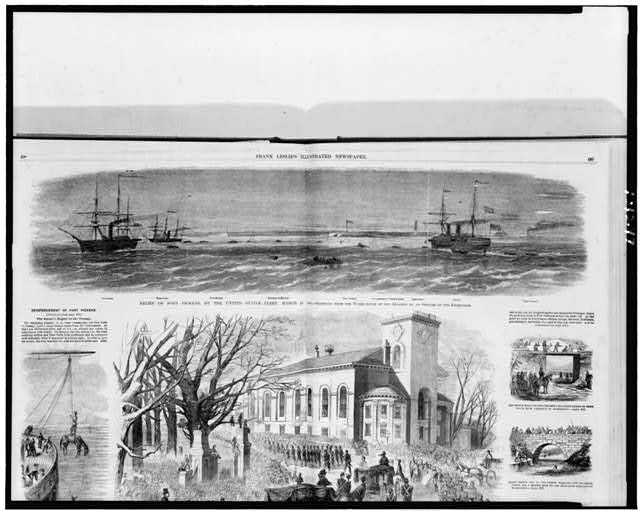
Relief of Fort Pickens, by the United States fleet, March 23, 1861 / sketched from the wheel-house of the Atlantic by an officer of the expedition. Library of congress
Posted in 150 Years Ago This Week, Confederate States of America, Military Matters | Tagged , , | Leave a comment

Louisiana Convention Opposes Secession!

800px-Louisiana_Feb_11_1861.svg

Louisiana's single star - no more and never again

Secession from the Confederate States of America, that is

From The New-York Times April 1, 1861 (The New York Times Archive):

SECESSION REBUKES SECESSION.

The politicians of the Southern Confederacy are entitled to take rank as a peculiar people. They deny the proposition to-day in favor of which they invoked the God of Battles yesterday. The ordinary standard of fact does not obtain amongst them, but all matters are proclaimed true or otherwise just as it may suit their pride, their interest, or temporary convenience.

It is but a few days, comparatively, since the seceded States declared it to be their inviolable right to withdraw at pleasure from any bond or confederation, contract or union, into which they may previously have entered, — the consent of their partners being not in the least needful. For this doctrine they were willing, as they always declare themselves to be when excited, to “shed rivers of blood;” but judging from the records of the Louisiana Convention, now in session, a change of the most marked nature has come over the spirit of their very disorderly dream.

It seems that the delegate named ROZIER had become so thoroughly imbued with the theory of secession as advocated two months ago, that he actually strove to incorporate in the ordinance adopting the Confederate Constitution a “clause declaring the right of Louisiana to withdraw peaceaby from the Southern Confederacy whenever her interests demanded.” Nothing could be more clearly in order than this motion; nothing more tersely expressing the idea which every Confederate fire-eater was urging on the stump and through the newspapers about the beginning of last December. But Mr. ROZIER’s motion was nevertheless tabled by the decisive vote of ninety-two against eleven, — the military disposition which JEFFERSON DAVIS and his associates are attempting to build up, requiring this prompt reversal of the very doctrine on which the new order of things is founded.

lg-james-p.-taliaferro-837

James P. Taliaferro - one of the few who voted with Mr. Rozier

The is a book (page 589) by Edward McPherson at Google Books that supports the facts in this editorial by The Times. Earlier Mr. Rozier was voted down when he proposed letting the people of Louisiana vote on representatives to a convention to ratify the CSA constitution.

One of the people who voted in favor of Mr. Rozier’s motions was James P. Taliaferro. You can read more about him and look at his Protest Against Secession at KnowLA.

Posted in 150 Years Ago This Week, Confederate States of America, Secession and the Interregnum | Tagged , , , | Leave a comment

Not Exactly on a War Footing

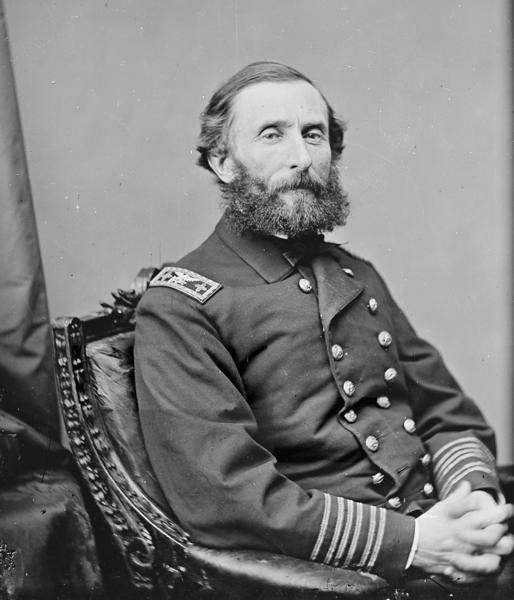
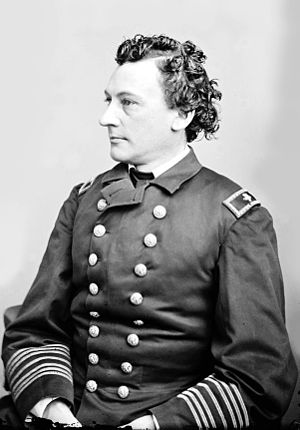
James W King

Chief Engineer King: Working on the Wabash and Roanoke

Rotting Fast at the Brooklyn Navy Yard

From The New-York Times March 30, 1861 (The New York Times Archive):

Military and Naval Intelligence.; THE BROOKLYN NAVY-YARD.


Matters at the Brooklyn Navy-yard were not so dull for some months as they are now. A number of men were discharged last week, there not being work for them. The force new on the rolls is short of a thousand, and the monthly disbursements do not average more than $40,000, independently of the officers’ pay. In the machine shops, the machinery of the Roanoke and Wabash is receiving an overhauling, and Chief-Engineer KING contemplates the addition to them of valuable improvements. The ordnance officers have no new armament under weigh, and are merely putting those lately taken from on board vessels in an efficient state. The cannon has not, as yet, been put in the new gun ground, which will be one of the chief ornaments of the Navy-yard. The marine garrison, under control of Capt. BREVOORT, consists of nearly a hundred men, who are drilled three or four times a week, under the supervision of Major DOUGHTY. The receiving ship North Carolina has nearly three hundred and fifty hands, all told, on board, the marine guard being also exercised periodically on ship board and the parade ground, by Sergeant LIBBY, who has made them perfect soldiers. No drafts are at present ordered for sea-going ships. Annexed is a list of the vessels at the Yard, with some account of their condition:

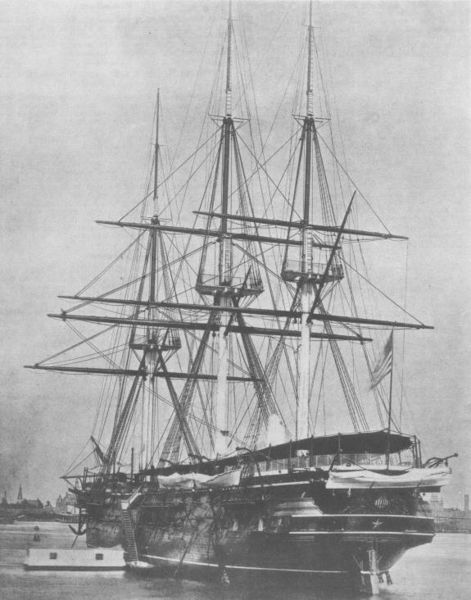
USS Wabash (1855)

USS Wabash (1855): Getting its machinery overhauled in March 1861

The steam-frigate Roanoke is still in dock, slowly preparing for service orders. She could not be ready sooner than three months, at the least calculation.

Steam-frigate Wabash, alongside the docks, awaiting the completion of her machinery. Could be fitted out in six weeks.

Steam-frigate Powhatan, lately returned from the Gulf, in commission at the wharf and waiting orders. Could not be kept in active service more than three months in her present state.

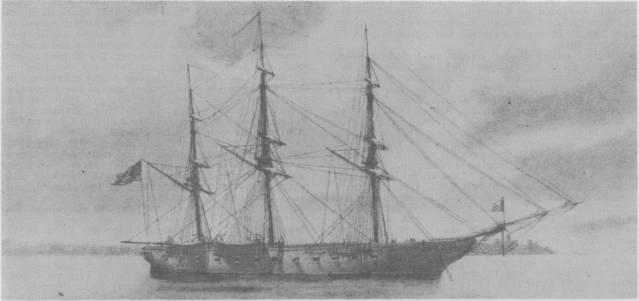
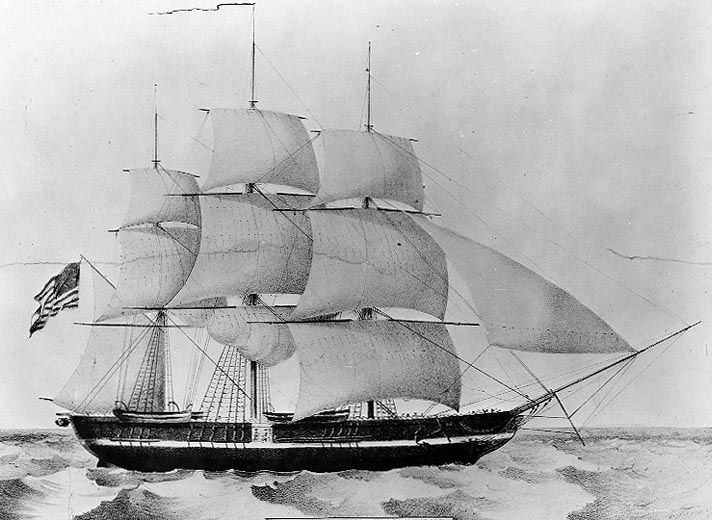
Corvette Savannah, late flag-ship of the Home Squadron, lying in the stream, dismantled. Should be thoroughly overhauled, which would take two months, before being fit for duty.

Frigate Potomac, in the stream, exactly as she has been for years.

USS_Savannah_(1842)

USS Savannah:'lying in the stream, dismantled'

Frigate Brandywine, ditto, ditto; rotting fast.

North Carolina, in commission — immovably fast in the mud.

There are four or five surveying vessels and revenue vessels at the wharf, whole officers do not know half so much about them as some City newspaper editors.

There is not the slightest evidence at the Navy-yard that “anything warlike is going on.” Ships that should be rapidly approaching the commission state in the usual routine of service, are permitted to remain in statu quo.

Orders have been received directing the immediate completion of the store-ship Release’s preparations for sea, and her departure as soon as possible for Florida, with stores and provisions for the home fleet and the forts. She will be ready to leave on Monday.

Capt. FOOTE returned from Washington yesterday, but owing to indisposition could not attend to his duties.

A mail for the East Indies squadron will close at the Lyceum this week.

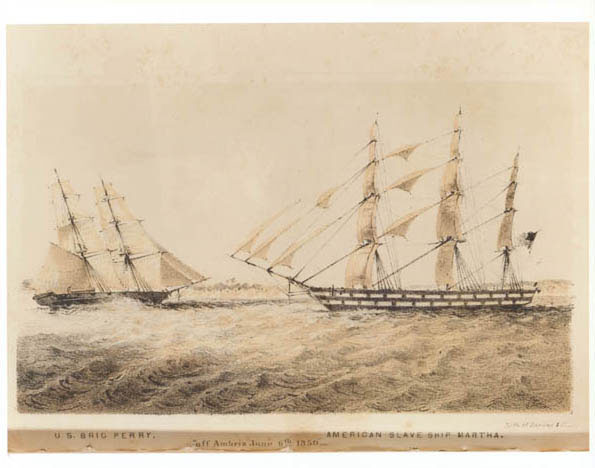
The brig Perry has been hauled to the wharf, to be rigged at convenience.

A letter has been received from an officer of the United States steam-frigate Niagara, dated Aden, Jan. [???], stating that he expects to be home in his ship in May.

1) This report makes it sound as if the only sense of urgency at the Brooklyn Navy Yard is to get the USS Release ready to resupply the federal military in Florida. And it did leave on April 5th for Pensacola.

2) James Wilson King

was Chief Engineer of the North Atlantic Fleet in the early part of the American Civil War. “Subsequently he was the superintendent of the construction of all the armour-clads built west of the Alleghanies

3) It seems that many of the ships mentioned did see service once the shooting war started. For example, the USS Perry was recommissioned on April 23, 1861 – the same day the USS Niagara made it back to Boston. It is said that the Niagara made it down to Charleston by May 10th.

USS Perry confronting a slaver 1850

When it could sail: USS Perry confronting a slave ship - 1850

Posted in 150 Years Ago This Week, Military Matters | Tagged , , , , | Leave a comment

Globalization: Civil War […]centennials

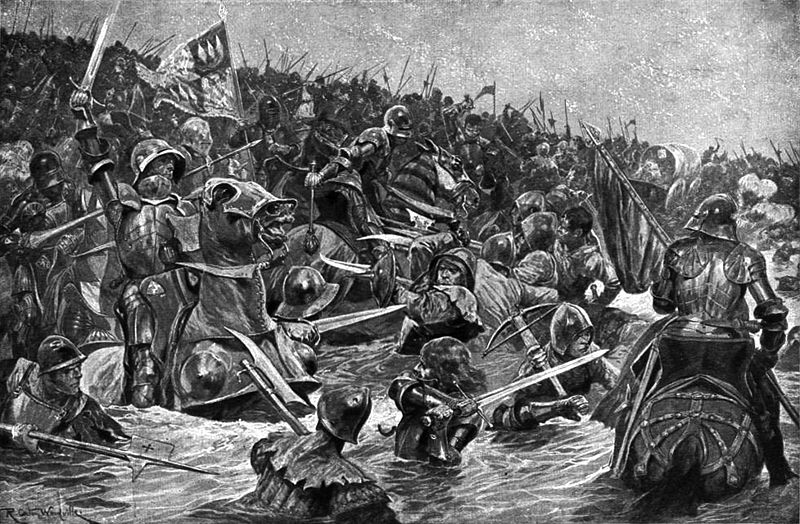
800px-Richard_Caton_Woodville's_The_Battle_of_Towton

Lacaster vs. York: Richard Caton Woodville's painting of the Battle of Towton

550 Years Ago This Week

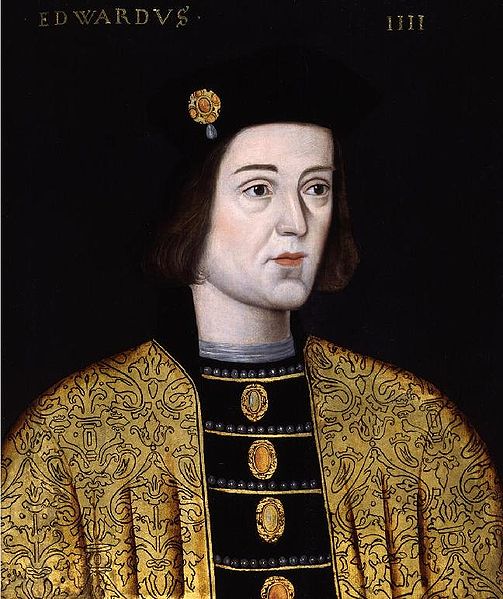
For those of you interested in archaeology and/or civil wars in general, I recommend an article in The Economist about the Battle of Towton, which was fought on March 29, 1461. The battle was part of the Wars of the Roses, during which the houses of Lancaster and York battled for the English crown. At Towton the Yorkists, led by future King Edward IV, defeated the Lancastrians. It is said that at least 20,000 men died during the battle.

The article in The Economist is focused on recent archaeological finds that indicate the intense brutality of the fight. In 1996 a mass grave was discovered near the main battlefield. Here’s some info from the article:

1) size of the skeletons ranged from just under 5 feet to just under 6 feet – I didn’t realize people got that tall back then

2) Archaeology was first used to reconstruct a battle at Little Bighorn

3) Arrows were used – but so were some of the first bullets. There was also hand-to-hand fighting. The Economist article has a photo of a mean-looking poleaxe – a three-in-one instrument of mano a mano destruction. The skeletal remains indicate the ferocity of the hand-to-hand fighting:

“The stress of this kind of fighting was immense: a few of the Towton skeletons had been clenching their teeth together so tightly that bits of them splintered off.”

400 years after the Battle of Towton the stalemate in Charleston Harbor was about to end. The first cannonballs landing on Fort Sumter signalled the beginning of a war that would include many Towton-like battles.

503px-EdwardIVofEngland-Yorkist

Edward IV: the new Yorkist king after the battle

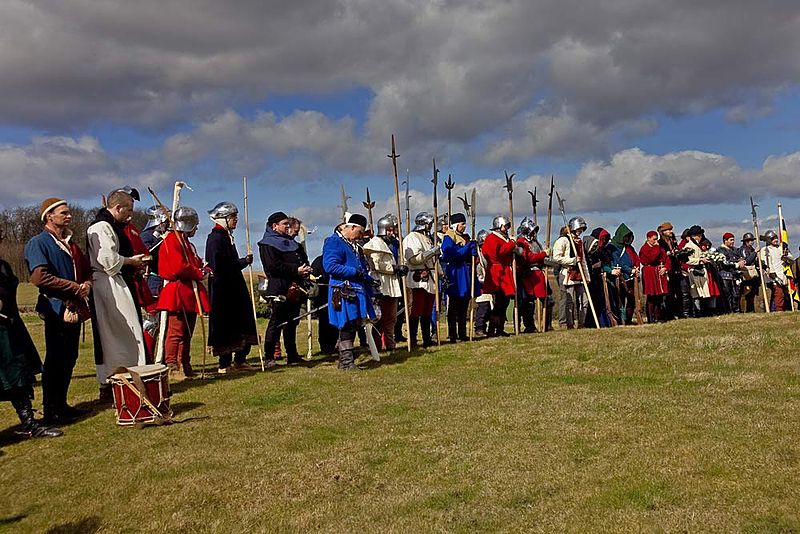
800px-Battle_of_Towton_reenactment_2010

Towton Reenactors! - remembering the real dead of the Palm Sunday battle

The Photo of the reenactors is licensed by Creative Commons.

Posted in Uncategorized | Tagged | Leave a comment

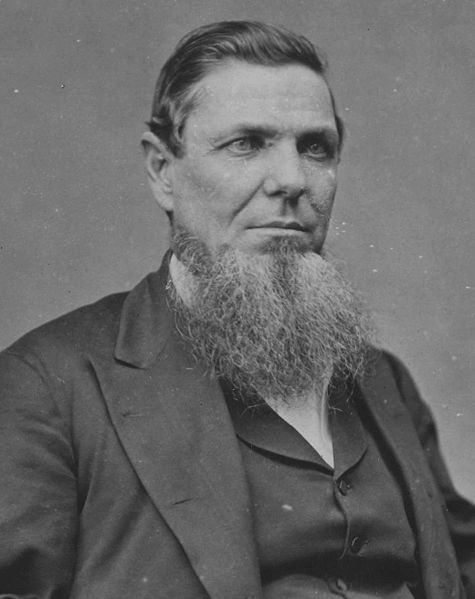
“Rip” Ford and A.J. Hamilton

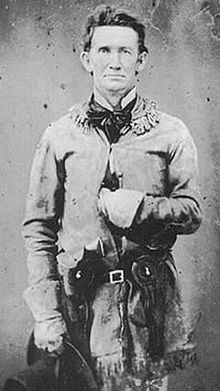
John-Salmon-Ford

Rip Ford - Napoleon on the CSA-Mexico border

Texas Still Divided

Who needs a governor and legislature? The Texas Convention still seems to be running the show.

From The New-York Times, March 28, 1861 (The New York Times Archive):

IMPORTANT FROM TEXAS

GALVESTON, Tuesday, March 26.

The Convention have elected Col. FORD and Lieut Col. BAYER, as Commanders of the Regiment of Rangers, to serve twelve months on the frontier, in addition to the one ordered there by Secretary WALKER.

475px-Andrew_Jackson_Hamilton

Andrew Jackson Hamilton: like his namesake, strongly for the Union

On the 21st, Gov. HOUSTON, and Hon. A.J. HAMILTON, delivered speeches at Houston, both of them violently denouncing the State Convention and its acts, the Southern Confederacy and the new Constitution.

On the 22d, the Convention, in Committee of the Whole, after some debate, adopted the Constitution of the Confederate States, by an almost unanimous vote. The vote, on engrossment, was nearly unanimous for the Constitution.

Thanks to the convention it was ex-Governor Houston by this time.

Guide to Texas Legislative Information discusses “engrossment”.

John Salmon Ford was a politician and military officer throughout the war. He was a member of the secession convention and “initiated a trade agreement between Mexico and the Confederacy.” He also “engaged in border operations protecting Confederate-Mexican trade.” He definitely fought for the duration of the Civil War. He got his nickname during the Mexican-American war because he always included “Rest in Peace” after every single name in his casualty reports.

Andrew Jackson Hamilton was forced to flee to Mexico in 1862 because of his pro-Union statements. Later that year he went on a tour of Northeastern cities, during which “He spoke out in favor of the Union and criticized the “slave power” of the South.

And speaking of the “slave power” of the South:

The Cornerstone

I recommend Seven Score and Ten’s report on Confederate Vice-President Stephens’ March 21, 1861 speech at Savannah, Georgia. You can also read a report at The New York Times Archive. The Times’ 1861 opinion is here.
Mr. Stephens believed that the framers of the U.S. Constitution got it wrong by believing that slavery would eventually fade away:

Those ideas, however, were fundamentally wrong. They rested upon the assumption of the equality of races. This was an error. It was a sandy foundation, and the idea of a Government built upon it, when the ‘storm came and the wind blew, it fell.’

Our new Government is founded upon exactly the opposite idea; its foundations are laid, its corner-stone rests, upon the great truth, that the negro is not equal to the white man. That Slavery, — subordination to the superior race, in his natural and moral condition. [Applause.]

Posted in 150 Years Ago This Week, Confederate States of America, Secession and the Interregnum | Tagged , , , , , | 3 Comments

Steam Power Proponent (and Engineer) Promoted

300px-Benjamin_F._Isherwood

Benjamin F. Isherwood: we do it with steam

From The New-York Times March 27, 1861 (The New York Times Archive):

The Engineer-in-Chief of the Navy.

The appointment of BENJ. F. ISHERWOOD to be Engineer-in-Chief of the Navy gives very marked satisfaction to those in the service. He is a native of this City, and was educated for the profession of civil engineer, which he practiced before entering the Engineer corps of the Navy — having been employed as an assistant upon the Croton water-works, the Erie, and the Albany and Schenectady Railroads. After the completion of the latter road, he published a work giving a complete description of its bridges. This, was very favorably received in Great Britain, where it was considered as the best publication then extant regarding the American system of wooden bridges.

USS_Princeton_(1843)

USS Princeton: steam warship Isherwood served on during Mexican-American war

Mr. ISHERWOOD entered the Navy as a First Assistant Engineer in 1844, and was promoted to the grade of Chief in 1848, the duties of which position he has since Discharged with marked ability.

Under the direction of the Navy Department, Mr. ISHERWOOD has spent much of his time in the investigation of subjects in the line of his profession, which were but partially understood, and his experiments have evolved many facts of great practical importance. He has also had a wide experience in the management of the machinery of our war steamers, his last cruise having been in the steam-frigate San Jacinto, in the China seas. Since his return in August, 1858, he has been engaged in a series of experiments, the most interesting and important of which have been detailed in Engineering Experiments, a work published by Mr. ISHERWOOD, which has been received with much favor in this country and in Europe. …

Benjamin F. Isherwood wrote Engineering Precedents For Steam Machinery, which was published in 1858. He helped found the Bureau of Steam Engineering in 1862. Isherwood and the use of steam power in the Civil war were very important according to Admiral Hyman Rickover (quote at the Bureau of Steam Engineering link):

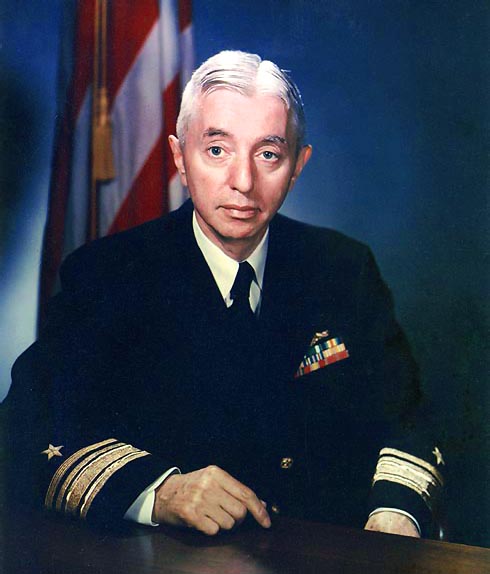
Engineering, both in operating the shipboard machinery and in the design and construction of ships, became critically important with the outbreak of the Civil War. The Navy had to blockade a ‘coastline stretching over 3, 000 miles from the Potomac to the Mexican border. It had to support the Army on the rivers; it had to search out and destroy Confederate raiders. For all these purposes, the steam engine and the engineer were indispensable. On the day of battle, steam engines drove the Monitor and the Merrimack, the Kearsarge and the Alabama, as well as the gunboats which supported Grant before Fort Donelson and Vicksburg. In 1862, Congress recognized the importance of engineering by creating the Bureau of Steam Engineering.

Hyman_Rickover_1955

Admiral Rickover - big Isherwood fan

When Lee surrendered, the United States Navy was the most effective sea power in the world. That position depended upon engineering which, in turn, was based on the skill of Benjamin F. Isherwood, first Chief of the Bureau of Steam Engineering. He designed and built engines rugged enough to withstand the shock of combat, as well as ill-treatment by poorly trained operating engineers. He also designed and constructed a well-armed cruiser which was faster than any abroad. In addition, American naval leadership rested upon ingenious civilian engineers and inventors such as John Ericsson, who designed and built the Monitor.

From the Wikipedia article about Isherwood:

When the Civil War began, the Navy had 28 steam vessels, and during the war, the number grew to 600. Isherwood conducted the design and construction of the machinery necessary to accomplish this. He designed ships that were fast enough to pursue the blockade runners.

In 1863 and 1865, Isherwood published the first and second volumes of Experimental Researches in Steam Engineering, which were translated into six languages and became a standard engineering text upon which future steam experimentation was based.

Another technology with a huge impact on the Civil War.

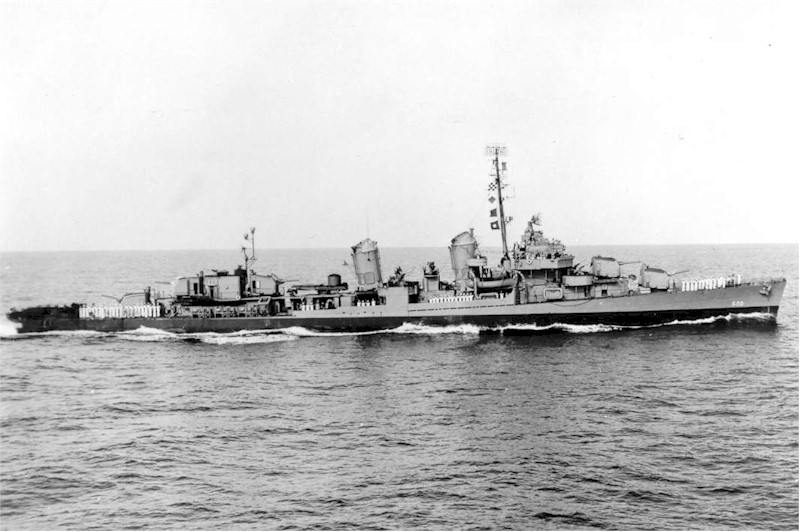
USS_Isherwood_(early)

USS Isherwood - one of Isherwood's namesakes was involved in WWII Pacific theater

Posted in 150 Years Ago This Week, Lincoln Administration, Military Matters | Tagged , , | Leave a comment

Going Postal in the CSA

Ensuring a Smooth Transition while Limiting Liability

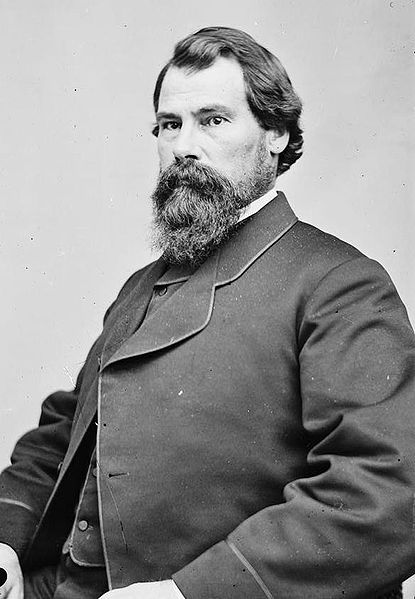
415px-JHReagan

John H. Reagan, turning a profit for the CSA

From The New-York Times March 26, 1861 (The New York Times Archive):

POSTAL SERVICE IN THE SOUTH.; [CIRCULAR.] CONFEDERATE STATES OF AMERICA, POST-OFFICE DEPARTMENT.

The Government of the Confederate States will not interfere with any existing contracts entered into between the Government of the United States and the present contractors, until it assumes the entire control of its postal affairs. This course is rendered necessary by the utter impracticability of mixing the employes of the two Governments in the same service.

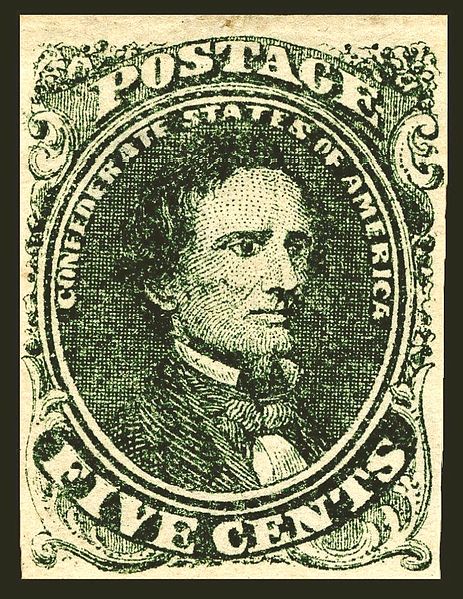
463px-J_Davis_1861-5c

First Confederate postage stamp (featuring first Confederate president)

The question as to whether the Government of the Confederate States will assume any liability to present contractors before it assumes the control of our Postal Affairs, involves the idea of liability, on the part of this Government, for the obligations of the United States, which cannot be entertained by this Department. But if the Government of the United States should abandon the mail service in the Confederate States, before the Department shall be organized and ready to enter into new contracts. I am authorized to continue existing contracts, provisionally, by proclamation, until new contracts can be entered into. Very respectfully,

JOHN H. REAGAN, Postmaster-General.

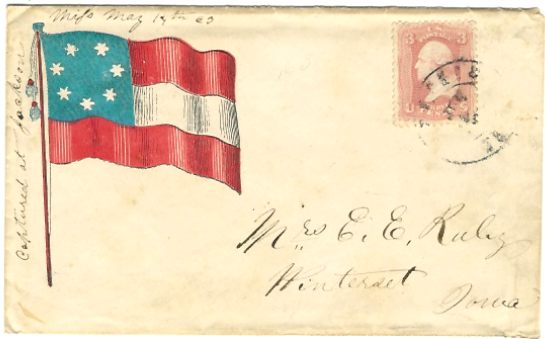
CSA_7_star_flag_patriotic

Postal Comity - Confederate envelope with U.S. stamp (captured in 1863)

Texan John Henninger Reagan was the Confederate Postmaster-General for the duration of the CSA. Reagan ran the department well and managed a smooth transfer of Post Office responsibilities in the South from the U.S. to the CSA on June 1, 1861. The Wikipedia article notes that Reagan’s agents in Washington, D.C. were able to persuade many U.S. Post Office bureau chiefs to come to work for the Confederacy. Even though operating during a civil war Reagan managed the only post office in American history to realize a profit.

For tons of information about Reagan’s department with images of stamps and covers check out Wikipedia.

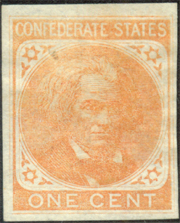
One Cent Typograph - John C. Calhoun

States' Rights Champion - John C. Calhoun

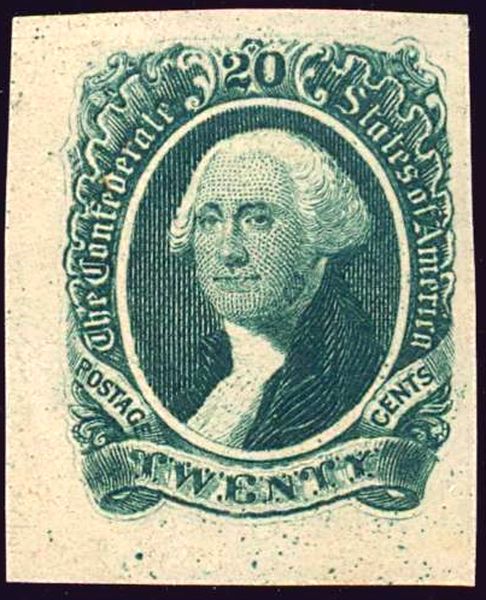
George-washington-CSA-stamp

Honoring a fellow rebel

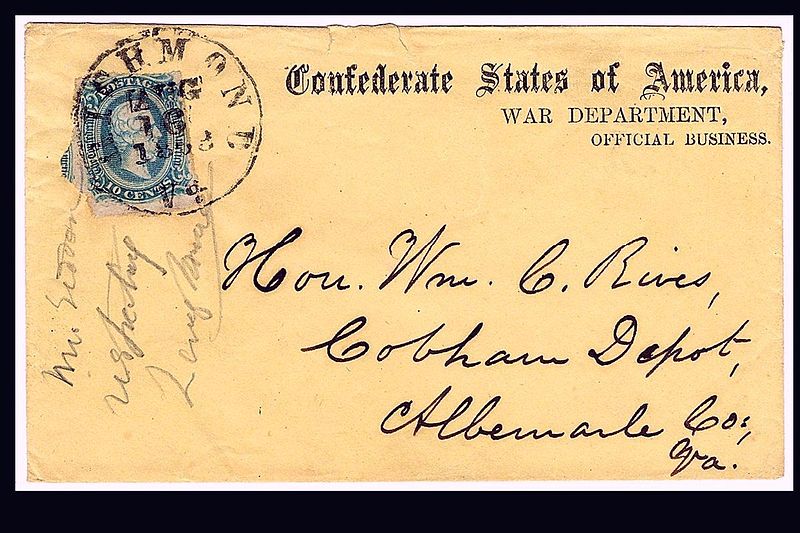
800px-Csa_Jef'Dav_1863-10c

Letter to William C. Rives

Posted in 150 Years Ago This Week, Confederate States of America | Tagged , , | Leave a comment

Investigative Journalism

800px-CSA_FLAG_4.3.1861-21.5.1861.svg

Flying with the Stars and Stripes for a time

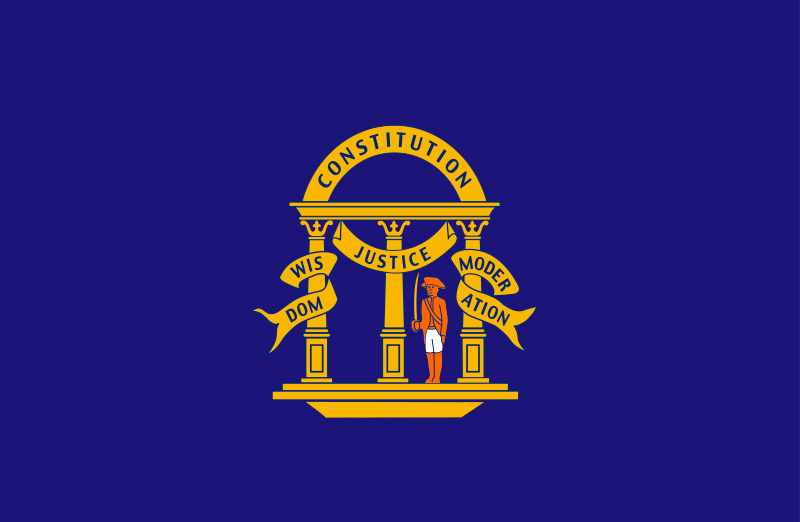
800px-Flag_of_Georgia_non_official.svg

close approximation of flag flying at the mizzen

What are those strange-looking flags flying on your ship?

From The New-York Times March 25, 1861:

ARMY AFFAIRS.; THE “CONFEDERATED” FLAG IN NEW-YORK.

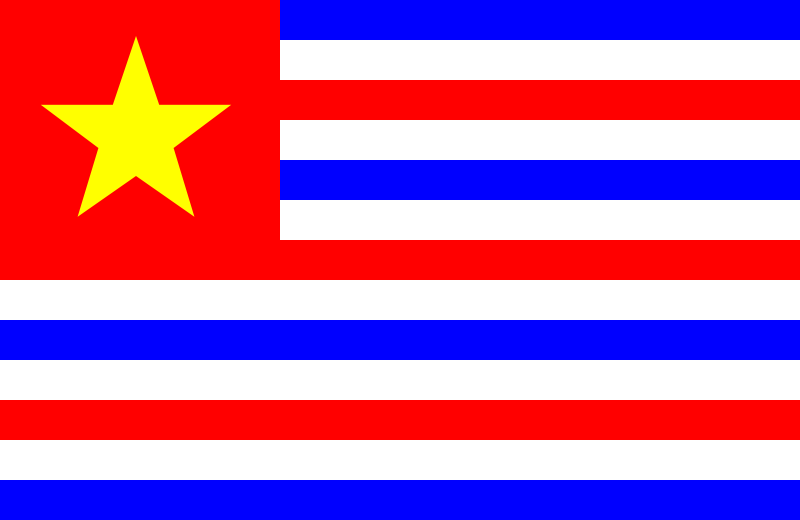
Two strange flags, flying, the one from the foretopmast-head, and the other at the mizzen-peak of a vessel lying at one of the North River piers, on Saturday, attracted public attention. A nearer inspection disclosed the fact that they were displayed from on board the steamer Alabama, of SAMUEL L. MITCHELL’S Savannah line, it being her day of sailing from this port. To fully understand the object of the unusual display, and at the same time to verify the character of the signals, a reporter of the TIMES hunted up Capt. SCHENCK for information. The Captain, who appeared to be quite jolly; stated that the flag at the fore stood for the Southern Confederacy, and that at the mizzen for the State of Georgia. The Confederated flag consists of three wide longitudinal stripes of red, white and red, the white in the middle, with a blue field, occupying the upper corner, and covering the upper and middle stripes. The field contains seven stars, representing the seven States supposed to have seceded from the Union. The new flag of Georgia is of blue bunting, having in the centre an arch supported by three pillars; across the top are the words — “The Constitution,” and on the pillars, “Wisdom, Justice, and Moderation,” with a person in revolutionary uniform holding the end of the scroll in his right hand. The Cotton-plant occupies a space in the lower corner. Capt. SCHENCK began in the morning by displaying merely the Confederated flag, forward, and the Stars and Stripes at the mizzen, but being laughed at by some Union men on the dock, he hauled the latter down and hoisted the Georgia banner in its place. He carried there [three?] flags out of the harbor, the ship’s private signal flying at the main. The bulk of her cargo consisted of hay.

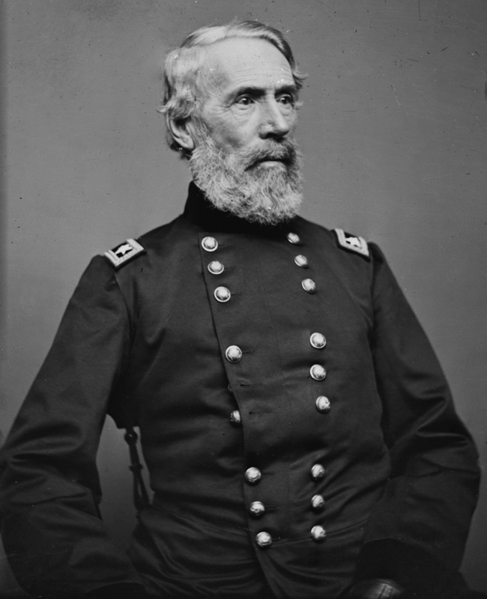
You can read the rest of the story at The New York Times Archive.The article includes a long list of U.S. Army resignations and promotions. I recognized A. P. Hill as a resignee. Edwin Vose Sumner was promoted to General to take the place of the dismissed David E. Twiggs.

Captain Schenck seems like he was hedging his bets until he got razzed and decided to put up the Georgia flag. The description of that flag is very similar to the image on the current Flag of Georgia. The flag the captain was flying had a cotton plant and the Revolutionary soldier was holding a scroll instead of the current sword.

I don’t understand the agrarian South needing to “import” hay from the North. Maybe cotton is just way too profitable.

487px-Edwin_Vose_Sumner

General Sumner: 'Bull Head' promoted to Twiggs' position

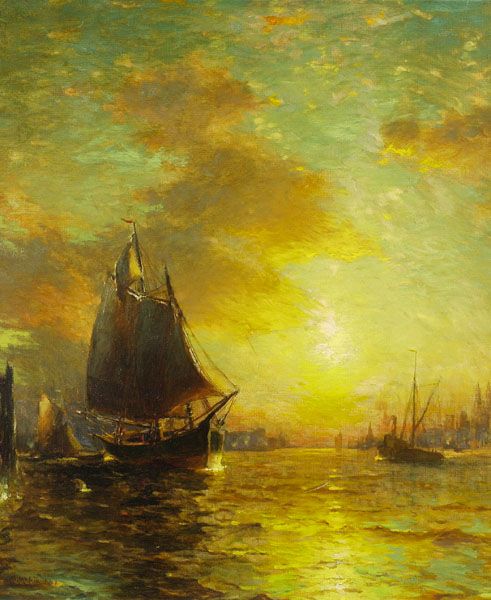
George_McCord_-_New_York_Harbor

New York Harbor: painting by George Herbert McCord

Posted in 150 Years Ago This Week, Confederate States of America | Tagged , , , , | 3 Comments

William L. Yancey, Diplomat???

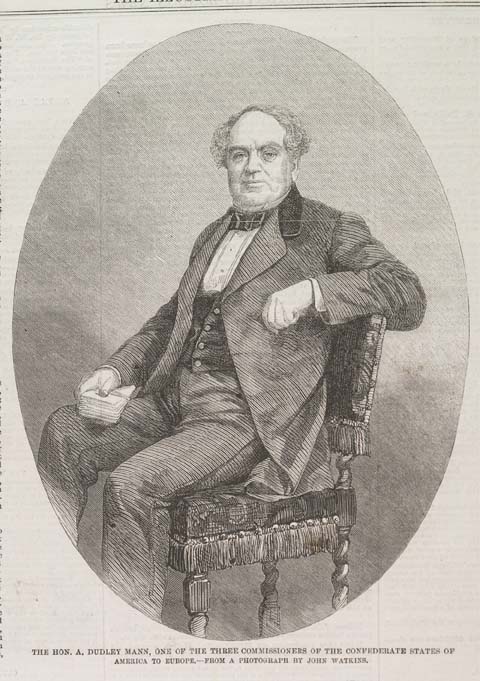
The_Hon._A._Dudley_Mann_One_of_the_Three_Commissioners_of_the_Confederate_States_of_America_to_Europe.jpg

A Mann with a title: - Commissioner of the Confederate States of America for Belgium and the Vatican

From The New-York Times March 25, 1861 (The New York Times Archive

REPORTS FROM NEW-ORLEANS.

NEW-ORLEANS, Friday, March 22.

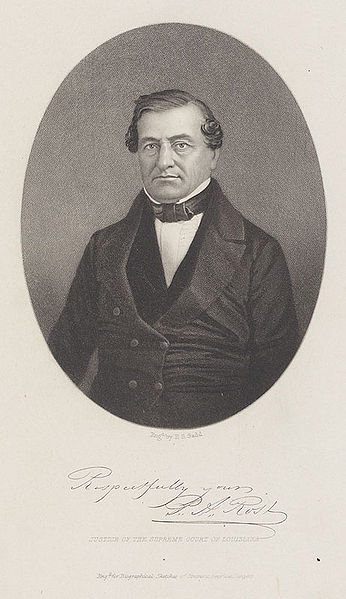
The Commissioners of the Confederate States to Europe — Messrs. YANCEY, MANN and ROST — will leave here on the 31st inst. for Havana, and connect with the British steamer on the 7th of April for England.

The military statu quo at Pensacola continues. None but official communication is allowed between the shore and the fleet off the harbor.

The armed propeller Cushman keeps up a strict police force off the harbor.

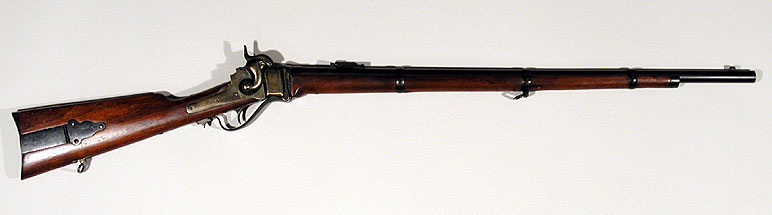
A duel was fought on Tuesday morning at Fort McRae, between a Charlestonian and a resigned midshipman with Sharp’s rifles. The Charlestonian was badly wounded in the groin.

346px-PierreAdolpheRost

Pierre Aldophe Rost: French-born CSA Commissioner to Spain

William Lowndes Yancey was a fire-eater who strongly supported slavery and the right of states to secede from the Union. According to Wikipedia he even supported the resumption of the slave trade:

If slavery is right per se, if it is right to raise slaves for sale, does it not appear that it is right to import them?

Let us then wipe from our statute book this mark of Cain which our enemies have placed there.

We want negroes [sic] cheap, and we want a sufficiency of them, so as to supply the cotton demand of the whole world.

This seems like a more consistent position to me (just like I couldn’t understand why Charleston forbade public slave auctions). But it seems strange that he would be appointed as as sort-of ambassador to France and England, which opposed the slave trade. Wowever, the same Wikipedia article says Yancey did as well “as could have been expected”.

Yancey and Pierre Adolphe Rost were replaced by Mason and Slidell. After his CSA service Ambrose Dudley Mann lived the rest of his life in France.

Berdan_Sharps_rifle

Sharps rifle - great duelling weapon

ExploreSouthernHistory has information about Fort McRee with some photos. There is a good picture of the interior of the fort with some of the rebels who were presumably manning it. I wonder if the duelists were in the photo?

Posted in 150 Years Ago This Week, Confederate States of America | Tagged , , , , | Leave a comment

Southern Rights Party

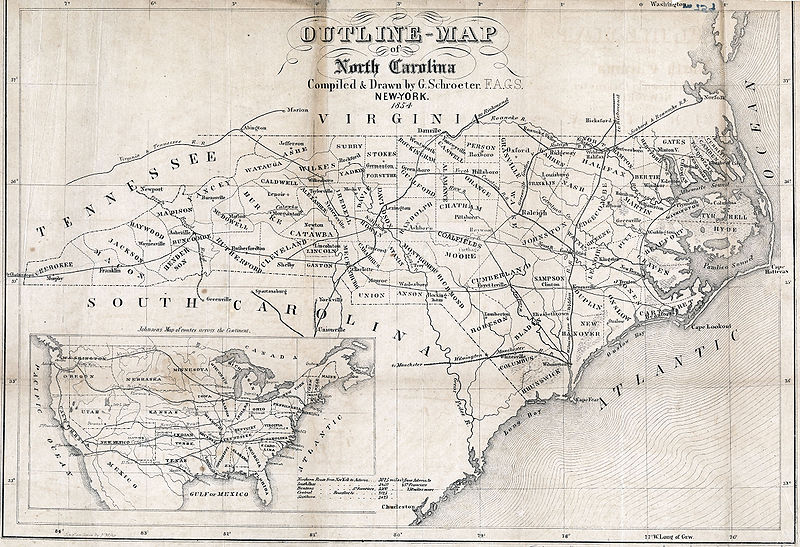
800px-Map_North_Carolina_roads_and_railroads_1854

"The Old North State" 1854 map

From The New-York Times March 23, 1861 (The New York Times Archive

REPORTS FROM NORTH CAROLINA.

GOLDSBORO’, Friday, March 22.

A very large and enthusiastic meeting of the Southern Rights citizens of North Carolina was held to-day, at the Court-house, on which the Southern flag was hoisted. Hon. WELDON M. EDWARDS, of Warren, was in the chair, assisted by six Vice-Presidents.

Edmund_ruffin

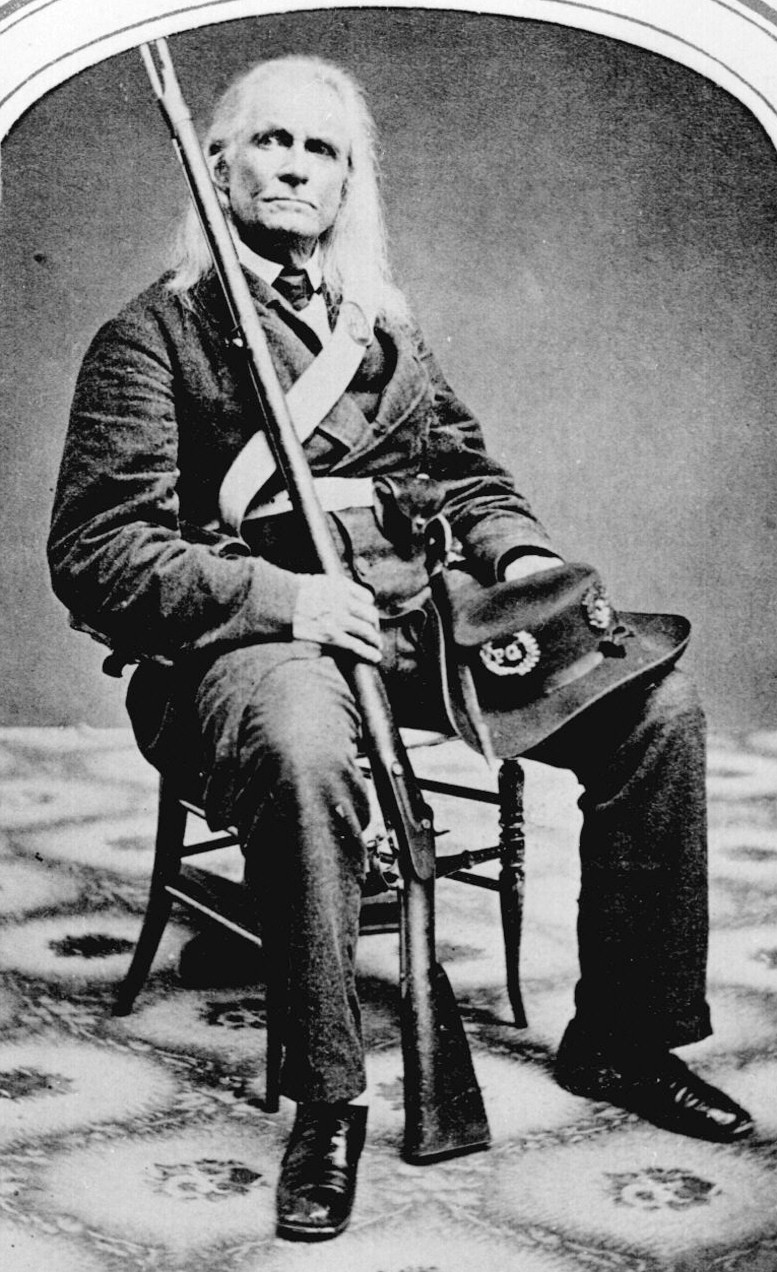
Virginia's Edmund Ruffin - helping keep the secession fire alive

This evening speeches were made by Hon. M.J. MOSES, of South Carolina, EDWARD RUFFIN, of Virginia, and Gen. YOUNG, of Mecklenburg, N.C.

There is a general outpouring of the people, and the meeting is wild with enthusiasm.

All the districts of the State will, it is reported, be represented by to-night.

The meeting adjourned at five to reassemble at 7 o’clock.

No compromise is wanted, but all are for immediate secession.

About a thousand delegates are present.

You can read more about the Southern Rights meeting of March 22nd and 23rd 1861 and see a portrait of Weldon Nathaniel Edwards, the president of the meeting, at the North Carolina History project. In February North Carolina voters narrowly voted down a proposed secession convention. If there had been a convention “only 39 of the 120 delegates were secessionists.” Secessionists then organized the March 22nd meeting.

At Google Books State rights and political parties in North Carolina–1776-1861
, by Henry McGilbert Wagstaff discusses this states’ rights meeting. A footnote mentions that Goldsboro was selected as the venue because it was secessionist; Raleigh, the logical choice, was unionist.

It was nice of Edmund Ruffin to stop by the meeting – possibly on his on his way to Charleston

Posted in 150 Years Ago This Week, Secession and the Interregnum | Tagged , , , | Leave a comment