A Ninth Ward Republican

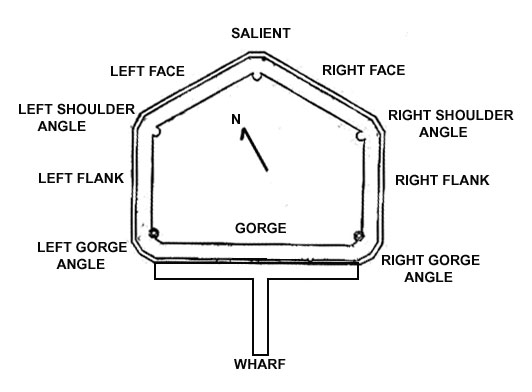
FtSumterDrawing

Sumpter - the fort on everyone's mind

A few days ago Civil War Daily Gazette published a good article about President Lincoln determining the pros and cons of abandoning Fort Sumter. One of the arguments against giving up the fort was

“The danger of demoralizing the Republican Party” because of timidity or “want of pluck”

A letter to the editor published in The New-York Times on March 19, 1861 tends to validate this concern (The New York Times Archive):

A Protest.

To the Editor of the New-York Times:

I protest against evacuating Fort Sumpter, because such withdrawal will degrade us in the eyes of the whole world. It will deaden all respect we have for our Government; it will put a premium on Rebellion; it will discourage our officers and soldiers from doing their duty; it will encourage other States to join those now in rebellion; it will weaken the Government; it will beget a spirit of anarchy among the people; it will give the opponents of the Administration strong grounds on which to go before the people in the coming election, on the score of cowardice and imbecility; it will destroy all regard for the Federal Union, as this act admits that the Union cannot protect its forts against the acts of rebels; it will give the compromisers, the concessionists and the threateners all the encouragement they want. I protest against this withdrawal as a full and complete backing down from the Inaugural, (which is but one week old,) wherein the President declared that “The power confided to him will be used to hold, occupy and possess the property and places belonging to the Government.”
356px-PGTBeauregard01

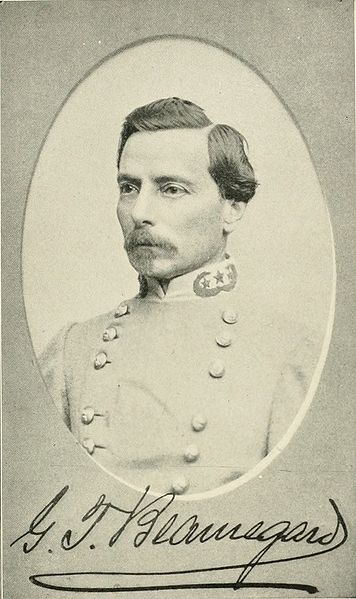
General Beauregard: menacing Fort Sumter

I protest against this withdrawal again as farther stultifying the Inaugural, inasmuch as such withdrawal allows the minority to rule the majority, which the Inaugnral says leads to “anarchy and despotism,” and that the rule of the minority is wholly inadmissible.

I protest against such withdrawal because it further stultifies the Inaugural wherein the President says (only one week since) that he considers the “Union unbroken,” and that he will take care that the laws of the Union be faithfully executed in all of the States.” Now if the Union is still unbroken, South Carolina is still in the Confederacy, and if so, to evacuate Sumpter, and allow an illegal combination of persons to occupy it, is to yield up “the property and places” of the Government, against which I protest.

A NINTH WARD REPUBLICAN. …

The Times of the early 1860s definitely seems to be a pro-Republican paper. After the letter an editorialist for the newspaper basically says, “Not to worry!”, but Lincoln might not have enough resources to hold Sumter indefinitely if the rebels try to starve out the fort or use active siege operations. And the Buchanan administration and Congress have hindered President Lincoln as well:
402px-William_H_Seward_Abraham_Lincoln_Fort_Sumter

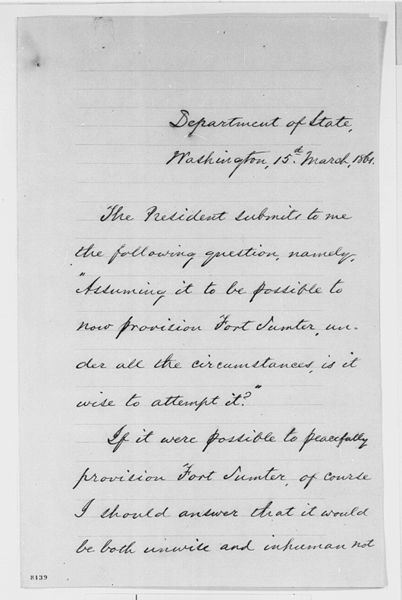
'How Do You Solve a Problem Like Ft. Sumter?': advice from Seward to Lincoln 3-15-1861

We think it not improbable that the President may find himself unable, under existing laws, to command a force sufficient to reinforce Fort Sumpter, with either men or provisions, if he acts upon the opinions of the Military Generals to whom he is bound to defer. This may render it impossible to hold the fort permanently, but it does not compel its immediate surrender. If the Charlestonians attack it, every possible effort will undoubtedly be made to repel them — and we presume with success. If, on the other hand, they content themselves with cutting off supplies, they will probably be able to compel a surrender sooner or later. Against such contingencies it is not always possible to provide: — and the efforts of the last Administration to cripple the Government, and the refusal of Congress to pass laws to strengthen the hands of the Executive, may render it impossible for the President to do everything which both he and the country deem desirable.

Nowaday we talk about a politician’s “political base”. It seems that both Lincoln and Jefferson Davis had to be concerned about their political bases in Spring 1861.
250px-FortMoultrieCharleston

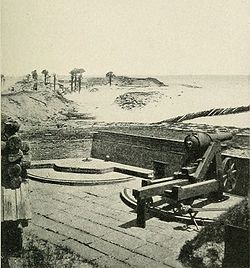
Fort Moultrie 1861: one of the threats to Sumpter
Posted in 150 Years Ago This Week, Lincoln Administration | Tagged , , | Leave a comment

Jubal Early Loves the Union! (in March 1861)

419px-Waitman_T._Willey_-_Brady-Handy

Waitman T. Willey: pro-Union from Morgantown

Since mid-February 1861 the Virginia secession convention has been meeting at the Mechanics’ Institute in Richmond. No final decisions have been made. On March 20, 1861 The New-York Times published an update (The New York Times Archive):

THE VIRGINIA STATE CONVENTION.; EXCITING TIMES IN RICHMOND.

RICHMOND, Tuesday, March 19.

The Committee on Federal Relations to day reported the proposed amendments to the Constitution. It is FRANKLIN’s substitute changed by using the expression “involuntary servitude” in place of “person held to slavery.” The rights of owners are not to be impaired by Congressional or Territorial law or the preexisting law of Mexico. In territory hereafter acquired, involuntary servitude, except for crime, is prohibited north of 36° 30, but shall not be prohibited by Congress or any Territorial Legislature south of that line. In the third section there are verbal alterations for the somewhat better security of property transitu. The fifth section prohibits the importation of slaves from places beyond the limits of the United States. The sixth section makes verbal charges in relation to remuneraton for fugitives by Congress, and excises the clause relative during privileges and immunities. The seventh section forbids the elective franchise and the right to hold office to persons of African race. The eighth says none of these amendments nor the third paragraph of the second section of the first article of the Constitution, nor third paragraph of the second section of second article thereof, shall be amended or abolished without the consent of all the States.

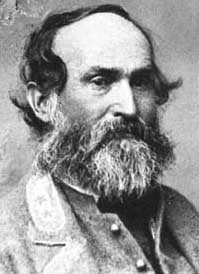
JubalEarly

Jubal Early : 'Old Jube' gives Union speech - in March 1861, that is

The taxation question was up and debated, but no action taken.

Mr. RANDOLPH concluded his speech.

A call, circulated in Richmond (Va.) late in the afternoon of March 15, attracted an immense crowd of Union-loving citizens to the Metropolitan Hall. Addresses were made by Major J.A. EARLY, W.P. WILLEY, GEO. W. BRENT and MARMADUKE JOHNSON, delegates to the State Convention. Great enthusiasm was manifested.

On the same evening the African Church was thronged by secessionists, assembled to listen to an address from the Hon. R.A. PRYOR. He made an ultra Southern speech, advocating secession, immediate, absolute and eternal. Mr. LINCOLN he characterized as a “misshapen ape, occupying the pedestal where once stood the proud WASHINGTON” He declared that he would rather be dragged at the tail of South Carolina than led in chains after the triumphal car of Massachusetts. Much excitement was created during his speech by the advent of 300 delegates from Petersburg, bearing the banner of the C.S.A.

800px-CSA_FLAG_4.3.1861-21.5.1861.svg

Delegates from Petersburg want to add an eighth star

It is said that when the Virginia secession convention started most of its delegates were pro-Union (Encyclopedia Virginia). Here the Federal Relations Committee wants to amend the U.S. Constitution to give more protections to slavery. Slavery cannot be prohibited south of the 36° 30 line; no Africans can vote or hold office; any one state by itself can veto any attempted changes to the slavery amendments. I guess that would make slave states more likely to stay in the Union.

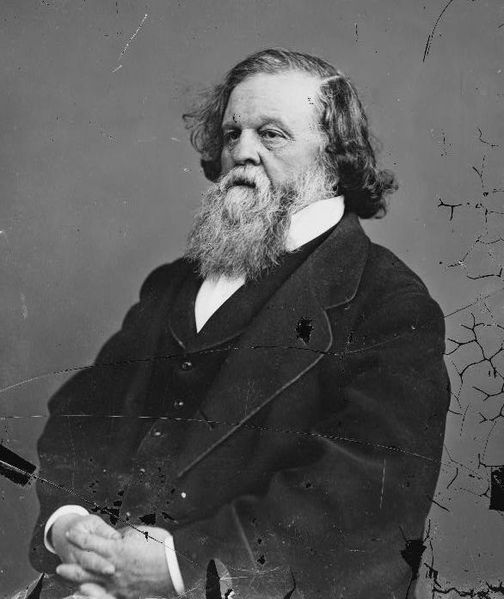
Waitman Thomas Willey made the transition from Virginia U.S. senator to West Virginia U.S. senator in 1863.

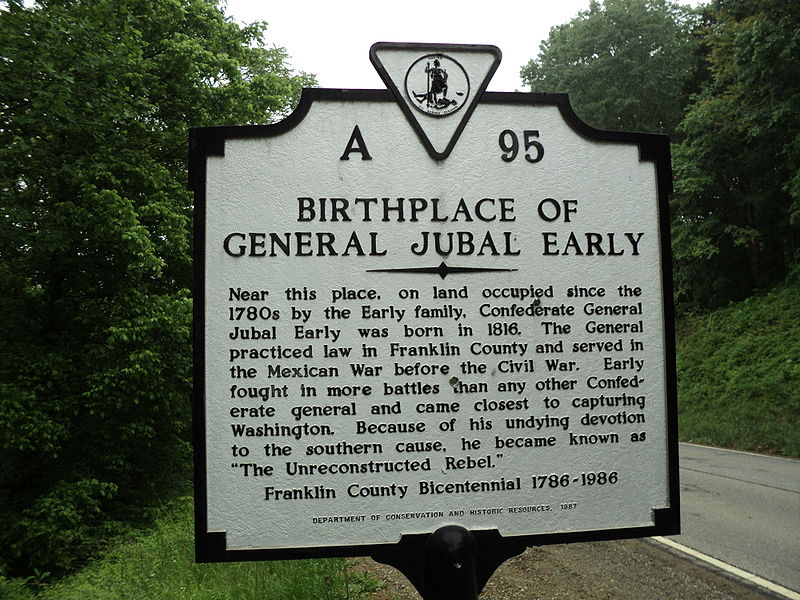
800px-Birthplace_of_General_Jubal_Early_Franklin_County_Virginia

As the sign indicates Jubal Early was born in Franklin County Virginia. He was a prosecutor in Franklin and Floyd counties in the 1840s.

Roger A. Pryor was a fiery secessionist who resigned his U.S. House seat the day before Lincoln was inaugurated. Once again it seems South Carolina “personifies” secession and Massachusetts represents the abolitionist North.

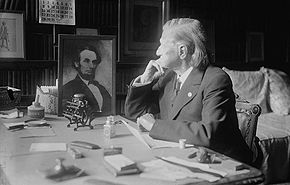
290px-Pryor-Lincoln_portrait

In his later years: Pryor ponders the 'misshapen ape' (Linbrary of Congress ggbain.23073)

Posted in 150 Years Ago This Week, Secession and the Interregnum | Tagged , , , , | Leave a comment

Conflicted in Missouri

Like Other (Especially Border) States

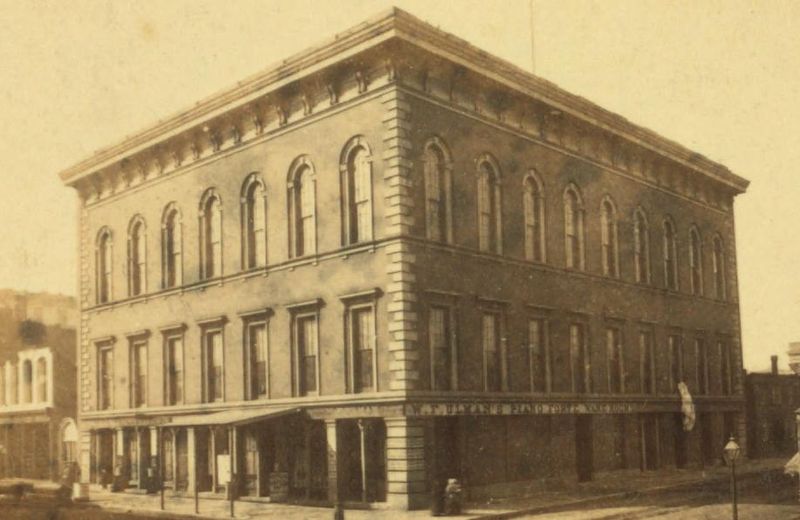
800px-Mercantile_Library_Hall

St Louis Mercantile Library Hall - where convention was meeting

As Seven Score and Ten has reported a Missouri state convention was meeting in St Louis 150 years ago to decide how the state should relate to the Union and the Confederacy. Would the state secede?

The New-York Times of March 19 1861 gave a bit of information about the proceedings (The New York Times Archive:

THE MISSOURI STATE CONVENTION.

ST. LOUIS, Monday, March 18.

The following amendment to the fifth resolution to the majority report of the Committee on Federal Relations, which has been under discussion the past week, was voted down yesterday in the Convention by a vote of 61 to 30: “And further believing that the fate of Missouri depends upon the peaceable adjustment of our present difficulties, she will never countenance or aid a seceding State in making war upon the General Government, nor will she provide men and money for the purpose of aiding the General Government in any attempt to coerce a seceding State.”

This seems like nice peaceful Missouri compromise: an appreciation of the Union, but a rejection of any Missouri support for federal coercion. Sort of sitting on the fence in perpetuity – but I guess being a Switzerland for the United States was not meant to be for Missouri

The motion was voted down. The debate in the convention would continue.

In other news the Missouri state legislature elected a new U.S. senator for the “General Government” (The New York Times Archive.

WPJohnson

Waldo P Johnson - new US senator from Missouri

Election of United States Senator.

ST. LOUIS, Monday, March 18.

After several days of balloting for United States Senator, Mr. GLEEN was withdrawn to-day and WALDO H. JOHNSON nominated instead, who was elected on the second ballot. The vote being as follows: Whole number of votes cast 145, necessary to a choice 73; JOHNSON, 88; DONIPHAN, 36; ENGLISH, 29.

Waldo P. Johnson was born in Virginia. He was expelled from the U.S. Senate in January 1862 for disloyalty. He became a Confederate officer.

Posted in 150 Years Ago This Week, Secession and the Interregnum | Tagged , , , , | Leave a comment

The Streets Will Get Cleaned

436px-St._Patrick's_Cathedral_New_York_1913

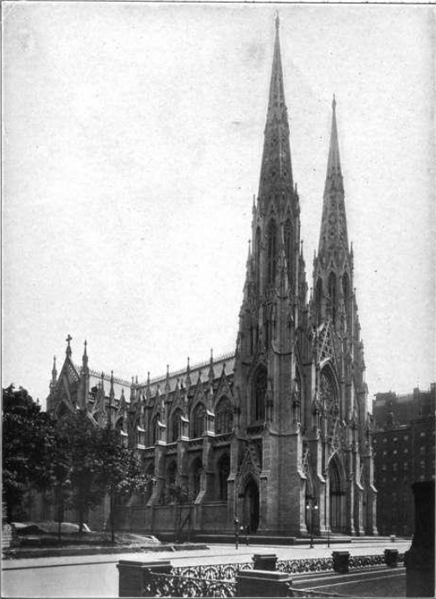
St. Patrick's Cathederal, New York: Charleston's Bishop didn't show up (1913 photo)

Even with all the tension between the North and South, especially focused on Fort Sumter and Charleston, there are still genial interactions between the sections – at least intended interactions.

From The New-York Times March 18, 1861 (The New York Times Archive):

ST. PATRICK’S DAY.; The Celebration Yesterday Solemn High Mass at St. Patrick’s Cathedral Programme of the Demonstrations To-Day.

“Sprigs of shillelah and shamrocks so green” were rampant, yesterday, on the recurrence of the birthday of that honored Saint, St. Patrick, who, though said to have been born on the 8th or 9th of Marth, has the homage this year of natal celebration on the 17th and 18th — for it must ho remembered the secular festivities of the occasion are to be continued to-day — possibly reaching into tomorrow morning. So far as the devotional character of the ceremonies yesterday would permit, the devotees of St. Patrick enjoyed the day. But they generally reserved until this evening the more delightful recreation and observance of “drowning the shamrock” — which the “Friendly Sons” are in the habit of doing to their hearts’ content.

387px-Patrick_Lynch_bishop_-_Brady-Handy

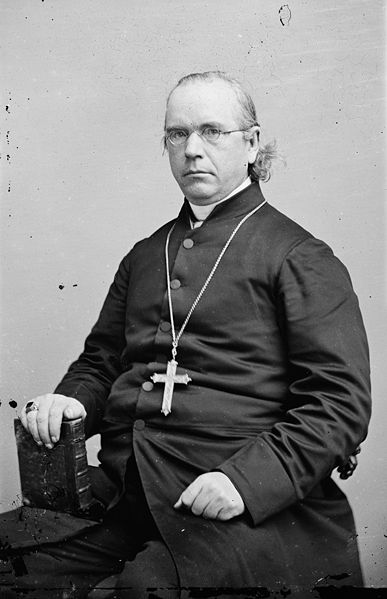
Bishop Patrick Lynch - the no-show - was he 'drowning the shamrock'? - just kidding!

SERVICES AT ST. PATRICK’S CATHEDRAL.

The vast edifice in Mott-street was crowded in every part yesterday morning, in view of the announcement that High Mass would be said, and that Bishop LYNCH, of Charleston, would preach the Panegyric of St. Patrick. Even the aisles were crowded to excess, and more than one lady was obliged to retire with symptoms of fainting and exhaustion. …

It was at first contemplated to deliver the sermon before the Mass had concluded, but owing to the unaccountable non-arrival of Bishop LYNCH, the Vicar-General was obliged to announce, while the collection was being taken, that the sermon would be preached at the end of the Mass. It seems that Bishop LYNCH took passage in the steamer James Adger, and expected to reach this City last Friday. It was hoped that he might arrive before the end of the Mass, but he did not come, …

THE MILITARY AND CIVIC PARADE TO-DAY.

Besides the various annual dinners, of which the 77th anniversary of the “Friendly Sons of St. Patrick” takes the lead, there will be a military and civic parade, of which the following programme has been issued by Lieut. Col. NUGENT, of the 69th, and Grand Marshal KEENAN:

800px-Trifolium_repens_Leaf_April_2,_2010

The military, under command of Lieut. Col. NUGENT, will form in Grand-street in the following order: …

The column will march down East Broadway and Chatham street, passing in front the City Hall, will be reviewed by the Honorable the Mayor and Common Council, passing out through the west gate of the Park, will proceed up Broadway to Twenty-third-street, through Twenty-third-street to First-avenue, down First-avenue to Eighth-street, up Eighth-street to the Cooper Institute and dismiss.

CLEAN STREETS ON THE LINE OF THE PROCESSION.

The new contractor for cleaning the streets has promised to clean the path chosen for the cavalcade of Erin’s sons, either by removing the dirt altogether, or by sweeping it aside so as to afford a comparatively safe gauntlet through the centre of the street. Regarded even in this light, St. Patrick’s Day will prove a public blessing — if it don’t rain!

Obviously, in those days street cleaning involved a lot more than getting some light dirt off the sides of asphalt.

Bishop Patrick Neeson Lynch did have a role in the CSA. (from Wikipedia):

On February 20, 1864 he was named by President Jefferson Davis of the Confederate States of America to be its delegate to the Holy See which maintained diplomatic relations in the name of the Papal States. Pope Pius IX, as had his predecessors, condemned chattel slavery. Despite Bishop Lynch’s mission, and an earlier mission by A. Dudley Mann, the Vatican never recognized the Confederacy, and the Pope received Bishop Lynch only his ecclesiastical capacity.

Robert Nugent was in charge of the 69th New York State militia as it organized the parade, probably because Michael Corcoran was on trial

USS James Adger (from Wikipedia):

was a United States Mail Steamship operating between Charleston, South Carolina and New York City, New York. Owned by James Adger II (James Adger & Co) of Charleston, she was seized while in New York City at the outset of the Civil War and converted for military duty by the Union Navy.

Posted in 150 Years Ago This Week, Confederate States of America | Tagged , , , | Leave a comment

Lady Davis Defends Charleston Harbor

575px-CSSLadyDavis

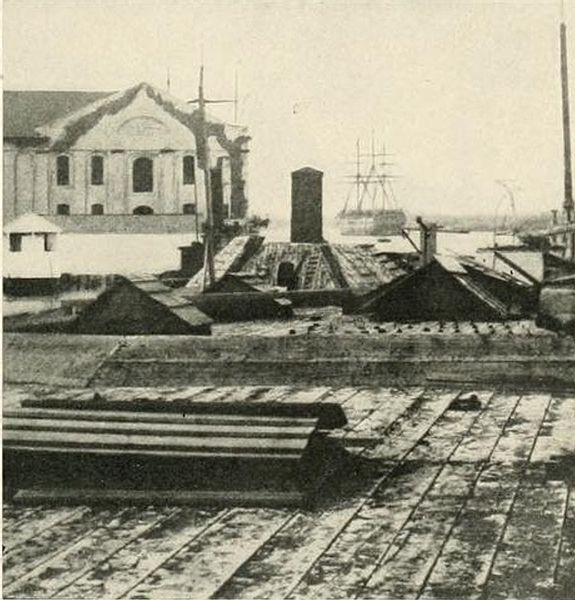
'The Lady Davis' - in the foreground

From The New-York Times March 18, 1861 (The New York Times Archive):

THE “FIRST WAR VESSEL.”

The Charleston Courier, of Thursday, contains the following:

LADY DAVIS, THE FIRST WAR VESSEL PUT AFLOAT BY SOUTH CAROLINA SINCE THE WAR OF OUR INDEPENDENCE, 1766. — This vessel was bought by Gov. PICKENS, at Richmond, and altered for service, armed with twenty-four pounders, and regularly equipped. She started Tuesday night on the harbor defence, with her complement of enlisted men — Lieutenant T.B. HUGER, commanding, with First-Lieutenant DOZIER and Lieutenant GRIMBALL She is ready for her work of defence, and Gov. PICKENS has directed her to be named Lady Davis, in compliment to the lady of the first President of our Confederate States.

VHowellDavis

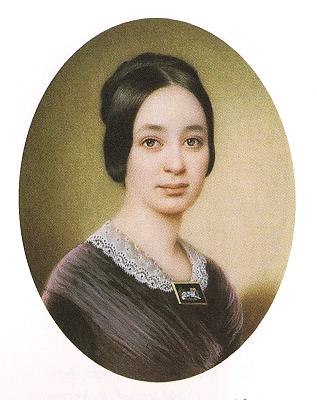
Varina Howell Davis - ship's namesake

According to The Photographic History of the Civil War The Lady Davis was originally a tug purchased in Baltimore. In the photo it’s the stripped-down object in the foreground contrasting to the large frigate in the background. The ship was part of Tattnall’s fleet in Charleston Harbor.

In her letters Varina Davis predicted that if the North fought against disunion it would almost certainly beat the Confederacy.

Thomas B. Huger resigned from the U.S. Navy in January 1861. He would eventually take command of the CSS McRae The Naval Historical Center has other photos of Huger.

The CSS Lady Davis was purchased by the CSA in May, 1861.

The South Carolina Navy apparently existed independently at times during the American Revolutionary War and the American Civil War.

800px-Ensign_of_the_South_Carolina_Navy.svg

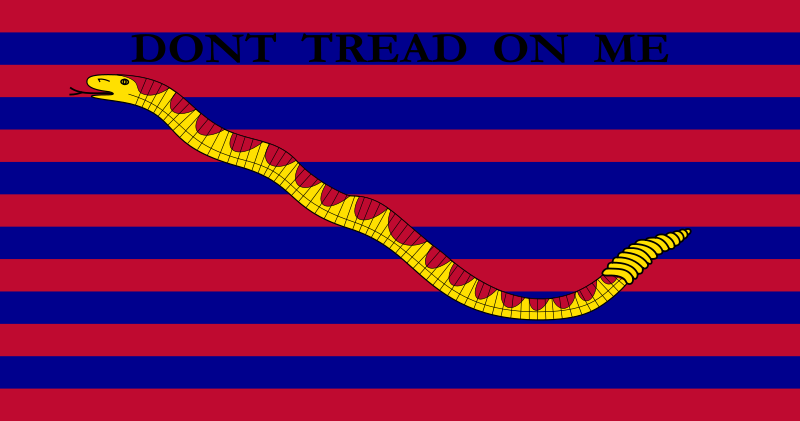
Ensign of the South Carolina Navy

410px-ThomasBHugerCSN

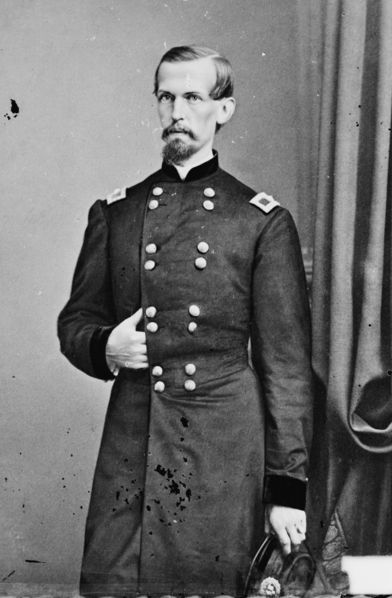
Thomas B. Huger

Posted in 150 Years Ago This Week, Confederate States of America, Military Matters | Tagged , , , , , | Leave a comment

We Interrupt This Court-Martial

392px-Michael_Corcoran_-_Brady-Handy

Michael Corcoran: as Union general

In October 1860 the Prince of Wales visited New York City as part of his North American tour. The whole city went gaga over the prince – well almost the whole city. The 69th regiment of the New York State militia refused to parade in honor of the prince. The 69th, led by Colonel Michael Corcoran, was predominantly made up of Irish-Americans. On March 16, 1861 The New-York Times reported on a meeting during which the 69th was honored for its refusal to honor the prince (The New York Times Archive). Here’s some excerpts:

The City Assembly Booms were thronged, last evening, by an assemblage consisting for the most part, as an Hibernian would say, of Irishmen of both sexes, who came together to witness the presentation of a stand of colors to the Sixty-ninth Regiment, N.T.S.M., and of a sword of honor to Col. MICHAEL CORCORAN, its Commander, “as a testimonial,” in the words of the card of invitation, signed by JOHN CLANOY, Chairman, “of sympathy with said regiment and officers in their refusal to perform an extra parade, not prescribed by law, in honor of the Prince of Wales.” The officers and men of the regiment were present, in full uniform. At a little after 8 o’clock they marched in, led by the regimental band, playing the Irish air, “Larry O’Gaff,” amid loud plaudits …

Mr. STOUT concluded by reading a letter from Col. CORCORAN, expressing his regret that he was too ill to be present, declaring it improper for him at this time to say anything about his own trial further than that, enough an American citizen, he was also an Irishman born, and should never forget that the Prince of Wales was the representative of Ireland’s-oppressor, and requesting that Quartermaster TULLY would speak for him. …

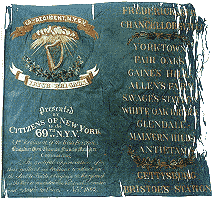
2nd_Irish_Color,_69th_NYSV

later flag of 69th - with Civil War battles

Hon. J.W. CHANDLER, now addressing the Quarter-master, made a speech, requesting Col. CORCORAN, through him, to accept the sword which lay on the table as a testimonial for his manly conduct in relating to order a parade of his Regiment in honor of the Prince of Wales. [Groans.] He declared that the Colonel acted strictly in accordance with law and his duty in so refusing, and that he had thus set an example which would call forth a response from every true American citizen, and awaken all to an abhorrence of every species of King-craft. He read a lengthy dissertation on the quality of the liberty enjoyed in this country. In conclusion, he presented the sword, alluding to its power for good or evil, in the hands of worthy or unworthy men, and expressing the belief that, given to Col. CORCORAN, it was given to a brave man.

Quartermaster TULLY, in receiving the sword, said it was a pleasing duty to him, on this occasion, to obey the command of his superior officer, for there was no man in this city in whose shoes he would rather stand. [Applause.] He would not undertake a lengthy reply, but he desired to express Col. CORCORAN’S sense of the generosity of his friends. The sword was an American sword, and it would be the weapon of an American soldier. [Applause.] Should the cause of this Union call for soldiers, this would be one of the first swords unsheathed in support of the Republic. [Applause] Mr. TULLY spoke of the reception of the Prince of Wales in this country, characterizing it as humiliating and unworthy of the independence of Americans. He dwelt upon the wrongs of Ireland, and said it was his belief that the memory of these had something to do with Col. CORCORAN’S action. [Loud applause.] In all parts of the land had come voices of approval of Col. CORCORAN’S conduct, even from California (holding up a medal received by Col. CORCORAN from Irish Californians.) We all had a particular object of regard. The slave longed for liberty, and the Irishman yearned for his native land. [Applause.] It was his firm faith that the day of Ireland’s prosperity and liberty was almost come. In conclusion he returned thanks for the testimonial. [Three cheers.]

The sword was of elegant make, with a double scabbard, the outer one being of gold and ornamented with Irish emblems and the American colors The inscription on one side was as follow: “Presented to Col. CORCORAN, of the Sixty-ninth Regiment.” On the reverse were the words, “In memory of the 11th of October, 1860.”

The colors to be presented to the Regiment were now brought forward amid great applause.

The material of the stand of colors is heavy green silk, magnificently worked in emerald and gold. In the centre is a representation of the ancient flag of Erin –the sun-burst. Upon a scroll above and beneath the central emblem are inscribed in golden letters the same words inscribed upon the sword presented to Col. CORCORAN. …

Michael Corcoran was born in Ireland. According to Wikipedia:

He enlisted as a Private in the 69th New York Militia. By 1859 he was appointed colonel of the regiment. The regiment was a state militia unit at that time composed of citizens, not soldiers, and was involved in the maintenance of public order. On October 11, 1860, Colonel Corcoran refused to march the regiment on parade for the 19-year old Prince of Wales, who was visiting New York City at the time, as a protest to the ineffective British response to the Irish Famine. Corcoran was removed from command and a court martial was pending over that matter when the Civil War began. …

With the outbreak of war, the court martial was dropped and Corcoran was restored to his command because he had been instrumental in bringing other Irish immigrants to the Union cause.


It seems Corcoran’s Court-martial was interrupted because he could deliver the troops.

Both Corcoran and the 69th were actively involved in the war.

Posted in 150 Years Ago This Week, Military Matters | Tagged , , | 3 Comments

A. Lincoln – Micromanager

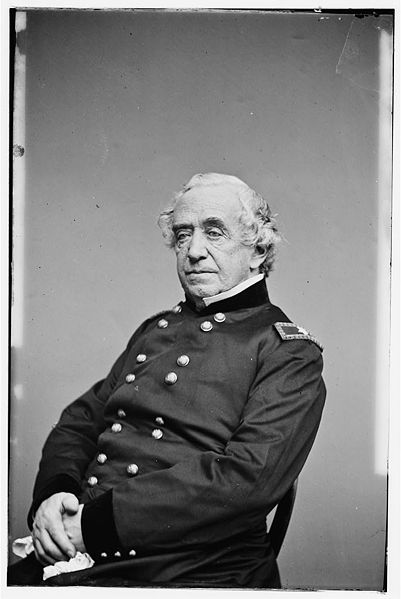
401px-Joseph_Gilbert_Totten

Joseph Totten: Mr. Lincoln could find time for General Scott and him

From The New-York Times March 16, 1861 (The New York Times Archive):

WASHINGTON, Friday, March 15.

THE PRESIDENT’S HEALTH.

There is a good deal of anxiety in Republican circles concerning the President’s health, and the effect upon it of his manner of doing business. He has no system or method whatever, but allows his time and strength to be exhausted in listening to office-seekers, and doing other drudgery, which belongs to the Departments. Until Wednesday morning he had not even taken a ride for recreation. From 6 o’clock in the morning until long after midnight, he permits himself to be made the passive victim of the thousands who would readily sacrifice his life and the safety of the nation to their own selfish eagerness for office. This course of action can have but one result. It has killed two good Presidents, and will inevitably deprive the country of another, if it is not changed. A false delicacy prevents his friends from making proper representations to Mr. LINCOLN on this subject, and the danger is that his profound and unselfish anxiety to see everybody and give nobody any ground to complain of injustice, will sap his strength and shorten his life. The Departments have clerical force sufficient to digest all applications for office, and he should require the Secretaries to bring him the results of such a sifting process, instead of taking the whole mass on his own shoulders. And, except in cases certified to be important by the proper Department, or where he has some special personal interest or feeling in the matter, he should refuse to allow anybody to talk to him about office. His time and strength and intellectual energy are required by the country for higher duties.

The Cabinet had another special meeting this morning, at which Lieut.-Gen. SCOTT and Gen. TOTTEN, head of the Engineer Corps, were present for two hours. The result has not transpired, but Gen. SCOTT’s smiling face, and evidently excellent spirits, as he left the White House, seemed indicative that his advice in favor of the peace policy was likely to prevail.

___________________________

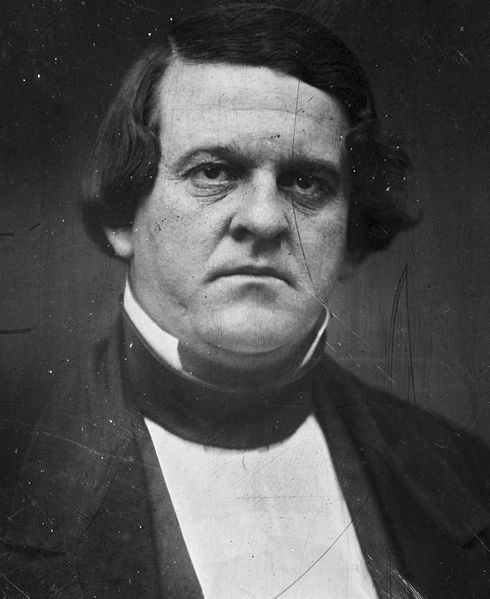
490px-Howell_Cobb-crop

Howell Cobb: this secessionist actually served in Confederate army

A Technique to Reduce Number of Office-seekers

Apparently some fire-eaters are only looking for a particular type of work to help their much longed-for CSA.

From The New-York Times March 13, 1861 (The New York Times Archive):

SEEDY SECEDERS SCRAMBLING FOR OFFICE.

Whether or no it be true that black sheep are greedier than white ones, is still a subject of dispute. But the wild scramble now going on at Montgomery for every phantom office created by his Dictatorship DAVIS, shows conclusively that the lust for office down there has already attained a development that dwindles into insignificance even the greed of the hungry hordes which now besiege Washington. Great numbers of office-seekers have flocked to the new capital within the last month from South Carolina, Georgia and Louisiana. But, unfortunately, there are found to be far more applicants for place than there are either places or spare cash; and the disappointed fire-eaters wander about the muddy streets of the village, care-worn, disconsolate and mad.

The other day, some unchivalric wag posted an advertisement in the Post-office of the Confederate Capital, announcing that “twenty-five competent accountants” were “wanted by the Executive at No. 10 Government Building” — the Treasury Office of the new Government. The whole of the inhabitants of the village, and all the office-seekers within its gates, were immediately thrown into the greatest commotion. Everybody rushed to the barber’s to get shaved, everybody hastily donned clean shirt collars, and all the little negroes in town were quickly set to work polishing boots and shoes. In less than half an hour an immense array of nicely-dressed Fire-eaters were congregated at the doors of the “Government Building,” anxious to see COBB, or DAVIS, “or any other man,” privately, for a few moments. For two hours the procession kept streaming up the steps of the building, vainly attempting to gain access to No. 10. Finally it was officially announced to the panting, hungry beagles, that the advertisement was a hoax, and that no “competent accountants” were wanted. The clean shaved gentry, however, immediately had an invitation extended to them to enlist in the regular army of the Confederated States, which magnanimous offer scattered the host of applicants as rapidly as the first invitation had gathered them.

_______________________

In With Malice Toward None (New American Library New York 1977 page 241 in paperback) Stephen B. Oates mentions the crush of office-seekers that made Mr. Lincoln feel like a “prisoner in his own house.” This responsibility added to the mental strain of Fort Sumter and diplomatic appointments.

Howell Cobb was the Speaker of the Provisional Confederate Congress and served as an officer in the Confederate army. Hes was President Buchanan’s Secretary of the Treasury until december 1860.

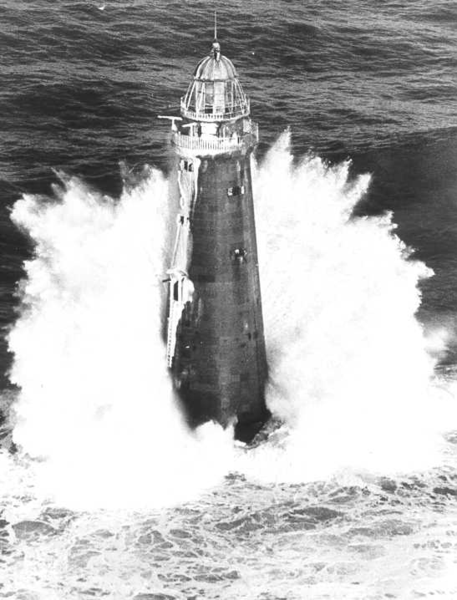
Joseph Gilbert Totten served as Chief Engineer of the U.S. army from 1838 until his death in 1864. “One of Totten’s most significant achievements was the design and construction of the Minots Ledge lighthouse near Cohasset, Massachusetts.”

457px-Minot_light

Minot's Ledge Light

504px-Postbellum-Cobb

Postbellum Cobb

Posted in 150 Years Ago This Week, Confederate States of America, Lincoln Administration | Tagged , , , | Leave a comment

Tex-Mex

Wiki_samhouston

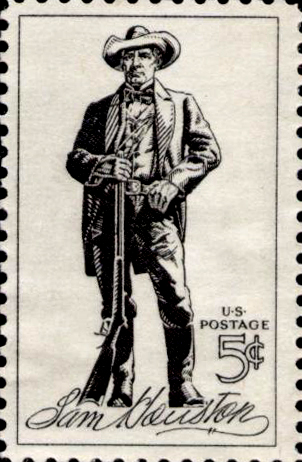
Sam Houston: 'just say no' to CSA

Conflict in Texas

On February 1, 1861 the Texas secession convention voted to secede. On February 23 Texas citizens voted to ratify the secession decision. The Texas secession convention has already sent representatives to the new Confederate government in Montgomery. However, Governor Sam Houston is still resisting the idea of Texas joining the Confederacy. Here’s an article from the March 14th issue of The New-York Times (The New York Times Archive):

IMPORTANT FROM TEXAS.; GOVERNOR HOUSTON AT ISSUE WITH THE SECEDERS.

GALVESTON, Texas, Monday, March 11.

Gov. HOUSTON has refused to recognize the Convention. He considers that its functions terminated in submitting the Secession Ordinance to the people. He tells the Convention that he and the Legislature (which meets on the 18th,) will attend to the public questions now arising; and he favors a new Convention to make such changes in the State Constitution as may be necessary. He opposes Texas joining the Southern Confederacy.

The Convention, in reply, passed an ordinance, claiming full powers, promising to consummate, as speedily as possible, the connection of Texas with the Confederate States, and notifying the State of this course. The Constitution will at once require all officers to take the oath of allegiance to the support of the new Government, and carry out the Convention ordinances.

It is reported that Mr. CLARK will be put in Mr. HOUSTON’S place, if the latter refuses the oath; also that Gov. HOUSTON is raising troops on his own account.

One thousand five hundred Texan troops are at and near Brownsville.

______________________

486px-TCorwin

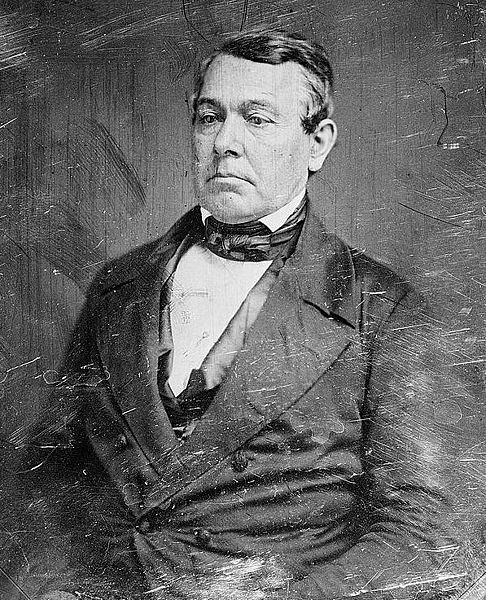
Thomas Corwin: The Wagon Boy opposed Mexican-American War

Conciliation Toward Mexico

From The New-York Times March 13, 1861 (The New York Times Archive):

THE NEW MINISTER TO MEXICO

Among several nominations sent to the Senate yesterday, that of THOMAS CORWIN, as Minister to Mexico, will be accepted by the country with singular approbation. Mr. WELLER, the latest of Mr. BUCHANAN’S appointees, upon that mission, has involved himself in unpleasant relations with the Liberal Government, at a moment of all others when it is important to secure with it the best feeling and the largest influence. Especially important is it to place in communication with them a person who shall be able and faithful to counteract the schemes of secession — schemes, which are likely to compass at once the deglutition of the prey so long and hungrily coveted. Mr. CORWIN, as an earnest opponent of the Mexican war, will be likely to meet with a very different reception from that he awarded the American invaders; in fact, he will immediately exert an influence with the Government, which will greatly strengthen it to resist not only the advance of secession, but the unfriendly and untimely pressure of the European Powers. He will, of course, be confirmed.

Thomas Corwin was a wagon boy for General William Henry Harrison during the War of 1812. He had a long political career, including stints as Ohio governor and Secretary of the Treasury during the Fillmore administration. From Wikipedia:

In 1860, he was chairman of the House “Committee of Thirty-three,” consisting of one member from each state, and appointed to consider the condition of the nation and, if possible, to devise some scheme for reconciling the North and the South.

He resigned only a few days into the 37th Congress after being appointed by the newly inaugurated President Abraham Lincoln to become Minister to Mexico, where he served until 1864. Corwin, well-regarded among the Mexican public for his opposition to the Mexican-American War while in the Senate, helped keep relations with the Mexicans friendly throughout the course of the Civil War, despite Confederate efforts to sway their allegiances.

Corwin’s appointment as Ambassador to Mexico seems to have been a good decision by the Lincoln administration.

_________________________________

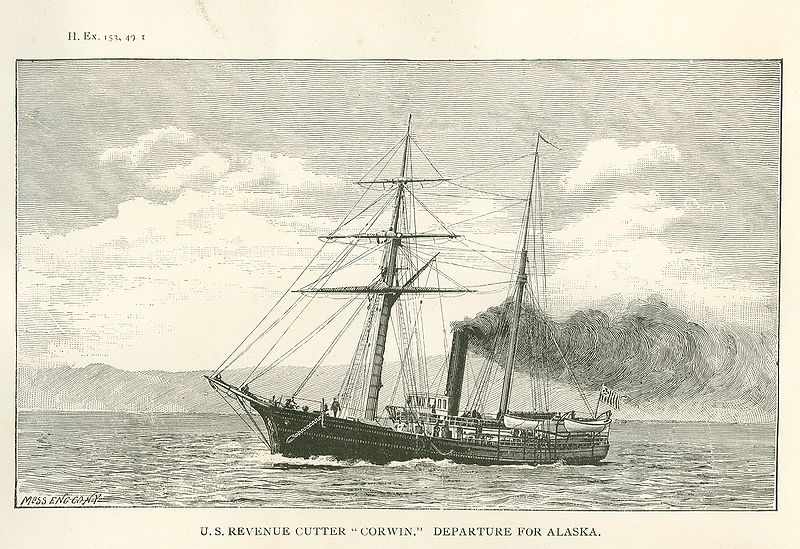
The Thomas Corwin sailed on most of its missions to the vicinity of Alaska and the Bering Sea.

800px-USRC_Thomas_Corwin_(1876)_engraving_1887

USRC Thomas Corwin departing for Alaska

Corwin_in_a_nip_1880

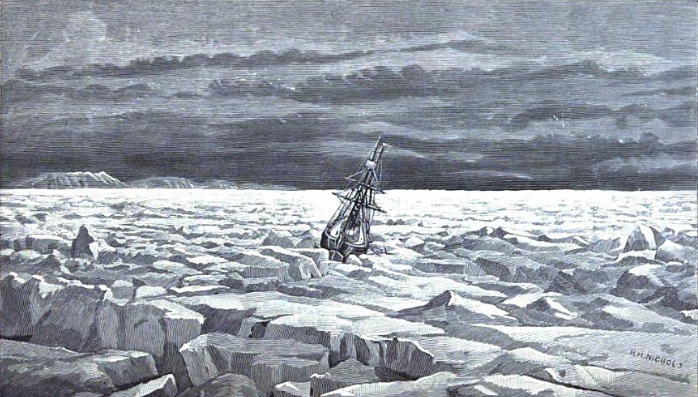
Not exactly Mexico City - Sketch of the Corwin caught in ice floes in the Bering Sea, June 1880 (Engraving by H.H. Nichols after a sketch by Capt C.L. Hooper USRM)

Posted in 150 Years Ago This Week, Lincoln Administration, Secession and the Interregnum | Tagged , , , , , | Leave a comment

A Man With A New Country

Confusing Times

Samuel_Cooper_(general)

Samuel Cooper: followed his sympathies South and got new gig 9 days after U.S. resignation

On March 11, 1861 The New-York Times published some commentary by OBSERVER, The Times’ Washington correspondent. As part of his article OBSERVER contrasts the actions of Samuel Taylor, who resigned as U.S. Adjutant General because of his southern sympathies, with the actions of southern men who have not yet resigned their U.S. positions (The New York Times Archive):

WASHINGTON, Sunday, Feb. 10, 1861. …

The late Adjutant-General, COOPER, who, though a Northern man, has felt himself called upon to resign his position, is a brother-in-law of Senator MASON, of Virginia. It is to be presumed that the influence of the latter over his military kinsman has induced him to take this step. If Gen. COOPER felt that he could no longer be true to the flag of his country, after the defeat of his party, he is, at least, to be commended for resigning, instead of betraying, as did FLOYD, TWIGGS, and others. But if COOPER’S conscience would not allow him to pretend to serve a Government which he abhors, what must we think of MASON’S? May not a Senator betray and play into the hands of the enemy, as well as an Army officer? That is a very strange sort of reasoning which satisfies such men as MASON, HUNTER, CLINGMAN and WIGFALL, that they may with a good conscience hold a place in the legislative councils of a country which they are endeavoring to destroy. I like much better the sense of honor which prompted COOPER, the “Northern man with Southern principles,” to resign a post to which he felt he could not be faithful, than that of these Southern men, who pretend to stand upon chivalrous punctilios, while legislating at Washington for the benefit of the Southern Confederacy.

S_Cooper_US_Army

Cooper - while still a U.S. officer

Samuel Cooper was born in New Jersey and married a Virginian, Sarah Maria Mason. Cooper was a good friend of Jefferson Davis. He’s an example of the decision-making people had to do during the secession crisis and after.

Cooper resigned his position as Adjutant General of the U.S. Army on March 7, 1861. On March 16th he was made a general in the Confederate army. He served as Inspector General.

From the Wikipedia link:

After the war, Cooper was a farmer at his home, Cameron, near Alexandria, Virginia. His house had been taken over by the U.S. government during the war and turned into a fort, but he was able to move into what had been an overseer’s house. Due to his age Cooper earned a meager living. On August 4, 1870, Robert E. Lee, on the behalf of other former Confederates, sent Cooper $300. Lee wrote to him saying, “To this sum I have only been able to add $100, but I hope it may enable you to supply some immediate want and prevent you from taxing your strength too much.” Samuel Cooper died at his home in 1876, and is buried there in Christ Church Cemetery.

Posted in 150 Years Ago This Week, Secession and the Interregnum | Tagged , , , , | 2 Comments

Fire-eaters’ New Target

476px-Steph_mallory

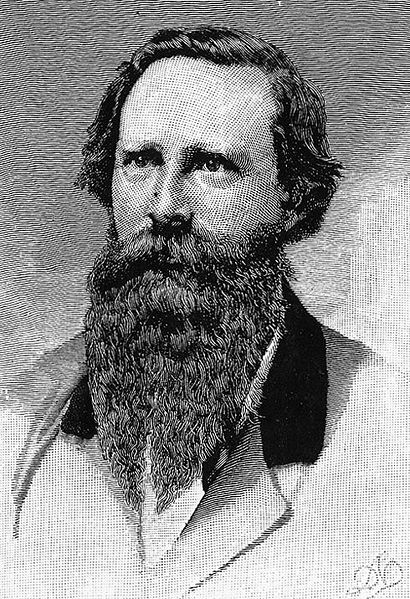
Stephen Mallory, CSA Secretary of the Navy - a "reconstructionist"?

Jefferson Davis, Stephen Mallory, et.al.

Apparently some unidentified Fire-eaters are taking aim again – this time at the new government of the CSA.

From The New-York Times January 11, 1861 (The New-York Times Archive):

SECESSION NOT CONTENTED.

— The Provisional President of the C.S.A. does not seem destined to repose upon a bed of roses. His veto of the Act passed by the Southern Congress, reducing the offence of Slave-trading from the rank of piracy, punishable with death, to the grade of a simple misdemeanor, has drawn down on the head of JEFFERSON DAVIS the severe and violent denunciations of the more rabid Fire-eaters. They begin to suspect that even he may not be “true to the South,” according to their standard of trueness; while two of his Cabinet officers, Secretaries TOOMBS and MALLORY, are openly proclaimed to be unsafe men to be intrusted with the guidance of Cottondom’s future. The report of Secretary TOOMBS in favor of continuing the U.S. Tariff of 1857 as the Tariff of the C.S.A., “will raise,” we are told, “strong opposition and intense disgust;” while Secretary MALLORY is held up to fire-eating odium as one “opposed to the cause of secession,” and who “could not get more than one vote in the Legislature of Florida for any position whatever.” DAVIS, STEPHENS, MALLORY and MEMINGER, all suspected of being “reconstructionists,” and TOOMBS declared to be creating opposition and “intense disgust” by his anti-free-trade policy, — the South Carolina patriots must soon begin to realize that their stepping out of the Union has not been an unqualified blessing.

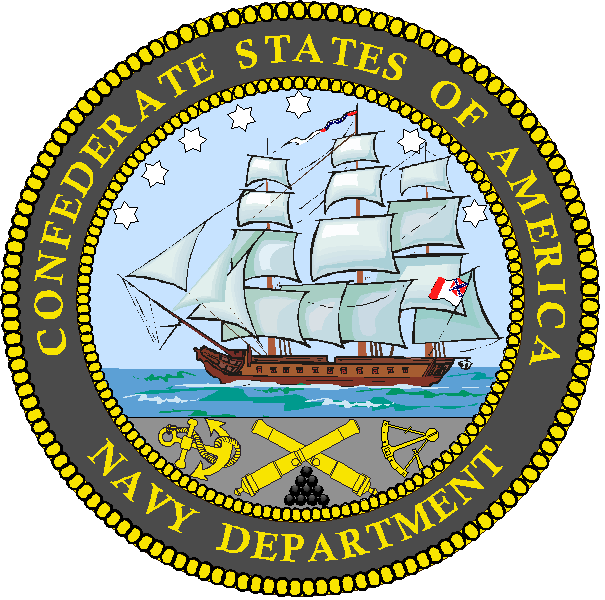
CS_Navy_Department_Seal

CSA Navy Seal: All this and ironclads, too!

Stephen Mallory lived a good chunk of his life in Key West, Florida. As a U.S. senator from Florida Mallory served on the Senate Committee on Naval Affairs. He was in favor of a return to flogging to improve naval discipline and as early as 1853 advocated ironclad warships. After Florida’s secession mallory resigned his U.S. Senate seat on January 21, 1861. He served as CSA Navy Secretary for the duration. After being paroled Mallory returned to his home in Pensacola, where he lived the rest of his life.

____________

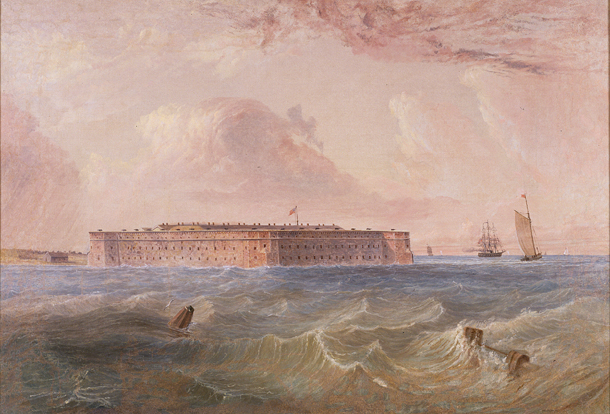
Fort Taylor

Fort Taylor: Stars and Stripes still flies over it and even most public buildings in town

The same issue of The Times reports that Fort Taylor off Key west is still under federal control (The New York Times Archive):

THE DANIEL WEBSTER AT KEY WEST.

Advices from Key West, via Havana, report the arrival at that port on the 22d of February, having on board ninety recruits in charge of Capt. DAWSON, of the First Artillery. The day following her arrival sixty-two recruits were landed for Capt. J.M. BRANNAN’S company at Fort Taylor. A large quantity of stores for the use of the garrison were also landed. She coaled and proceeded to Tortugae for the purpose of landing recruits for Major ARNOLD’S command, and also six month’s provisions for that post. It was understood at Key West that the Webster was bound to Brazes and Indianola for the troops at those points, Major PORTER having charge of the expedition with instructions to accompany the troops to their destination. A salute of 34 guns was fired at Fort Taylor on WASHINGTON’S birthday by Capt. BRANNAN. The American Flag floated from the top of all the Government and nearly all the other public buildings in Key West, and the day was patriotically observed by all.

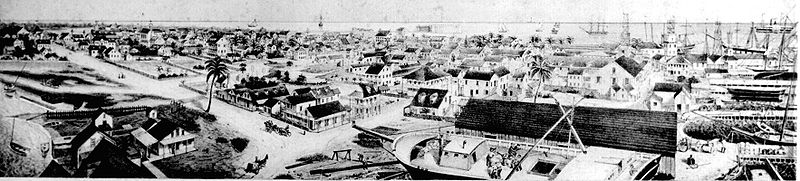
800px-Key_west_1856

Key West 1856

Posted in 150 Years Ago This Week, Secession and the Interregnum | Tagged , , , , , | Leave a comment