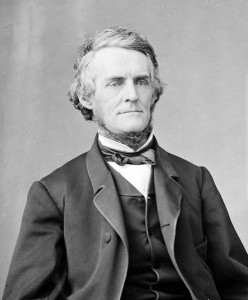
A Coincidence

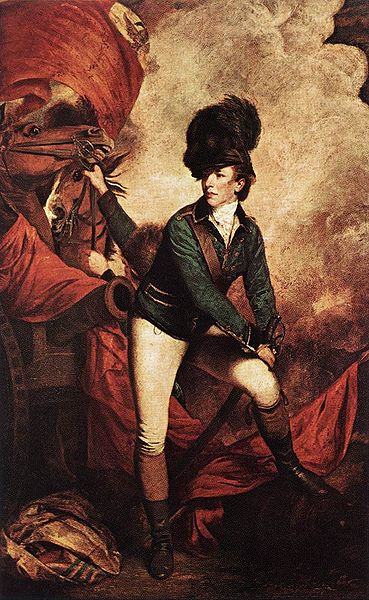
369px-Banastre-Tarleton-by-Joshua-Reynolds

Likened to Buchanan: Tarleton by Joshua Reynolds

From an article in The New-York Times February 26, 1861 denying a rumor that Major Anderson was sick with fever (The New York Times Archive):

A letter from a brother of Major ANDERSON to a gentleman in this City, mentions the following curious coincidence:

“It is a very strange coincidence that my father was that ‘Captain of the Continental line’ who by mistake of his superior began the battle of Trenton, where ROBERT was so long stationed. And, as Major, he was a prisoner of war in actual jail, fed only on rice, with the small-pox for a dessert, in the very Charleston where his son of the same rank is now stationed, — the former under TARLTON, the latter under BUCHANAN. What a coincidence.”


Major Anderson as President Buchanan’s POW. American’s claimed that Banastre Tarleton had surrendering soldiers in the Continental Army gunned down at the Battle of Waxhaws.

You can read about the role of Major Anderson’s father in the Battle of Trenton at Google Books.

Posted in 150 Years Ago This Week, Secession and the Interregnum | Tagged , , , , | 1 Comment

Fighting Words from Prussia

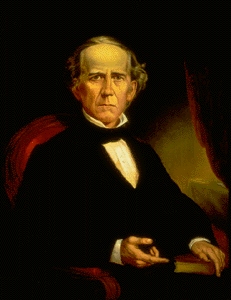
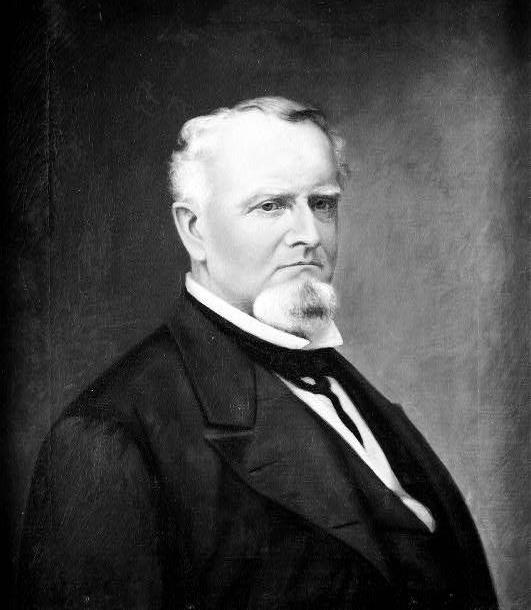
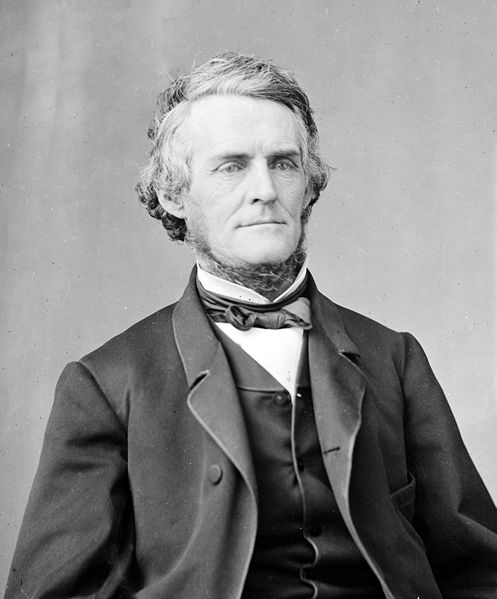
Joseph_A_Wright_Portrait

Joseph A. Wright: 'put down all traitors'

From The New-York Times February 25, 1861:

EX-GOV. WRIGHT, OF INDIANA, ON COERCION.

Ex-Gov. WRIGHT, of Indiana, now the American Minister at Berlin, in a letter to a friend in this City says:

“I have not the heart to say anything about my country. Still hold my old opinions. We cannot have a peaceable separation. All this talk of two Confederacies is nonsense. We cannot be two people, cannot be three people, cannot be four people; we are one people or we are nothing. I would sooner fight a citizen of my country guilty of treason than to fight any enemy in the world.

You may do many things, say many things, but God is my judge, there is one thing you shall not do; that is, destroy the temple erected by my fathers. This is the only hope left for humanity everywhere. I hold any man guilty of treason who shall attempt in any way to destroy this Union. I say, fight — fight on, no peace, until we put down all traitors.

Joseph A. Wright sure seems to be a consistent man. According to Wikipedia:

The Washington Monument was under construction during Wright’s term. A strong supporter of the Union, Wright had a block sent for the monument with the inscription, “Indiana knows no East, no West, no North, no South; nothing but Union”. The stone eventually found its way into the monument where it remains today.

Posted in 150 Years Ago This Week, Secession and the Interregnum | Tagged , , | Leave a comment

Charleston’s Lukewarm Now Fired Up; Its New Weapon

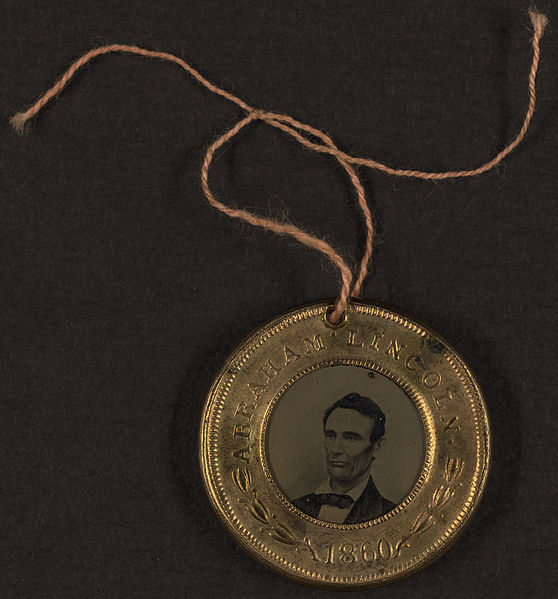
558px-Lincoln_button_1860

Campaign button for the insolent and brutal blackguard


From The New-York Times February 23, 1861:

CHARLESTON, Monday, Feb. 18, 1861. …

During my two weeks’ absence I find there has been a change, both in the hopes and fears of the community. The formation of the Provisional Government at Montgomery relieved the Republic of the necessity of attacking Fort Sumter immediately upon Col. HAYNE’s return, while it has also enabled them to perfect their preparations for that which they all say will be done, — preparations, let me repeat, which are now formidable in the extreme. Their fears spring not from any personal terror, as the North know full well, but they think that the speech of the Northern President elect, at the capital of Indiana, is an ominous threat of what he will do when he seizes the Presidential reins. Following my intention of speaking truthfully as I hear, I am forced to say that the very manner of Mr. LINCOLN’s utterance rendered his words all the more obnoxious. Not daring, as they observe, “to distinctly declare that he would, under all circumstances, attempt to coerce, he sneaks out the idea under the unmanly cover of pretending to assume if the South did so and so, wouldn’t we be authorized to reclaim our own, &c.” That speech has fired up even the most lukewarm here, and the steel now is longing to leap from every scabbard. The Mercury’s correspondent at Washington, fired up at the speech, characterizes the choice of so many Northern men as “the insolent and brutal blackguard, eminently fit to be the head of a vulgar tyranny.” May I suggest that a man who would use such extreme brutality of language is a fit subject to be impaled on his own foul pen?

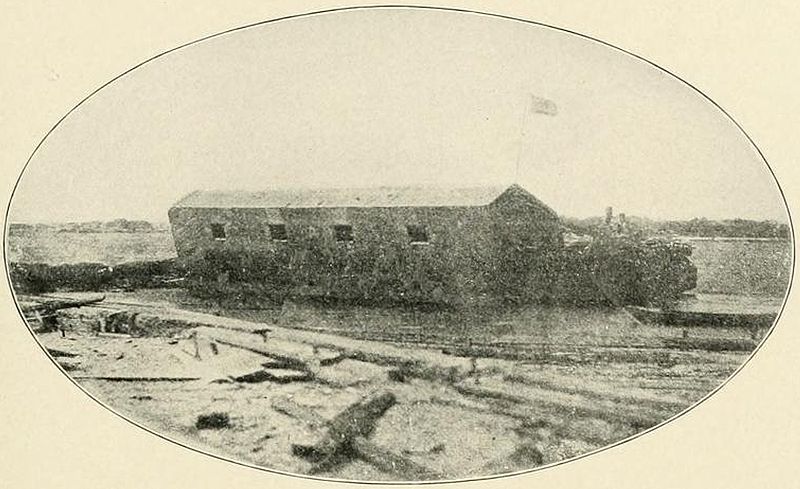
800px-FloatingBatteryofCharlestonHarbor

Floating Battery of Charleston Harbor

I have just returned from a visit to the famous floating-battery or raft, which is now entirely completed, and will be launched at the first favorable tide. There have been so many crude ideas concerning this novel weapon, and such ridiculous ideas concerning its real object, that a genuine and positive statement of its powers and purposes will, of course, be interesting. It may be relied upon, as I had it direct from a leading person employed in the construction of the new military leviathan.

452px-John_G._Foster_-_Brady-Handy

Captain Foster: Floating Battery not very formidable

Your readers will please imagine a huge box, forty-six by eighty feet, pierced for a sufficient number of rifled cannon, and with a roof covered with three thick plates of the best sheet iron, and rendered perfectly bomb-proof. It will draw with the armament and the complement of men — three hundred — only four feet. At a judicious time or turn of the tide, it will be floated down with the aid of two steam-tugs, to a point on the land or inner side of Fort Sumter, distant just six hundred yards. At such a proximity, Major ANDERSON’s guns, they say, cannot be deflected, and thus secure from his terrible columbiads, &c., they will pepper away at the weak part facing Morris and James Island, until they effect an entrance, or, militarily speaking, make a breach. Thus, having him at advantage, with the Cummins’ Point batteries, now immensely strong, shelling him; with Moultrie’s fearful cannonading also, now a terrible customer; with James Island, too, pouring in the iron rain, they think the little band at Sumter will be very like the poor fly that became completely entangled in the meshes of the spider. It is my deliberate impression that, with the extraordinary activity that has been displayed since I left my labors, that Major ANDERSON will be annihilated utterly when they do commence. …

You can read the entire article at the New York Times Archive. The correspondent sure is opinionated. He has some derogatory things to say about Floridians for some reason.

Baptists and the American Civil War quotes the Charleston Mercury’s take on Lincoln’s Indianapolis speech.

Captain John G. Foster, an engineer in the U.S. Army, thought the Floating Battery could “… be destroyed by our fire before it has time to do much damage…”

Posted in 150 Years Ago This Week, Secession and the Interregnum | Tagged , , , , , | Leave a comment

National Salute at Early Sunrise

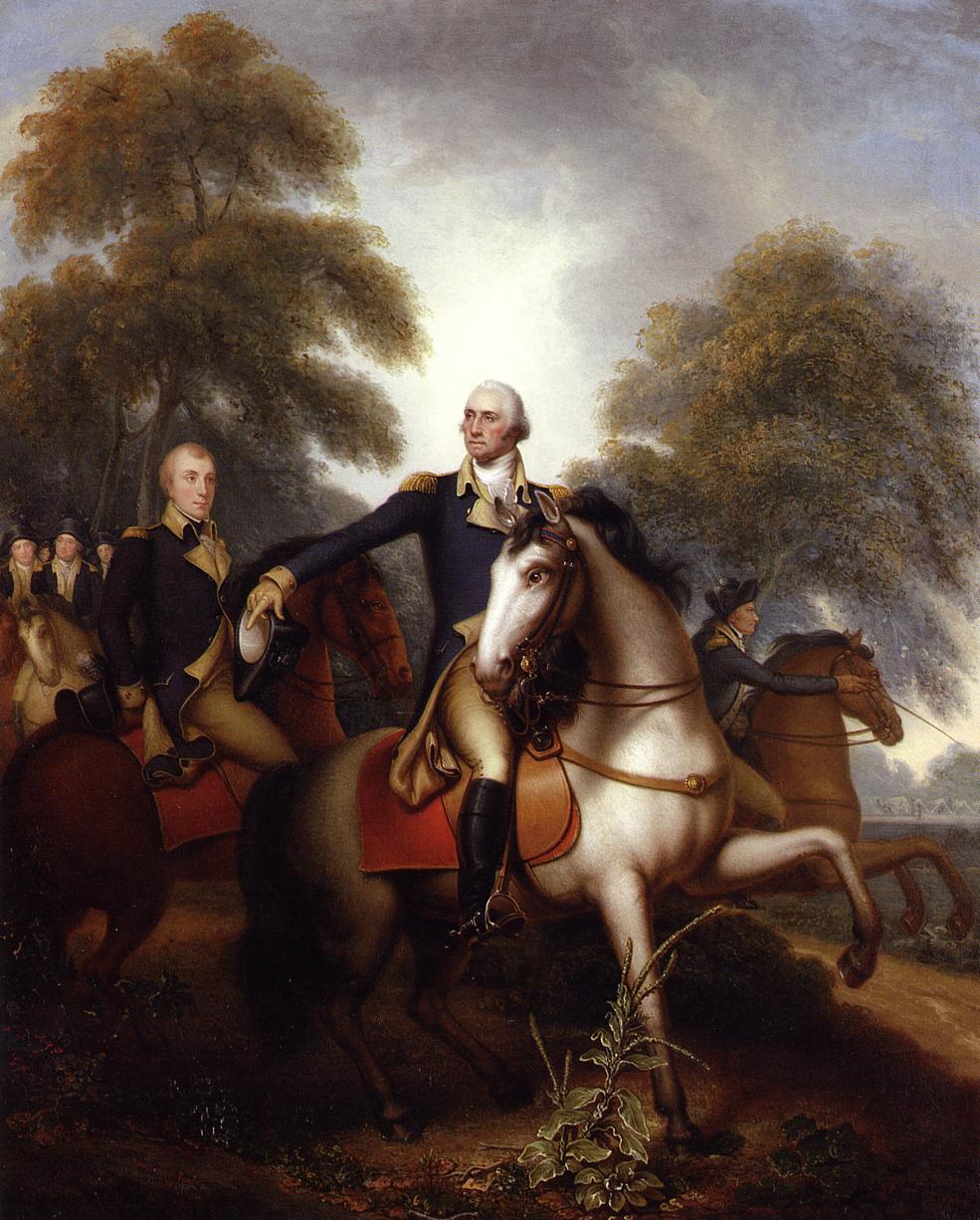
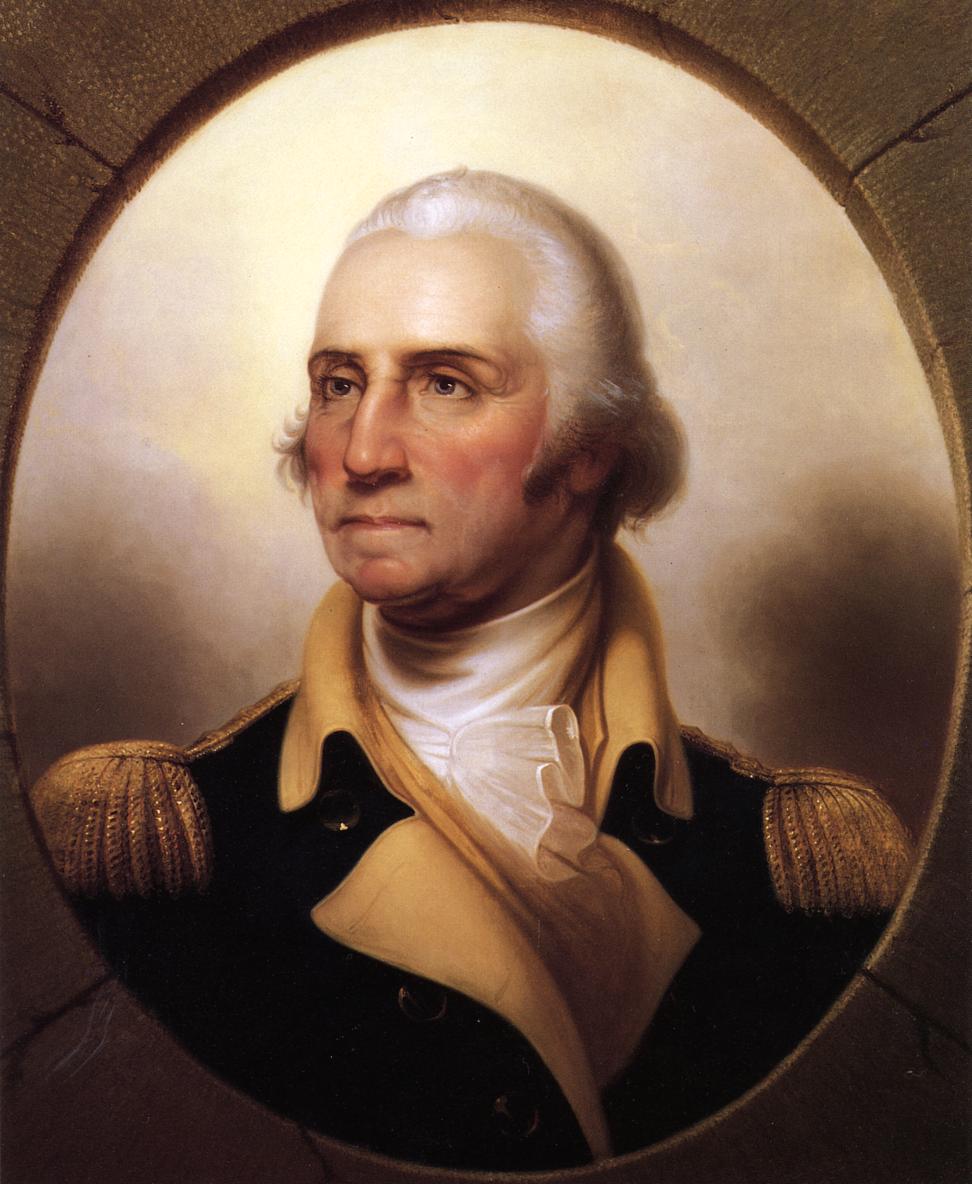
Washington_Before_Yorktown_Rembrandt_Peale_1823

Patriotic and Immortal: Washington Before Yorktown (painting by Rembrandt Peale)

From The Courier Seneca Falls, NY February 22, 1861:

Honor to Washington

This (Friday) morning at early sunrise, the Zouave Cadets fired a national salute, in honor of the day which gave birth to the patriotic and immortal Washington. The first gun was a signal for the bells, whose iron tongues quickly responded in joyous utterance of approval of the sentiments of love and veneration which animated every American heart, and which the recurrence of this day will ever awaken so long as this confederacy exists, the proud achievement of the renowned and illustrious dead. Washington though dead still lives and speaks through the American heart. The parade at 2 o’clock was a very fine affair, and the ball this evening at Union Hall will undoubtedly be a scene of social, and joyous animation.

In addition to the ball there was also supposed to be an Exhibition Drill by the Zouave Cadets.

____________________________________

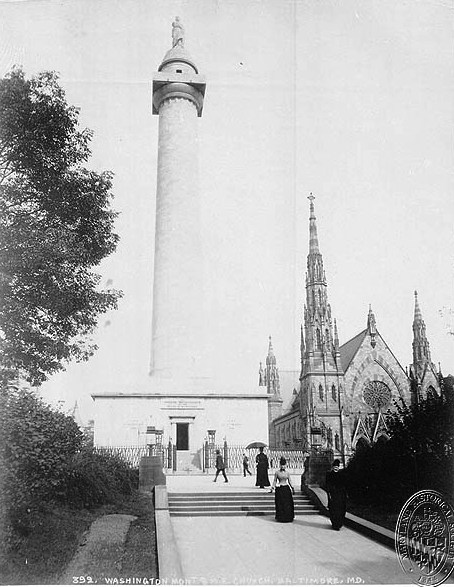
Washington_Monument,_1890_1a

Baltimore's Washington Monument: decorated with evergreens and brilliant flowers (completed 1829;photo 1890)

Throughout the nation(s) there were celebrations in honor of Washington’s birthday. I did not see too much about the Deep South in The New-York Times, but you can read about events in Charleston at Disunion. There was information about the two slaves states that surrounded the United States capital, Washington’s namesake. From The New-York Times February 23, 1861:

IN RICHMOND.

RICHMOND Va., Friday, Feb. 22.

The anniversary of WASHINGTON’s birthday was celebrated here with much pomp, the day being observed as a general holiday. A full national salute was fired, the military paraded, and the American flag was displayed abundantly.

IN BALTIMORE.

BALTIMORE, Friday, Feb. 22.

The day was generally kept as a holiday. At the Washington monument the American flag was hoisted at daylight from the doorway and large vases were placed at the base decorated with evergreens and brilliant flowers. A band of music was in attendance. The military paraded, and the streets were thronged with people.

So at least some people in Richmond are still flying the American flag. I think it’s interesting that the Civil War Daily Gazette noted that as Lincoln was traveling through Baltimore the night following Washington ‘s birthday crowds were “singing rebel anthems and a spirit of secession filled the air”. furthermore, Richmond was hosting the Virginia secession convention and as Seven Score and Ten reported there was plenty of secessionist sentiment there. Maryland and Virginia are still in play and, unsurprisingly, there seems to be opinion on both sides of the Union/Secession question.

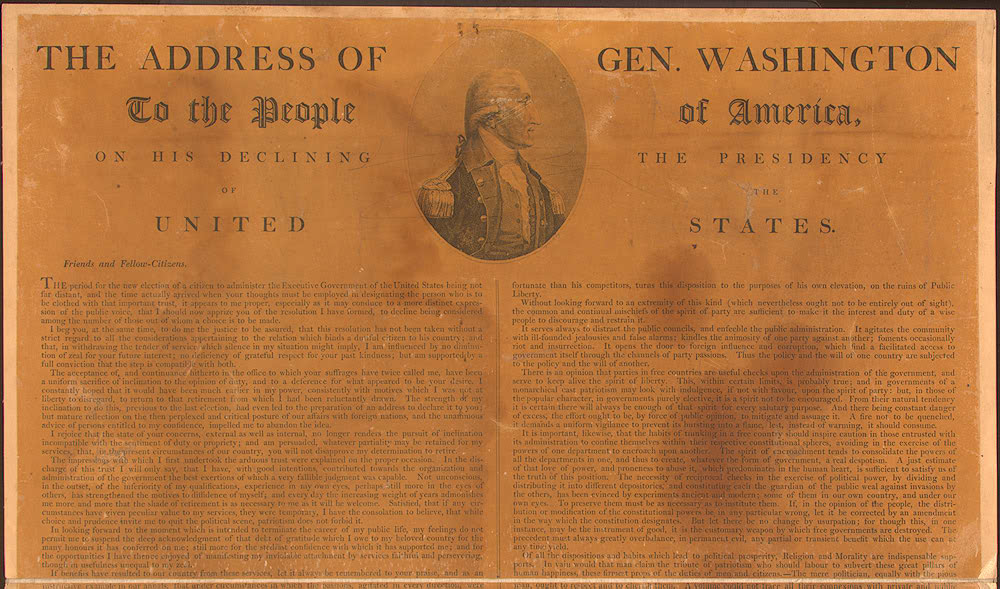
Washington_Farewell_Broadside

A toast to the Farewell Address: A noble lesson of wisdom and patriotism now, unhappily, too rarely studied and too little heeded.

Of course, New York City had many celebrations (New York Times Archive). There was a dinner at the Astor House for 150 prominent New York City Republicans:

Over the President’s chair was a portrait of WASHINGTON, and over that the words. “Union, now and forever, one and inseparable,” and at the opposite end of the apartment was a miniature Fort Sumter, with the American banner on its flag-staff.

It was quite a party – there were thirteen toasts, including one to Washington’s Farewell Address.

After the sixth toast the miniature Fort Sumter fired a salute of 34 guns, creating great amusement first, and then calling forth vociferous cheering.

_________________________

Also in NY City (The New-York Times February 22, 1861):

The second annual reception of the Eighth Regiment, Washington Grays, will take place in the evening, at the armory of the corps. The splendid portrait of WASHINGTON, by REMBRANDT PEALE, will be formally presented to the Seventh Regiment, at its armory, in the evening.


RPeale-Crop

Rembrandt Peale (you can see some self-portraits at his Wikipedia entry)

Portrait_of_George_Washington

The Birthday Man (portrait by Rembrandt Peale)


_______________________

1) I knew there were Zouave outfits that served in the Civil War. I did not know there were apparently Zouave groups in towns all around the country before the war. I think Zouaves from Seneca Falls served in other units during the war. More information about Zouaves in general can be found at at Duryee’s Zouaves

2) You can read more about Rembrandt Peale and see more of his work at Wikipedia.

3) Since 1862 The United States Senate has annually read the Farewell Address on Washington’s Birthday. Andrew Johnson introduced the petition in 1862. 02-22-2012: The reading in the senate did not become an annual event until it was read again in 1888.

4) I’ve read and heard how symbolically important Fort Sumter was during these months 150 years ago. It sure seems important to the New York Republicans as they propose their 13 toasts and listen to the 34 shots from the miniature.

Posted in 150 Years Ago This Week, Secession and the Interregnum | Tagged , | Leave a comment

Ensconsed at the Astor House

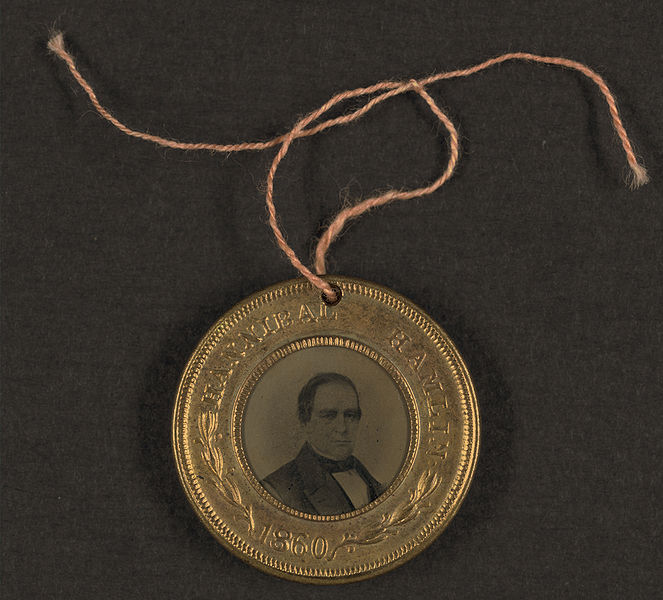
663px-Hamlin_button_1860

From the 1860 election - of course, Lincoln is on the other side.

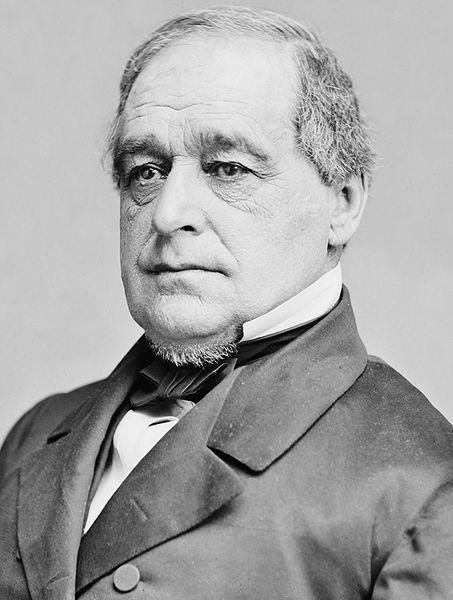
As the Civil War Daily Gazette has reported Vice President Elect Hannibal Hamlin and his wife finally made it to New York City where Hamlin pinch-hit for Lincoln by giving a quick speech from a window at the Astor House (New York Times Archive).

Apparently Mr. Hamlin is still kind of hard to keep track of (The New-York Times February 22, 1861):

MOVEMENTS OF THE VICE PRESIDENT ELECT.

The Vice-President-elect remained at the Astor House yesterday, and was visited by a number of personal friends. It was erroneously supposed that Mr. HAMLIN would accompany the Presidential party, and repeated calls were made for him at the Jersey City Depot. He remained, however, in the City, and will leave for Washington to day — probably overtaking Mr. LINCOLN en route. Immediately after the departure of Mr. LINCOLN, Mr. HAMLIN was ensconced in parlors Nos. 39 and 41. Among others who called were Col. FREMONT and THURLOW WEED.

Thurlow-weedHarpers

Thurlow Weed

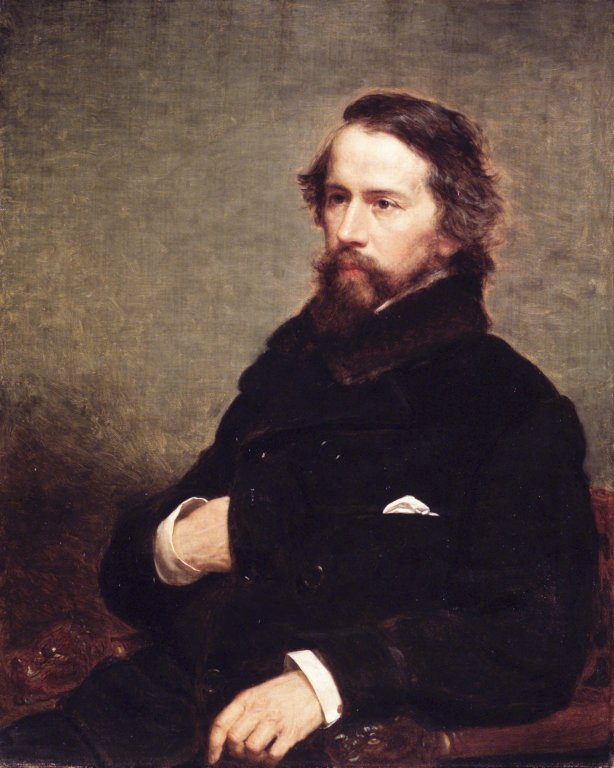
Brooklyn_Museum_-_General_John_Charles_Frémont_-_Charles_Loring

John C. Fremont (painting by Charles Loring Elliott)

_______________________________

I’m glad the Hamlins made it to Manhattan; I can’t blame them for wanting to stay at the Astor House for another night after whatever happened up in Connecticut.

Thurlow Weed was a New York political boss who supported William Seward for the 1860 Republican presidential nomination.

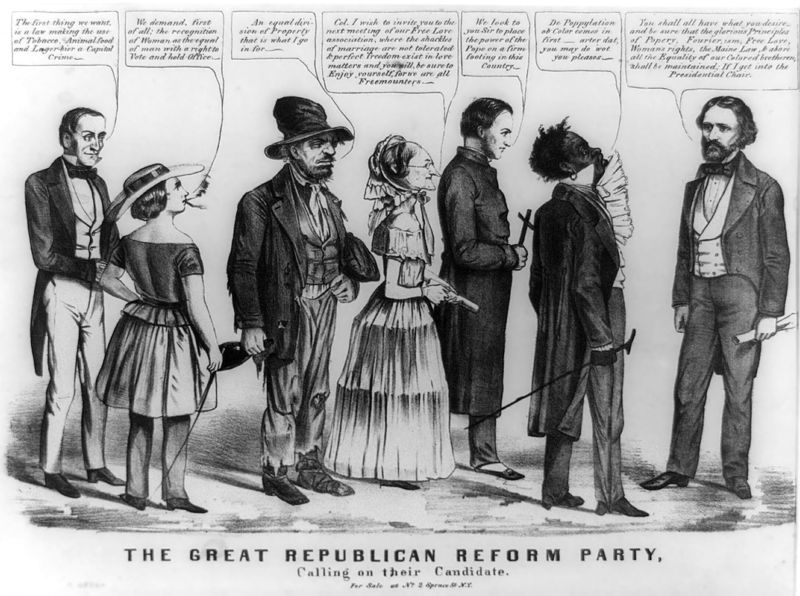
In 1856 John C. Frémont defeated Seward to become the first Republican presidential candidate. He lost to James Buchanan by 60 electoral votes.

800px-1856-Republican-party-Fremont-isms-caricature

Fremont meets his supporters - 1856 political cartoon

The above political cartoon from the 1856 shows Fremont meeting a group of unsavory supporters representing groups that many Americans would have feared. You can read what each character is saying at Wikipedia. The woman with the long and pointed nose and chin says:

“Col., I wish to invite you to the next meeting of our Free Love association, where the shackles of marriage are not tolerated, & perfect Freedom exists in love matters, and you will be sure to enjoy yourself, for we are all Freemounters.”

I guess I shouldn’t have been so surprised that Lincoln alluded to free love during his Indianapolis speech.

Naturally, there is a caricature of a black man. Four years later Lincoln was labeled a “Black Republican” but managed to win because the Democrat party split and the Republicans won practically all the North. Lincoln was able to pick up Illinois, Indiana, Pennsylvania, and all the new northern states.

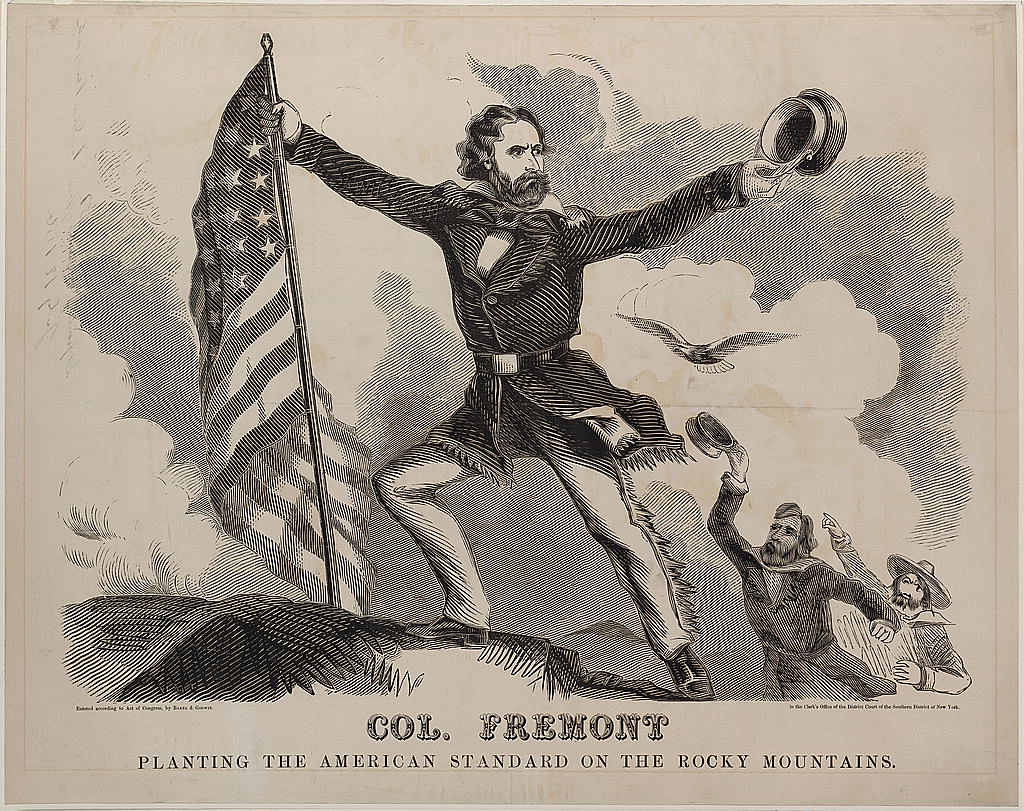
Here’s a positive take on Fremont, presumably from the Republican propaganda machine:

Election_poster_for_John_C._Fremont_(1856)

The heroic Pathfinder - 1856 election poster

After missing the train at Windsor Locks Mr. Hamlin probably is glad to talk with “The Pathfinder”

OK. Enough about the Mystery of Windsor Locks. I know I’m beating a dead horse, or as Robert Ward Johnson would say, singing psalms to a dead horse (New York Times Archive)

RWJohnson-portrait

Senator Johnson from Arkansas: Stop singing psalms to dead horses

Posted in 150 Years Ago This Week, Secession and the Interregnum | Tagged , , , , , | Leave a comment

Hampden to D.C. – an Odyssey?

453px-Hannibal_Hamlin,_photo_portrait_seated,_c1860-65-retouched-crop

Vice President Elect: mistakes Windsor Locks for New York?

Windsor Locks, Connecticut: “Hannibal Hamlin (Presumably) Slept Here!”

Lincoln and his entourage are greeting the throngs of people who are welcoming him at every stop. Hannibal Hamlin, Lincoln’s Vice President has to get to Washington, too.

From The New-York Times February 19, 1861:

PROGRESS OF THE VICE-PRESIDENT ELECT TOWARDS WASHINGTON.

BANGOR, Me., Monday, Feb. 18.

Vice-President HAMLIN and lady left here this morning on route for Washington. He will arrive at Boston this evening, and leave for the West to-morrow morning. He was escorted from Hampden to our city by a large-number of his fellow-townsmen, and was received here by the Mayor and Ex-Mayors of this city, and an immense procession of citizens, in single and double sleighs, escorted the party to the Railroad station. Notwithstanding the early hour this morning, Mr. HAMLIN was received with enthusiastic cheers and the warm greetings and affectionate farewell of thousands of his fellow-citizens. In reply to a brief address by C.S. CROSBY, Esq., Mr. HAMLIN made a few remarks, and as the train was starting, in the course of his remarks, he said:

“I go to the discharge of the official duties which have been conferred upon me by a generous people, and relying upon Divine Providence, I trust, that confidence shall never be betrayed. I know full well that dark clouds are lowering around the political horizon, and that madness rules the hour, but I am hopeful still that our people are not only loyal to the Government, but that they are fraternal to all its citizens. And when in practice it shall be demonstrated that the Constitutional rights of all the States will be respected and maintained by following the paths illumined by WASHINGTON, JEFFERSON and MADISON may we not reasonably hope and expect that quiet will be restored, and the whole country will still advance in a career which will elevate man in a social, moral and intellectual condition.”

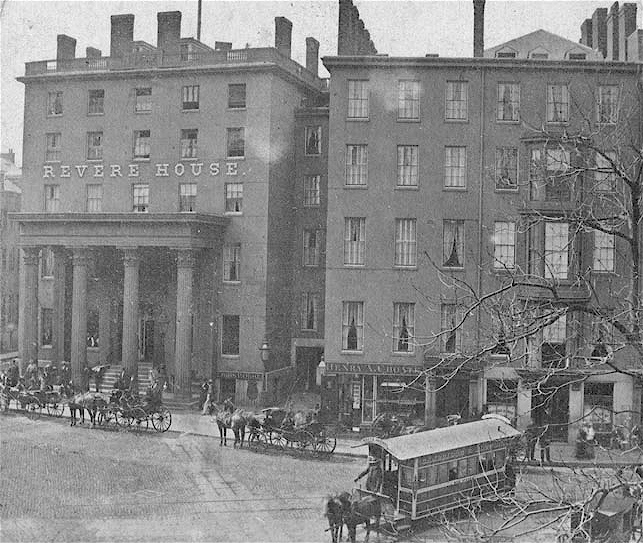
2350761079_RevereHotel_Boston

First night's stay on trip to Washington, D.C.

BOSTON, Monday, Feb. 18.

Hon. HANNIBAL HAMLIN, with Mrs. HAMLIN, arrived here by the eastern cars this evening, at 7:30. But few people were at the depot. They at once proceeded to the Revere House, where they remain tonight. Mr. HAMLIN will leave for New York, via Worcester, to-morrow, at 8:30 A.M.

The next day: The New-York Times February 20, 1861:

MOVEMENTS OF THE VICE PRESIDENT

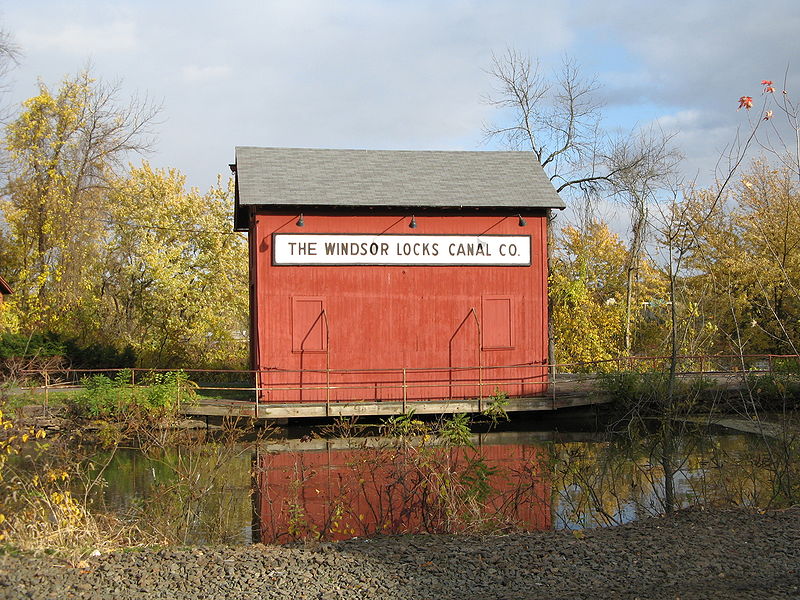
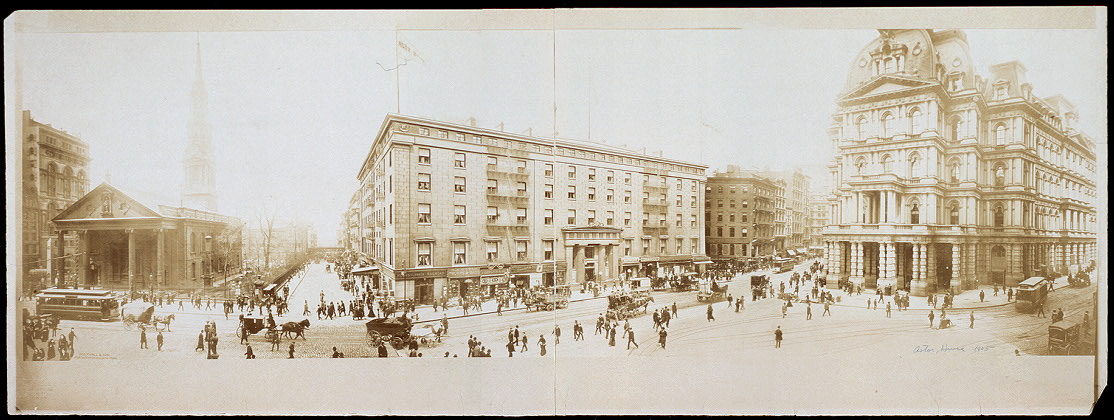
Hon. HANNIBAL HAMLIN, the Vice-President elect, left Boston yesterday morning, and was expected to arrive in this City on the 4 1/2 P.M. train, but for some reason, not yet explained, he got off the train at a place called Windsor Locks, between Springfield and Hartford, where he will stop until the arrival of the Boston express-train to-day, when he will continue his journey to New York, arriving here at 4 3/4 o’clock. A Committee, representing the City Wide-Awakes and the Rocky Mountain Club of Kings County, were in waiting at the New-Haven Railroad depot yesterday to escort Mr. HAMLIN to the Astor House, but on the arrival of the train, they were informed, much to their disappointment, that the Vice-President elect was not on board.

800px-Windsor_Locks_Canal_Company_by_Elias_Friedman

Windsor Locks Canal Co. on the Enfield Canal: Vice-Presidential inspection, ...siren song?

Astor-loc

Astor House: Where is Mr. Hamlin? (photo 1905)

The people of Hampden and Bangor see off their native son with a large procession of sleighs through the Maine snow to the railroad station. When the Hamlins get to Boston almost no one is there to greet them. Not to worry. The New York City Wide-awakes will welcome them to Manhattan – -as long as the Hamlins catch the next Express through Windsor Locks.

Hannibal Hamlin was originally a Democrat. He was a prominent opponent of slavery. In 1861 he joined the Republican party.

Bangor, Maine “was a center of anti-slavery politics in the years before the American Civil War, partly due to the influence of the Bangor Theological Seminary.”

Posted in 150 Years Ago This Week, Secession and the Interregnum | Tagged , , | 1 Comment

Albany: “We will pray for you”

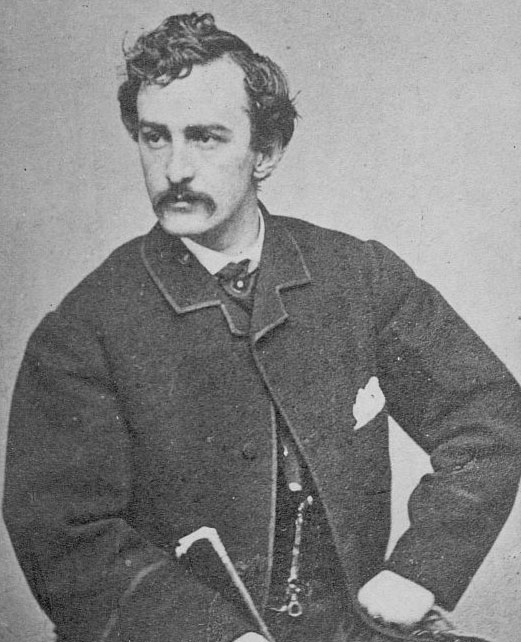
And John Wilkes Booth Was There

John_Wilkes_Booth-portrait

Booth: watches Lincoln pass before playing in The Apostate

On February 18, 1861 Abraham Lincoln traveled from Buffalo to Albany, New York on his way to Washington, D.C. for his inauguration on March 4th. The train stopped at many points on the route. The grind continued for Lincoln. The New York Times Archive has thorough details here and here.

Here’s a bit from the reception in Albany, New York State’s capital (The New-York Times February 19, 1861):

Mr. LINCOLN, who appeared pale and worn, replied, in a low but steady voice, as follows:

MR. MAYOR: I can hardly appropriate to myself the flattering terms in which you communicate the tender of this reception, as personal to myself. I most gratefully accept the hospitalities tendered to me, and will not detain you or the audience with any extended remarks at this time. I presume that in the two or three courses through which I shall have to go, I shall have to repeat somewhat, and I will therefore only repeat to you my thanks for this kind reception.

At the close of his brief remarks, the party proceeded at once to the carriages, which took their way down Broadway, and up State-street to the Capitol. The whole route was densely crowded with citizens, and the windows of the houses were filled with ladies, while carriages, crowded with ladies, lined each side of the road. Many residences displayed flags in profusion, and across Broadway was hung a strip of canvas, bearing the inscriptions: “Welcome to the Capital of the Empire State;” “No more Compromises.” From the windows of the Young Men’s Association building on State-street was displayed a banner with the words “We will pray for you, the defender of the Constitution as it is.”

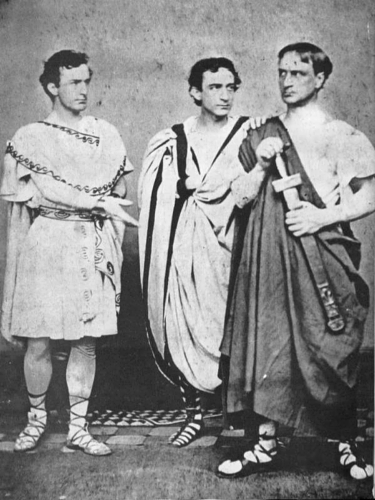
Booths_Caesar

Acting Family: JW (on left) with brothers

On the same night that Lincoln stayed in Albany John Wilkes Booth was playing Pescara in The Apostate at the Gayety Theater. Wilkes Booth was staying at Stanwix Hall three blocks from the Delavan House, where Lincoln and his entourage spent the night. I first became aware of this from O Albany! by William Kennedy. According to Kennedy (page 69), Wilkes Booth watched the President-elect pass Stanwix Hall. The actor was cautioned by others in the crowd, presumably, for making hostile remarks about Lincoln.

You can see an advertisement for John Wilkes Booth’s February 18th performance here. As an actor, Wilkes Booth sure does get around – he attended John Brown’s hanging.

Posted in 150 Years Ago This Week, Secession and the Interregnum | Tagged , , | Leave a comment

Hunger in Xenia

497px-William_Dennison,_Jr

Governor Dennison greets Lincoln in Columbus - and feeds him!

150 years ago today President-elect Abraham Lincoln was already in Buffalo, New York enjoying a sabbath day rest (Civil War Daily Gazette). On February 18, 1861 The New-York Times published a report by HOWARD, its Special Correspondent detailing Lincoln’s trip from Cincinnati to Columbus on February 13th. Here’s some excerpts:

The Trip from Cincinnati to Columbus Incidents and Accidents on the Way Arrival and Scenes at the Capital of Ohio Speeches Dinner How the Trip affects Him.

From Our Special Correspondent.

AMERICAN HOUSE

COLUMBUS, Ohio, Wednesday, Feb. 13, 1861. …

The departure from Cincinnati this morning was accompanied with very little ceremony. At a few moments before 9 o’clock, Mr. LINCOLN, with his family, drove to the depot, where there were gathered a great many people, who were desirous of catching one more glimpse of his peculiar physiognomy. As he stood on the platform, with his head bared, I was startled by the careworn, anxious look he wore. His forehead and face are actually seamed with deep-set furrows and wrinkles, such as no man of his years should have. For his own sake, it is to be regretted that this excursion is being made. His original plan, which was to proceed directly and quietly to Washington, was much better, and it was with great reluctance that he acceded to the desires of his friends, who are now thoughtlessly and foolishly wearying him, and wearing the life out of him by inches. When receiving his friends, shaking them by the hand, and excited by conversation, his eye is light, and his countenance cheerful, but when standing, as he frequently does upon the rear platform of his car, listening to a prosy address, or shuddering at the brazen efforts of some country band, his eye is dull, his complexion dark, his mouth compressed and his whole appearance indicates excessive weariness, listlessness and indifference. As he goes from place to place, local dignitaries, petty officials, and patriotic committees decked with ribbons, rosettes and badges poster and bore him, while the populace, regardless of decency, and thoughtful only for their self-gratification continually do cry, “Hurrah for Old Abe,” “Let’s grab his hand, “Bully for you,” and “Go it old horse.” No one can for a moment mistake the animus of all this parade and fussation. It is evidently an honest and sincere desire on the part of the people and the people’s representatives, to show their future President all the honorable attention in their power; to surround him with tried and trustworthy friends, and to assure him of their love and admiration, their support and sympathy. As such, Mr. LINCOLN submits with pleasure to the infliction, but it is a terrible ordeal through which to pass, when bound as he is not to a place of rest and easeful quiet, but to a scene of discord, trouble and possible danger.
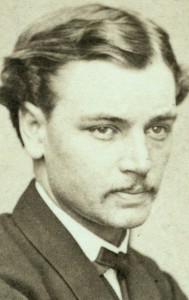
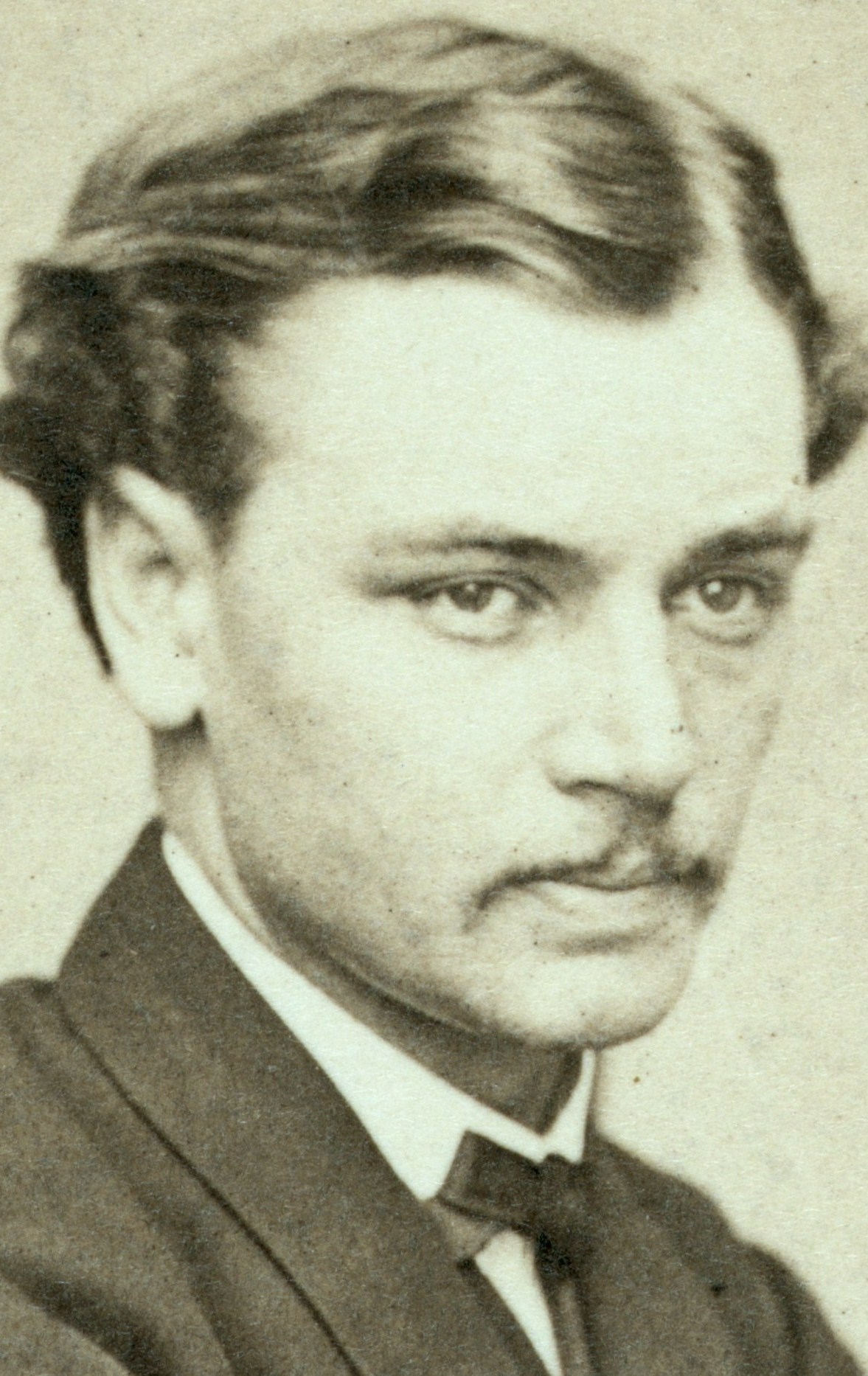
Robt-T-Lincoln-ca-1865

Robert T. Lincoln: stoically smokes pipe in face of Xenian hunger (photo ca. 1865)

Traveling, as does the Presidential party, only in the day-time, is not very fatiguing in itself considered, but when one is obliged to pop up at every station, go upon the platform, hear a tedious speech, make a pertinent answer, smile, bow, be pleased and eminently gratified, it’s quite, another affair. To-day, on the trip hither from Cincinnati, we made half-a-dozen stoppages. The principal ones were Morrow, Xenia and London, at all of which there were immense concourses of people, all anxious to see and hear the form and voice of the President elect. At Xenia they were really crazy. They jumped upon the car-roof, climbed in at the windows, attempted to force the doors and storm the platform. It was about 1 o’clock when we reached that point, and as we had breakfasted quite early in the morning, the anticipated and promised lunch was regarded most favorably by the several eyes of faith, and the various unemployed digesting apparatuses that float and uncomfortably moved from car to car most restlessly. Imagine the feelings of the President elect, of all the corporals, of the high and mighties, of the four reporters and the untitled hangers-on, when it was announced by the Chairman of the gastronomic department that a lunch, varied and extensive in its dainties, had been prepared, had been left on the table in the depot, and had been devoured by the voracious and Democratic crowd, who now, with well-filled paunches, with broad and buttery hands, and with the most comfortable abdominal sensations, were clamoring for a third speech from their dear old Rail-Splitter. Mr. ROBERT T. LINCOLN, familiarly styled, in the Herald correspondence. “Bob,” as he also is by all who are intimate with the Presidential family, was philosophical in the extreme — for, pulling from his pocket a meerschaum, colored as only college boys can color pipes, he proceeded, with the stoicism of an aboriginal Indian, the pertinacity of a Scotch creditor, and the success of a Yankee fisherman, to puff, puff, puff, until enclouded in the savoring vapor, he was lost to view. The paternal LINCOLN, to be sure, said nothing: but these is little doubt that he felt hungry all the more: the various Colonels, Generals, Captains and Honorables walked up and down, up and down, the Committeemen blushed, explained, apologized and felt very warm, while the correspondents aforesaid rolled themselves up in their overcoats and shawls, and in sweet sleep, lost all conciousness of trouble, and dreamed only of the dinner yet to come. …

The reception at Columbus was worthy of the occasion…

[At the state capitol] Lieutenant-Governor KIRK had the honor of welcoming Mr. LINCOLN, and may congratulate himself upon having drawn from the lips of the wary Illinoisian, a speech which, for kindly sentiment, and for cheering import, has not been equaled in many a day, and which, ere this, sent as it bas been, by the lightning wire, into all parts of the country, has gladdened the hearts of patriots, and set at rest the fears of statesmen. After the speech, he went upon the left extreme of the western steps, from which point he commanded a clear view of the largest and finest appearing assemblage he has seen during his present tour. He unanimous was the greeting, and so enthusiastic the shouting, that for a moment the inner man triumphed, and Mr. LINCOLN was visibly moved to tears. He again addressed the crowd, and though his speech was short, it was telling and to the point, so that at every sentence, cheer after cheer rent the very air.

The same assemblage undaunted by the mud upon the streets, followed the carriage which conveyed him to the Governor’s private residence, where with the family of Mr. DENNISON and his immediate circle, Mr. LINCOLN dined and subsequently rested prior to the ovation of the evening.

At eight this evening a tide of joyous people from all neighborhoods hereabouts flowed toward the gubernatorial mansion. Invitations were liberally extended, and with pleasure accepted — so that, accustomed as the hospitable Governor is to a crowded house, he must have been astonished at the thronging multitude which took possession of his home to-night. …

You can read the entire article at The New York Times Archive

Lincoln is starting to show his “deep-set furrows and wrinkles” during the ordeal just getting to Washington. The rabid and ravenous crowd in Xenia devour his lunch. And yet a tear comes to his eye when he sees the immense throng in Columbus.

William Dennison, Jr. refused to comply with the Fugitive Slave Act during the time he was governor. He served as Postmaster General from 1864-1866.

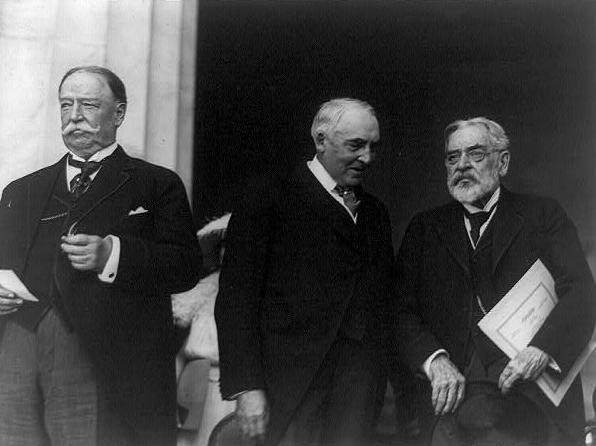
As you can see Robert Todd Lincoln (1843-1926) attended the dedication of the Lincoln Memorial in 1922.
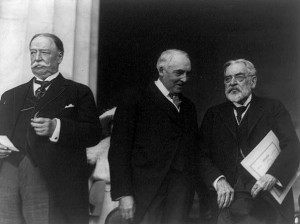
Taft-Harding-Lincoln

At dedication of the Lincoln Memorial: Taft, Harding, and Robert Todd
Posted in 150 Years Ago This Week, Secession and the Interregnum | Tagged , , , , | Leave a comment

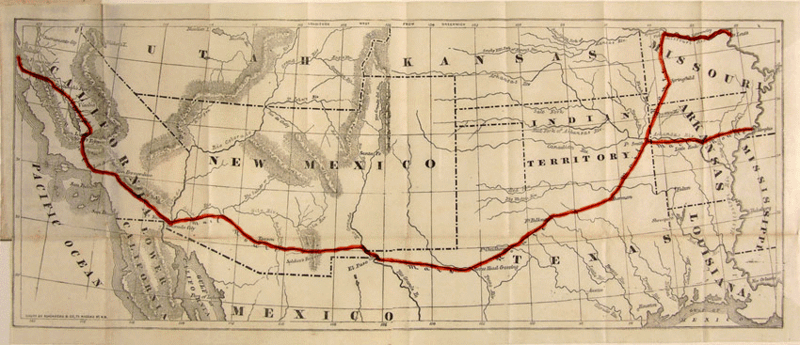
Tex-Arkana

Twiggs Surrenders Federal Arsenal in San Antonio

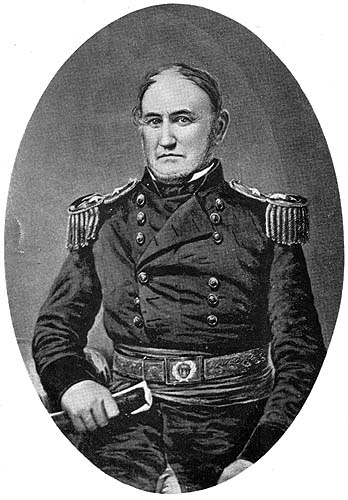
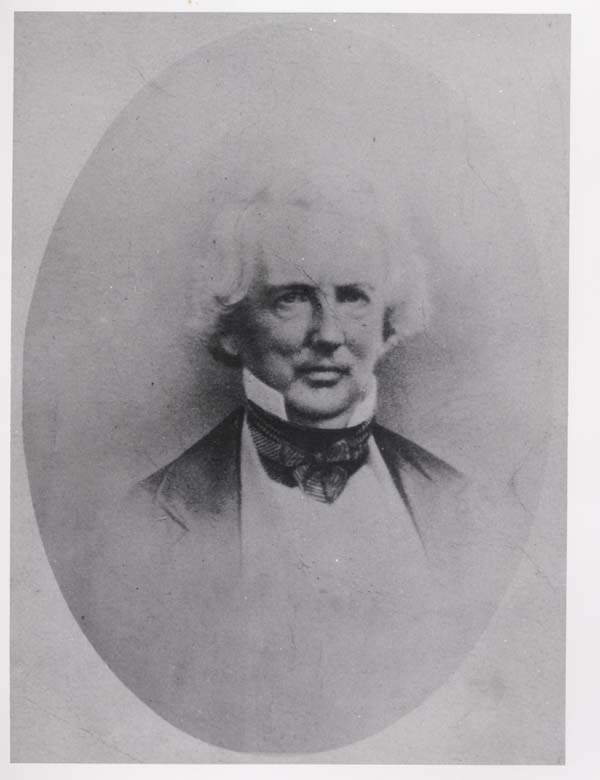
David_E._Twiggs

David E. Twiggs - soon changing uniforms

I’m a little confused about the dates, but according to the Texas State Historical Association General David E. Twiggs surrendered the San Antonio arsenal to Ben McCulloch on February 16, 1861:

When secession came to Texas, McCulloch was commissioned a colonel and authorized to demand the surrender of all federal posts in the Military District of Texas. After a bloodless confrontation at the Alamo on February 16, 1861, General Twiggs turned over to McCulloch the federal arsenal and all other United States property in San Antonio. On May 11, 1861, Jefferson Davis appointed McCulloch a brigadier general, the second-ranking brigadier general in the Confederate Army and the first general-grade officer to be commissioned from the civilian community.

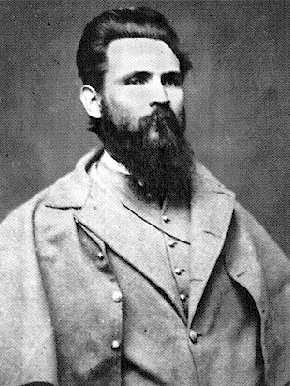
McCullochBenjamin

Ben McCulloch helps obtain $1.3 million in federal property (uncoercively?)

Here’s more detail from the article about Twiggs at the Texas State Historical Association:

McCulloch posted his men on the surrounding rooftops so as to command the buildings occupied by federal troops and picketed Twiggs’s quarters, a mile outside of town, to prevent the federal commander from communicating with his forces in San Antonio. Near 7:00 A.M., McCulloch demanded the surrender of the troops in San Antonio. Without firing a shot, they capitulated. In the meantime, Twiggs was placed under arrest and escorted into San Antonio. There the commissioners required him “to deliver up all military posts and public property held by or under [his] control.” Although willing enough to surrender the other public property, Twiggs repeatedly assured Maverick and his fellow commissioners Thomas Jefferson Devine and Philip Noland Luckettqqv that “he would die before he would permit his men to be disgraced by a surrender of their arms.” Wishing to avoid a bloody confrontation, the commissioners were willing to compromise on that issue. After “a stormy conference between the department commander and the commissioners,” Twiggs agreed that the 160 United States soldiers in San Antonio would surrender all public property, an inventory estimated at $1.3 million in value. Twiggs and the commissioners further agreed that all forts in Texas would be turned over to Texas state troops, and their garrisons were to march from Texas by way of the coast.

Gunfight in Fort Smith

This doesn’t relate to the Civil War too much, but once again my reaction was, “This stuff really happened.” From The New-York Times February 17, 1861:

Terrible Tragedy at Fort Smith, Ark.; SHOOTING AFFRAY AND ATTEMPT TO LYNCH.

FORT SMITH, Saturday, Feb. 15.

A terrible tragedy occurred in this city last night. A party of five Overland Mail and Little Rock coach-drivers entered the grocery of a German named HAGGE, and commenced quarreling. Pistols were drawn on both sides. The bar-keeper, named BUTCHER, was shot through the heart, and died instantly; HAGGE received a shot in the forehead, and died at 8 o’clock this morning.

Three of the drivers, GEORGE BENNETT, MATT ELLIS and PONY FARMER, are under arrest, and guarded by a company of military. The other two escaped. Intense excitement exists among the citizens. The prisoners are now undergoing an examination before the Mayor. They will undoubtedly be hanged to-day.

FORT SMITH, Saturday, Feb. 16.

As the trial of the prisoners for the murder of HAGGE and BUTCHER was drawing to a close yesterday, a mob entered the Justice’s office and demanded the prisoners for the purpose of lynching them. One of the prisoners, named PONY FARMER, broke from custody and attempted to escape. He was immediately fired upon and instantly killed. The crowd then secured the remaining prisoners and made for a place of execution, but before they could carry out their designs the authorities interfered and secured the prisoners, and lodged them in Greenwood jail. The excitement in regard to the affair still continues and is intense.

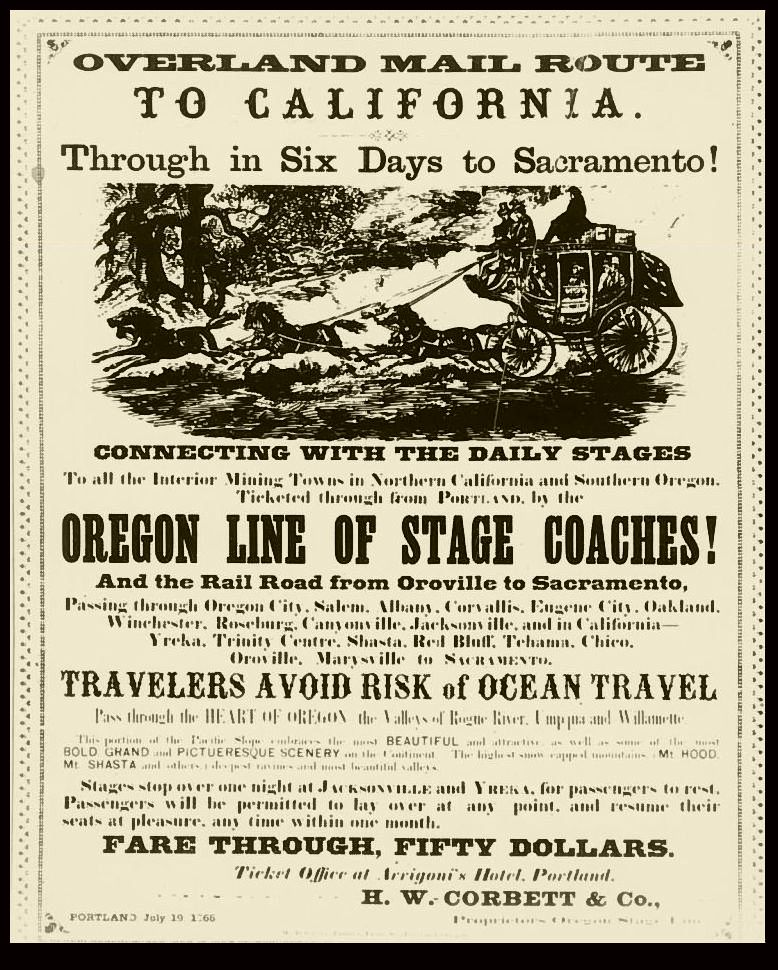
Overland2

Much safer than ocean travel - depends on who your driver is, apparently

800px-Butterfield-Overland

The route

David E. Twiggs fought for the United States in the War of 1812 and the Mexican War. He’d soon be a Confederate general.

Benjamin McCulloch was a friend of Davy Crockett and later a Texas Ranger. He also would become a Confederate general.

According to Wikipedia Fort Smith’s nickname is “Hell on the Border”. It’s motto: “Life’s worth living in Fort Smith, Arkansas”

Based on the route I’m assuming the Overland Mail in the story is the Butterfield Overland Mail

According to Arkansas in the Civil War:

Accounts of the [Fort Smith gunfight] were carried in newspapers across both the Union and Confederacy, interrupting temporarily the drums of war being beaten by newspaper editors North and South.

Posted in 150 Years Ago This Week, Secession and the Interregnum | Tagged , , , , , | 1 Comment

South and Souther

Janney

John Janney

The Wise Constant: Keep Stirring Things UP

The February 16, 1861 issue of The New-York Times reported some news from the Virginia Secession Convention, John Janney presiding:

IMPORTANT FROM RICHMOND.; PROCEEDINGS OF THE VIRCINIA STATE CONVENTION. A DISCLAIMER FROM GOV. WISE.

RICHMOND, Friday, Feb. 15.

In the Virginia Convention, the Southern Commissioners were invited to-day to address the Convention on Monday. …

Alexander_Hugh_Holmes_Stuart

A.H.H. Stuart - I am innocent, ex-Governor Wise!

Mr. WISE brought to the notice of the Convention, Mr. STUART’S resolution in the Senate, relative to rash, ill-advised persons contemplating an invasion of Washington. He vindicated himself from such motive, and asked Mr. STUART to explain his resolution.

Mr. STUART disclaimed the remotest reference to Mr. WISE in this resolution.

Mr. WISE then read a letter from two citizens of Staunton, detailing a conversation with Mr. STUART, who had assured them that one object contemplated in the Convention was to remove Gov. LETCHER and put Mr. WISE in his place, and that WISE was aware of it.

Mr. STUART replied he had only mentioned it as a common-place rumor, attaching no importance to it.

Mr. WISE emphatically denied any knowledge of such an extraordinary project till he received that letter. In closing his speech, Mr. WISE said if the Commonwealth ever submits to Black Republican rule, he would turn from her and beg some sister Commonwealth to come and save the mother.

The galleries applauded, and a proposition was made to clear them, but was withdrawn.

Texas Starts Arriving in Montgomery

From the Confederacy Convention in Montgomery, Alabama (The New-York Times February 16, 1861):

IMPORTANT FROM MONTGOMERY.; PROCEEDINGS OF THE SOUTHERN CONVENTION.THE U.S. REVENUE LAWS AND OFFICERS CONTINUED, ETC.

MONTGOMERY, Friday, Feb. 15.

Congress has appointed a Committee of Six to make suitable arrangements for the reception and inauguration on Monday next, which takes place at 1 o’clock that day.

The Chairman stated that he had received a communication relative to the purchase of vessels for the Provisional Government. Referred.

Mr. FEARN presented a letter relative to a new projectile, which has been approved by scientific military men. Referred.

An official copy of the Texas Ordinance of Secession was presented, with the credentials of the Deputies, only one of whom has arrived.

John_Gregg

John Gregg: Seccessionist Greetings from the Austin convention

Objection was made to its reception on the ground that the ordinance was not yet ratified.

The Delegate present, Mr. GREGG, was invited to a seat in the Convention.

The Congress then went into secret session, during which an act was passed to continue in office the officers connected with the collection of the customs at the time of the adoption of the Constitution of the Confederate States, with salaries and powers as heretofore, provided the compensation of any of them shall not exceed $5,000 per annum. Collectors are required to execute the same bonds as heretofore, and subordinates are to give bonds one week after the Collector. Officers are required to take an oath to discharge all their duties faithfully and to support the Constitution of the Provisional Government.

A resolution was adopted to continue in office, unless otherwise ordered, the several officers connected with the collection of the duties, until the 1st of April, and the Secretary of the Treasury was instructed to report a plan, to go into effect on the first of April, diminishing the expenses of collecting the revenues in each Custom-House at least fifty per centum.

The injunction of secresy was removed from both these measures.

In 1831 John Janney helped write a bill to abolish slavery in Virginia. In 1834 he bought his first slave.

Alexander Hugh Holmes Stuart from Staunton in northwest Virginia served as Secretary of the Interior during the Fillmore administration. He was a member of the Virginia Senate from 1857-1861.

Originall from Alabama, John Gregg worked in a variety of occupations, including stints as a mathematics professor, judge, and newspaper publisher.

Henry Wise is being Henry Wise.

Posted in 150 Years Ago This Week, Secession and the Interregnum | Tagged , , , , , , , | 1 Comment