More Disunion in New York

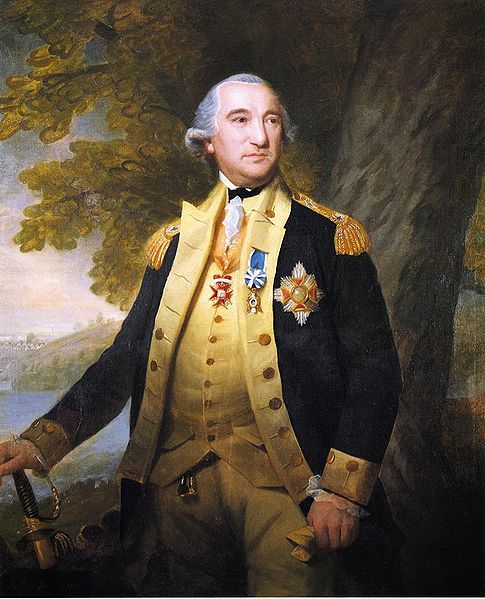
485px-Baron_von_Steuben_by_Ralph_Earl

Baron von Steuben: another template?

From The New-York Times January 11, 1861:

Disunion Agents in New-York.

There are some aspects of the existing Disunion movement which it is especially painful to contemplate — but which must be looked in the face none the less. One of them is the undoubted fact that we have among us here in New-York, agents and emissaries of Disunion, — men who are seeking from our citizens aid and comfort for the movements which are designed to break up the Union, and sap the foundations of our prosperity.

We have already called attention to the constant sale that is going on in this City, of arms and munitions of war to States in open rebellion against the Government. There can be no doubt that this is not only illegal, but a highly criminal offence — and it is the duty of the Federal Authorities among us to give the matter prompt and effective attention. The following private letter, — which comes to us from one of the most intelligent, clear-headed and influential of our citizens, reveals another phase of the movement which is also worthy of notice:

WEDNESDAY, Jan. 9, 1861.

MY DEAR RAYMOND: A gentleman, formerly an officer in a European army, told me that a Virginian called upon him last week and offered him the command of a body of men in Virginia, with good pay, and assurances that the service would be a permanent one. He said that he did not like Slavery well enough to accept the proposal. …

The writer then goes on to explain his view of the secession crisis, which involves being tough on the seceders. The writer concludes:

If so, the sooner we realize it, and begin hanging spies and traitors, the less will be the final bloodshed.

P.S. — Since writing the above, Capt R. has told me that a Virginia gentleman called on him yesterday, and offered him a commission to collect a body of men in New-York, “for a Southern regiment,” and that he saw the same person conversing with some discharged laborers, and was informed that he offered them bounties for enlisting to go South. None of them accepted, but he was told that a good many greenhorns had done so, and that there were several men at work amongst them to induce them to. R. put the man off, giving him no encouragement, but he said he should call again to-morrow, and intimated that he might offer him further inducements. R. believes that a considerable body of men have been already engaged and sent to Virginia. What for?

Yours faithfully. …

You can read the entire article at The New York Times Archive.

It seems that by choice or necessity the secession movement is using the American template to guide some of its decisions. If the colonists had Baron von Steuben, why shouldn’t Secession Nation have its Captain R? Of course, if this letter is true, the South is also trying to hire some Hessians. The British had a few good ideas.

Henry Raymond was the editor of The Times.

The letter also mentions Louisiana senator Judah Benjamin:

Take BENJAMIN’S own case. I have been on his plantation. He has, I judge, fully $300,000 in the sugar business, whereof $200,000 is in the form of slaves, and when I was there he himself did not dare go out after dark, unarmed, nor did a white man any where in the vicinity. I don’t believe he could sell this estate to-day for one-half what it has cost him. His sugar works, which cost $100,000, would not be worth $1,000, if merely the duty was abolished.
Posted in 150 Years Ago This Week, Secession and the Interregnum | Tagged , , | Leave a comment

Commemorating the Battle of New Orleans

While More Southern States Get Ready to Secede

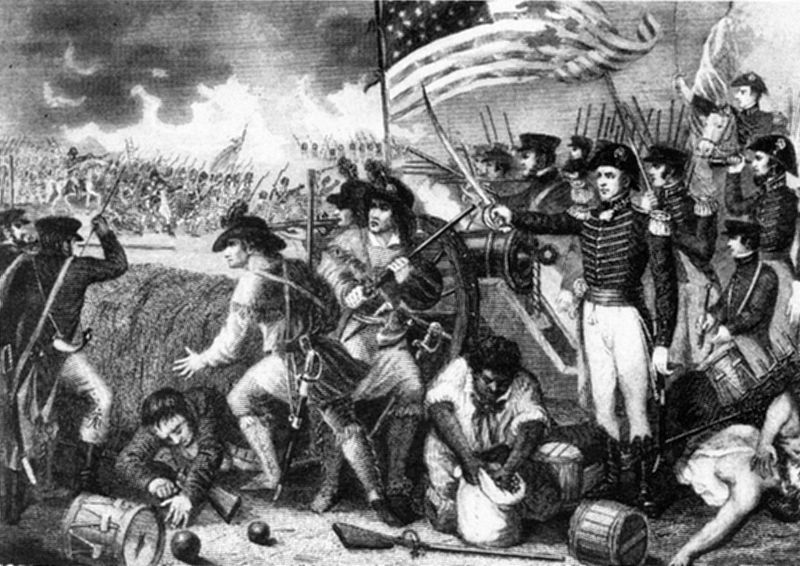
800px-BattleofNewOrleans2

Battle of New Orleans

It seems that many northern cities and states in 1861 were intensifying their celebrations of the American victory at the Battle of New Orleans. From The New-York Times January 8, 1861:

THE EIGHTH OF JANUARY IN CHICAGO.

CHICAGO, Monday, Jan. 7.

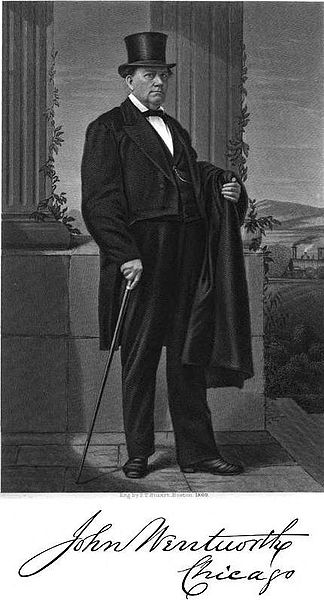
Mayor WENTWORTH has issued a proclamation recommending that business he suspended on the 8th of January; and that the people congregate at such places as may seem best, to adopt necessary measures to declare their attachment to the Federal Union. He recommends that the military companies take such steps as they deem due to the memory of Gen. JACKSON and the gallantry of ANDERSON.

324px-John_Wentworth_of_Chicago

Chicago's Mayor Wentworth

At sunrise thirty-three guns will be fired for the Union; at noon, fifty-six, in honor of Major ANDERSON, and at sunset, seventy-eight for ANDREW JACKSON. During this salute the bells will be tolled, not so much in consequence of the loss of Gen. JACKSON, as in consequence of the absence of his patriotism and courage in the General Government.

A movement is also on foot for a sword for Major ANDERSON.

As far as the number of guns John Wentworth wanted fired: I understand the 33 states in the Union. Jackson was 78 when he died. Anderson was 56 in January 1861. If I were Anderson I’d be a bit concerned.

The Times reported on announced military salutes in Auburn, New York and in the state of Massachusetts. In New York City there were commemorations at Tammany Hall and at the St. Nicholas Hotel. The Times article on the affair at the St. Nicholas (New York Times Archive) included a letter of regret from a pro-Union Virginian, John Botts. This letter pays tribute to Jackson’s strong unionist policies – policies that pro-Union people apparently wanted to celebrate and were hoping would be emulated by the federal government in 1861. From The New-York Times January 9, 1861:

545px-JMBotts

John Botts: A New Appreciation for Old Hickory

RICHMOND, Saturday, Jan. 5, 1861.

DEAR SIR: I regret very much that it will not be in my power to accept the invitation of the Committee to attend the ball to be given by the proprietors of the St. Nicholas Hotel on the anniversary of the battle of New-Orleans — an event that terminated the second war of Independence and brought its chief actor conspicuously before the country and the world, and finally elevated him to the highest office in the gift of a free people, but whose real value I had never fairly estimated until the present crisis has been brought upon the country.

Opposed as I was to him, and to his Administration from first to last, I take a pride in doing justice to his patriotism, now that he is gone, by offering as a sentiment:

“The memory of ANDREW JACKSON, who, when his country was imperiled by domestic foes, swore ‘by the Eternal the Union must and shall be preserved,’ and before the Eternal made his promise good,”

I am, respectfully,

Your obedient servant,

JNO. M. BOTTS. …

The Times published its take on St. Hickory’s Day. The editorial included the following (The New-York Times January 8 1861):

New-York and New-Orleans meet upon common and fraternal ground to-day. Their mutual cannon and trumpets belch and bray in honor of a common hero. The proverbially fair women and brave men of the Crescent City, dance in harmony with the equally brave and fair of the Empire City, in commemoration of the same illustrious day. And there is no doubt that the patriotic pulse of both cities and both sections would beat stronger and steadier, would they but devote this day to the wise contemplation of the spirit and character of the stern and Union-loving St. Hickory.

The people of New Orleans probably were unimpressed (The New-York Times January 8, 1861):

SECESSION FEELING AT NEW-ORLEANS.

NEW-ORLEANS, Monday, Jan. 7.

The secession ticket is triumphant. All the Senatorial delegates, and all but four on the Representative ticket, are elected. The city has been carried by over 500 majority.


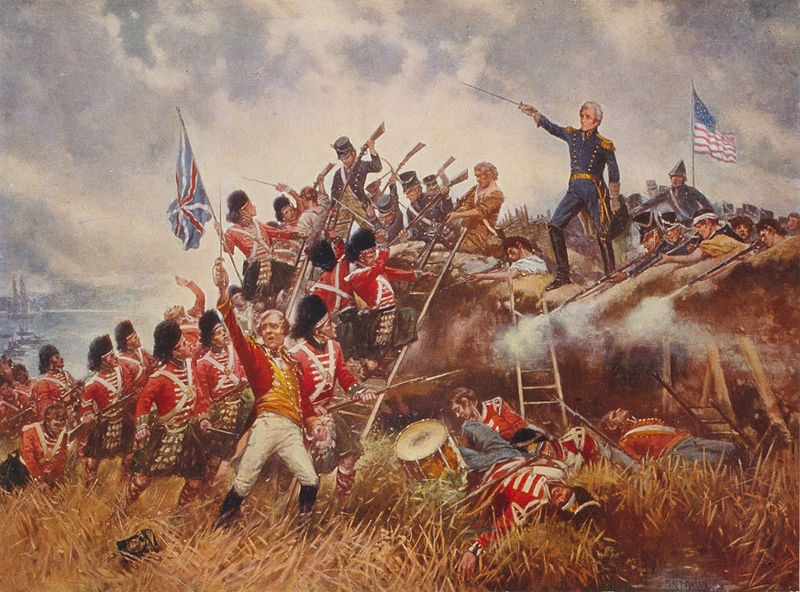
800px-Battle_of_New_Orleans

Major Anderson's Exemplar beating the British (1910 painting by Edward Percy Moran)

Seven Score and Ten reported on a pro-Union speech John Botts delivered during the 1860 presidential campaign. Botts is staying consistent.

Posted in 150 Years Ago This Week, Secession and the Interregnum | Tagged , , , , | Leave a comment

Norfolk “Preparing to Resist Invasion”

JohnLetcher

Governor Letcher: Our Old Dominion will not be Corridor for Coercion

From The New-York Times January 8, 1861:

PUBLIC MEETING AT NORFOLK, VA.

NORFOLK, Sunday, Jan. 6.

A large meeting was held here on Saturday night. Strong speeches were made urging the citizens to arm themselves and place tremselves in a state of defence for any emergency, which were loudly cheered. Resolutions recommending the Legislature to organize thoroughly the military power of the State, and prepare for civil war should it occur; scorning coercion, and preparing to resist invasion, were unanimously adopted with applause.

The same issue of The Times reported on Virginia Governor John Letcher’s message to the Virginia state legislature. You can read the whole report at The New York Times Archive. His message is fairly moderate. He does not think that South Carolina should have seceded, but does not think South Carolina should be coerced back into the Union (echoes of President Buchanan?). Here’s part of his message which seems to resonate with the Norfolk meeting the day before (The New-York Times January 8, 1861):

RICHMOND, Va., Tuesday, Jan. 7. …

The Governor further says he will regard the attempt of the Federal troops to pass across Virginia for the purpose of coercing a Southern State, as an act of invasion which must be repelled. He is not without the hope that the present difficulties will find a satisfactory solution. Let New-England and Western New-York be sloughed off, and let them form an alliance with Canada. …

This reminds me of the present United States government relying on friendly countries from which to deploy troops for the Middle East battlegrounds.

Governor Letcher does not like New England. Part of his plan is to select commissioners to go to the northern states to get them to repeal their Personal Liberty Laws – but he excludes New England. Let them be Canadian!

Posted in 150 Years Ago This Week, Secession and the Interregnum | Tagged , , , | 2 Comments

Big Apple to Get Bigger?

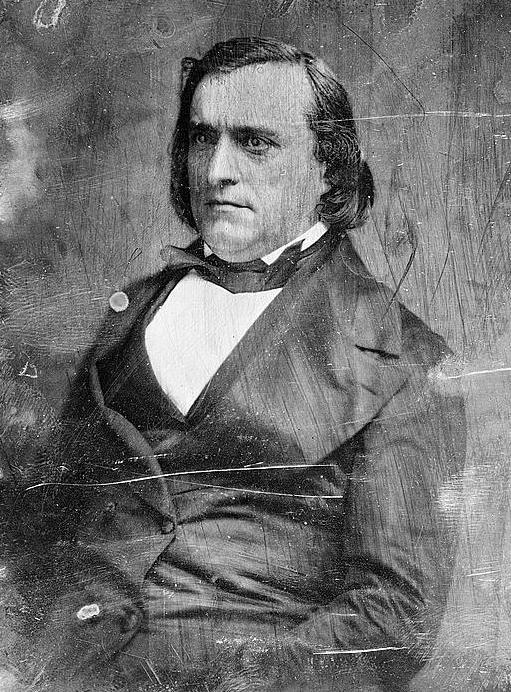
Fernando_Wood_-_Brady-Handy

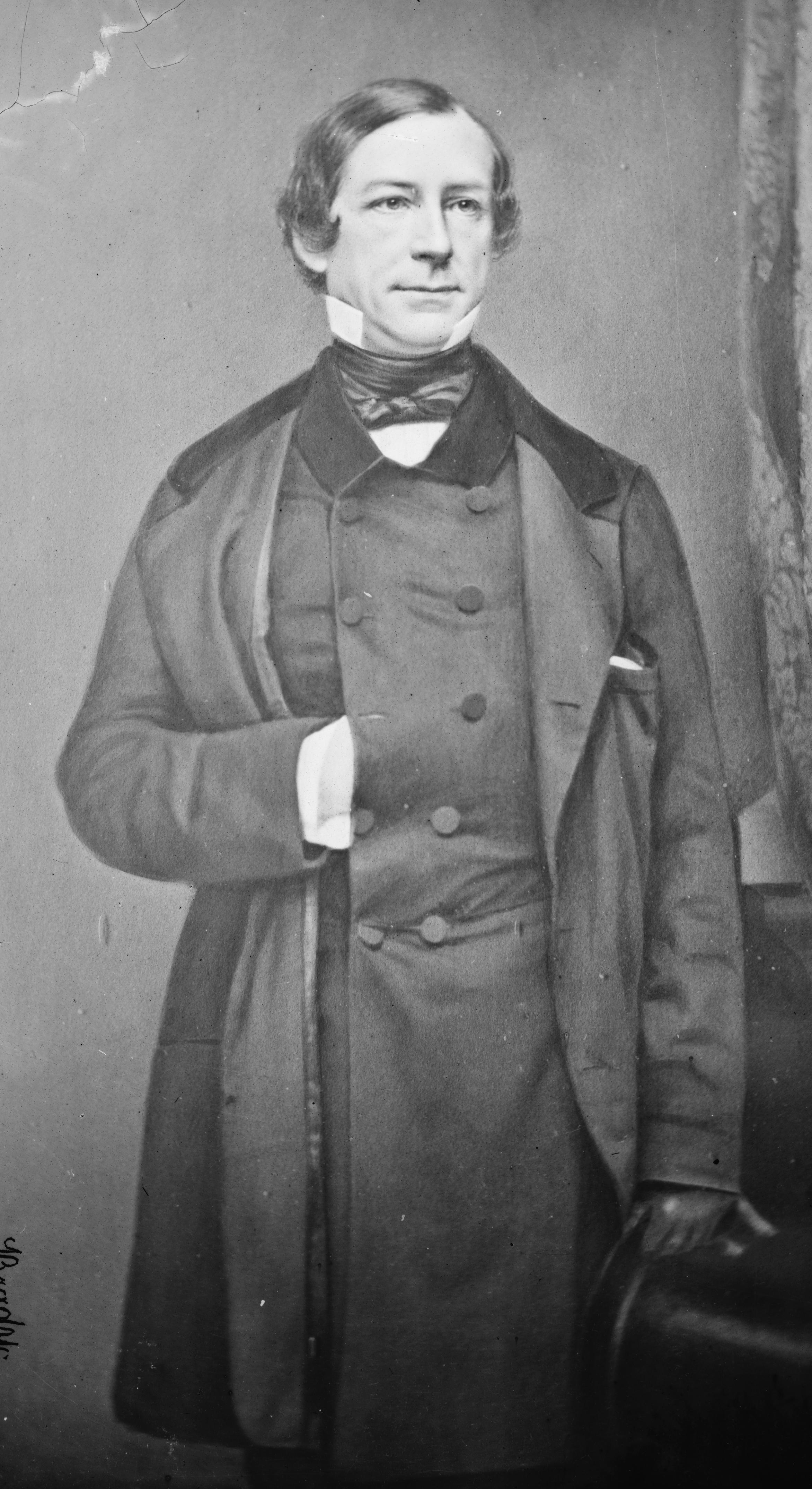
The Mayor: Fernando the Magnificent?

On January 6, 1861 New York City’s mayor, Fernando Wood addressed the Common Council and broached the possible secession of New York City (everybody’s doing it!). Here’s a paragraph from his address:

Much, no doubt, can be said in favor of the justice and policy of a separation. It may be said that secession or revolution in any of the United States would be subversive of all Federal authority… California and her sisters of the Pacific will no doubt set up an independent Republic and husband their own rich mineral resources. The Western States, equally rich in cereals and other agricultural products, will probably do the same. Then it may be said, why should not New York city, instead of supporting by her contributions in revenue two—thirds of the expenses of the United States, become also equally independent? As a free city, with but nominal duty on imports, her local Government could be supported without taxation upon her people. Thus we could live free from taxes, and have cheap goods nearly duty free. In this she would have the whole and united support of the Southern States, as well as all the other States to whose interests and rights under the Constitution she has always been true.

You can read more of Mayor Wood’s address at Teaching American History. The New-York Times lampoons the idea; the editorial can be read in The New York Times Archive. I laughed at parts of the editorial, but I will say that the idea that the City would be food-less is not necessarily true – especially if the secession movement is peaceful.

Mayor Wood is at least as rankled at the New York State government as he is sympathetic to the Cotton States and the Cotton Trade. Even in my lifetime there has been talk at various times of splitting the City from upstate. Apparently, I’m not hallucinating: Secession in New York.

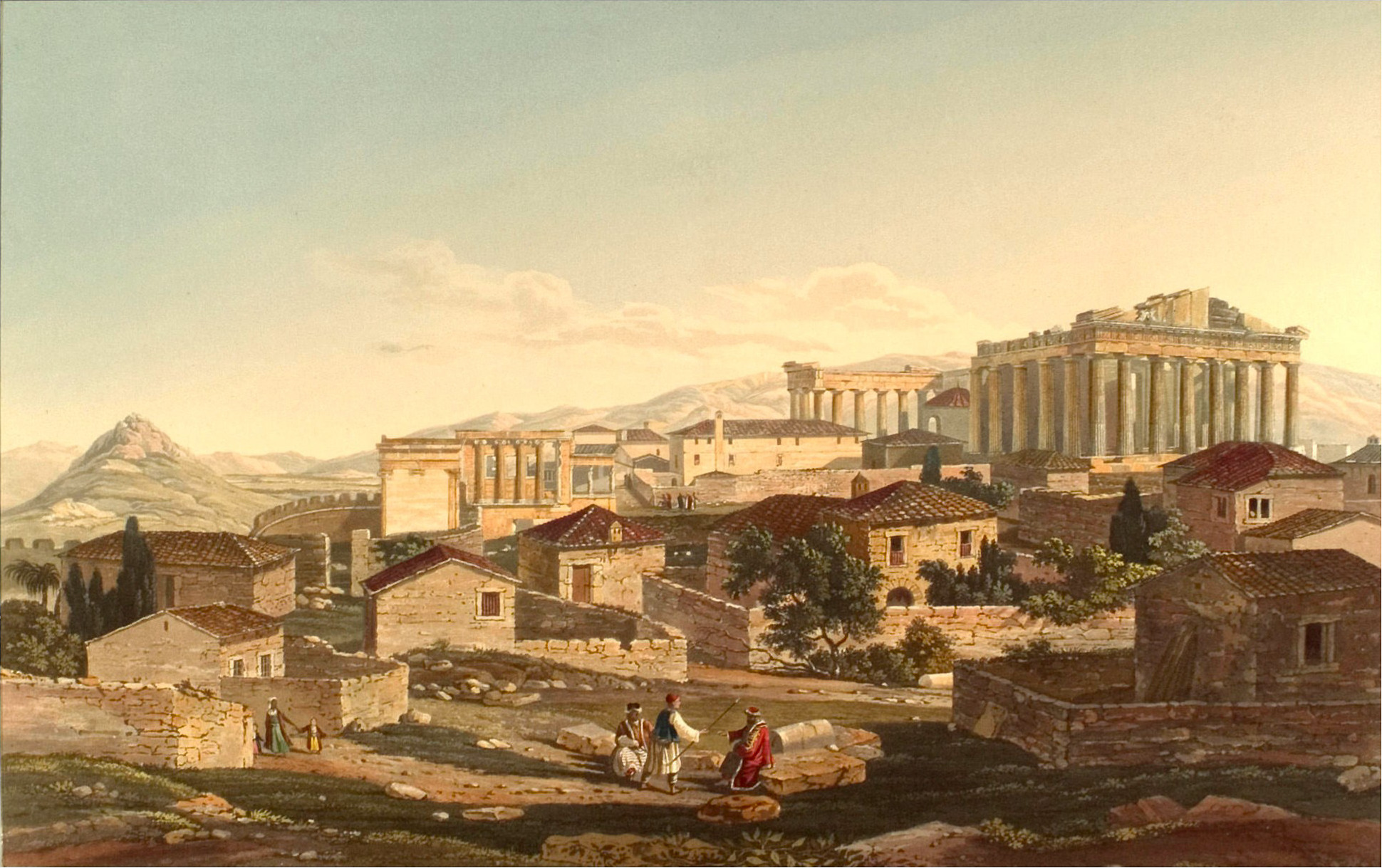
And why not a New York City-State. Athens and Sparta. The medieval Italian City-States, including the de Medicis running Florence. The possibilities are endless. Lorenzo the Magnificent ruled the Florentine Republic during the 15th century.

Dodwell_Parthenon_2

Ancient Athens a possible role model


Lorenzo_de_Medici

de Medici: Lorenzo the Magnificent

Posted in 150 Years Ago This Week, Secession and the Interregnum | Tagged , , , | Leave a comment

Secession Convention Adjourns in Charleston

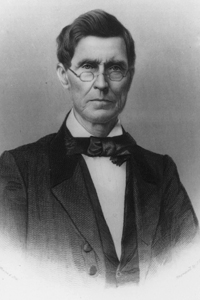
Augustus_Baldwin_Longstreet

A.B. Longstreet: Courteous and Kind Secession

From The New-York Times January 7, 1861:

THE SOUTH CAROLINA CONVENTION ADJOURNED.

CHARLESTON, Saturday, Jan. 5.

The journal to-day publish the correspondence between the Commissioners to Washington and the President of the United States.

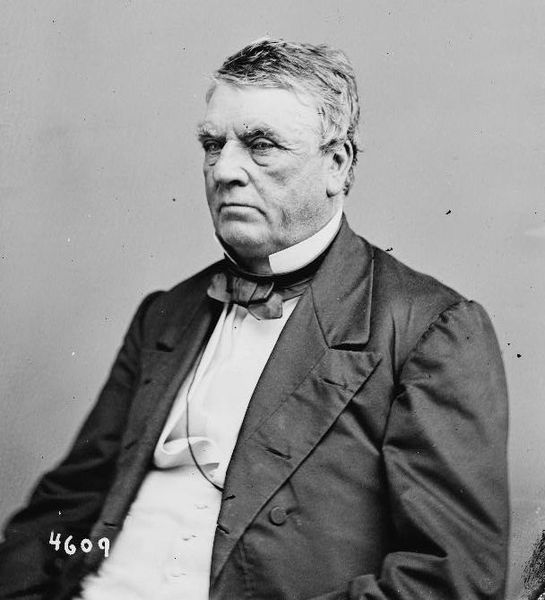
Hon. A.B. LONGSTREET, President of the South Carolina College, had issued a four-page pamphlet, entitled “Shall South Carolina Begin the War?” He earnestly desires the Collector on board the Harriet Lane to be allowed to land, and says that he should be treated politely, and introduced to Collector COLCOCK, so that the collectors of the two sovereignites could use every means to settle the respective claims in a spirit of courtesy and kindness. If the posts are reinforced it would be an unfair conflict, in which hundreds of our sons would be slain, Fort Moultrie would become deserted, and the wrath of the United States would be brought upon our devoted city. He implores the people to let the first shot come from the enemy.

The President of the Convention received a dispatch to-day from Mayor MONROE, of New-Orleans, which is as follows:

The City of New-Orleans fully sympathizes with the City of Charleston in the perils to which she is exposed, and will not fail to support her when the occasion requires action.

Mr. HUTSON offered an ordinance that all power necessary to make postal arrangements and enact postal laws be vested in the General Assembly. Passed.

Mr. KEITT offered a resolution permitting the officers in any force, regular or volunteer, raised under the order of the Convention, to hold seats in either House of the General Assembly, or any other office. Adopted.

Mr. CURTIS offered a resolution that the late Commissioners to Washington be requested to prepare, at their earliest convenience, a written statement of their oral communication to this body, and communicate the result of their recent attempt at negotiations with the President of the United States for the deliverance of the forts and other State property, said document to be deposited with the President of this body, with an injunction of secrecy until otherwise ordered. Adopted.

An order to print five thousand copies of the correspondence between the Commissioners to Washington and President of the United States, was laid on the table.

The chair and the appurtenances used on the night of the signing of the ordinance of secession were ordered to be placed in the State House at Columbia.

The adoption of an ensign was ordered to be left to the Legislature.

Adjourned, subject to the call of the Governor.

1) Augustus Baldwin Longstreet was born in Georgia and had a interesting and varied career. He worked throughout the South. He was the uncle of James Longstreet. You can read more about him at The New Georgia Encyclopedia

2) To get a great look at the banner that hung at the South Carolina Secession Convention you can check out Son of the South. It’s very impressive and kind of scary – we Northerners (or at least our states) were in “The Ruins”

Posted in 150 Years Ago This Week, Secession and the Interregnum | Tagged , , , | Leave a comment

Michigan’s New Governor: South Carolina a Dangerous Example

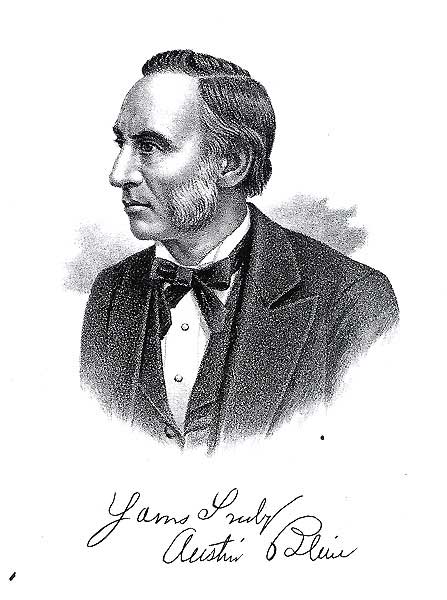
Austin_blair

Governor Blair: Music to Lincoln's Ears

From The New-York Times January 5, 1861:

THE MICHIGAN LEGISLATURE.; GOVERNOR BLAIR’S INAUGURAL ADDRESS.

DETROIT, Mich., Friday, Jan. 4.

Gov. BLAIR delivered his inaugural address to both Houses of the Legislature, at Lansing, yesterday.

In discussing national affairs, he denies the right of secession, and in alluding to the present condition of South Carolina, says; if it could properly be done, I presume the country generally would be willing to let that restless little nation retire from the Confederacy forever, but that cannot be without admitting the right of secession to exist in all the States, and no Government then remains to us, but only a voluntary association of States, dissolvable at the pleasure of any of them. If South Carolina may of right, then may also New-York and Louisiana, thus cutting off the free right of way of the entire Northwest to the ocean in both directions. The doctrine cannot be admitted. Self-preservation, if no other reason, would compel us to resist. He claims that the Constitution of the United States is not a compact or league between independent sovereign States; on the contrary, that it is a foundation of a Government established by the people of the United States as a whole, perpetual in its character, and possessing all the elements of a sovereign power and nationality. He denies that the Personal Liberty laws have bad the effect to prevent the execution of the Fugitive Slave law in a single instance, but whenever an appeal has been made to the Courts to enforce that law, it has been done in good faith. He invites judicial scrutiny into the legislation of the State, and is willing to abide by the result, but is not willing that the State should be humiliated by compliance with the demand to repeal these laws, accompanied by threats of violence and war. He concludes by recommending that at an early day the Legislature make it manifest to our representatives in Congress and to the country that Michigan is loyal to the Union, the Constitution and the laws, and will defend them to the uttermost, and to proffer to the President of the United States the whole military force of the State for that purpose.

Austin Blair is not going to let southern threats induce Michigan to repeal the personal liberty laws.

He also seems to echo Stephen Douglas’ concern about secession potentially blocking land-locked states from trading with the world. You can read about Senator Douglas’ speech at Seven Score and Ten.

It makes sense that sense that Blair is concerned about the ports of New York and New Orleans. There is the Erie Canal, railroads, and the Mississippi but Michigan still needs a friendly port, I would think.

And it’s going to be almost one hundred years before the Saint Lawrence Seaway is completed.

Posted in 150 Years Ago This Week, Secession and the Interregnum | Tagged , , , , | 2 Comments

Border State Governor’s Message

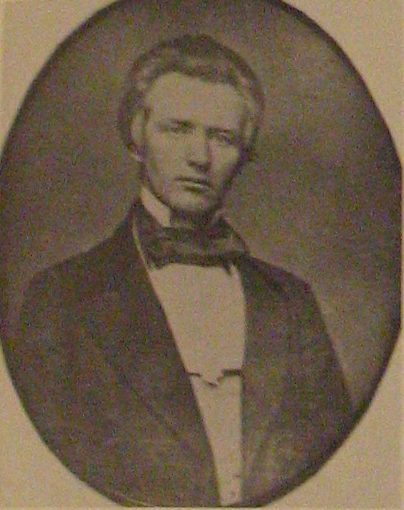
M-stewart

Missouri's Governor: Unionists if it's worth the effort

From The New-York Times January 4, 1861:

MEETING OF THE MISSOURI LEGISLATURE.; MESSAGE OF GOV. STEWART SECESSION DENOUNCED.

ST. LOUIS, Thursday, Jan. 3.

Gov. STEWART’s message was read to the Legislature to-day.

After reviewing the progress of the Abolition and Republican Parties, and stating the result of their success, the Governor says that Missouri occupies a position in regard to these troubles that should make her voice potent in the councils of the nation. With scarcely a Disunionist per se within her borders, she is still determined to demand and maintain her rights at every hazard.

Missouri loves the Union, and will never submit to wrong. She came into the Union upon a compromise, and is willing to abide by a fair compromise — not such ephemeral contracts as are enacted by Congress to-day and repealed to-morrow, but a compromise assuring all the just rights of the States, and agreed to in solemn convention of all the parties interested.

Missouri has a right to speak on this subject, because she has suffered deeply, having, probably, lost as much in the past few years by abductions of slaves as all the rest of the Southern States put together.

Speaking of secession, the Governor deprecates the action of South Carolina, and says: “Our people would feel more sympathy with the movement, had it originated amongst those who, like ourselves, have suffered severe losses and constant annoyances from the interference and depredations of outsiders.”

Missouri will hold to the Union so long as it is worth the effort to preserve it. She cannot be frightened by the past unfriendly legislation of the North, or dragooned into secession by the restrictive legislation of the extreme South. The Governor denies the right of voluntary secession, and says that it would be utterly destructive of every principle on which the national faith is founded; appeals to the great conservative masses of the people to put down selfish and designing politicians, to avert the threatened evils, and closes with a strong recommendation to adopt all proper measures for our rights; condemns the resort to separation; protests against hasty and unwise action, and records his unalterable devotion to the Union, so long as it can be made the protector of equal rights.

The Governor then passes to state matters and shows the finances to be in a prosperous condition; recommends a revision of the military laws; advises arming the militia; proposes protection against invasion; refers to the condition of different railroads, and recommends the Legislature to relieve the banks from the penalties incurred by temporary suspensions of specie payment.

Governor Robert Marcellus Stewart would leave office in January 1861.

Scarcely a disunionist in the state? Seven Score and Ten reported on the 1860 presidential campaign in Missouri. The state’s electoral vote was won by Douglas, but Breckinridge did pick up 30% of the popular vote.

Posted in 150 Years Ago This Week, Secession and the Interregnum | Tagged , , , | Leave a comment

Running for Secession Convention in Louisiana

PSoulé

Pierre Soule: campaigning as a co-operative revolutionary

I found out that similar to our day politicians in 1860 bought media spots to explain their views.

From The New-York Times December 1860:

PROGRESS OF SECESSION.; LOUISIANA. POSITION OF HON. PIERRE SOULE.

Hon. PIERRE SOULE publishes in the New-Orleans Bee a card defining his position as a co-operative candidate for the State Convention. He declares that he is no submissionist; that it is his opinion that resistance to actual wrong is a paramount duty with States as well as with individuals. He denies the right of coercion and claims that as soon as the compact ceases to be respected the bond of Union is broken, and that the associates are at liberty to return to their individual and separate existence. Leaving out of consideration the causes which have led to the present difficulties, he says that it is not safe to leave the management of affairs in the present crisis to those who with all the federal power at their bidding have subverted the Government and destroyed the most powerful party ever organized. He adds:

These are, however, the men who now urge the expediency of separate action on the part of the States, and who advocate openly the policy of precipitating Louisiana, of herself, and without seeking concert with other States, into the vortex of revolution!!

That the present distracted condition of the country — the complexion so full of meaning and significancy of the late Presidential canvass — the attitude, perhaps too precipitate, of a majority of the Southern States -the crisis so hurriedly brought about by the why maneuvers and the reckless aspirations of unprincipled politicians — have placed the South in the unavoidable dilemma of abject submission or open resistance, is but too obvious.

Having, therefore, to choose between ignominy or revolution, I am for revolution! — but not for an inconsiderate and disheveled revolution, like that which so miserably transformed the great and potent empire once possessed by Spain on this continent, into those innumerable petty sovereignties constantly at war with each other, which have sunk in desolation and ruin the brightest spot on which the sun of God over shed its light.

I am for keeping Louisiana in concert and union with her sister States of the South. It were not too much of the united wisdom of them all, to consider and decide how the contemplated separation is to be effected; and, when effected, on what principles a new Confederacy should be organized and instituted. In other words, I am in favor of the State Convention sending discreet and experienced commissioners to commune with the other states, and adopt, in concert with them, such measures as may palliate, if not avert, the dangers which I see ahead of us in a proximate future.

1) I’m pretty sure Pierre Soulé did not win the race for secession convention delegate. He apparently did not sign Louisiana’s Ordinance of Secession, which was passed on January 26, 1861.

2) The entire article at The New York Times Archive includes a letter from Louisiana’s U.S. Senator, Judah P. Benjamin to the state legislature dated December 8, 1860. He was in favor of Louisiana’s secession well ahead of his Senate speech on December 31st in 1860. He differed from Soule; Benjamin thought that independent state action was a necessary first step because of the difficulties inherent in setting up a confedracy:

That to effect this purpose, separate State action is virtually necessary. That all attempts at concerted action should be conserved for the work of reconstructing a Government. Concert of action amongst numerous independent States is the result of long and patient efforts to reconcile divergent interests and harmonize conflicting opinions. The emergency does not admit of this delay, unless the South is prepared to submit to the degradation of seeing LINCOLN peacefully inaugurated as its President as well as that of the North.

March 4th is looming – there’s nothing worse than having a Black Republican inaugurated as Louisiana’s President.

As it turned out Louisiana would independently secede and also later join the Confederacy before the dread event.

Posted in 150 Years Ago This Week, Secession and the Interregnum | Tagged , , , , | Leave a comment

December 31, 1860: Fiery Prognostication for the New Year

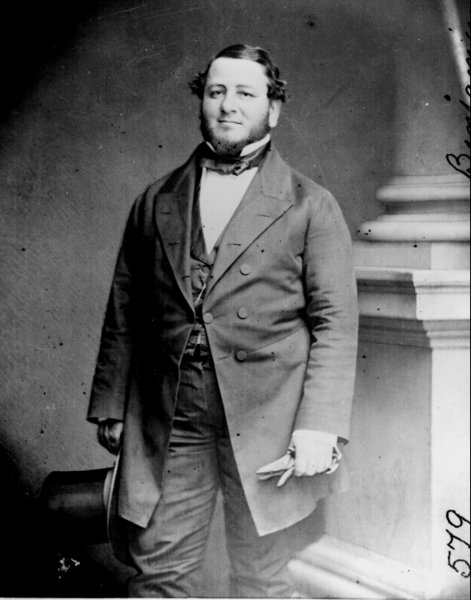
Judah_Benjamin

Senator Benjamin:"You never can subjugate us"

From The New-York Times January 1, 1861:

… Secession Speech by Senator Benjamin, of Louisiana. Disgraceful Scene in the Senate Galleries …

WASHINGTON, Monday, Dec. 31.

The scene in the Senate to-day was the most intensely exciting that was ever witnessed in that chamber. Senator BENJAMIN, of Louisiana, who, it had been reported, would make a conciliatory speech, gave out that he would make a parting secession speech, — an announcement which drew an immense audience. Every corner was crowded. The lobbies were full. Senator BENJAMIN spoke calmly throughout, but the character of his speech at the close opened up to everyone the new era in national affairs. His closing declaration, that the South could never be subjugated, was greeted by the galleries with disgraceful applause, screams and uproar. It was evidently the act of persons who had purposely packed the galleries. For this demonstration the galleries were promptly cleared, but as the people passed out, remarks were current among the mob such as “That’s the talk ” — “Now we will have war” — “BENJAMIN’s a brick” — “D — n the Abolitionists” — “ABE LINCOLN will never come here.”

As the Civil War daily Gazette reported, The U.S. Senate Committee of Thirteen concluded on December 31, 1860 that there could be no compromises to keep the Southern states in the Union. Louisiana’s Senator Judah P. Benjamin alluded to that in his speech on the Senate floor.

You can read all of Benjamin’s speech here. Here are the last three paragraphs:

Now, Senators, this picture is not placed before you with any idea that it will act upon any one of you, or change your views, or alter your conduct. All hope of that is gone. Our committee has reported this morning that no possible scheme of adjustment can be devised by them all combined. The day for the adjustment has passed.
If you would give it now, you are too late.

And now. Senators, within a few weeks we part to meet as Senators in one common council chamber of the nation no more forever. We desire, we beseech you, let this parting be in peace. I conjure you to indulge in no vain delusion that duty or conscience, interest or honor, imposes upon you the necessity of invading our States or shedding the blood of our people. You have no possible justification for it. I trust it is in no craven spirit, and with no sacrifice of the honor or dignity of my own State, that I make this last appeal, but from far higher and holier motives. If, however, it shall prove vain, if you are resolved to pervert the Government framed by the fathers for the protection of our rights into an instrument for subjugating and enslaving us, then, appealing to the Supreme Judge of the universe for the rectitude of our intentions, we must meet the issue that you force upon us as best
becomes freemen defending all that is dear to man.

What may be the fate of this horrible contest, no man can tell, none pretend to foresee; but this much I will say: the fortunes of war may be adverse to our arms; you may carry desolation into our peaceful land, and with torch and fire you may set our cities in flames; you may even emulate the atrocities of those who, in the war of the revolution, hounded on the blood-thirsty savage to attack upon the defenceless frontier; you may, under the protection of your advancing armies, give shelter to the furious fanatics who desire, and profess to desire, nothing more than to add all the horrors of a servile insurrection to the calamities of civil war; you may do all this — and more, too, if more there be — but you never can subjugate us; you never can convert the free sons of the soil into vassals, paying tribute “to your power ; and you never, never can degrade them to the level of an inferior and servile race. Never! Never!

Posted in 150 Years Ago This Week, Secession and the Interregnum | Tagged , , , | 3 Comments

Southern Overreaction

Or, Tell the Truth to Slaves and Whites

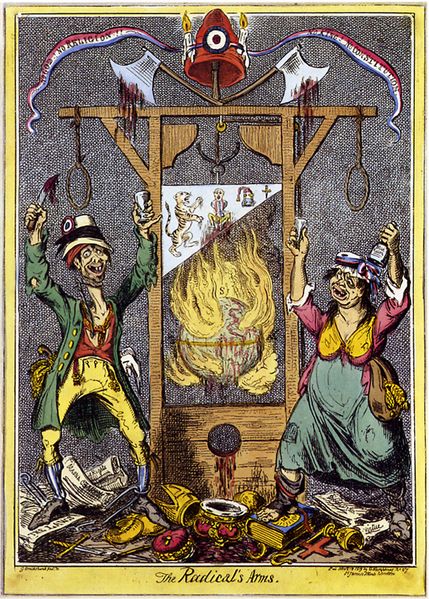
429px-Cruikshank_-_The_Radical's_Arms

English view of Reign of Terror: Parallel to 1860 South?

From The New-York Times December 31, 1860:

A VALUABLE SUGGESTION.

The Panola Star, of Mississippi, has the following paragraph:

“We wish to suggest the propriety of all slave owners taking some pains to correct a very false impression now prevailing among the negroes about the election of LINCOLN. It is generally believed by our slaves that they were to be free if Lincoln was elected, or at least they think somehow or other they are to be benefited by his election.

We do not recommend it, but suggest for the consideration of the better judgment of our fellow-citizens whether it would not be best to tell them that the election of LINCOLN had nothing in the world to do with them or their freedom, but has reference to the question of making new Slave States; that nothing has been done or will be done to change their condition, by Mr. Lincoln or anybody else, and that all the talk they hear about the Slavery question cannot, in any way, free them.”

This hits the heart of the peril that now overhangs the Union and the Southern States. The great mass of the Southern people, — free men as well as slaves, — have been led to believe that Mr. LINCOLN’s election involves the abolition of Slavery. It is that belief which has raised them to their present pitch of excitement, — which has driven the whole Southern population to the verge of disunion and which threatens now, under the lead of remorseless political leaders, to plunge them into certain and remediless ruin. The Panola Star sees the real nature of the difficulty and suggests the plain and palpable remedy.

If the journals of the South would act boldly and promptly on this suggestion, they would do more to avert the dangers of disunion, and restore peace and prosperity to the country than can be done in Congress or throughout the North. But there is no reason to hope that they will do so. It has been the policy of the conspirators against the Union to muzzle the Southern Press by the terrors of mob-law; — and no journal anywhere in the Southern States could enter upon the task which the Star suggests, without falling under the suspicion of being treacherous to the South. During the French revolution any person who dared to breathe a word against the dominant faction, was hung for the new crime of incivisme. This portion of the French Code of Terror — as well as some others — has been imported into several of the Southern States and adopted as the supreme law, instead of the Constitution of the United States.

The Times sees the fire-eating opinionators of the South exaggerating (if not outright ignoring) the Republican platform – and suppressing opposing opinion.

Posted in 150 Years Ago This Week, Secession and the Interregnum | Tagged , | Leave a comment