Doughface Convention in New York City

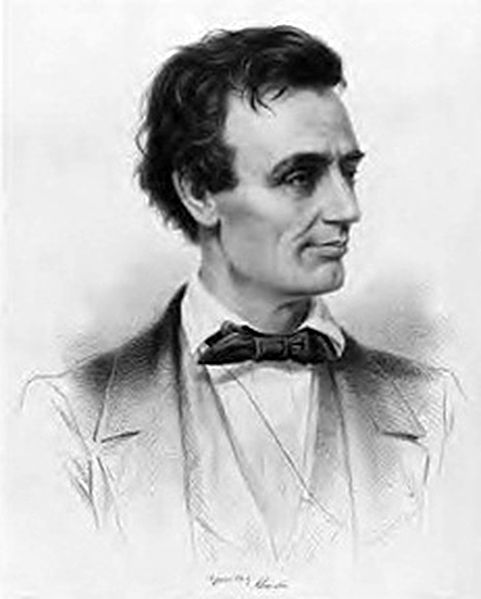
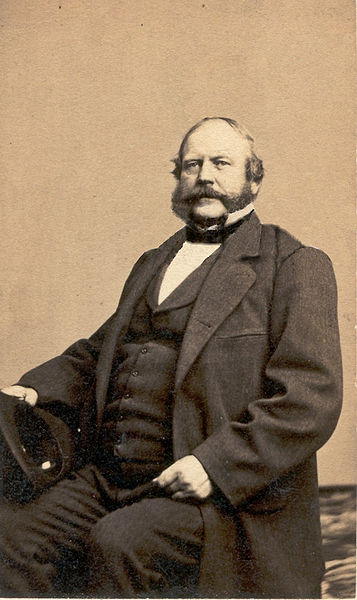
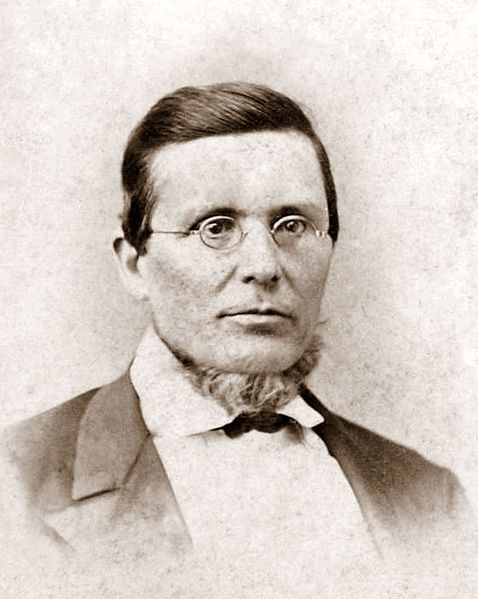
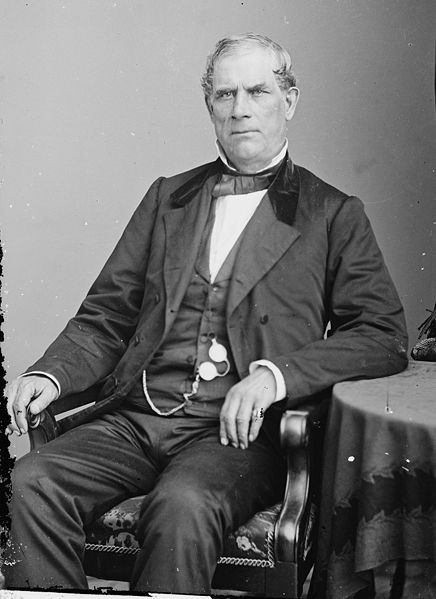
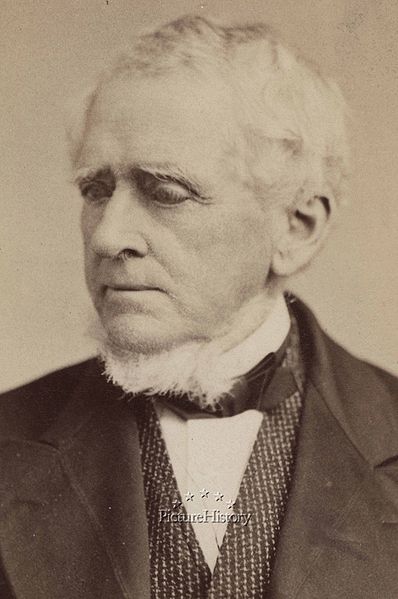
John A. Dix

John Adams Dix - We ♥ South Carolina!

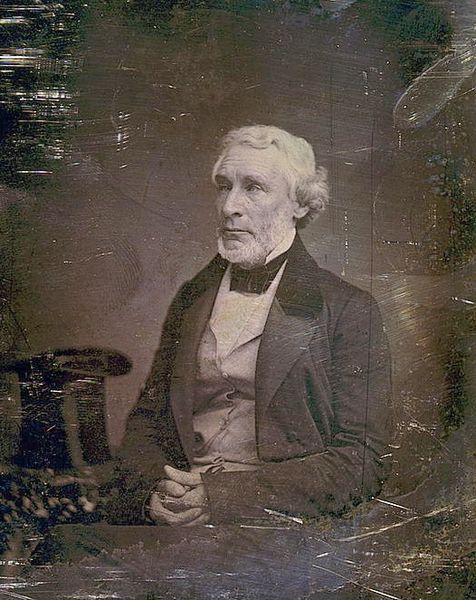
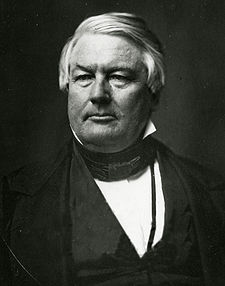
Ex-president Millard Fillmore was right – there was going to be another meeting of Southern sympathizers in New York State – specifically in New York City on Saturday, December 15th.

Here are excerpts from a very long article in the December 17, 1860 issue of The New-York Times:

A private meeting was held on Saturday, at the office of RICHARD LATHERS, Esq., No. 33 Pine-street, to adopt measures for the postponement of Southern action on the subject of Disunion. No persons were admitted except those to whom written invitations had been sent, reporters even from the Press being excluded. …

The meeting was called to order by Mr. LATHERS, who spoke of the disastrous condition into which the country had been brought by the sectional agitators of the North, who had pushed their aggressions so far that the South, hopeless of its rights under the Confederacy, proposes to save its institutions out of it. We have met, said Mr. L., to ask them in a fraternal spirit to pause and consider their duties to that part of their Northern brethren whose sympathies have always been with Southern rights and against Northern aggression; to cooperate with us in bringing back to its pristine integrity our common heritage — the Constitution — and rebuke and effectually put down the fell spirit which threatens to divide us. We propose to send a Committee to the South, to lay our views before their statesmen, and to express our sympathy for their wrongs, and to assure them of our continued cooperation and hopes of success in speedily procuring for them that equality which abstract justice, as well as the Constitution, guarantees to them and their institutions. We wish to assure them not only of our own fidelity to the Constitution, and our fraternal feelings to all parts of our common country, but to inspire them with hope that the evils of abolition have culminated, and that a returning sense of justice will mark the future legislation of the nullifying States of the North. …

There followed many speeches and a letter from South Carolina saying secession was inevitable. Nevertheless, toward the close of the meeting:

Gen. DIX also reported the following

Whereas, The Constitution of the United States was designed to secure equal rights and privileges to the people of all the States which were either parties to its formation or which have subsequently thereto become members of the Union; and

Whereas, The said instrument contained certain stipulations in regard to the surrender of fugitive slaves, under the designation of “persons held to service or labor in one State, under the laws thereof, escaping into another,” which stipulations were designed to be complied with by the act of Congress making provision for such surrender; and

Whereas, The agitated state of the country, arising out of differences of opinion in regard to these provisions, demands that we should declare explicitly our sense of the obligations arising under them; therefore

Resolved, That the delivery of fugitive slaves to their masters is an obligation enjoined by the Constitution, in which all good citizens are bound to acquiesce; and that all laws passed by the States with a view to embarrass and obstruct the execution of the act of Congress making provision therefor, are an infraction of that instrument, and should be promptly repealed.

Resolved, That the Territories of the united States are the common property of the people thereof; that they are, of right, and ought to be, open to the free immigration of citizens of all the States, with their families, and with whatever is the subject of personal ownership under the laws of the States from which they emigrated; that the relation of master and slave cannot, during the Territorial condition, be rightfully disturbed by Federal or loyal legislation; and that the people of any such Territory can only dispose of the question of Slavery in connection with their own political organization, when they form a Constitution with a view to their admission into the Union as a State.

Resolved, That we pledge ourselves to uphold these principles by all the means in our power; to seek by all practicable efforts a redress of the wrongs of which the Southern States justly complain, and to maintain their equality under the Constitution, in the full enjoyment of all the rights and privileges it confers.

Resolved, That while we deplore the existing excitement in the Southern States, we do not hesitate to say that there is just ground for it. But we earnestly entreat our Southern brethren to abstain from hasty and inconsiderate action, that time may be afforded for bringing about a reconciliation of existing differences, and that the Union of the States — the source of our prosperity and power — may be preserved and perpetuated by a restoration of public harmony and mutual confidence.

Resolved, That Hon. MILLARD FILLMORE, Hon. GREENE O. BRONSON and RICHARD LATHERS, Esq., be appointed a Committee to proceed to the South, with a view to make such explanation to our Southern brethren, in regard to the objects embraced in the address and resolutions, as they may deem necessary, and to give such further assurances as may be needed to manifest our determination to maintain their rights. …

1) The Constitution and Popular Sovereignty. The ex-president was going to be asked to head south with a couple other gentlemen. Google Books has published the memoirs of Richard Lathers, who actually grew up in South Carolina

2) John Adams Dix was at that time New York city’s postmaster.

3) You can read all about the meeting at The New York Times Archive, including the fact that Lt.-Gen. W. Scott was apparently an invitee.

4) The Times editorialized about the meeting here. The editorial says the meeting was basically a meeting of the Democrat party in the City. The peace-niks weren’t thinking about the good of the country – they were trying to prevent the South from seceding for the good of the party.
Posted in 150 Years Ago This Week, Secession and the Interregnum, The election of 1860 | Tagged , , , , , , | 2 Comments

What London (Times) Thinks

The New-York Times of December 15, 1860 published a good deal from the London Times. Here are some excerpts. The article titles link back to the complete stories in The New York Times Archive.

I. We Like Those American States United

DISUNION AS VIEWED ABROAD.; HOW ENGLAND AND FRANCE WILL REGARD A SOUTHERN CONFEDERACY. THE FINANCIAL CRISIS.s

From the London Times, Nov. 29.

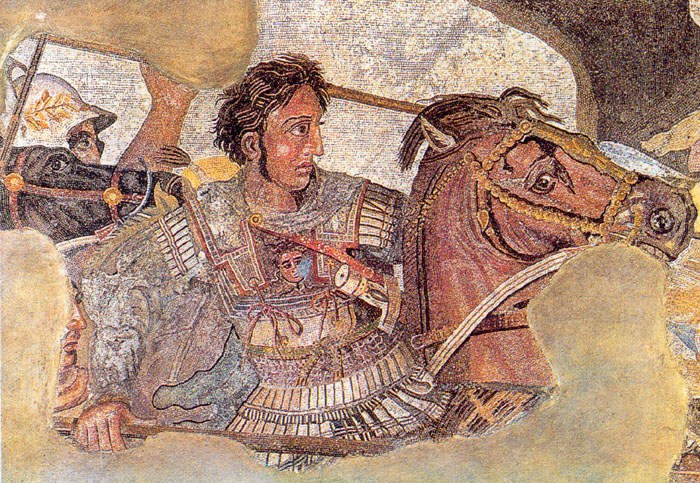
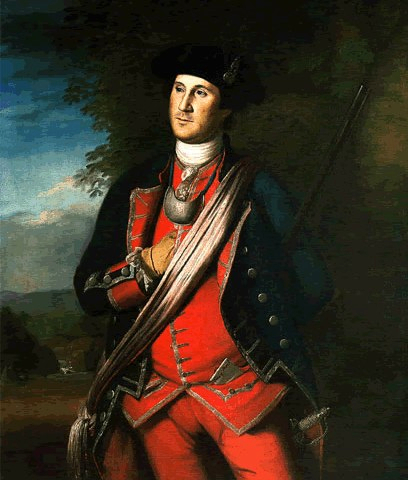
Democratic institutions are now on their trial in America. It Would be a strange coincidence if the same year should witness the accomplishment of Italian unity under a constitutional monarchy and the disruption of a far mightier Union under the dislocating agency of Federal Republicanism. WASHINGTON, like ALEXANDER, troubled in his last days by misgivings as to the solidity of his own workmanship. He had found American patriotism strong enough to brave in a good cause the armies of GEORGE III., but would it be proof against the selfishness of prosperity, the meanness of party and personal interests, the fierceness of provincial jealousies? Could the dignified and statesmanlike moderation of the founders of liberty be transmitted to their successors, or would later growth develop those harsher and vulgar qualities which too often appear in the Anglo-Saxon character? We dare not say that the experiment is yet complete. Two generations have amply sufficed to confirm and transcend the experience of antiquity as to the expansive energies of a Democracy, but its capability of cohesion still remains open to question. At a crisis like the present the centrifugal seems more than a counterpoise to the centripetal force, if we are to take the Southerners at their word. …

BattleofIssus333BC-mosaic-detail1

Alexander the Great: Similar to George Washington

Washington_1772

Will Their Wartime Successes Hold Up?

Of one thing the Democrats may be well assured — that the character and prestige of the several United States in the eyes of Europe depend on their Federal union. Lord NORTH saw this when he skillfully proposed a compromise, which would have had the effect of isolating some from the rest, and BURKE resisted his scheme of conciliation on that very ground. “Hoc Ithacus velit;” — the stubborn and mutinous spirit of the South is falling into the tactics of the enemies of American independence. Let there be no mistake as to English public opinion on this subject. If we have paid a sincere homage to the rising greatness of America, it has not been to that which the Southerners are so anxious to conserve, but to that which they are striving to destroy. All that is noble and venerable in the United States is associated with the Federal Constitution. It is not the demonstrations of Southern ruffianism in Congress, or the fillibustering aggrandizement of the South, from the Mexican annexations downwards, or the Fugitive Slave law, or the Dred Scott decision, or the Kansas-Nebraska act — it is not these, or any other triumph of Democratic insolence during their ascendency of half a century, that has commanded the sympathy and admiration of Europe. We have judged these things leniently, as the actions of great men and great nations ought to be judged, because we knew the perilous conditions under which so mighty an enterprise as the civilization of America must of necessity be carried out, and have confidence in the practical good sense of the American character. …

But if this rough sparring should by any chance be carried too far, and the threat so often uttered in jest or wantonness should be repeated in earnest and lead to bloodshed, it is some comfort that the aggressors will not be the stronger party. Mr. LINCOLN will in that case command a majority in Congress, and will carry with him the support of all those who, however tolerant of Slavery, will not tamely acquiesce in its becoming the basis of an illegal and hostile Confederation. …

II. A. Lincoln’s Amazing American Career

THE PRESIDENT ELECT.

481px-Abe_Lincoln_young

Professional and Geographic Restlessness

From the London Times, Nov. 28.

The race of life is so interesting a subject, both to those who have succeeded in it and those who have been disappointed in it, that the adventurous career of the President elect of the United States, as the New-York Press describes it, is sure to attract much notice. It is put forward as a remarkable instance of what a man can do “under the influence of American institutions,” and so undoubtedly it is. We will only alter the phrase a little, and say that it is a remarkable instance of what a man can do in America in the absence of all institutions to check him. The favorable peculiarity of American institutions in Mr. LINCOLN’s case has been that they did not exist, that it has been the great institution of America not to have institutions in the sense in which we of the old world have them. It is plain that our institutions, if they are a great assistance to society, are at the same time a great check to individuals. … Now, take a man of Mr. LINCOLN’s versatile and fertile mind, and this liberty of professional ascent is an enormous gain. It is everything to him. …

English Lawyer

Bar to Entry: Railsplitters Need Not Apply

Now, as we say, it is obvious what a clear gain “American institutions” are to a man of this aspiring mould of wind joined to such antecedents. Such antecedents must have been a fatal drag upon Mr. LINCOLN in any country of the Old World, at least in its normal condition, and without a revolution to disturb it. Would the profession of the law, for example, have been practically open to an ex-farmer, ex-bargeman, ex-storehousekeeper, ex-land surveyor in this country? It would not have been. The idea would never have entered into Mr. LINCOLN’s head. The venerable looks of the sages of the law, their wigs, their ermine, the divinity which hedges in a judge, the proud traditions of the profession, would have forbidden the aspiration. At a certain time it is too late to begin.

But American active life is restless, because, as new material to be mastered comes in with every new profession, where a man can go on changing from one profession to another he multiplies the necessity for conquest, and keeps up the struggle for life, and the most arduous part of that struggle, far longer. In fact, the American never lets himself rest. There is no harbor of refuge which receives the accomplished professional man at a certain time of life, where he simply occupies himself in the use of tools which he has already mastered; no, he must migrate from his professional home to another untried soil. Everybody migrates in America, and the early removals of the Lincoln family … only typify the transplantations of American intellect, the constant breaking of new professional ground, and the uninterrupted succession of new positions and opportunities which convey the Mississippi boatman to the dignity of the White-House. … [The system in the Old World] may not produce the most prominent instances of individual elevation, but it produces a large amount of moderate distinction, which is thoroughly enjoyed because the man has time and rest to enjoy it, whereas the American plan, for one great restless intellect which attains its complete object, has thousands which go through the whole career of restlessness and never reach the goal.

III. Britain Will Not Support South Carolina

English Sentiment on Secession.

The New-York Times editorializes on the views from London:

We fear our Southern friends will derive small comfort from the comments of English journals upon the Disunion movement. They seem to have very little sympathy with it or respect for it. …

The British people are far more fanatical in their hatred of Slavery than the North has ever been. They do what even New-Englanders have never done: receive the negro on a footing of social equality. They lose no opportunity to flaunt their hatred of Slavery in the face of Southerners. They have spent a hundred millions of dollars to abolish it in their own Colonies. They are incessantly scolding our Government for its inefficiency in suppressing the Slave-trade. They are spending hundreds of thousands of dollars yearly to procure cotton from other regions of the earth, and in every conceivable way they are constantly evincing their hatred and detestation of the institution which is to be the basis and corner-stone of the new Confederacy.

Posted in 150 Years Ago This Week, Secession and the Interregnum, The election of 1860 | Tagged , , , , | Leave a comment

But What About Lincoln?

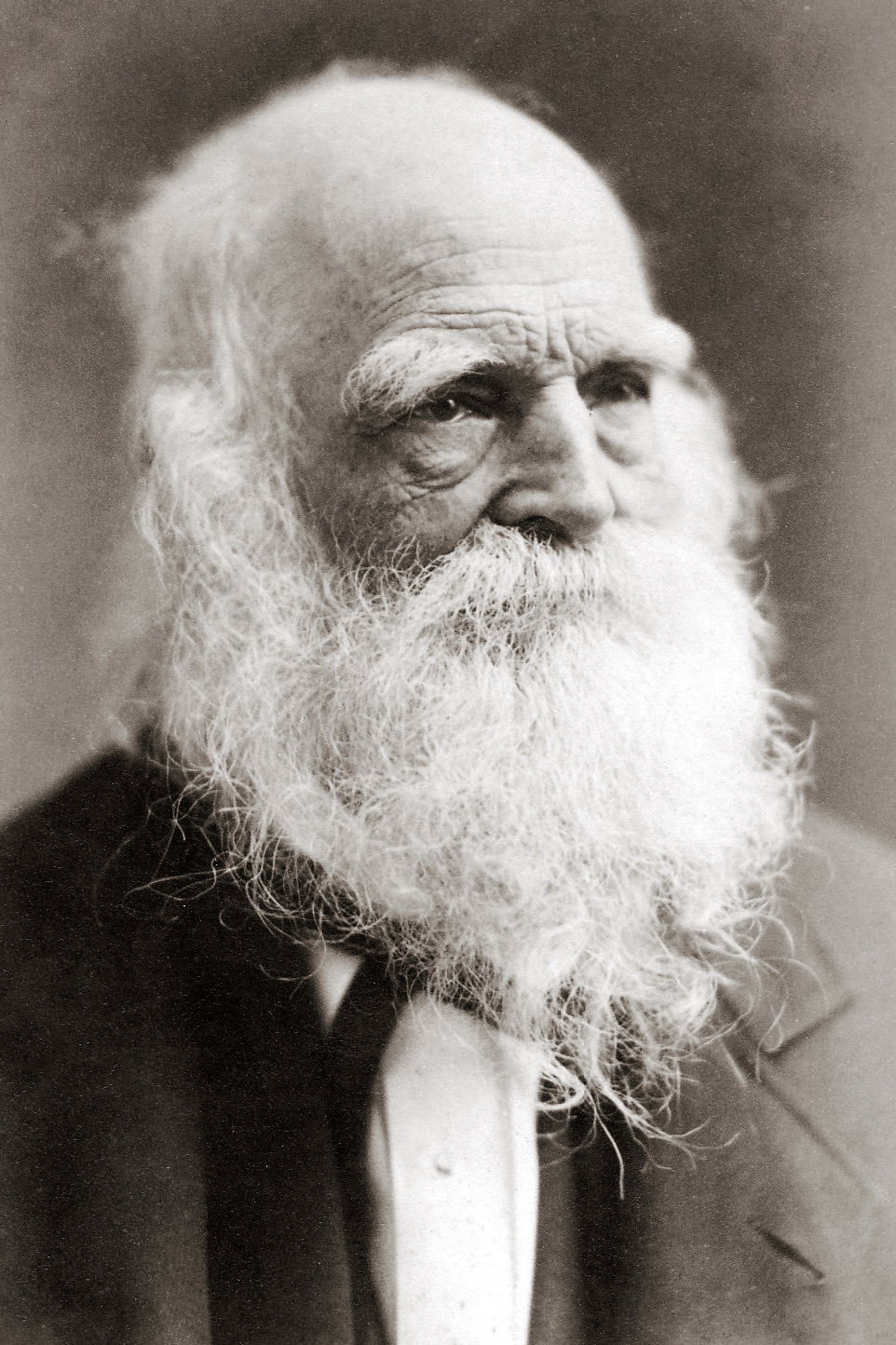
William_Cullen_Bryant_Cabinet_Card_by_Mora-crop

The Only Coercer? - William Cullen Bryant

From The New-York Times December 14, 1860:

THE CALCULATIONS OF SOUTH CAROLINA,; WHAT KEEPS THEIR COURAGE UP.

From the Charleston Mercury

ST. NICHOLAS HOTEL, NEW-YORK, Dec. 6, 1860.

Have been stopping here for a number of days; entered my name on the register, “from Maine,” which, was true, as a matter of fact, although my birthplace is in Alabama, and my present residence is Dale County, of the latter State. My object in so entering my name was to enable me better to get at the true sentiment of New-York in relation to the great secession movement going on among us. I hear many expressions of sympathy for us in this City, and in case of an attempt to coerce us, I believe we can safely rely upon much material aid from here, and especially from the Irish, they hate the nigger as they do the devil, and will fight to sustain our rights, if it finally comes to that. I am inclined, however, to the opinion that we shall be allowed to go quietly out of the Union, if the business is properly managed with the Federal Government. I have canvassed this subject as thoroughly as I can, with my facilities for doing so, and find a large majority of those with whom I have conversed, in favor of peaceable dissolution, if we are determined to go. The reasons which bring them to these conclusions, are as various as the factions to which they belong. The merchant and trader believe that if we are left to take our own course, that we will return to them to purchase our goods and sell our cotton — which to them is above all other considerations — but that if an attempt is made to coerce us, “even if they (we) are compelled to submit,” that it will engender such a feeling of hate that New-York will get no more trade from us. The Tribune portion of the Abolition party are full believers in the “irrepressible doctrine,” and think there will be no peace, so long as we remain in the Union, and following the cue of their Abolition high priest and philosopher, GREELEY, who furnishes more Abolition gospel than any other man in the country, takes that ground squarely, and advocates it in his paper, the Tribune. BENNET, of the Herald, is with us, and says we have no course left to us, out of respect to ourselves, but to go out of this detestable Union. He hates it as bad as any of us, and would rejoice to see it broken up. He has much influence with a certain class, and will, if it comes to a rapture, courage enlistments in New-York to fight the North. We can depend upon that.

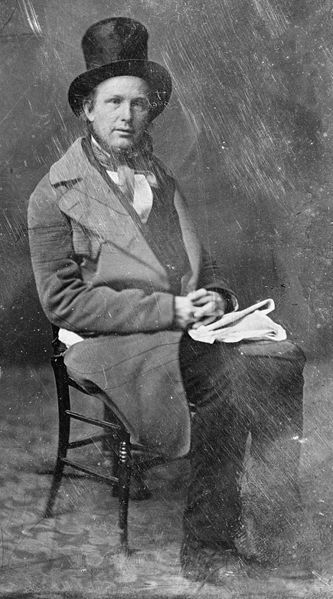
Horace Greeley

Horace Greeley of The Tribune

The Garrisonian Abolitionists, of course, desire us to go, hoping thereby to stir up insurrection among the slaves of the South, but their number is so infinites simal it is not worth taking into account.

In fact, I know of only one man of great influence at the North, that is disposed to attempt to coerce the South, and that is WM.C. BRYANT, of the Evening Post, and his circulation and influence is not a tithe of that of GREELEY’s, who is, as I said before, entirely opposed to it. I beg to repeat, that it is my honest conviction that there is no need of any preparation for war; that it the South say they will secede, by their Convention, and appoint wise, resolute, and temperate men to negotiate with the General Government, that an arrangement can be effected without any war, or shedding a drop of human blood. I believe if we demand secession, that the North will force the Government to accede to our request. However much disposed we may be to defend our rights when defence is necessary, it seems an act of folly to precipitate a collision with the General Government when we can, by negotiation, get them peaceably to allow us to secede.

I beg your influence to help us peaceably out of the Union, if it can be done, for if it comes to a fight with the General Government, God knows where it will end. We shall find it much easier to get in than to get out of it.

It it comes to war, they expect to free all our niggers and turn them upon us. It is a stereotyped expression with them, that it “it comes to a fight, it is the end of Slavery.” Violent attempts will be to stir up insurrection among the slaves. And here I beg to caution the South about bringing back — until this question is disposed of — any more runaway niggers, for the, danger they will bring upon us is ten times more than their value — nay, we had better pay for them a hundred times over.

I have already made this communication twice as long as I intended. Trusting that you will excuse the liberty which I take in giving you my views, after a thorough observation of the state of the case from this stand-point, and hoping it may lead us to the attainment of our purpose in peace. I remain, your obedient servant, CHARLES C. SPENCER.

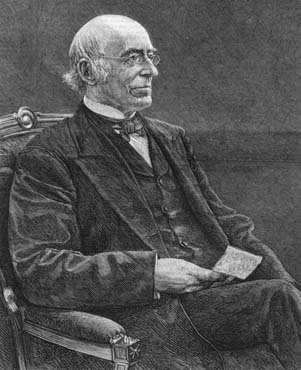
William Lloyd Garrison

William Lloyd Garrison

1) My first thought when I read this article: this is like Rush Limbaugh saying he’s considered the de facto head of the Republican party. I think the media of whatever political persuasion has a lot of influence, at least partly because of the power of ideas. This Southerner seems to think that the business concerns of the North together with a media that mostly wants the South and its slavery out of the Union can influence the federal government to let the South secede peacefully. That might work with James Buchanan, but what about Lincoln? Since his election he has not said too much. He’s mostly referred questioners to his speeches and the Republican platform. He is definitely against expanding slavery into the territories, but I don’t think he has specifically said what he’d do if a state actually secedes. Lincoln is the wild card that the southern letter writer is not taking into account. Soon Lincoln will probably become more vocal.

James_Gordon_Bennett_Sr

James Gordon Bennett of The Herald

2) Speaking of the power of ideas, this writer is concerned about bringing back fugitive slaves because of their effect on a possible slave insurrection. This seems to line up with what a lady from South Carolina wrote her uncle: “No one dares to buy a servant, fearing lest he, in doing so, should be introducing upon his plantation one tinctured with the idea of freedom”.

3) As it turns out, the St. Nicholas Hotel was one of the targets of a Confederate plot in 1864.

Posted in 150 Years Ago This Week, Secession and the Interregnum | Tagged , , , , , , | 2 Comments

Vigilance; Commerce Slows More

Anonymous_Gallows

Vigilance in Mississippi 1860

From The New-York Times December 14, 1860:

HANGING BY A VIGILANCE COMMITTEE.

MEMPHIS, Tenn., Thursday, Dec. 13.

A letter from Friar’s Point, Miss., says that the Vigilance Committee have hung three carpenters for inciting the slaves to rebellion. Other Northerners were shipped.

Elsewhere in the same edition:

SUSPENSION OF SOUTHERN LINE.

BOSTON, Thursday, Dec. 13.

The line of steamers between Boston and Charleston will discontinue their trips for the present.

I wonder about the relationship between the vigilance committees and the local and state governments in Mississippi and throughout the South.

And as always I appreciate your comments. Thanks!

Posted in 150 Years Ago This Week | Tagged , , | Leave a comment

Recruiting a Peace Emissary in Buffalo

225px-Fillmore

Busy Man - presaging Carter, Clinton, et. al.?

From The New-York Times December 13, 1860:

MILLARD FILLMORE INVITED TO PROCEED TO SOUTH CAROLINA.

BUFFALO, Wednesday, Dec. 12.

A spontaneous meeting of some three hundred of the most substantial citizens of Buffalo was held last evening, at the United States Court Room, for the purpose of requesting Hon. MILLARD FILLMORE to proceed to the State of South Carolina as a messenger of peace. A Committee was appointed, who waited upon Mr. FILLMORE for this purpose. He expressed the warmest sympathy with the object of the meeting, but said that he had been invited to attend a meeting upon national subjects of prominent considerate men, soon to be held in this State, and that he should feel bound to await the action of that meeting.

Millard Fillmore was president when the Compromise of 1850 was passed. The Compromise included the infamous Fugitive Slave Act.

The Wikipedia article on Fillmore quotes Fillmore on slavery: “God knows that I detest slavery, but it is an existing evil … and we must endure it and give it such protection as is guaranteed by the Constitution.”

This issue has been sticking in my craw. I know slavery is wrong, but the Constitution does not prohibit it. Even if there were the votes to amend the Constitution, that would definitely make the southern states secede.

For a good piece on States’ Rights and slavery check out Seven Score and Ten

Posted in 150 Years Ago This Week, Secession and the Interregnum | Tagged , , , , | 2 Comments

Vicksburg Rally Against Disunion

357px-Charles_Slaughter_Morehead

Kentucky's Morehead promotes Union in Mississippi

From The New-York Times December 10, 1860:

GREAT ANTI-DISUNION DEMONSTRATION AT VICKSBURG.

A mass meeting to consider the issues of the day, way held at Vicksburg, Miss., on the afternoon and evening of the 29th ult. The Whig says: “It was a magnificent and triumphant success. Notwithstanding the slanders which had been circulated about it — that it was a ‘submission,’ a ‘Union-at-any-price’ gathering, &c., the people came to it, and it was the largest demonstration known in the State since the memorable canvass of ’51,”

Gen. PATRICK HENRY, of Rankin County, was chosen President by acclamation. Ex-Gov. MOREHEAD, of Kentucky, made a very able address, from which, as reported in the Whig, we make the following extracts:

“I believe LINCOLN was elected conformably to the spirit the Constitution. His mere election is not sufficient for us to act rashly or hastily.

LINCOLN was elected in conformity to the Constitution, his strength confined, I admit, to the North. There is a Senate, a House of Representatives and a Supreme Court opposed to him. We have every part of the Government except the Executive chair, He can do nothing.

There is no such thing as one section conquering the other. It is far better for us, as patriots loving our common country, and particularly our own section — far better for us to pursue a different course. Shall we make issue with our friends at the North who have battled so manfully for our rights? Is it not desirable that we should act so that there will be a unity of feeling — united as a band of brothers — that we might produce the desired effect? It is just to the border States to say we will go out and drag you after us? [Shouts of “No, no.”] Do you think Kentucky is cowardly? [Loud shouts of “No,” resounded throughout the hall.] Don’t drag her out against her will. [Voice in audience — “That’s right. Stand up for Kentucky, old hoss; I’ll bet on you.”] She will maintain her rights! [Voice — I’m from Hinds County, and indorse your sentiments.] (Here the house was called to order, and the speaker went on.) Do you think it just for Mississippi to say to Kentucky, we will go out and give you no voice? Ought she not to be consulted? Does she not lose one hundred negroes where Mississippi loses one?

We have a right to demand such concessions of the North as will restore us peace and happiness. Kentucky is willing to work with you, but cautiously. I cay be cautious; for when Mississippi, South Carolina and Georgia go out, Kentucky will then be forced, by you to become a free State. It would be a severe blow against Slavery. It would bring Slavery down, and Mississippi herself would soon become a border State. Do you want to go out without consultation with Kentucky, Missouri, Maryland, Delaware, Virginia and Tennessee? I think they ought to be listened to as well as South Carolina or Georgia. If we were to amend the Constitution and have electors chosen in each district, instead of by States, no Republican would ever again be elected to fill the chair which Washington once occupied! If a line were to run on a parallel or 36:30, establishing Slavery south and Freedom north, it would take the agitation of Slavery out of Congress forever. [Applause.]

The Governor then proceeded to describe at length the utter inability of the Cotton States to support the large standing army, which in the event of secession they would require. …

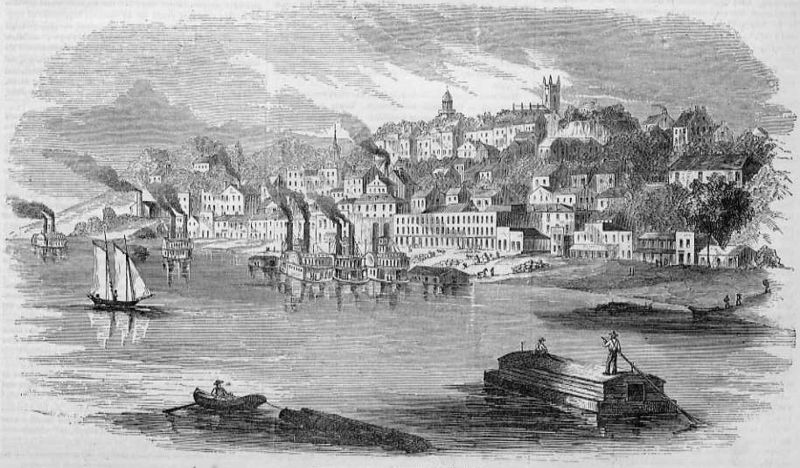
800px-View_of_Vicksburg,_Mississippi

Vicksburg 1860

1) Kentucky’s ex-governor Charles S. Morehead mentions the discrepancy in the number of fugitive slaves lost between Kentucky and Mississippi. In editorializing about the Fugitive Slave Law The New-York Times listed the last known count of slaves lost by state (for the year 1850). The discrepancy wasn’t exactly 100 to 1. According to the list in The Times Kentucky lost 96 slaves; Mississippi lost 41. Maryland, a border state like Kentucky, lost the most by far – 279.

2) Morehead is another person who believes in what we call gridlock today – Lincoln’s hands will be tied because non-Republicans control Congress and the Supreme Court.

3) Earlier in the week Vicksburg was also mentioned in The Times’ (would-be) technology section (The New-York Times December 8, 1860):

Telegraph Cable Across the Mississippi.

NEW-ORLEANS, Friday, Dec. 7.

A telegraph cable was successfully laid across the river, at Vicksburgh, to-day.

The future is grim for the Pony Express.

Posted in 150 Years Ago This Week, Secession and the Interregnum, The election of 1860 | Tagged , , , , , , | 1 Comment

Even Texas Wants Out?

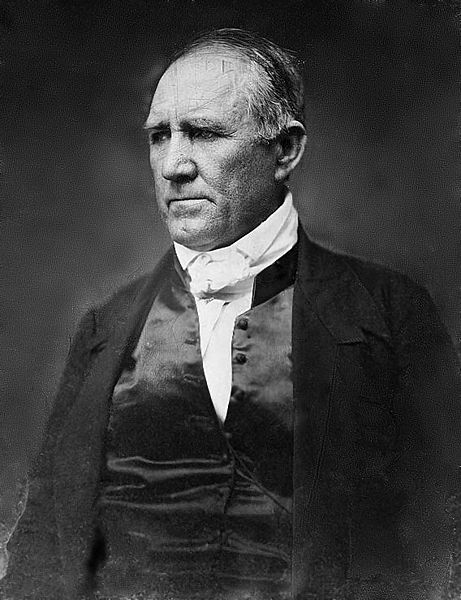
461px-SHouston_2

Sam Houston; legislators meeting without his call

From The New-York Times December 10, 1860:

To the Editor of the New-York Times:

Can the reports that are in circulation about Texas be true? Can she in reality be so ungrateful as to even think of seceding? Her secession would be the blackest blot of ingratitude on the page of history.

Her independence and annexation alone cost the United States about 50,000 men and $60,000,000, and, in addition, the United States afterwards paid off her debt, amounting to some 8,000,000 or more of dollars.

It is a singular fact that in a speech made in 1845, we then expressed our apprehensions of her in the following words: “May we not be nourishing a viper, which will at some future day turn upon and sting us for our generosity to it? May we not, at some future time. I say, rue the day when first we joined her to our Confederacy?”

We must sincerely hope that our former apprehensions are not now to become realized prophecies, but if they do we can only say, thank God we are no Texan. Yours, respectfully, AMERICUS.

Elsewhere in the same issue:

THE COURSE OF TEXAS.

NEW-ORLEANS, Saturday, Dec. 8.

The latest advices from Texas state that there is an understanding between the members of the Legislature of that State, that the Legislature shall meet at Austin, on the 17th of December next, without a formal call from the Governor, and that it is understood that the Legislature will call a State Convention on the 8th of January.

Sam Houston was the governor at this time. He had Unionist tendencies. Apparently a lot of Texans weren’t of the same mind.

History of Texas (1845-1860)

Posted in 150 Years Ago This Week, Secession and the Interregnum | Tagged , , , | Leave a comment

Alabama Fasts; Baptists Ready for War

478px-Thomas_Hill_Watts_1860s

Colonel Watts, I presume

The following excerpted article from The New-York Times mentions a Colonel Watts along with the famous fire-eater William L. Yancey. I’m assuming Watts is Thomas H. Watts, who became Alabama’s governor in 1863. This article was written by The Times’ BRECK correspondent.

Excerpts from The New-York Times December 7, 1860:

FROM ALABAMA.; A FAST INSTEAD OF A THANKSGIVING THE FEELING GENERAL FOR SECESSION, & C.

MONTGOMERY, Thursday, Nov. 29, 1860.

A few weeks since, in accordance with the usual custom, our Governor announced a day of public thanksgiving for the mercies of the year. A prudent reconsideration seems to have convinced him that the present position of the country did not call for any such expression, and to-day the State is observing a fast. The demand for this change, together with the unusual respect paid to the day show the really serious spirit with which the coming crisis is regarded by the entire community. …

A person coming from the North, and passing through the five States now holding this question under consideration, would find no other feeling than that for secession. …

Still as the movement progresses — and there is progress — there is no difficulty in discovering three classes in the ranks of the Secessionists. First, the young men, who are all in favor of disunion, and would not object to just enough war to show the Yankees how easily they could whip them if occasion required; second, the politicians, together with those whose old political sympathies or natural temperament make them extremists; lastly, the large class who feel aggrieved by the action of the North — who respect the Union, but, looking upon disunion as inevitable, are only anxious that it should be undertaken calmly and with the cooperation of the other Southern States. …

From the first two classes there is nothing to be expected; they wish nothing but secession, and fear nothing but that the concessions of the North or the compromises of the border States will satisfy the cooperationists — as the third class are called. …

Whatever is to be the action of the coming Convention — and I do not doubt that it will be for secession — it is now certain that it will represent the finest talent of the State. All admit that no such body of men has ever been collected in the State of Alabama as will assemble in January to take into consideration — as we Breckinridge men like to phrase it — the best means of secession. It may be a satisfaction to some to know that Mr. YANCEY will meet there several of his most able and bitter opponents in the politics of the State. You have seen, I presume, the theological aspect of this question — how the Baptist State Convention offered, through a suitable set of resolutions, the services of their denomination to the Governor in the case of a war, and how he, in a neat letter, accepted these services? You will understand me as acting the part of a friend when I advise the pseudo-Baptists of the North to take advantage of this timely announcement and secure their safety by a suitable reconsideration of denominational tenets, or a hasty flight from the sword of the faithful.

While speaking of war, let me say that report announces the arrival of five thousand stand of arms from the North, for the purchase of which a gentleman was sent a few weeks ago. The excitement that for a time swayed the public mind has now sunk into the quiet of on-going, matter-fact life. Even the harmless little romance of the cockade, seems growing a little passe. Still I do not think there has been any positive change in public feeling. The fact is, every one here is in favor of secession. An association has just been formed in this city, calling itself the “Central Committee of Safety,” enrolling among its members Mr. YANCEY, Col. WATTS, and other prominent men of the city. You will find below the preamble of their Constitution, which will sufficiently explain its character. …

1) You can read the entire article, including the text of the preamble for the committee at The New York Times Archives

2) Allen from Seven Score and Ten made a good comment here about the enthusiasm of youth for war. Here the young men of Alabama are looking for “just enough war” to whip the Yankees. From the perspective of 150 years, they obviously got much more than “just enough war”

3) Not to get too far ahead of the story, but the Wikipedia article (linked to above) about Watts was very interesting, especially his challenges governing Alabama during the last couple years of the war.

Posted in Secession and the Interregnum | Tagged , , , , , | Leave a comment

Weed: Obey Constitution; Pay for Fugitives

436px-Thurlow_Weed_-_Brady-Handy

A Third Way? Weed circa 1860

Thurlow Weed was a political boss in the Whig party. He became a Republican and supported fellow New Yorker William Seward for the party’s presidential nomination in 1860. It is believed that one of the reasons that Seward lost the nomination is because the party considered him too extreme to win the states of the lower North. The Wikipedia article on Weed says that Weed’s reputation as a strong arm political boss may have contributed to Seward’s failure to win the nomination.

My understanding is that one of the major reasons for secession crisis following Lincoln’s election was the South’s strong resentment of northern “Personal Liberty Laws” – state statutes that essentially made the federal Fugitive Slave Act unenforceable in the northern state. Southerners considered these state laws nothing other than nullification. South Carolina failed in its effort to nullify federal law in 1832-1833. In the piece reprinted here Weed promotes a way to possibly satisfy both the South and the North – pay slave owners for the fugitive slaves – at least those rescued from the slave hunters.

From The New-York Times December 3, 1860:

THURLOW WEED ON THE FUGITIVE SLAVE LAW.

From The Albany Evening Journal

The present Fugitive Slave Law is a detestable one. Its vindictive features were designed to insult and degrade us. But a proper and efficient Fugitive Slave Law is a requirement of the Constitution; and we are as much bound to observe and obey such a law, as South Carolina is to observe and obey any other provision of the Constitution.

God knows that we should rejoice to see every human being — all who are created in the image of their Maker — entitled, where their lives or their liberty are concerned, to a trial by jury. But under our present form of Government, with the Constitution as our law and guide, this is impracticable. Our fathers found Slavery so deeply seated, and so intricately connected with their business, that they could not form a Union without recognizing and tolerating it. As Christians and philanthropists, they looked forward to its ultimate extinction; but only by just measures peaceful influences. Inheriting their principles and imbued with their sympathies, we have, in our humble way, labored to the same end. But always in subordination to the Constitution and laws.

The duty which the Constitution imposes in relation to fugitive slaves, is a hard one, but while we disregard it, we have no right to complain of slave States for disregarding it in other respects. We have never refused to contribute our share towards purchasing the freedom of slaves applying for aid. Nor have we ever refused charity to people or color, in distress, without inquiring whether they were fugitives or free. But we loathe and detest the whole race of miscreants who have done more harm than their necks are worth, in beguiling domestic slaves from families traveling and sojourning in free States.

In view of what is coming, and in the hope of averting it, we would cheerfully consent to a law which should provide for the payment of every fugitive rescued from an officer by violence.

But we are utterly opposed to the Journal’s Idea of “letting the Cotton States have what they want — a slaveholding and slave-importing Confederacy.” It is better and wiser, in our judgment, to do our whole duty under the Constitution, and hold others to their obligations.

Earlier in the fall of 1860 The New-York Times seemed to entertain a similar idea. If Weed only wants the law to require payment for slaves rescued from the slave hunters, I’m not sure that would satisfy the South. A lot of fugitives weren’t rescued.

Posted in 150 Years Ago This Week, Secession and the Interregnum | Tagged , , , | 2 Comments

What South Carolina Fears

From The New-York Times December 7, 1860:

A CANDID VIEW OF SECESSION.; EXTRACT OF A PRIVATE LETTER FROM A LADY IN SOUTH CAROLINA RECEIVED IN THIS CITY.

K_____, S.C., Saturday, Dec. 1, 1860.

MY DEAR UNCLE: It is with different feelings that I sit myself to pen these lines to you, from those which actuated me when I wrote you last. Then all looked bright and cheerily in the future, now how gloomy and portentous, still I fervently “pray God that this cup may pass away from us.” The country here is all aglow with the fires of revolution, and such is the intensity of excitement that we can scarcely find time or inclination to talk or think of anything else than the political topics of the day, and the moral and social consequences directly pertaining to secession. I fear that secession and revolution are, with our people, foregone conclusions; that we have gone to far, retraction and recession are impossible, and that civil war with all its consequent horrors is already upon us. I shudder for the wives and mothers, sisters and babes of South Carolina, as I contemplate the immediate future of the State. You need not be surprised at any time to see me and the children in your midst, for no argument could induce me to remain here an hour longer than I should be compelled to, if the worst should come to the worst.

You may imagine, dear uncle, our situation, but you never can realize it in its fullness. Already we tremble in our own homes in anticipation and expectancy of what is liable to burst forth at any moment, a negro insurrection. Could you see the care and precaution displayed here by the proprietors of the negroes, not only planters, but others, you would not for a moment envy us our possessions. Not a night passes that we do not securely lock our field servants in their quarters; but our most loved and valued house servants, who in ordinary times we would trust to any extent, are watched and guarded against with all the scrutiny and care that we possess. Our planters and owners of slave property do not allow their servants to have any intercourse with each other, and the negroes are confined strictly to the premises where they belong. We are all obliged to increase our force of overseers to prevent too free intercourse even among our own servants. The negroes feel and notice these new restraints, and naturally ask “Why is this?” But it is unnecessary for them to ask the question, for they till comprehend the cause as well as we who own them. They have already learned enough to give them an idea of what is going on in the State and nation, and this knowledge they have not gained from Abolitionists, as some suppose, but from the conversation of their owners indirectly held in their presence. They have already heard of LINCOLN’s election, and have heard also that he is for giving their their liberty, and you may imagine the result.

You have heard that our servants all love their masters, and their masters’ families, and would lay down their lives for them — that the colored race in the South prefers Slavery to Freedom — that they would not be free if they could, &c., &c.. That is but the poetry of the case, the reality consists [of] sleeping upon our arms at night — in doubly bolting and barring our doors — in establishing and maintaining an efficient patrol force — in buying watch dogs, and in taking turns in watching our sleeping children, to guard them and ourselves from the vengeance of these same “loving servants.” — a vengeance which, though now smouldering, is liable to burst out at any moment, to overwhelm the State in spite of the Palmetto flags or State precautions.

You at the North are not the only ones who are suffering financially by this new panic. The planters among us are really suffering from the depreciation in their property. Already negroes are not worth half price. No one dares to buy a servant, fearing lest he, in doing so, should be introducing upon his plantation one tinctured with the idea of freedom.

My husband has but a few servants, — I believe but thirty-one all told, — still I feel (and so does he) that they are thirty-one too many in such times as these. He would sell them immediately, if it were possible, but the truth is he could realize nothing for them at present, or at most not over half their real value Slaves are a drug [?] in the market, my husband says, and you know him well enough to judge of his judgment in such matters.

Now, one word as to the military force of the State, to protect us against an insurrection. I presume, with the exception of Charleston, and perhaps a few large towns, that the remainder of the State is situated very much as we are here; and I will give you an idea of how well prepared we are to resist a mob. Upon our place of about 1,200 acres we have; of whites, males — husband, two overseers and my son of 18 years; total, four; females — self and cousin, little Lucy and one of the overseer’s wife — four; of whom only four at the most are capable of bearing, arms, — to offset which we have at least seventeen field hands — sturdy young negroes, — besides the female servants. And this is a fair representation of the force upon our plantations. Considering such a state of facts, do you blame me for desiring to absent myself, my husband and children from the State? **

When this woman said that Civil war was a foregone conclusion I assumed her great fear was Yankee armies burning the South Carolina to the ground. Her great fear at that moment was a slave insurrection. You can read this article at The New-York Times Archives

Posted in 150 Years Ago This Week, Secession and the Interregnum, The election of 1860 | Tagged , , , , , | 2 Comments