News from the West

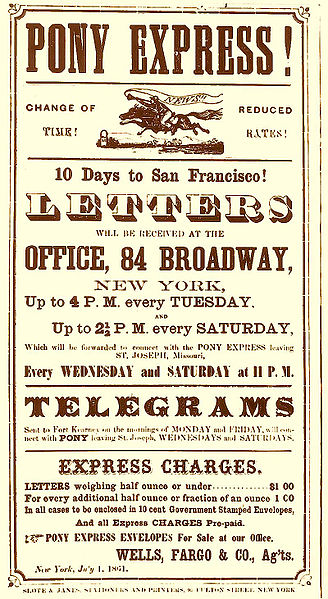
328px-Pony_Express_Poster

Who Won California and Oregon?

From The New-York Times November 26, 1860:

FORT KEARNEY, Sunday, Nov. 25.

The Pony Express from San Francisco 14th inst., passed here about 4 o’clock this afternoon. Considering the snow and bad weather in the mountains, this is making good time.

By this arrival we have Pacific news as follows:

The Presidential election returns still lack five or six thousand votes of being complete. The total vote returned thus far is 111,818. Lincoln, 36,586; Douglas, 35,990; Breckinridge, 31,216; Bell, 8,026; Lincoln over Douglas, 596. This is the most favorable account for Douglas published, other authorities placing him nearly 1,000 behind Lincoln. The balance of the returns will probably decrease Lincoln’s majority, but the State is generally conceded to him. The official count will be required to settle all doubts, however.

A dispatch from Yreka, near Oregon, on the 13th say the latest advices from Oregon give 250 majority for Lincoln over Breckinridge. Douglas was 6,000 behind Breckinridge, with three small counties to hear from, which cannot much vary the result.

Returns from a few of the principal counties show the donations on election day to the Washington Monument fund to be $4,240, which will be largely increased.

It is believed that a majority of people of California voted against calling a constitutional Convention.

Further on in the same issue:

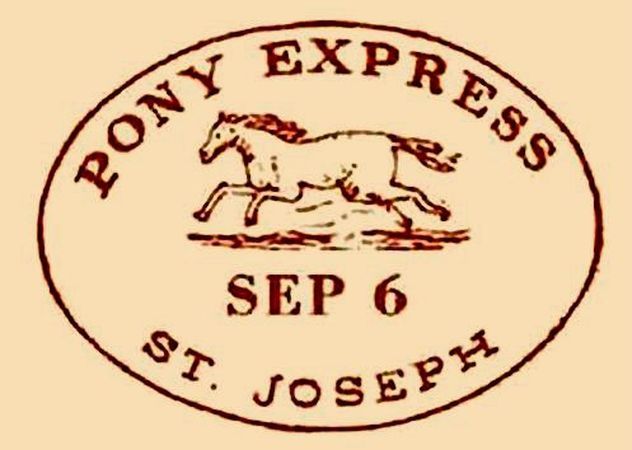
Pony_Express'60_West_bound_1860

2 months before election

ST. JOSEPH, Saturday, Nov. 24.

The extra Pony Express which left Fort Kearney on Wednesday, Nov. 7, with the election news, arrived in Salt Lake City in three days and four hours — distance, 950 miles. The last 45 miles were made in three hours and ten minutes, and this 45 miles of the route is the most mountainous of the whole road. The regular Pony Express, leaving St. Joseph on the 8th inst., arrived at Salt Lake, distance 1,200 miles, in four days and twenty-three hours. It had been snowing for thirty-six hours when the Pony left Salt Lake City.

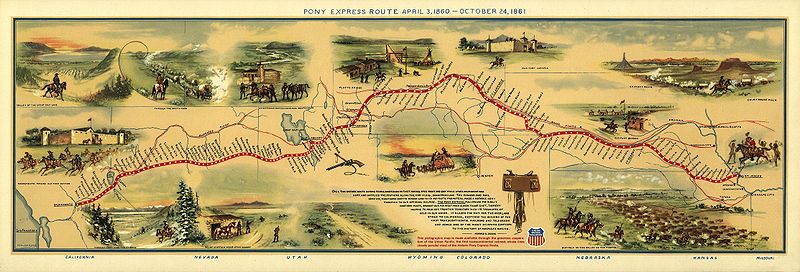
800px-Pony_Express_Map_William_Henry_Jackson

The route sans snow storm

The Pony Express was doing its job linking the telegraph terminals to the West.

Posted in 150 Years Ago This Week, The election of 1860, Uncategorized | Tagged , | 2 Comments

If It Looks Like Nullification, …

… And It Acts Like Nullification

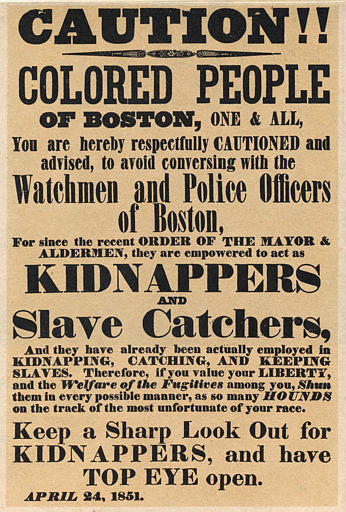
Slave_kidnap_post_1851_boston

Early Massachusetts Response to 1850 Federal Law

In a section devoted to “Letters to the Editor” regarding the possible secession of southern states, The New-York Times included the following summary of an 1860 revision the Massachusetts government made to its Personal Liberty Law of 1855. Personal Liberty Laws were state attempts to hamper the enforcement of the federal Fugitive Slave Act of 1850. From The New-York Times November 20, 1860:

The law recently passed by the Massachusetts Legislature provides a heavy line and imprisonment for any one who shall in any manner aid in securing a fugitive slave, and furthermore incapacitates such person from the privileges of voting or holding any office of honor or emolument within the State forever.

Is It Nullification?

The Library of Economics and Liberty has some interesting takes on the relationship between the Personal Liberty Laws and Nullification.

I’d like to hear what you think.

Posted in 150 Years Ago This Week, Secession and the Interregnum, The election of 1860 | Tagged , , , | 2 Comments

Thanksgiving: Charleston 1860

From The New-York Times. November 22, 1860:

CHARLESTON, Wednesday, Nov. 21.

Thanksgiving passed off with remarkable quietness. The American Sunday School Union this morning unfurled a white banner, with a palmetto tree, five stars and an open Bible, and the mottoes: “South Carolina dares resist oppression,” and “In the name of our God we set up our banner.”

The Georgia merchants are promptly meeting their Charleston liabilities.

Congressman KEITT, on board the steamship Columbia this afternoon, was presented with a gutta-percha rifle-cane. He spoke feelingly of BROOKS.

The suspension of the Richmond Banks will not effect business here.

Notes

1) The Sunday-Schoolers were no doubt being taught to stand up for “God and Country”. This news item seems to be another indication that even 70 years after the U.S. Constitution replaced the Articles of Confederacy, South Carolinians still tended to think of their country as South Carolina.

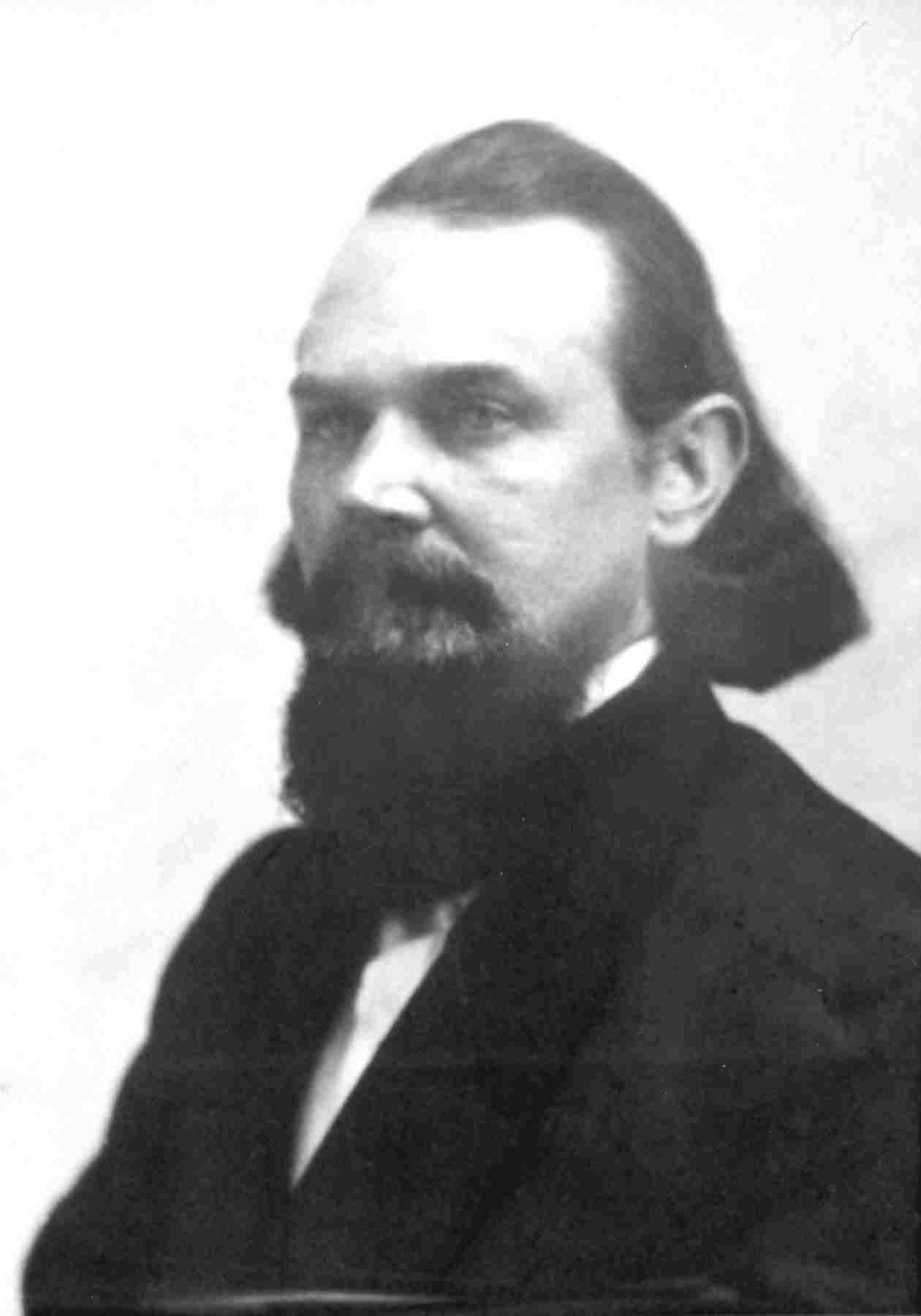
LMKeitt

Laurence M. Keitt

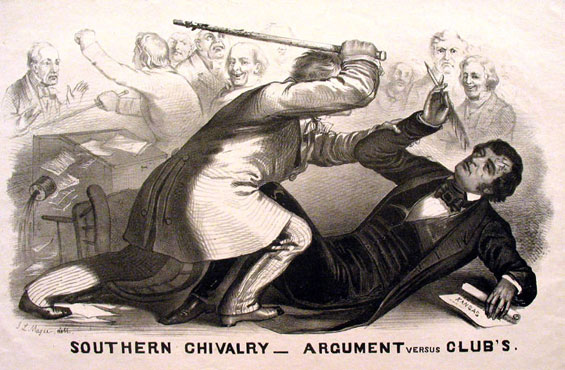
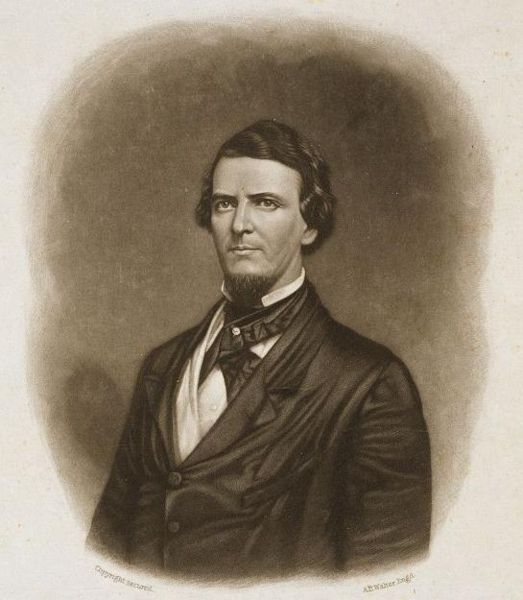
2) Congressman Laurence M. Keitt helped fellow South Carolinian Preston Brooks attack Senator Charles Sumner in the U.S. Senate chamber on May 22, 1856. Keitt told Brooks that a duel between Sumner and Brooks would not be appropriate because Sumner was of a lower social class than Brooks. Brooks decided to beat Sumner senseless with a Gutta-percha cane. Keitt brandished a pistol to keep would-be Good Samaritans from intervening.

3) Gutta-percha is a type of tree in Southeast Asia. The sap of the tree had many purposes. It was used as an insulator for undersea cables in the 19th century because marine animals did not mess with it. Keitt received the cane that also could double as a rifle. The Remington Cane Rifle used Gutta-percha to cover the cane body.

Southern_Chivalry

J.L. Magee's political cartoon of Brooks attacking Sumner

Preston Brooks

Preston Brooks

4) States celebrated Thanksgiving Day on different dates in 1860. South Carolina apparently had theirs on November 21. There’s evidence that several northern states were opting for November 29.

5) More evidence of the uncertain financial situation caused by the uncertain political situation.

Posted in 150 Years Ago This Week, Secession and the Interregnum | Tagged , , , , , , | 1 Comment

Why Alabama Will Probably Secede

Or, Is the Pot Calling the Kettle Black?

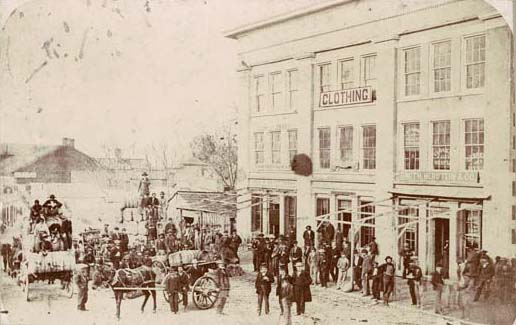
Huntsville_Alabama_1860

Won't Be Slaves of the North: Huntsville, Alabama 1860

From The New-York Times. November 20, 1860:

MONTGOMERY, Ala., Tuesday, Nov. 13, 1860.

Two days ago there was in this city a body of men who were in favor of preserving the Union. Today the whole class are with the lost arts, or anything else utterly past and forgotten. The explanation is easy. A large class of men were confident that the Fusion ticket would carry one or two prominent States in the North. The result proved their hopes groundless, and we now have the reaction.

A Northerner, who is accustomed to canvass practical difficulties, and recognize the authority of business interest, will not perhaps be able to understand the motives which could influence thoughtful men — for all are not fire-eaters here — whose interests of property are all inwoven with those of the North, to advocate the cause of secession. In the first place, it is generally admitted that there will be a sacrifice of property at first. This many stand ready to meet, and many, who can see nothing worse than the present money panic, overlook. But the argument which silences every question is, “Will you be a slave to the North?” The enormous majorities of the Republican Party, in the late election; majorities which impress, with five-fold power, men accustomed to the meagre totals of a sparsely settled country, removes this argument from the ludicrous, especially when, to this great throng, which seems banded against them, is added the misconstrued doctrines of its most violent members. It is an appeal to their courage. …

Well, um, I agree slavery is wrong.

Apparently, the idea of the vote totals is that the Alabamans realize how large the northern population is and how much of the North voted for the Black Republicans. A fear that the Black Republicans would start imposing their doctrines is firing up Alabaman courage.

Not all are fire-eaters, but the fire-eaters are at work. And it’s four months before Lincoln actually takes control. And he’s not saying much anyway.

As always, I’d like to hear your comments. Thank you.

Posted in 150 Years Ago This Week, Secession and the Interregnum, The election of 1860 | Tagged , , | 1 Comment

Lincoln’s Asks for Fair Trial

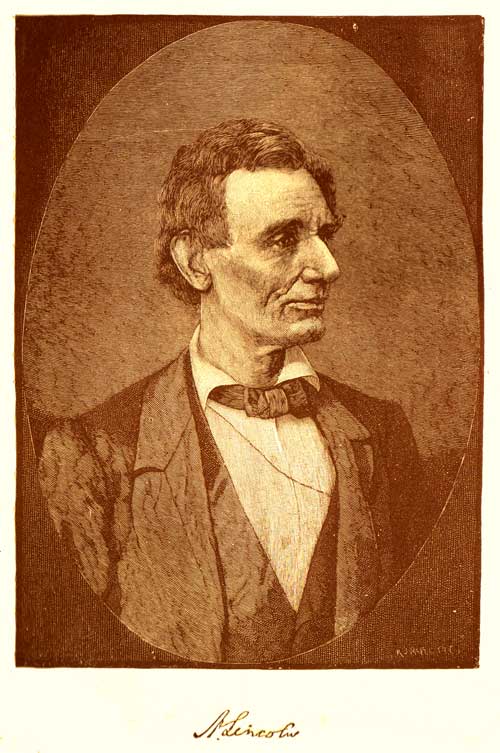
abraham-lincoln-2

Don't pre-judge me

From The New-York Times. November 19, 1860:

We find the following paragraph in the Washington Star:

“A gentleman of this city (a well-known lumber merchant) visiting Springfield, Ill., lately, on some land business, was taken to see Mr. LINCOLN by a citizen of Springfield, a former resident of this city. The interview took place on the night previous to the election, and our townsman was introduced to Mr. L. as “a Bell and Everett man who didn’t want an office.” Mr. L., who received his visitors with much cordiality, said they were all the more welcome for that fact. The conversation turned upon the excited state of the public mind in the South, at the anticipation of his election, (of which he expressed no doubt,) and he went on to say that in his part of the country, when a man came among them they were in the habit of giving him a fair trial, to show his merits or demerits. This was all he wished from the South. The South had always professed to be law-abiding and Constitution-loving; placing their reliance on the Constitution and the Laws. So far as he could be instrumental these should be sustained to the fullest extent.”

Note:

The image of A. Lincoln and many more Public Domain Images are available at Karen’s Whimsy

Posted in 150 Years Ago This Week, Secession and the Interregnum, The election of 1860 | Leave a comment

Quashing Pro-Lincoln Sentiment

This paragraph from The New-York Times. on November 16, 1860 is in the news from Georgia section. If it appeared originally in any Georgia paper it would be the Savannah Republican.

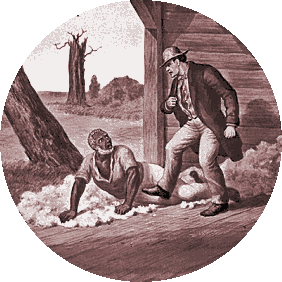
Exaggerated rumors were in circulation regarding a difficulty which was said to have transpired on the plantation of W.C. CLEVELAND, near Milledgeville. A negro had been severely punished for saying that he supposed the negroes were to be freed, now LINCOLN had been elected, and then the trouble stopped.

Legree assaults Uncle Tom

From Uncle Tom's Cabin: HB Stowe Wasn't Kidding

Posted in 150 Years Ago This Week, The election of 1860 | Tagged , , , | Leave a comment

Henry Clay on Secession

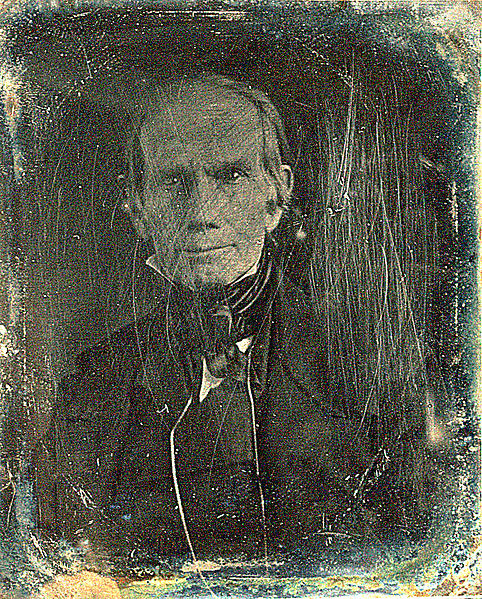
Henry_Clay_by_Mathew_Brady_1849

Nullification and Secession - No Compromise

Henry Clay was called the “Great Compromiser” because of his work in the U.S. Congress during the North-South crises, especially in 1820 and 1850. The correspondent in this article says that Clay, who died in 1852, would not have compromised on nullification and secession.

From The New-York Times. November 15, 1860:

What Shall be Done with a Seceding State? Henry Clay’s Opinion.
Correspondence of the New-York Times

LOUISVILLE, Ky., Saturday, Nov. 10, 1860.

I remember well how Mr. CLAY used to talk, write and speak on this point. Though when on the brink of the grave, his eye flashed with its old fire, his form rose to its full height, and his voice recovered its commanding tone, whenever secession was even alluded to in his presence. …

HENRY CLAY’s general opinion of the way to treat secession and nullification, as I heard him state it publicly and privately, and as he expressed it in his letter of Oct. 3, 1851, to DANIEL ULLMAN and others of your City, was this:

“Suppose the standard should be raised, of open resistance to the Union, the Constitution, and the laws, what is to be done? There can be but one possible answer. The power, the authority, and the dignity of the Government ought to be maintained, and resistance put down at every hazard. The duty of executing the laws and suppressing insurrections is without limitation or qualification; it is coextensive with the jurisdiction of the United States. No human Government can exist without the power of applying force, and the actual application of it in extreme cases. My belief is that if it should be applied to South Carolina, in the event of her secession, she would be speedily reduced to obedience, and that the Union, instead of being weakened, would acquire additional strength.”

My question is: what would Clay have said about the northern states who refused to enforce The Fugitive Slave Act of 1850, effectively nullifying it in their states? The Fugitive Slave Act was part of the Compromise of 1850 that Clay helped broker. Many northern states were not following that law.

Posted in 150 Years Ago This Week, Secession and the Interregnum, The election of 1860, Uncategorized | Tagged , , , | Leave a comment

Could It Be?

From The New-York Times. November 15, 1860:

The Columbus [Georgia] Times says:

“We learn that on the night of the election, some negroes in this city were heard to shout for LINCOLN in the streets. The negroes must be better posted than we imagined. They no doubt hear that LINCOLN is an Abolitionist and in favor of their freedom, and have caught the cue. No Abolitionist instigated it.


Posted in 150 Years Ago This Week, Secession and the Interregnum, The election of 1860 | Tagged , , | Leave a comment

Palmetto State: Three Vignettes

Seven Score and Ten and Civil War Daily Gazette have been doing a great job keeping us up-to-date on the rabid secession fever in South Carolina since Lincoln’s election on November 6th (1860, of course).

Here are three paragraphs from The New York Times November 15, 1860:

1) The [Charleston] Mercury also has this paragraph:

“We learn from a gentleman, who arrived last evening from Mississippi, that the opponents of BRECKINRIDGE at Okolona, hung Mr. YANCEY in effigy on the morning of the 6th. The figure to represent him carried a Mobile Mercury under one arm and a Prairie News under the other. We are obliged to them for our part of the compliment.”

2) THE HARPERS’ PERIODICALS PROSCRIBED

The Mercury makes the following announcement:

We learn that on Friday all the book-houses in this city, who have heretofore sold Harpers’ Weekly and Monthly publications, closed their accounts with the publishers, and returned the copies on hand. The last number of the Weekly opened with a biographical sketch and full length portrait of ABE LINCOLN, the illustrious rail-splitter.

3) A Massachusetts Schoolmaster Sent Home.

BOSTON, Wednesday, Nov. 14.

WM.C. WOOD, a graduate of Harvard College, has arrived here in the steamer South Carolina, from Charleston. He was civilly requested to leave the State and his passage to this port paid. Mr. WOOD was in South Carolina to fulfill an engagement as a school teacher in the Barnwell District.


Posted in 150 Years Ago This Week, Secession and the Interregnum, The election of 1860, Uncategorized | Tagged , , , , | Leave a comment

Plantation Owner Pins Hopes on Gridlock

And the Little Giant Agrees

From The New-York Times. November 15, 1860:

A FEW SEASONABLE WORDS.

The National Intelligencer publishes the following letter from a “Southern Cotton Planter,” whom it states, is a gentleman of high character, a native of the South, and the owner of three hundred slaves:

“As a cotton planter (and not on a small scale) of a ‘Cotton State,’ and as owner of some (not a few) Slaves, my opinion, based on my own knowledge, may have a little weight with my brethren of the South.

On the election to the Presidency of Mr. LINCOLN, according to the form, if not the spirit, of the Constitution, I see no cause for the secession from the Union of any one of the ‘Cotton States,’ to say nothing of other States. Neither interest nor honor require that step, so fatal to the State that takes it, and so disastrous to the Union. Far otherwise. Such a step would inflict injury on ourselves, on our friends and on our country, without avenging our wrongs on our enemies. The fanatics and other Abolitionists will triumph at Southern secession and Southern losses.

I will not discuss the right of secession, nor the inevitable horrors of disunion, but shall confine myself to the one point — there is no excuse for Disunion furnished by the election of Mr. LINCOLN. He has been elected according to law. With a majority of both Houses of Congress opposed to him, unsustained by the Supreme Court, President LINCOLN can do no harm to the South, nor to the country, as a mere executive officer of the Government, were he ever so much inclined to do so. He is powerless. …

We have been beaten at the ballot-box. Now, let the South give Mr. LINCOLN a fair trial. His friends, on whom reliance is to be reposed, assure us that, a President, Mr. LINCOLN will faithfully adhere to the provisions of the Constitution, as construed and understood by sound jurists at the South, and that he will protect the sovereignty and local institutions of the Southern States, Slavery and all, quite as faithfully as he will protect the rights and interests of the North and of the whole country; that he is an able and honest man, “of unimpeached integrity,” who will walk in the footsteps of HENRY CLAY and of President FILLMORE. Would not that satisfy every constitutional Union-loving Southern man? Fiat justitia!

Lincoln might not have been powerless, but, from the perspective of 2010, this writer’s assertion that Lincoln was constrained by Congress and the Supreme Court makes sense, especially if both Houses of Congress were run by the opposition. We hear about gridlock all the time now.

The same issue of The Times reported on Stephen A. Douglas’ visit to New Orleans. He was given a great reception and spoke on a couple different occasions.

Here’s a bit of the story (The New-York Times. November 15, 1860):

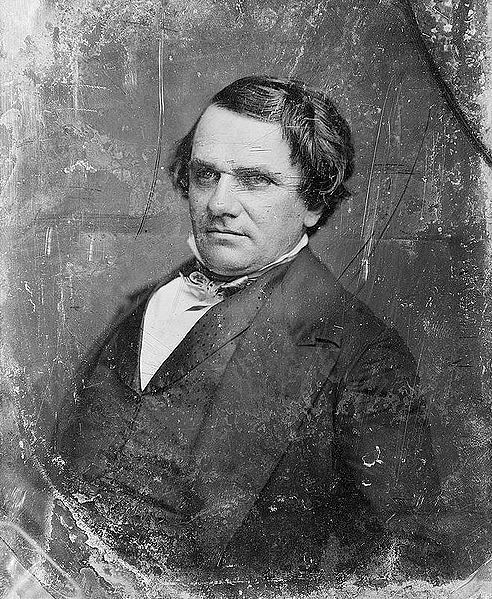
Senator DOUGLAS arrived in New-Orleans on Thursday last, from Mobile. He was received at the depot by a great crowd, and Hon. PIERRE SOULE made an address of welcome, to which Mr. DOUGLAS responded as follows:
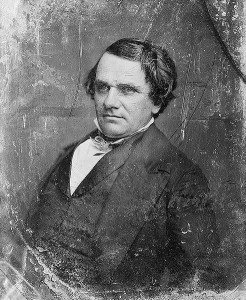
Stephen A. Douglas

The Little Giant: Congress will block Lincoln

Mr. CHAIRMAN: Each time I visit New-Orleans, the kindness of my friends and your citizens places me under increased obligations. I appreciate this reception. This vast crowd, in the midst of this pouring and drenching rain, and with a still darker cloud hanging over our country, calculated to depress the heart of the patriot, shows that there is yet hope for our glorious Union

This is no time to despair or despond. The bright sun will soon chase away these clouds, and the patriots of the land, laying aside partisanship, and forgetting former partisan strife, will rally as one man, and throttle the enemies of our country. [Cheers.] Although an Abolitionist may have been elected to the Presidency of the United States, the gallant fight which the Democracy have made in the Northern States has secured Representatives enough, united with the South, to put Mr. Lincoln and his Administration in a minority in both Houses of Congress. [Cheers.] There is no act which he can do which will violate or impair the rights of any citizen of any State of this Union. [Cheers,] This is no time to indulge in crimination and recrimination. The contest for the Presidency has ended, and with it, allow the a sperities which it has engendered to pass away. [Cheers.] But we must never forget the principles on which we stand. [Cheers.] I can make any sacrifice short of principle. Men are of no consequence, principles are everything. [Cheers.] In the contest, then, with the flag of the Union over us, and non-interference by Congress on the subject of Slavery still emblazoned upon our banners, the National Democracy will drive back Abolitionism, put down sectionalism, and restore peace and harmony to this glorious country. [Cheers.] I renew to you, Sir, and to these assembled friends, my grateful acknowledgments for your kindness on this occasion. [Immense applause.]

Douglas agrees with the cotton planter that Lincoln is not going to be able to constitutionally impose Republican policy.

Was this view realistic? I have not seen any concise article about the 1860 elections results in Congress. Maybe part of the problem is that states did not vote on the same day for Congressional races. Also, when states seceded they lost their Congressional seats.

I don’t completely understand why the planter-Douglas view did not win out. The fire-eaters and South Carolina were hell-bent on secession – did they have that much power?

Thanks for any comments.
Posted in 150 Years Ago This Week, The election of 1860 | Tagged , , , | 2 Comments